At the end of the 18th century, over 90% of Norway's population lived in rural areas. Unlike the rest of Europe, Norway did not have villages. Until the 18th century, most peasants rented land from the king or the Church, but this began to change over time. By the 19th century, more and more people were buying their own land. Although these farms were relatively small, there were certainly some peasants who accumulated larger properties. Most peasants lived off farming, but there was also variation, such as combining farming with fishing or forestry.
In line with this, the Norwegian Museum of Cultural History showcases numerous structures that have been relocated from various parts of Norway, clearly illustrating how people once lived in the interior of the country.
 The Norwegian Museum of Cultural History, a detail
 The Norwegian Museum of Cultural History, a detail
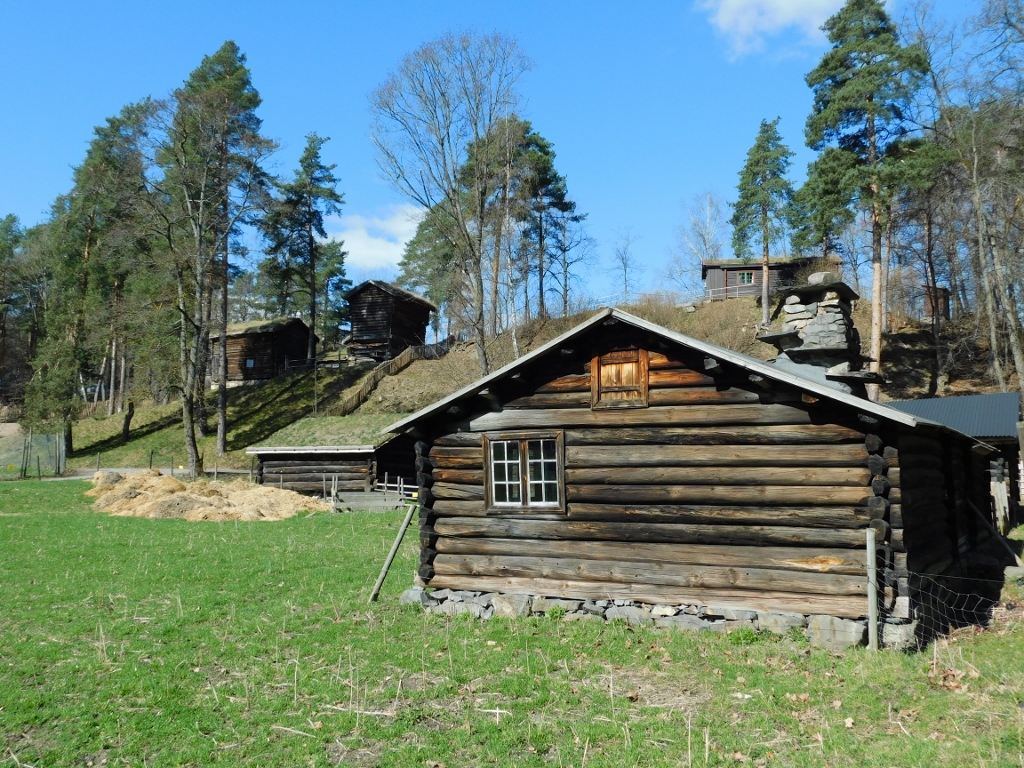
Given Norway's climate and topographical features, summer pasturing of livestock in the mountains was a regular routine. There were even cases where the same agricultural farms had several summer dairies at different elevations to make the most of seasonal vegetation. The primary livestock consisted of cows and goats, from which milk was regularly collected and processed into butter and cheese.
 The Norwegian Museum of Cultural History, a detail
 The Norwegian Museum of Cultural History, a detail
 The Norwegian Museum of Cultural History, a detail
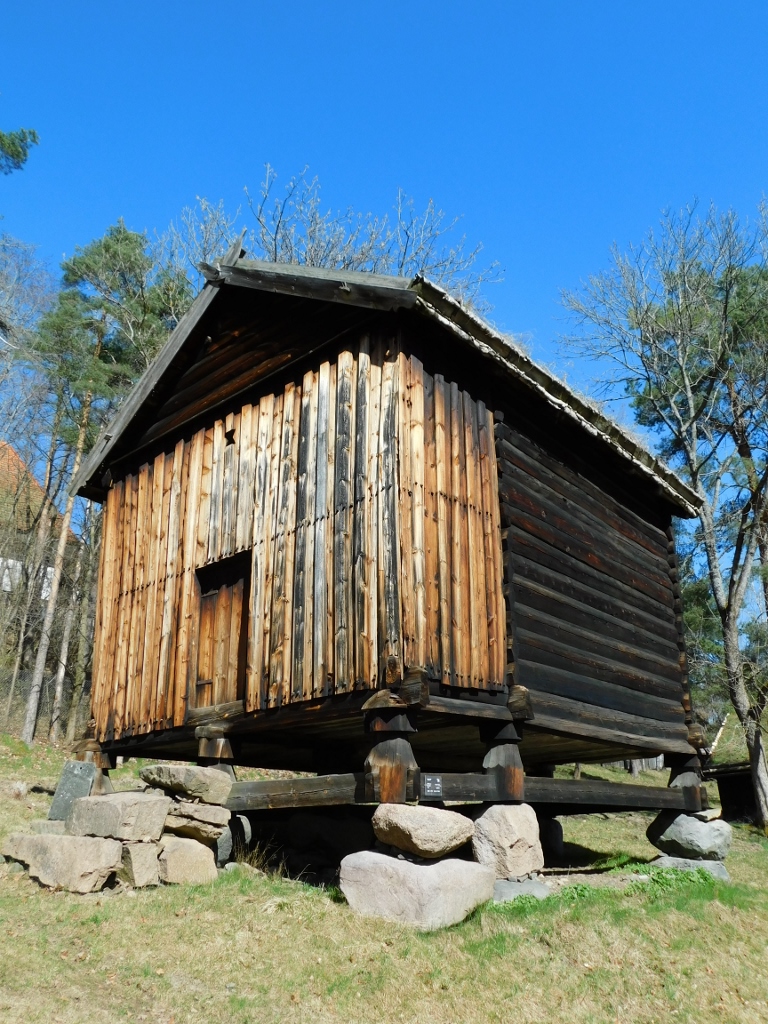
In addition, summer grass was also mown to ensure food for the livestock during the long winters. It was also necessary to provide facilities where the hay could be stored for a sufficient period, until the next season of fresh grass.
 The Norwegian Museum of Cultural History, a detail
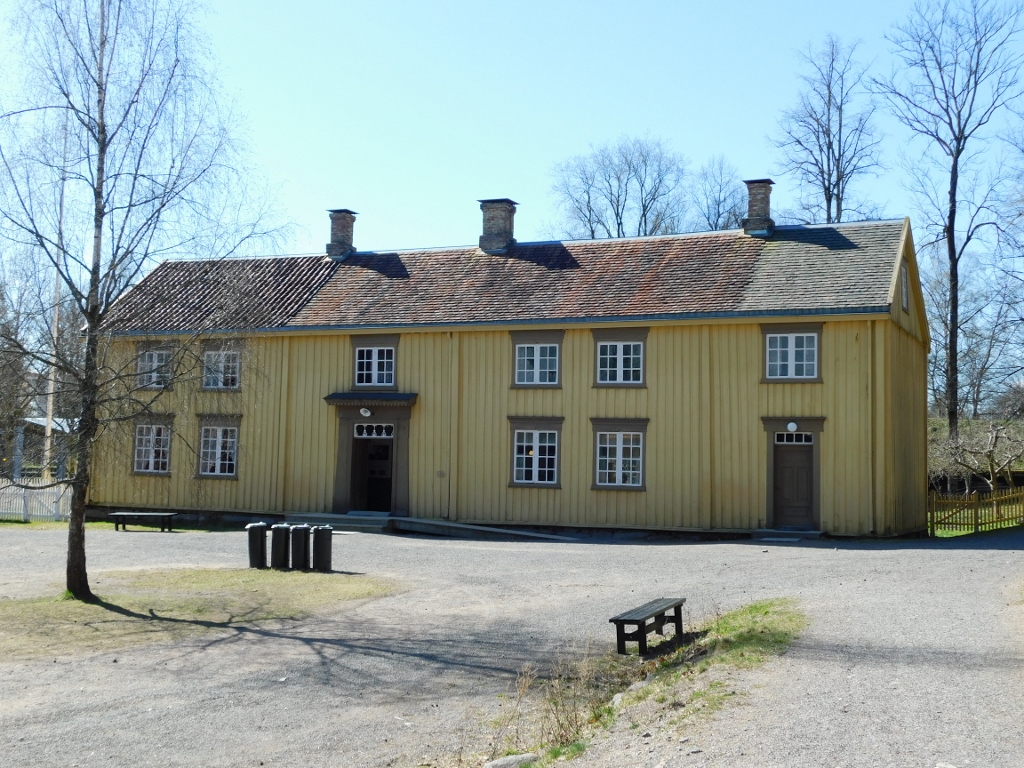
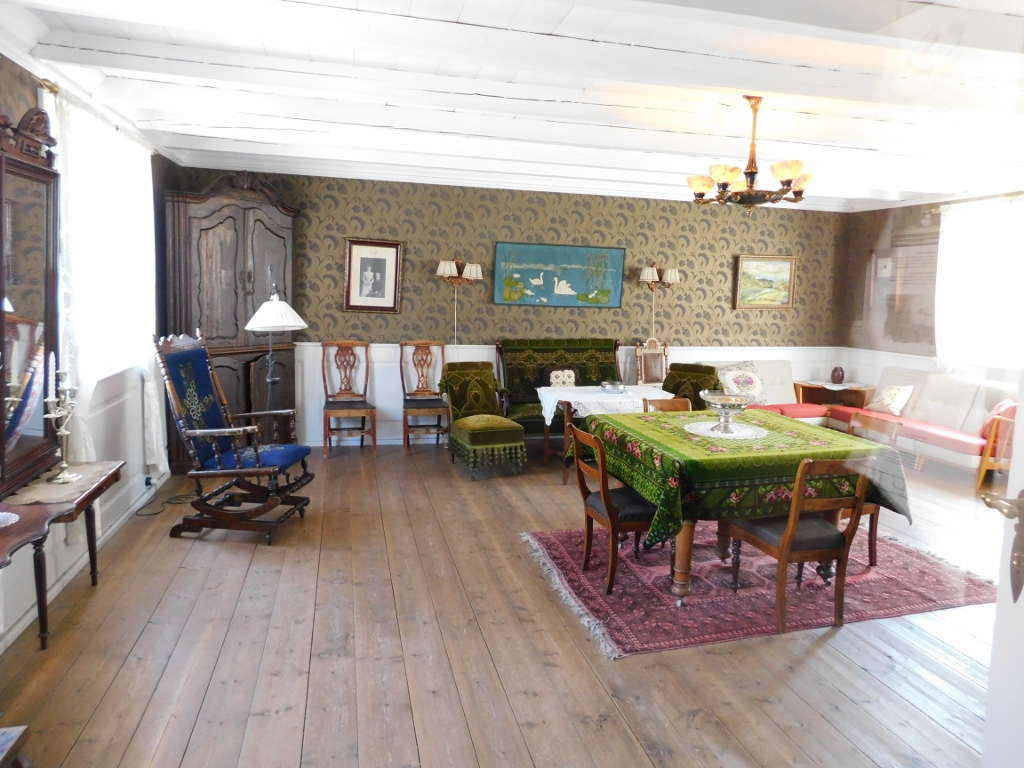
As I’ve mentioned, not all houses were small, such as one built in the Trøndelag region around 1800.
 The Norwegian Museum of Cultural History, a detail
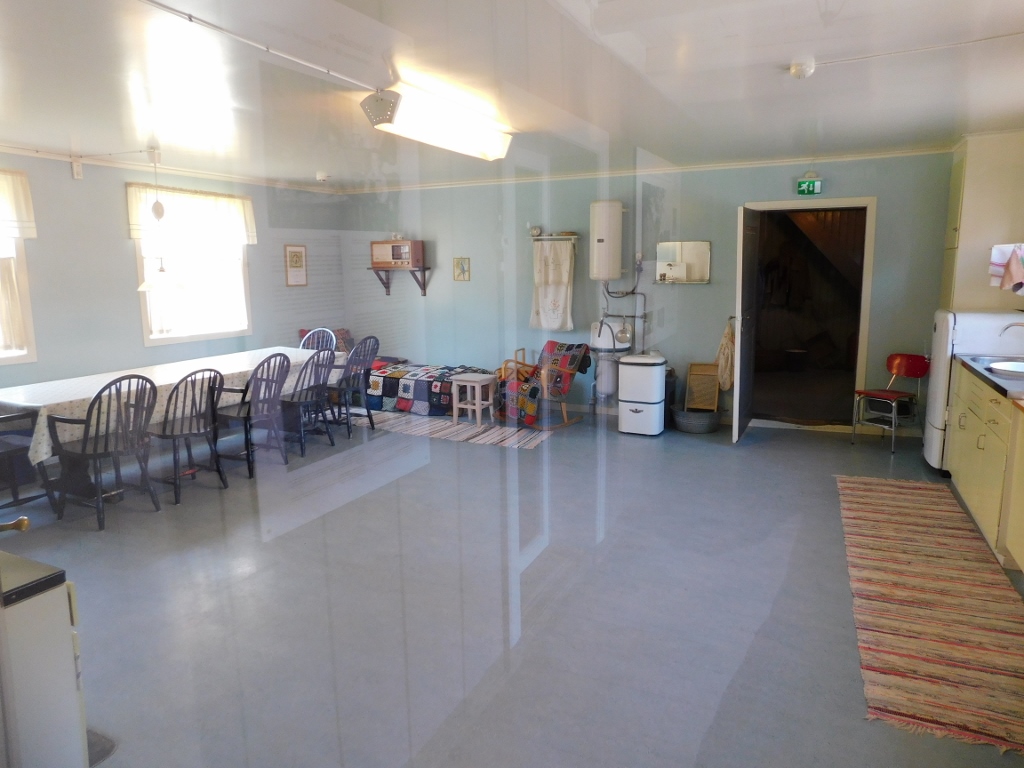
Although the house is older, the interior is furnished to illustrate how it would have looked in the 1960s if a family with children had lived there.
 The Norwegian Museum of Cultural History, a detail
 The Norwegian Museum of Cultural History, a detail
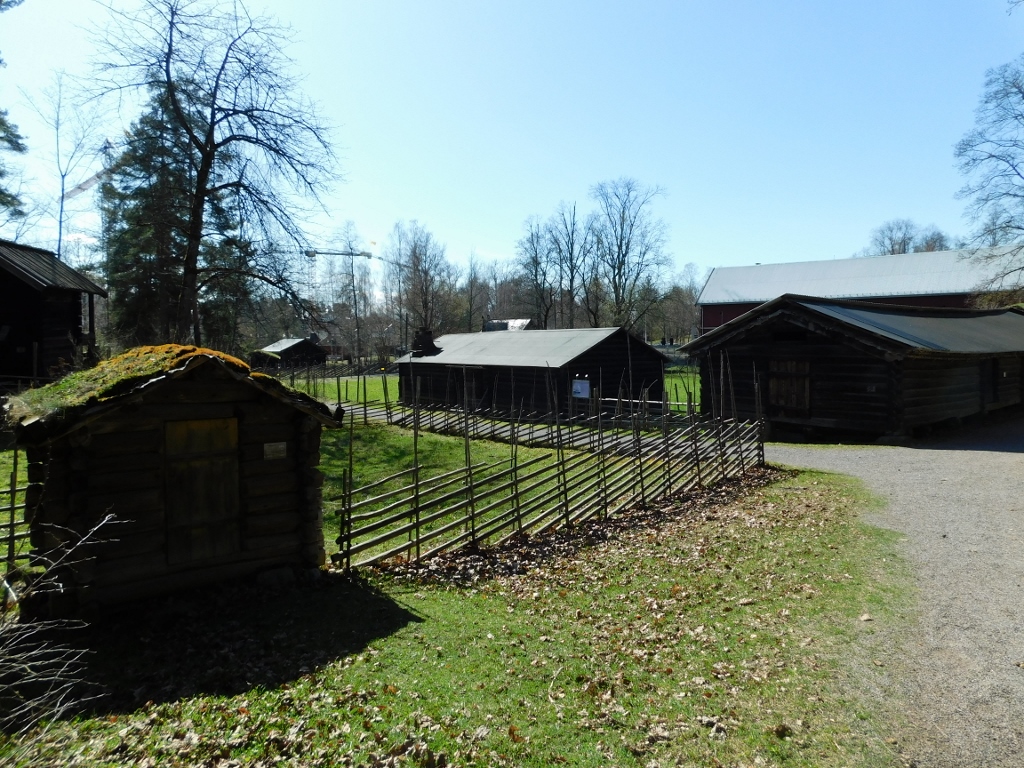
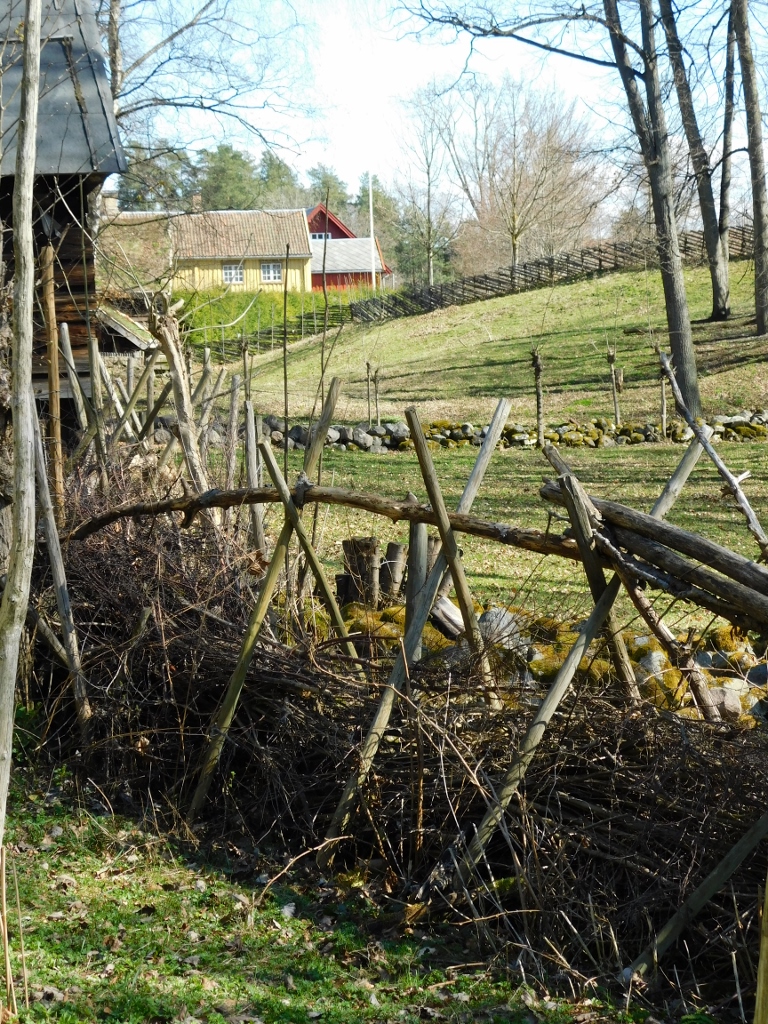
While walking through the open-air museum on this beautiful sunny day, I passed by traditional fences. I'm not sure if they are there merely to recreate the appearance of agricultural properties or if they are still used today to prevent wild animals from passing through.
 The Norwegian Museum of Cultural History, a detail
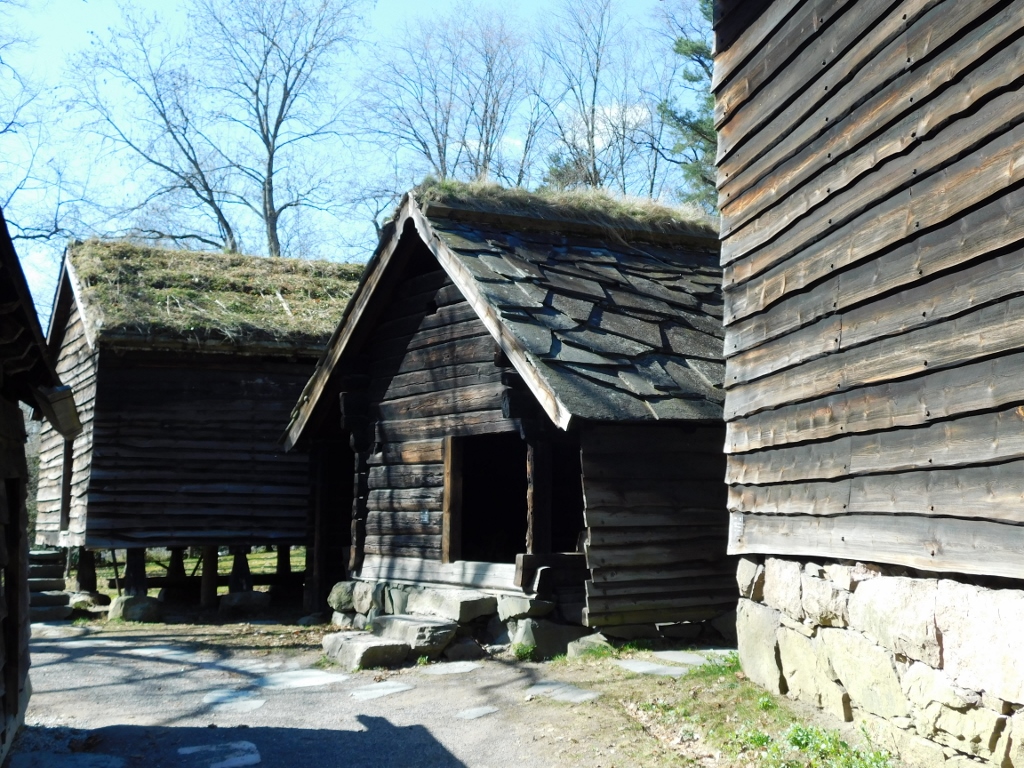
Soon, I arrived at a group of houses from the Hardanger region, which served similar functions as other houses on agricultural farms. Some were for people, for living, cooking and laundry; some were for storing products made; some for livestock or hay; and some for tools. Or a combination of these purposes.
 The Norwegian Museum of Cultural History, a detail
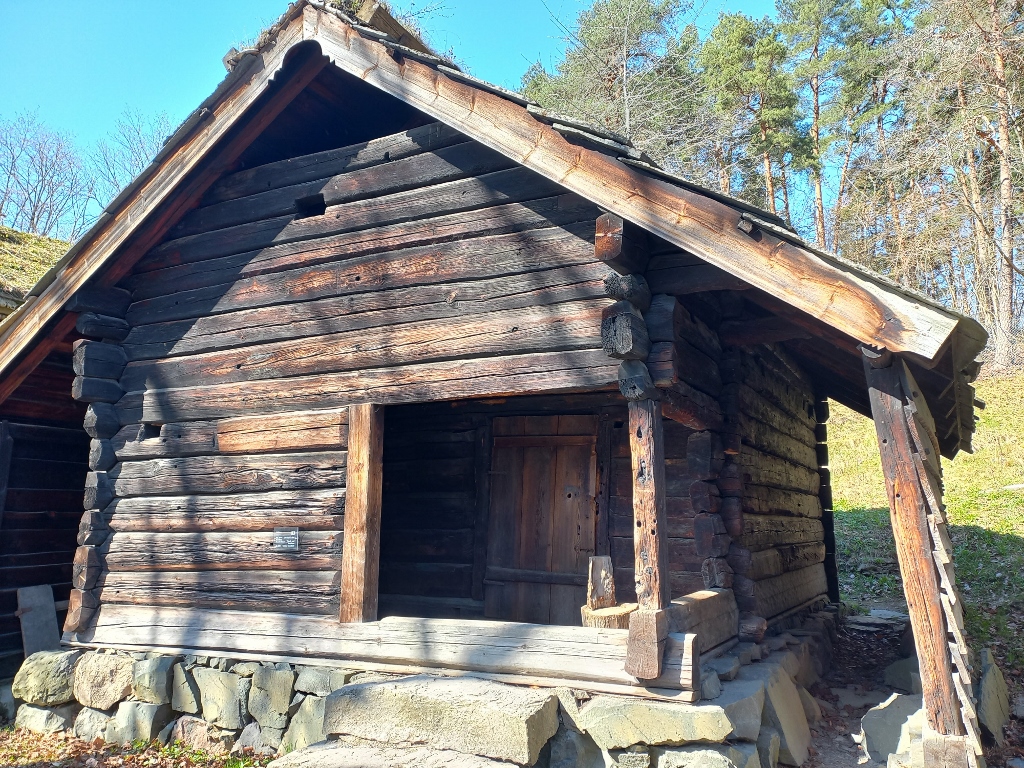
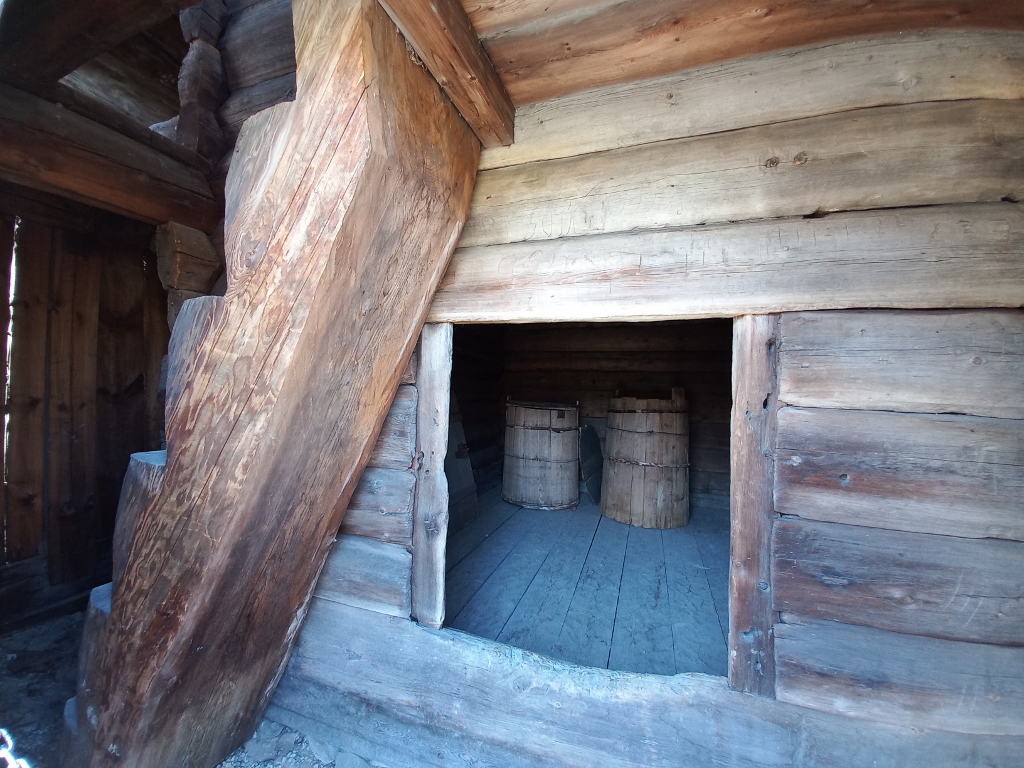
One detail that caught my attention, which I also noticed later in some other houses, is visible in the next photograph. Note the "wall" on the right-hand side and the semi-enclosed porch. I assume these features were designed to reduce the effect of drifting snow during the long, snowy Norwegian winters and to allow people to enter and exit the houses, as well as pass by them.
 The Norwegian Museum of Cultural History, a detail
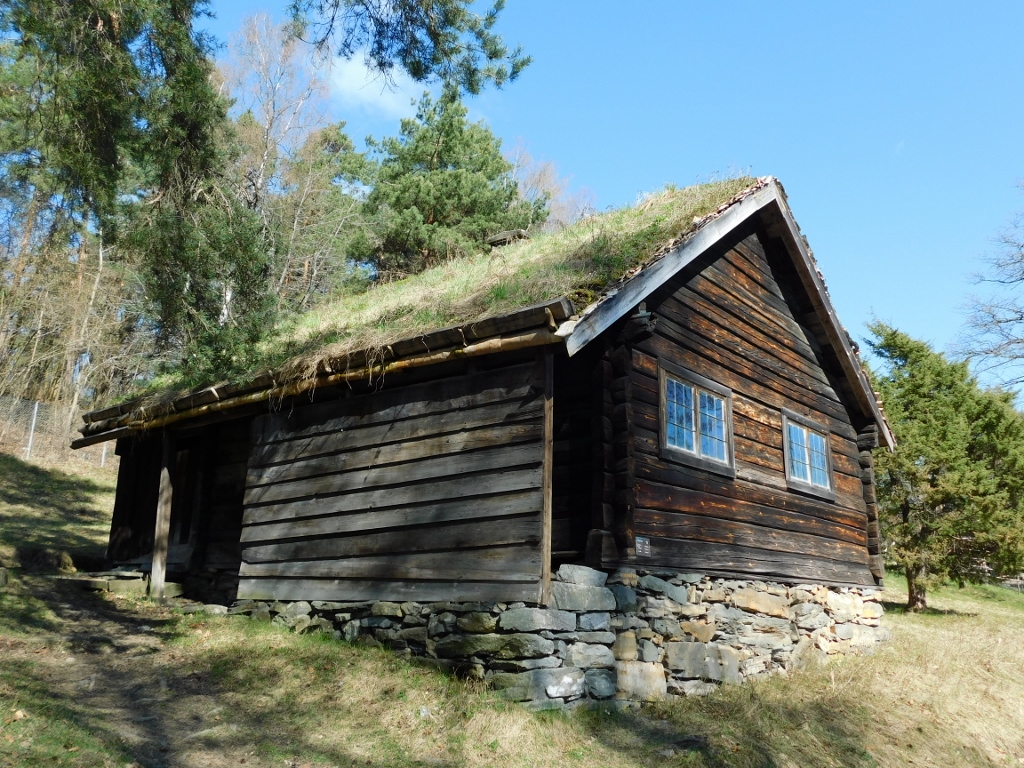
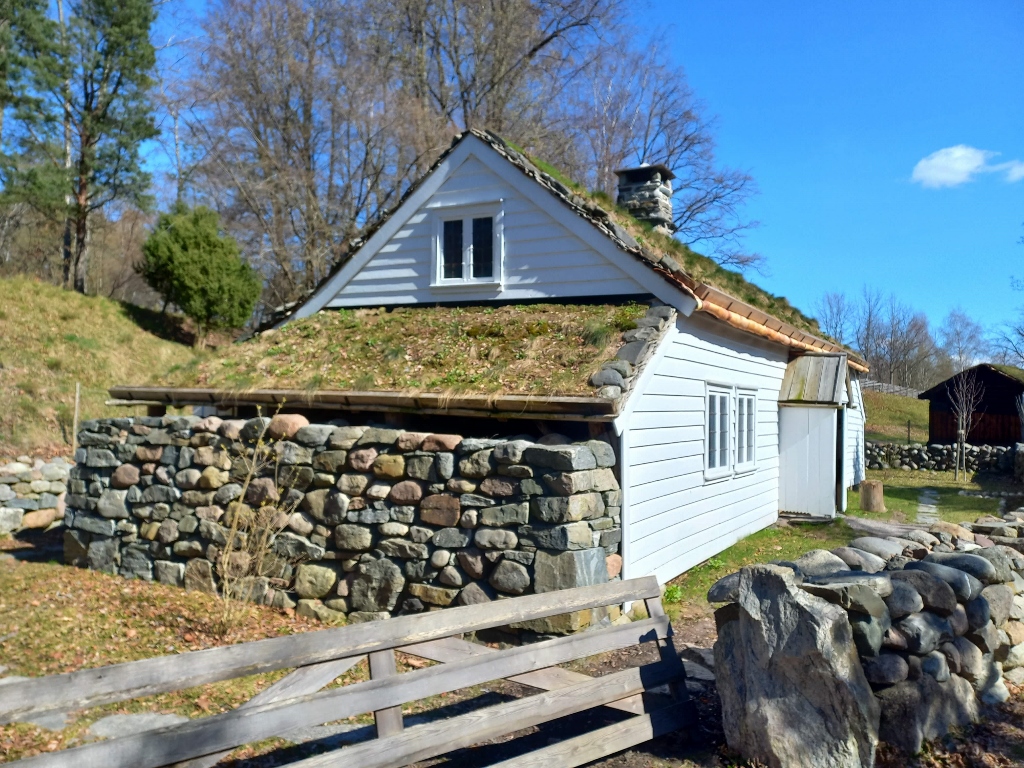
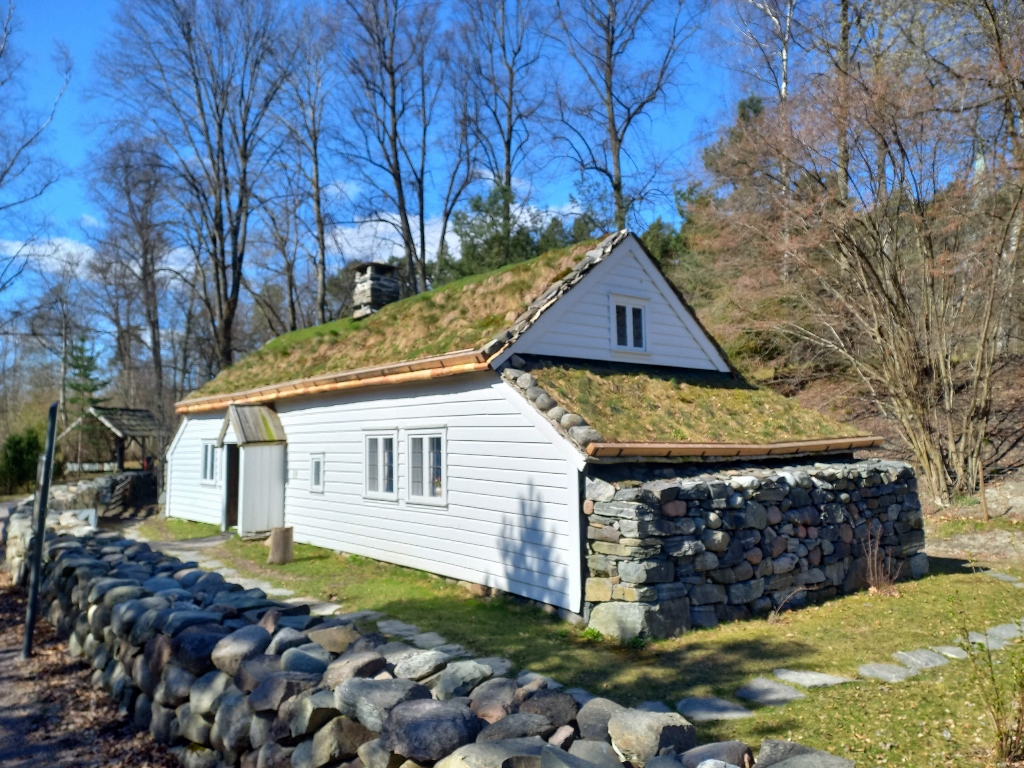
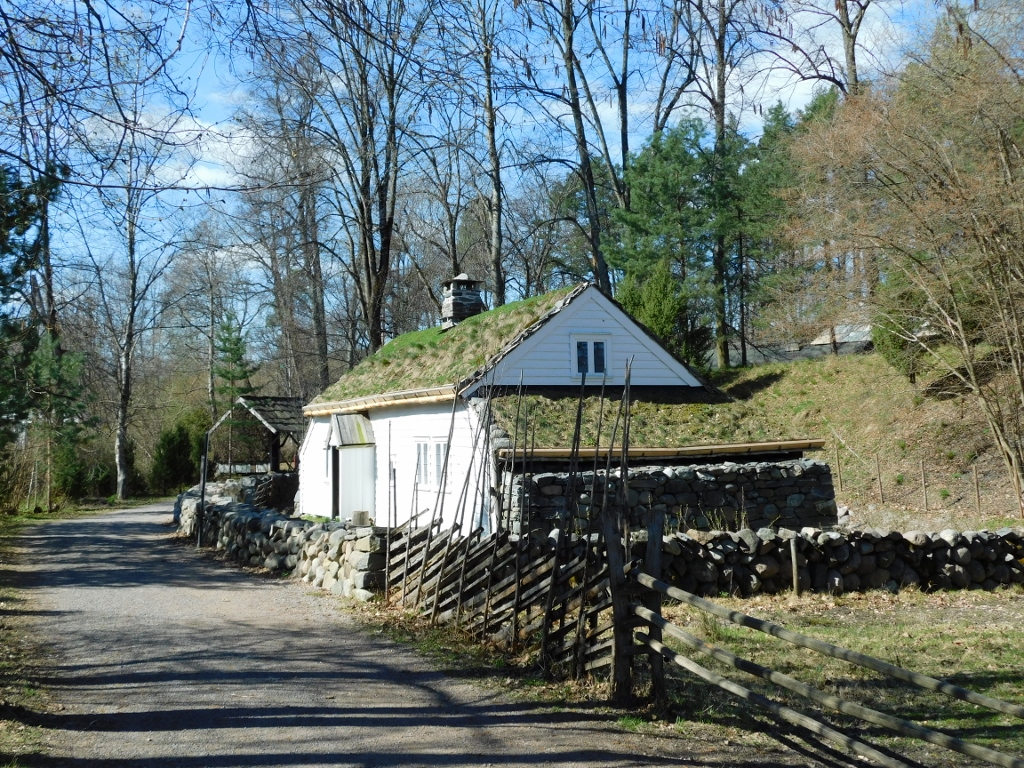
Eventually, I reached a house from south-western Norway that was built in 1845.
 The Norwegian Museum of Cultural History, a detail
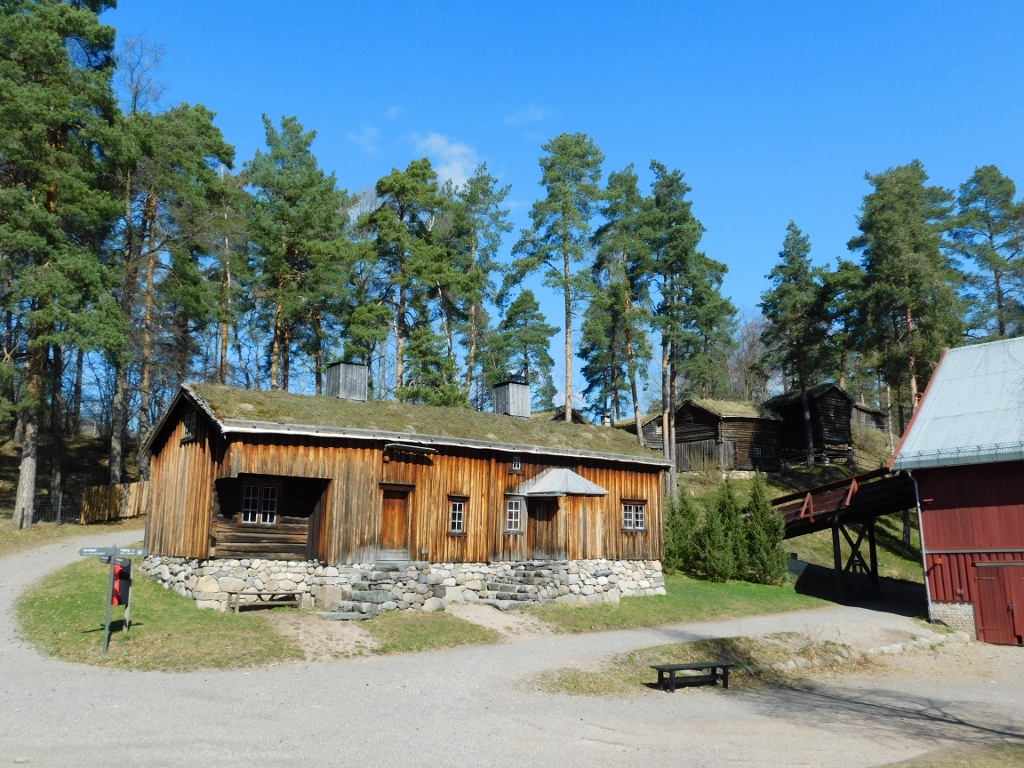
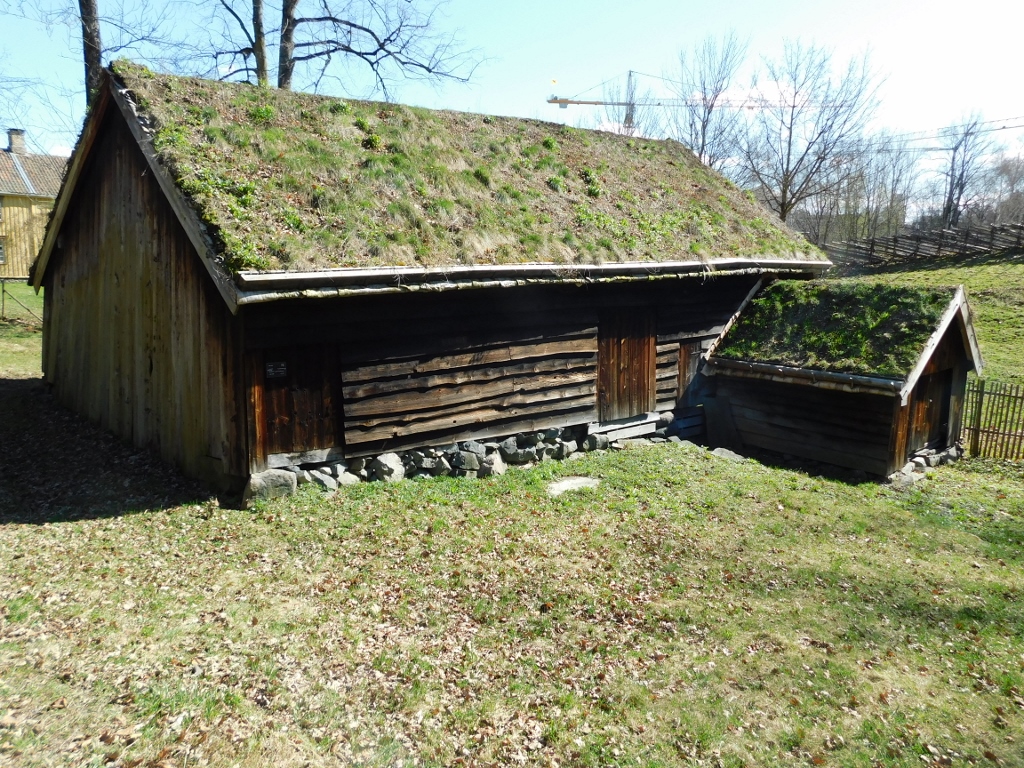
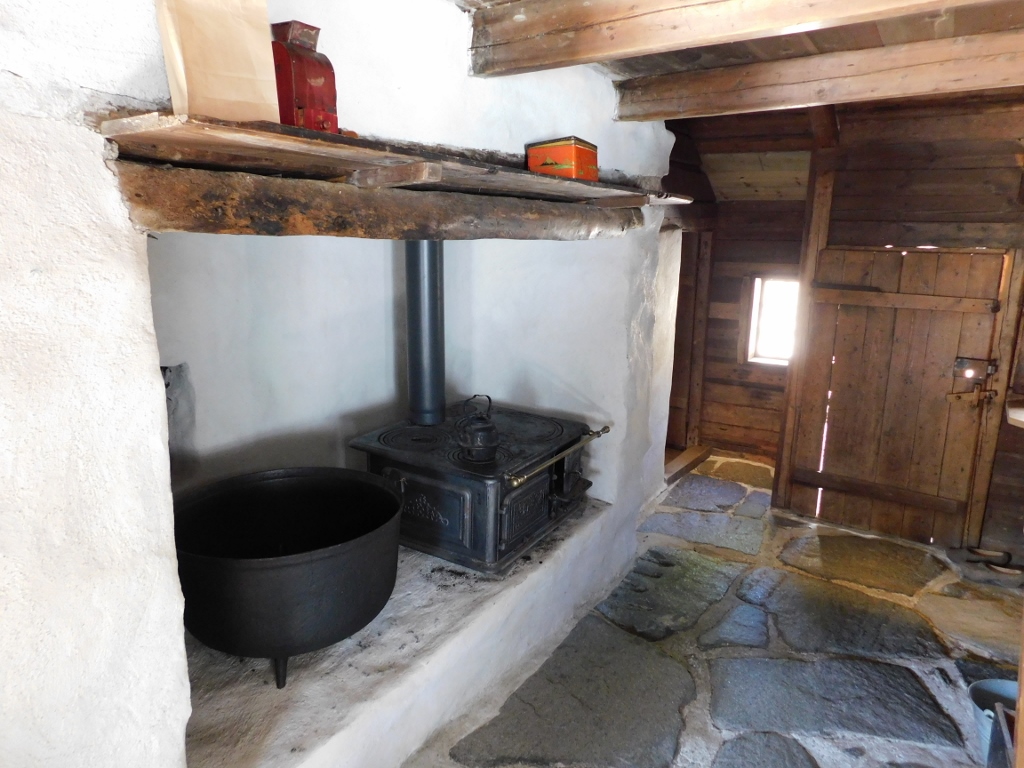
As I could notice in the case of some other buildings, this house also had a roof covered with a thin layer of earth and grass. Additionally, this type of house was typically built in coastal areas with less wood available, so stone was used in the construction. The houses also had side extensions (lean-tos) protected by stone, where peat was stored in order to be used as fuel.
 The Norwegian Museum of Cultural History, a detail
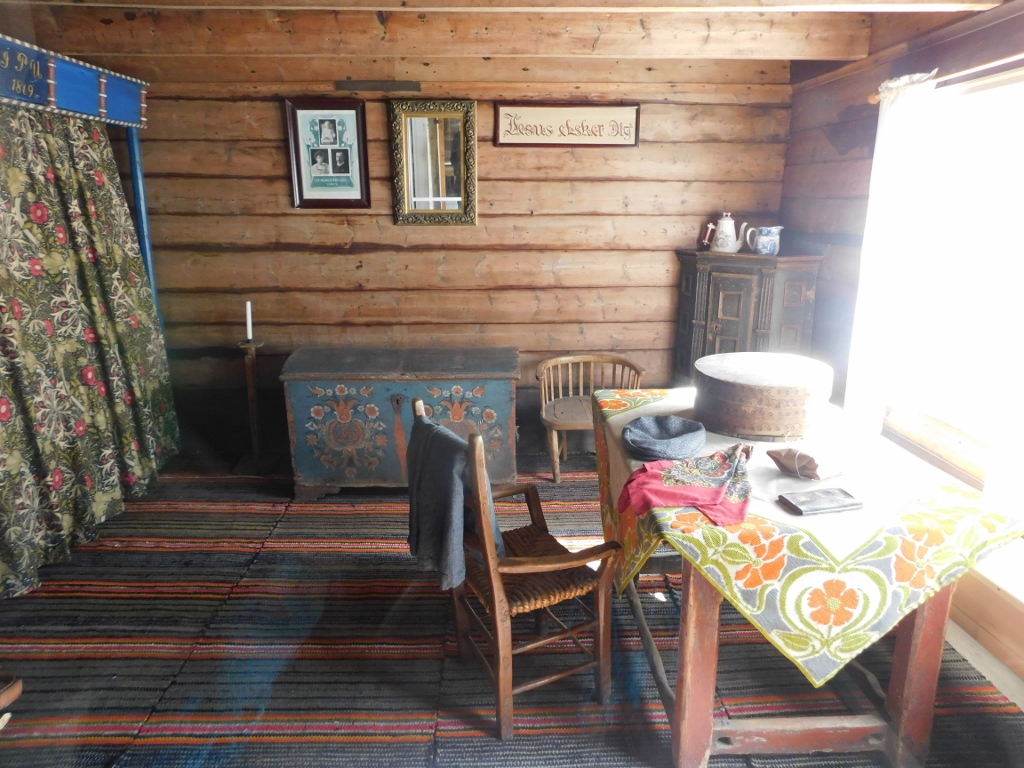
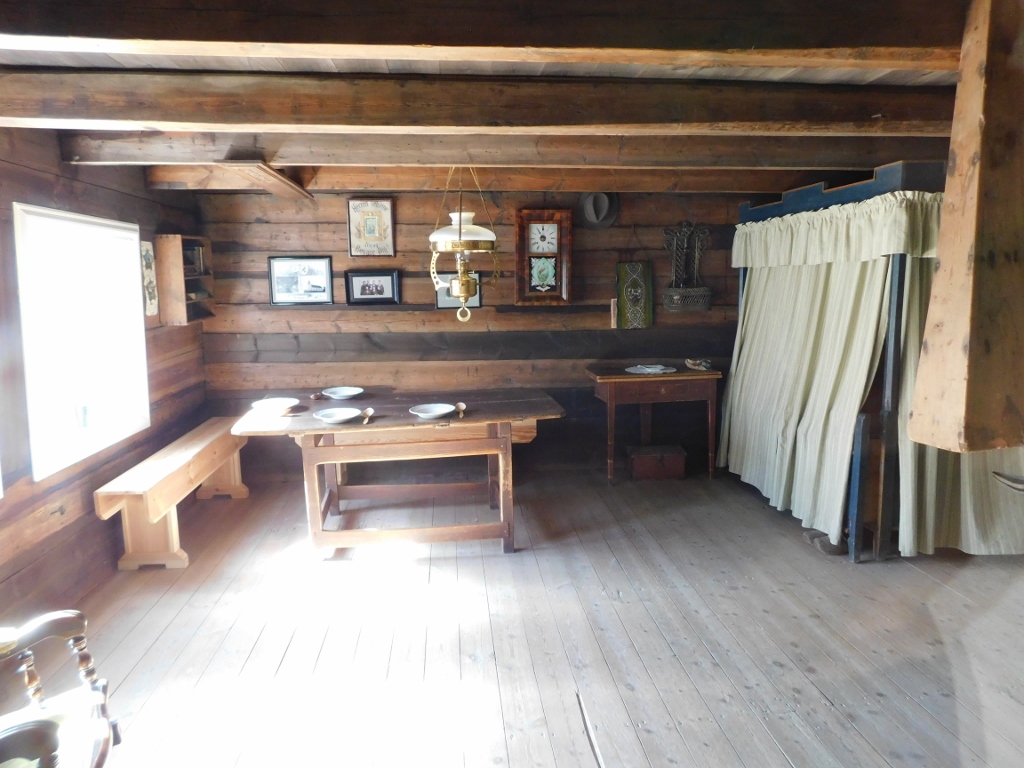
Here, I also went inside and took a closer look at the interior of the house.
 The Norwegian Museum of Cultural History, a detail
 The Norwegian Museum of Cultural History, a detail
 The Norwegian Museum of Cultural History, a detail
 The Norwegian Museum of Cultural History, a detail
As I continued along the wide path, I glanced back once more at this house that I found particularly charming.
 The Norwegian Museum of Cultural History, a detail
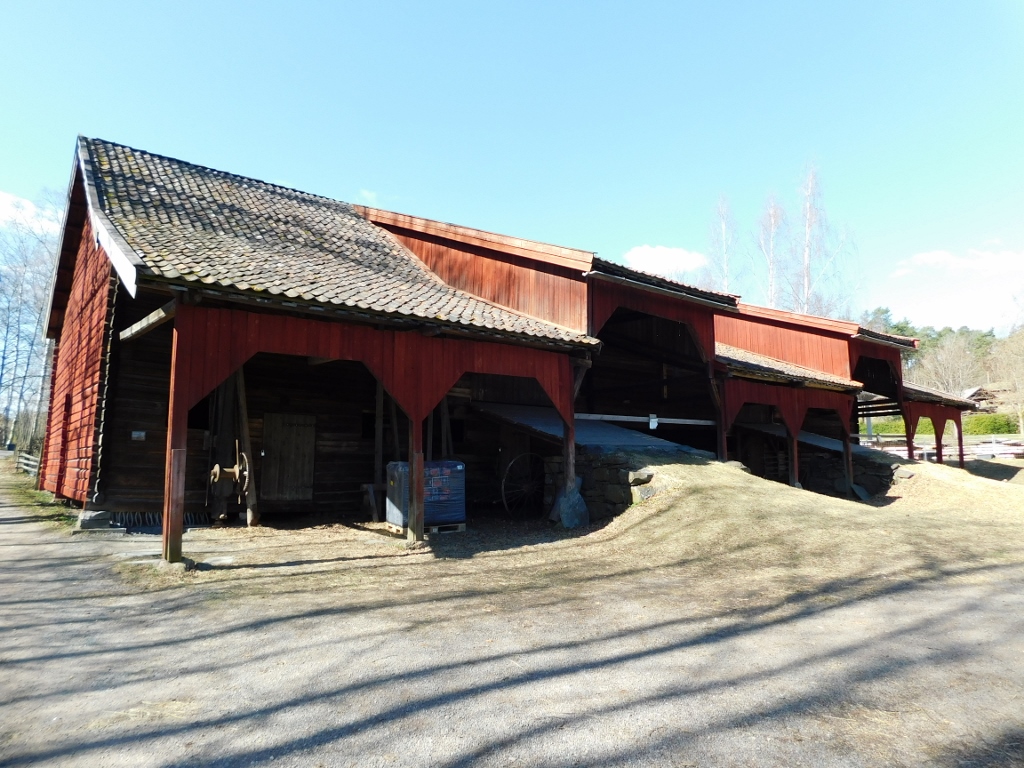
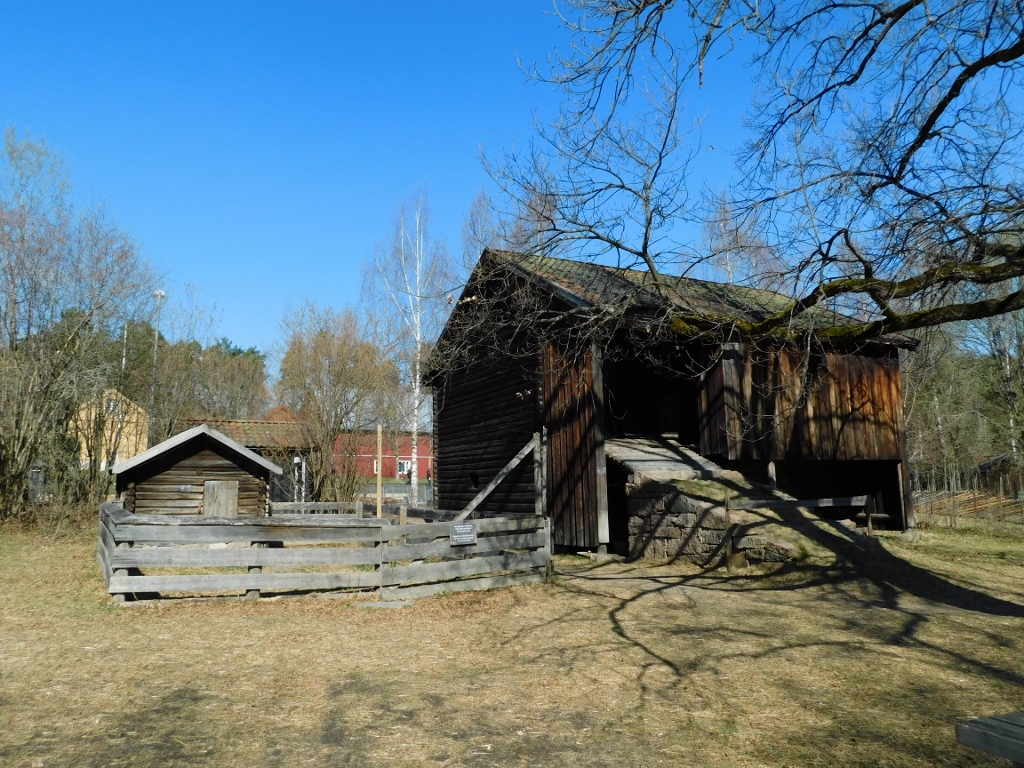
Soon, I arrived at a large structure from 1838 that used to serve as a complex barn. Such buildings were common on large agricultural farms in the south-western part of the country.
 The Norwegian Museum of Cultural History, a detail
The building features two stories in the part where threshing was done, as well as ramps for horse-drawn carts used to bring in the grain. Inside the building, there is also a room for storing grains and a stable for horses.
A similar ramp can be seen on a smaller structure that served both as a granary and a stable for horses, which were considered the most valuable agricultural animals. To the left of this structure is a smaller building with an enclosed area, which was used as a pigsty.
 The Norwegian Museum of Cultural History, a detail
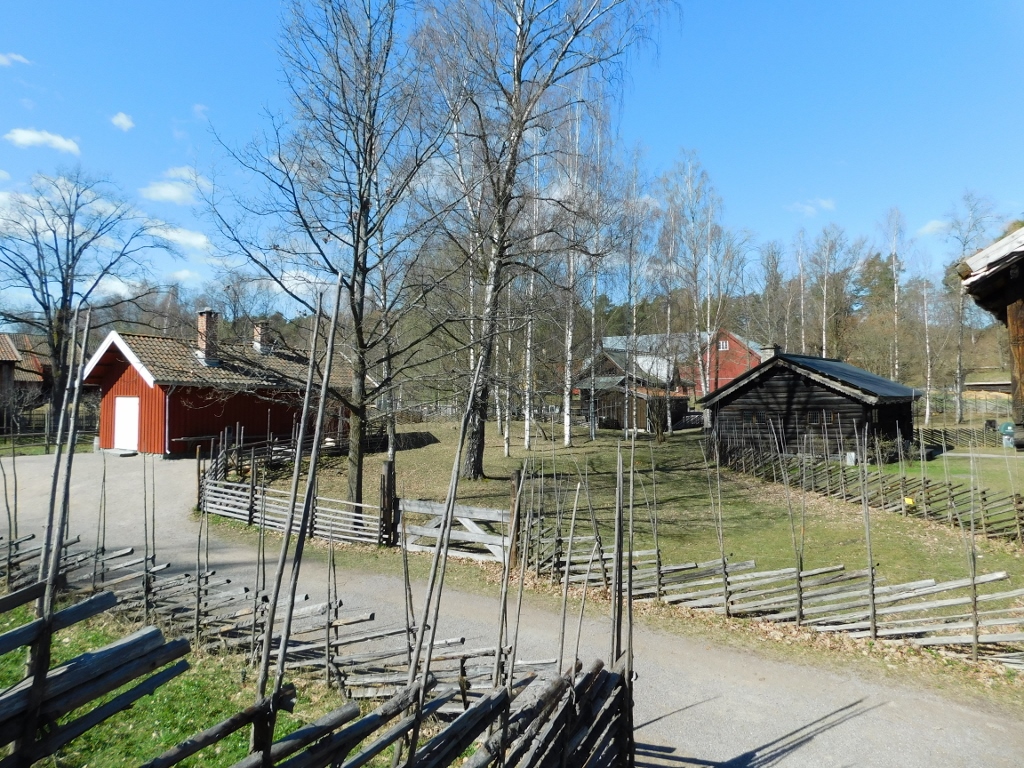
The buildings in this open-air museum are organised by the regions from which they originate, while different parts are enclosed by traditional wooden fences.
 The Norwegian Museum of Cultural History, a detail
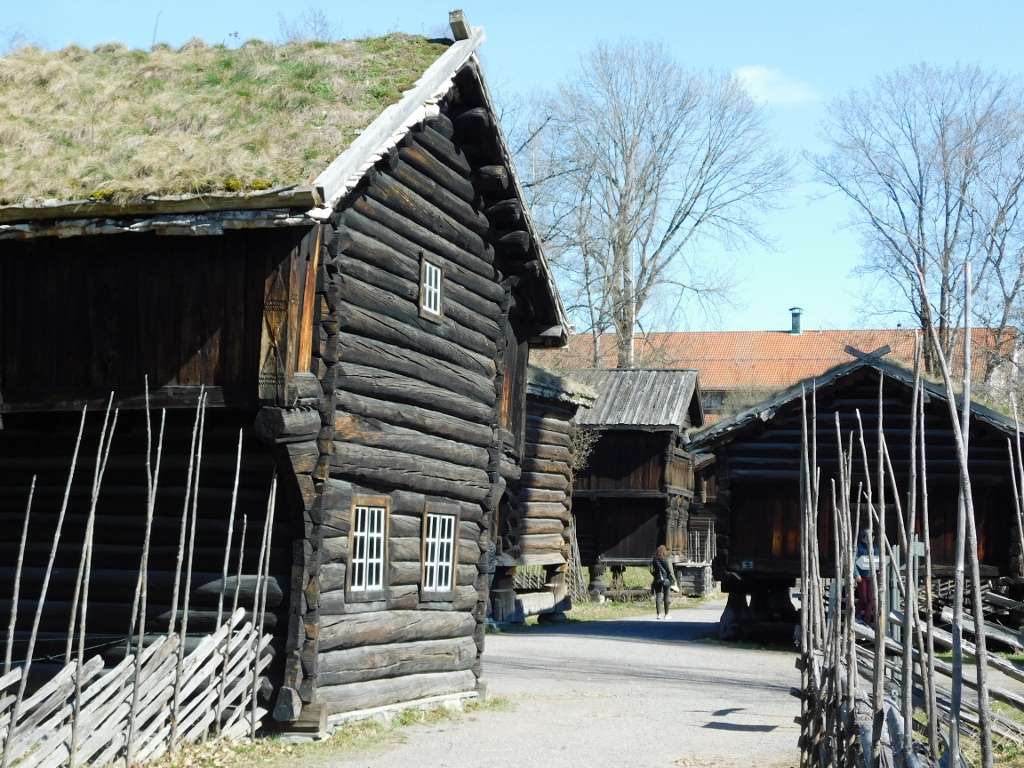
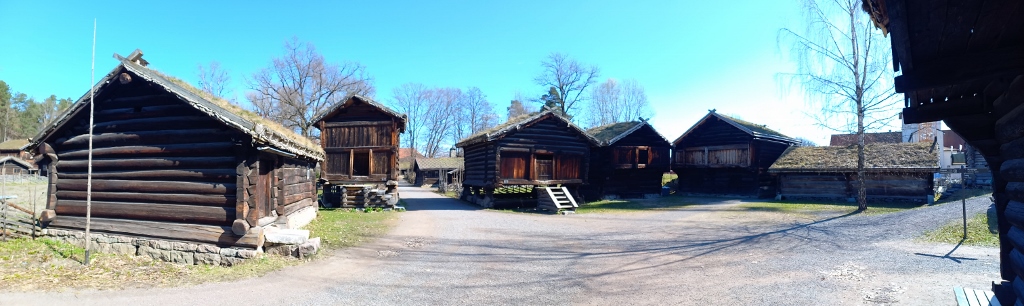
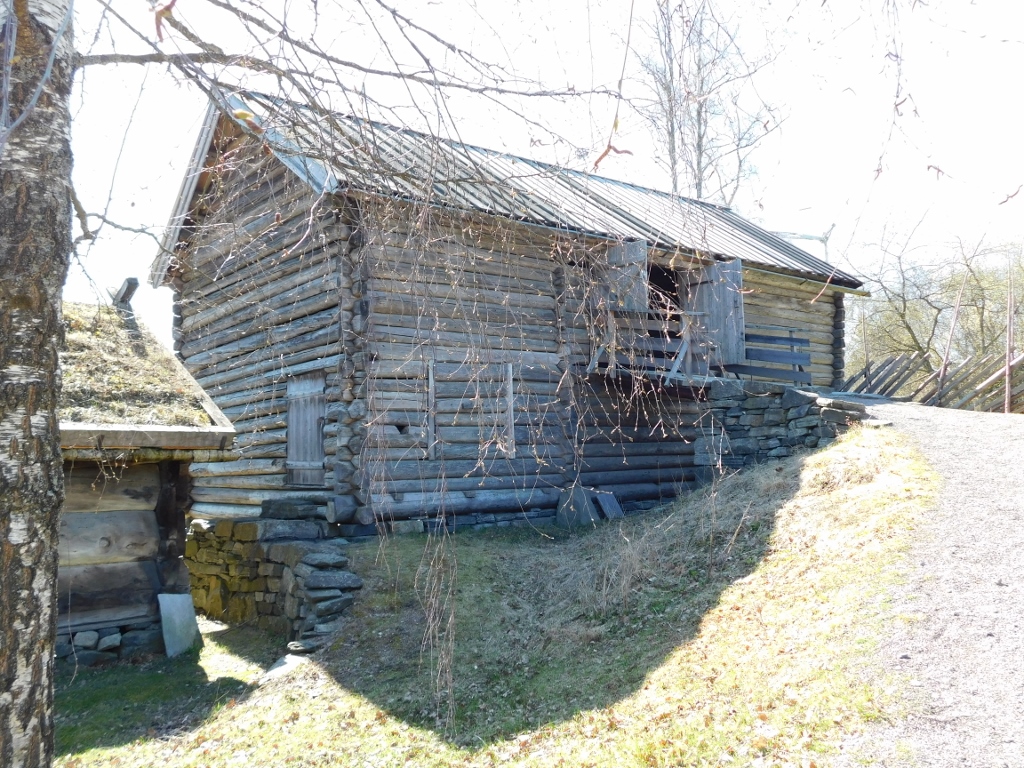
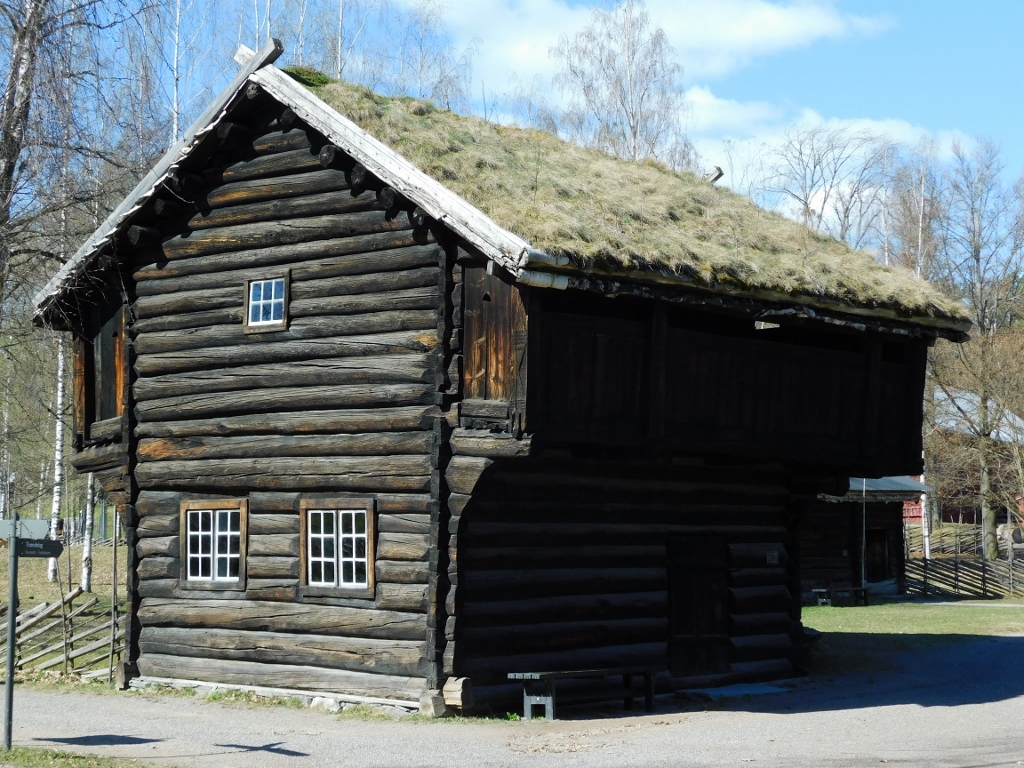
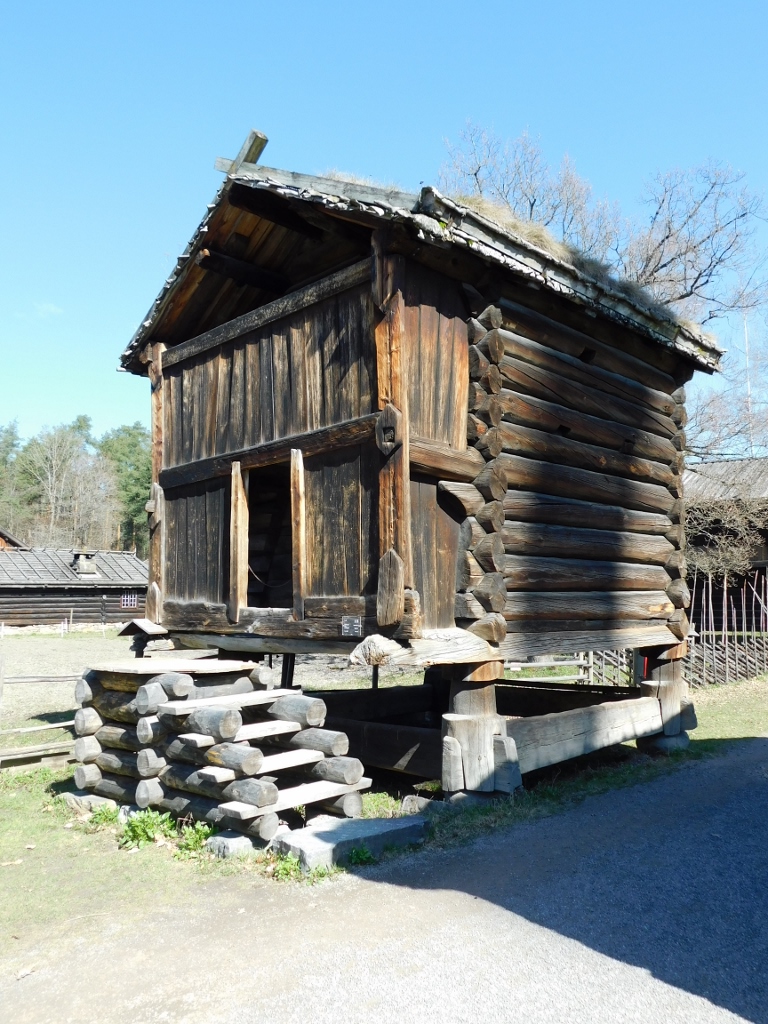
The next region displayed is Hallingdal, located about 150 km northwest of Oslo. The buildings are arranged around a courtyard, vividly illustrating how various structures used for different purposes were built around a shared central space.
 The Norwegian Museum of Cultural History, a detail
 The Norwegian Museum of Cultural History, a detail
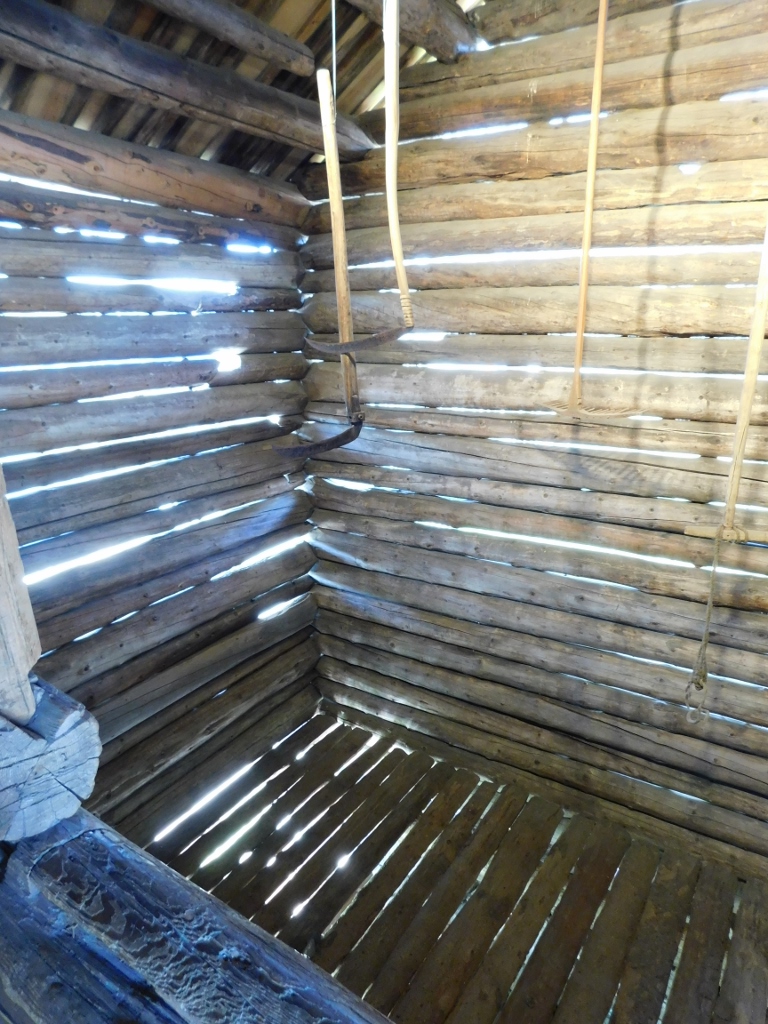
Here, I climbed the ramp of one building in order to see how the interior was organised and this is clearly visible in the second photograph – from the upper level, you can see a room that extends the full height of the building, where hay was pitched from above.
 The Norwegian Museum of Cultural History, a detail
 The Norwegian Museum of Cultural History, a detail
Here, too, you can see grass-covered roofs, while some of the smaller buildings served as goat stables.
 The Norwegian Museum of Cultural History, a detail
 The Norwegian Museum of Cultural History, a detail
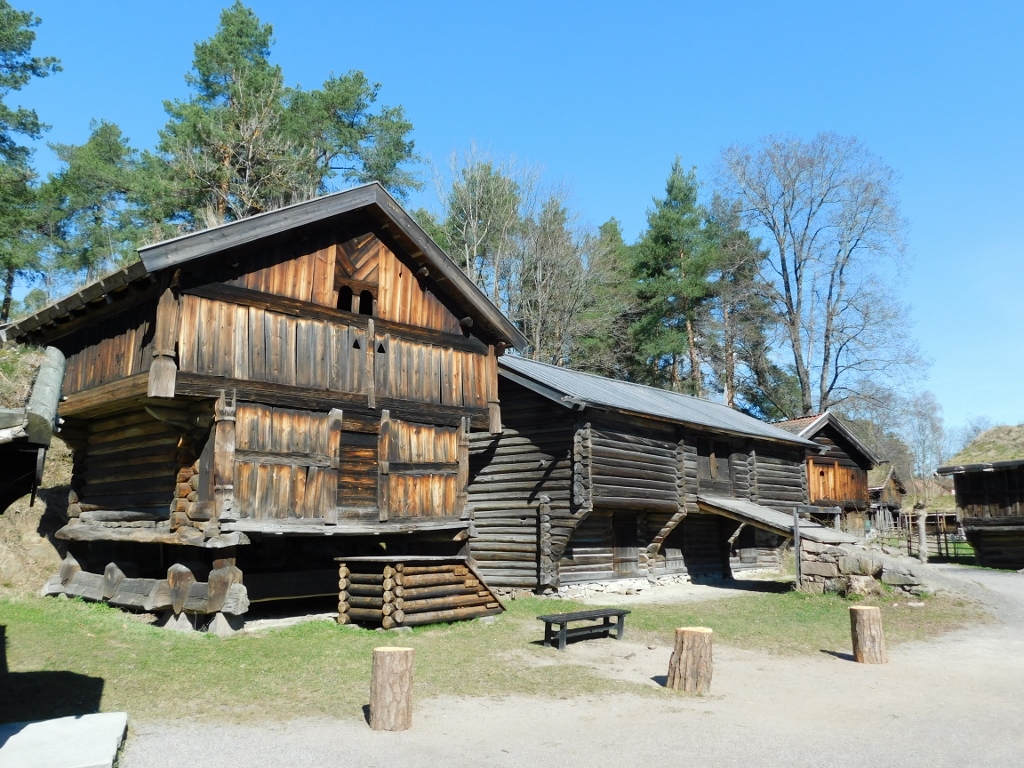
The next group of buildings is from the Numedal region, located west of Oslo, which is also organised around a central courtyard.
 The Norwegian Museum of Cultural History, a detail
In the previous photo, on the left side, you can see a house the ground floor of which was built around 1209 and that served as a large storehouse. In the elevated ground floor (as the house is raised), which is the oldest part of the building, food was stored, while textiles, clothing, and beds were kept on the upper floor. Originally, the first level stood on large stone blocks, but in the 18th century, it was raised onto wooden pillars.
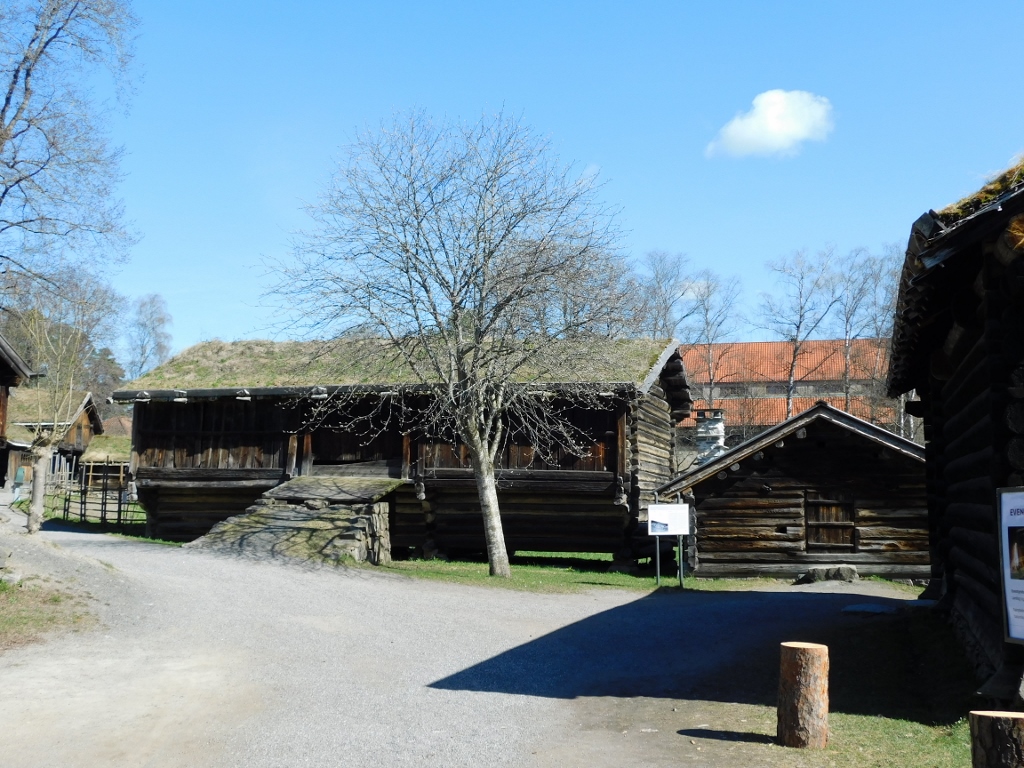
Next to this building is a wooden stable from the second half of the 18th century, used for housing horses, sheep and heifers, with hay stored in the upper floor. This stable has a ramp for hay delivery, while its roof is made of wooden planks, which was common in this region.
Another building within this courtyard features a ramp for hay delivery and a grass-covered roof. This is a stable from the 17th century.
 The Norwegian Museum of Cultural History, a detail
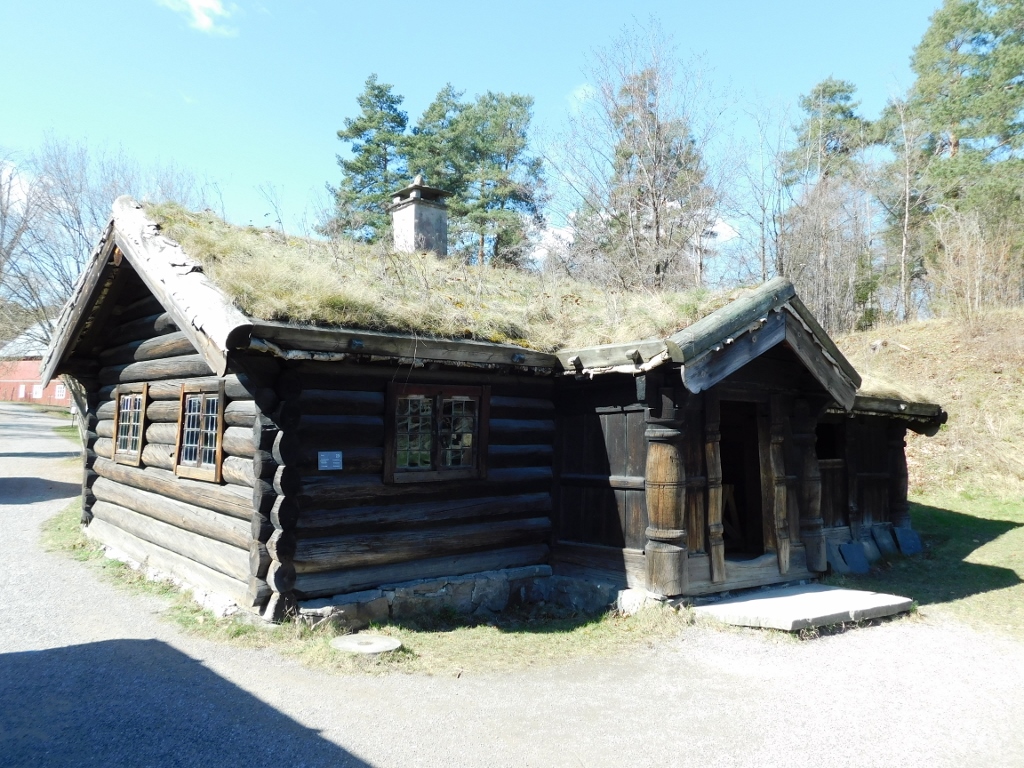
A farmhouse from the second half of the 18th century also comes from this region.
 The Norwegian Museum of Cultural History, a detail
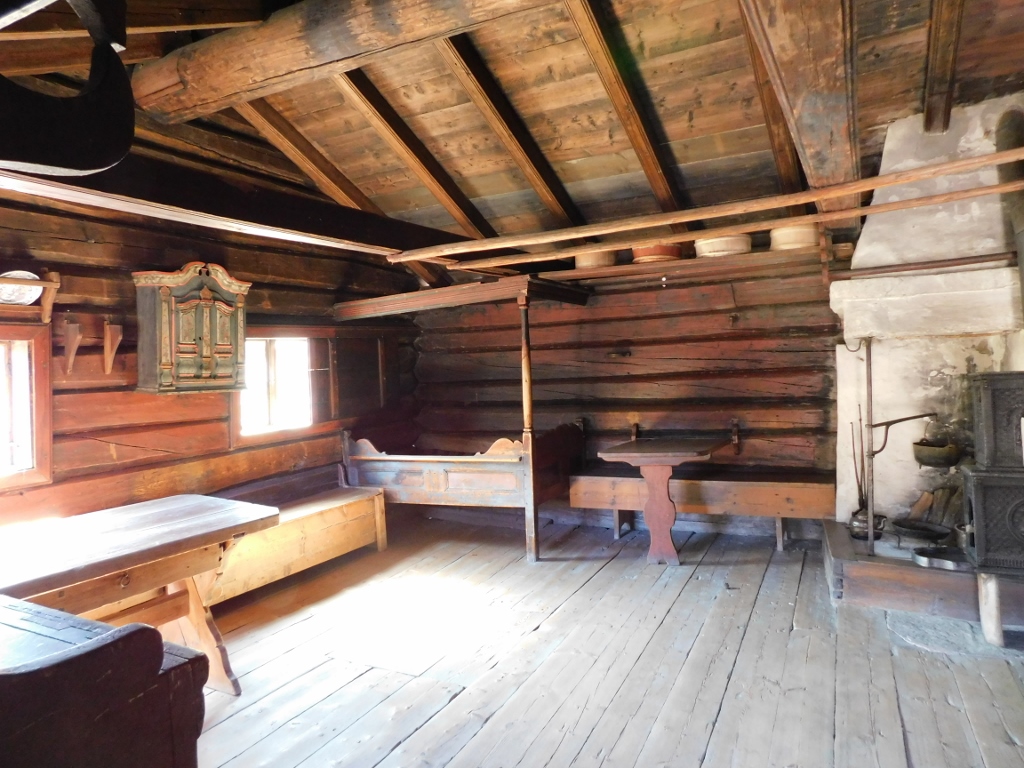
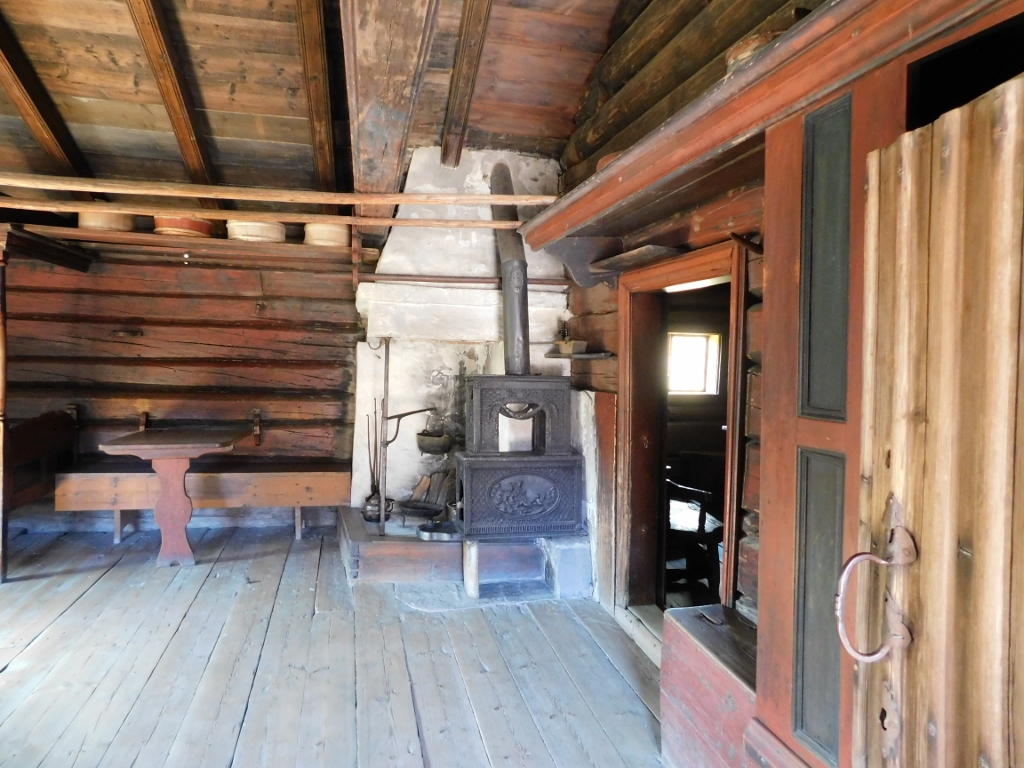
The house, which looks charming and fairy-tale-like from the outside, has a very simple ground plan and it consists of just two rooms. The entrance is positioned in the middle, but it practically leads directly into the main room, from which you enter a smaller room.
 The Norwegian Museum of Cultural History, a detail
 The Norwegian Museum of Cultural History, a detail
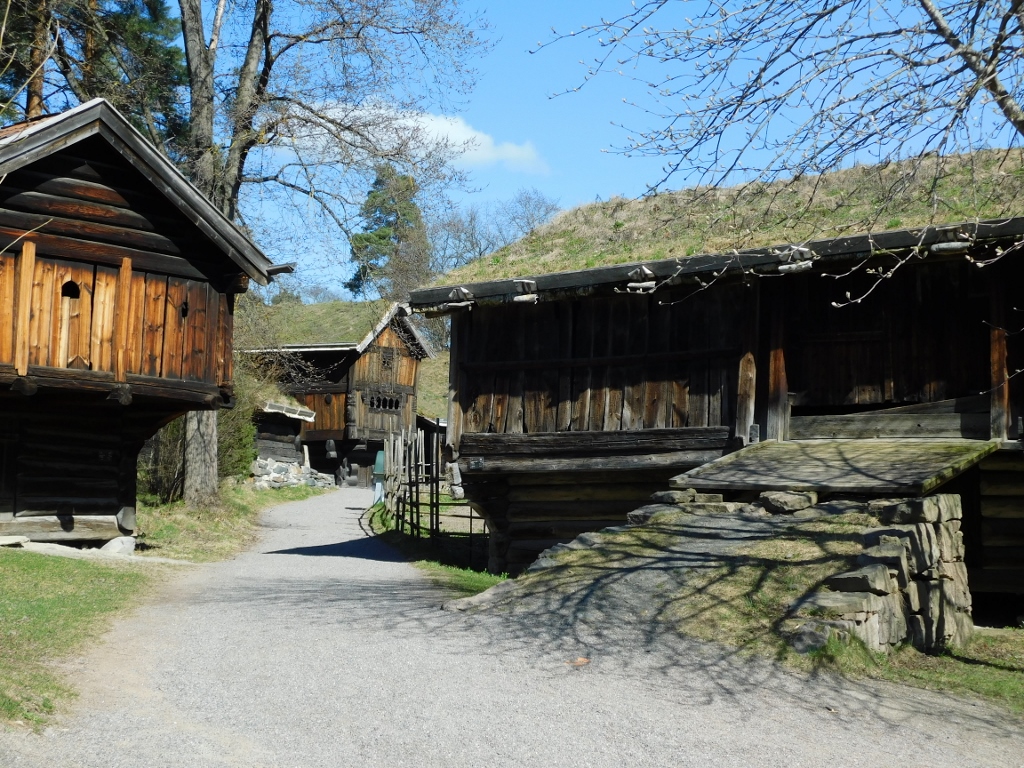
Then I moved on to the next group of buildings, which come from the Setesdal region in southern Norway.
 The Norwegian Museum of Cultural History, a detail
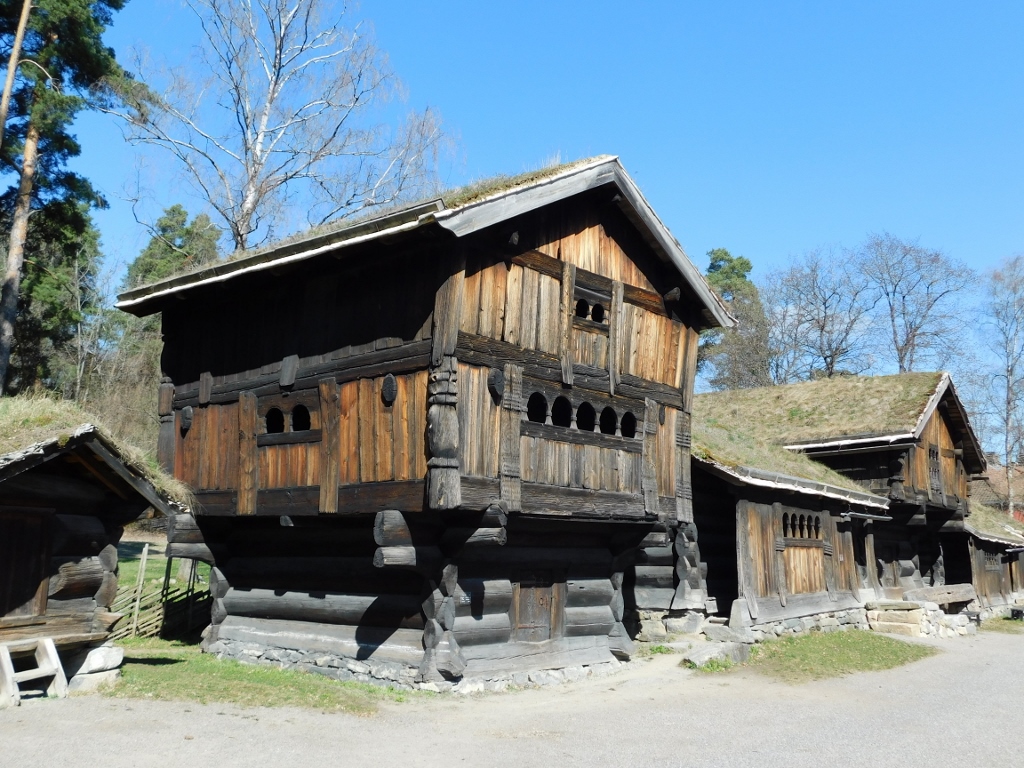
Here, I first came across a building from the second half of the 17th century that served both as storage and as living quarters in the loft. It is unusual that it has three stories.
 The Norwegian Museum of Cultural History, a detail
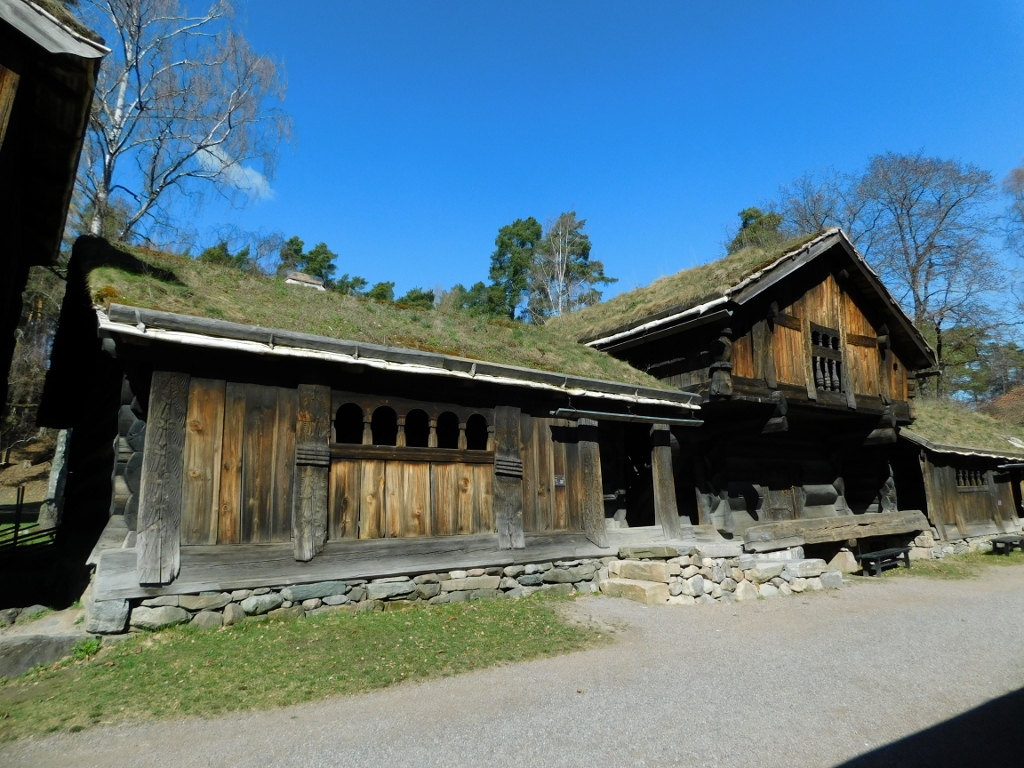
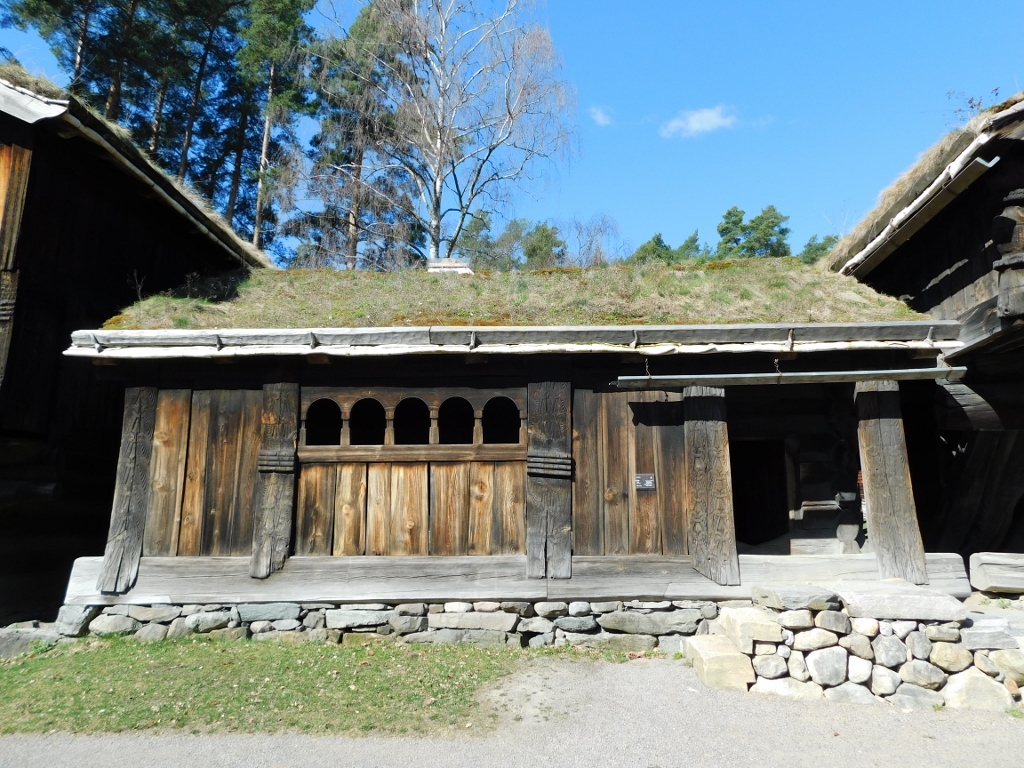
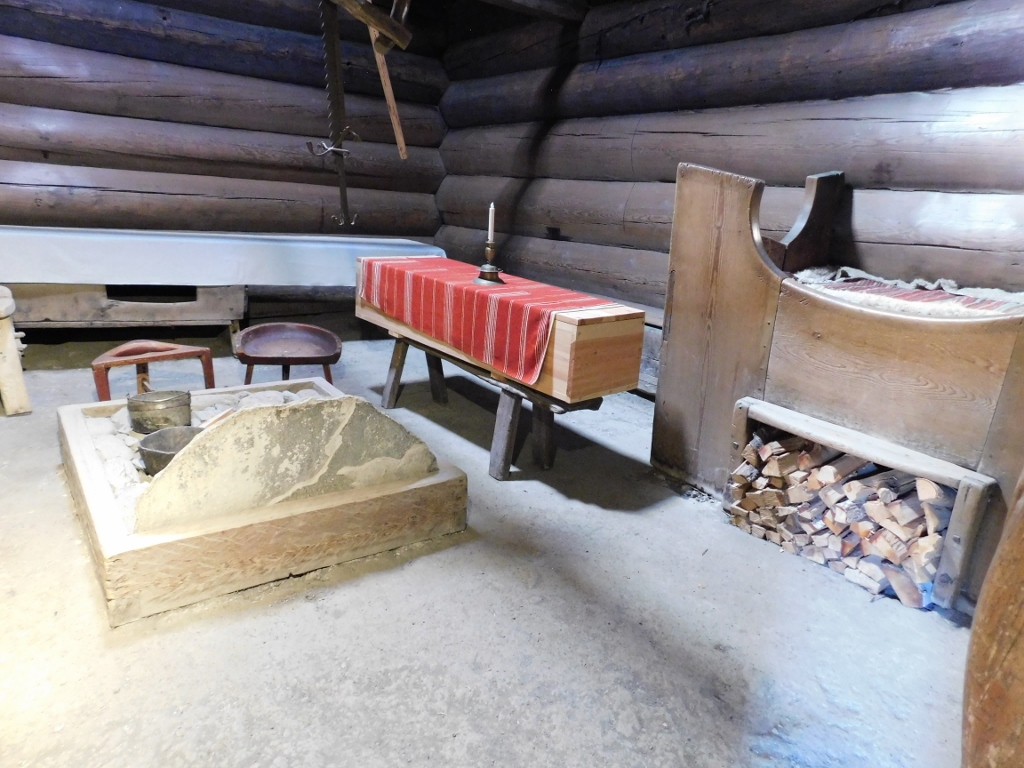
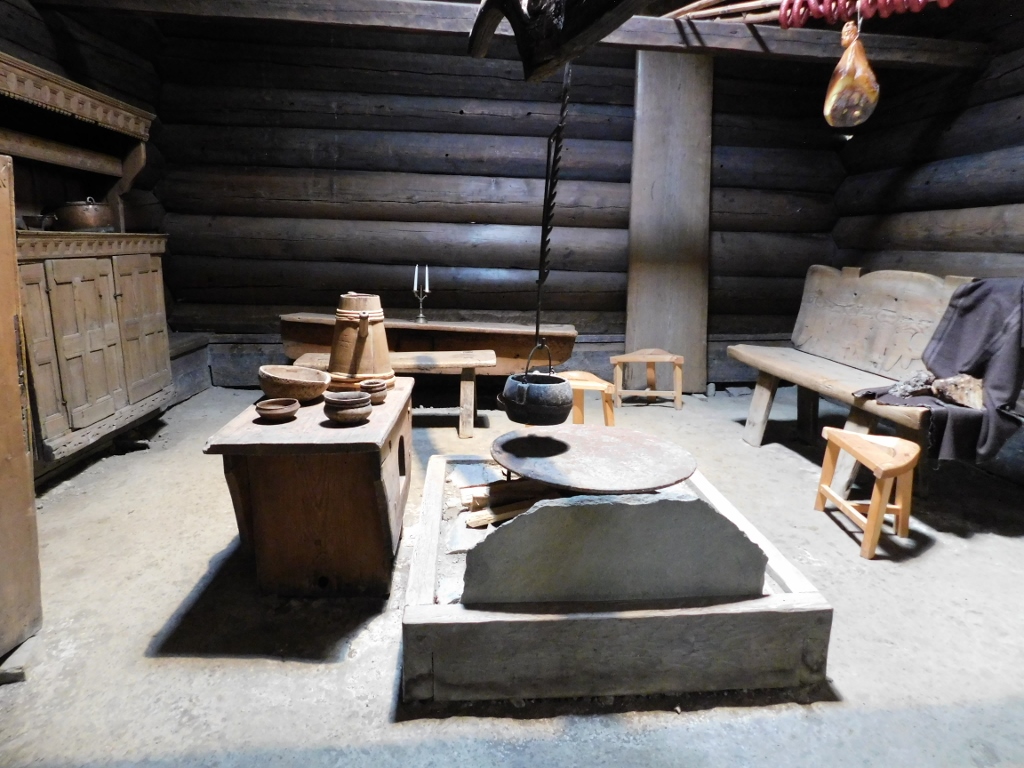
Next is a house with an open hearth, built around 1700.
 The Norwegian Museum of Cultural History, a detail
 The Norwegian Museum of Cultural History, a detail
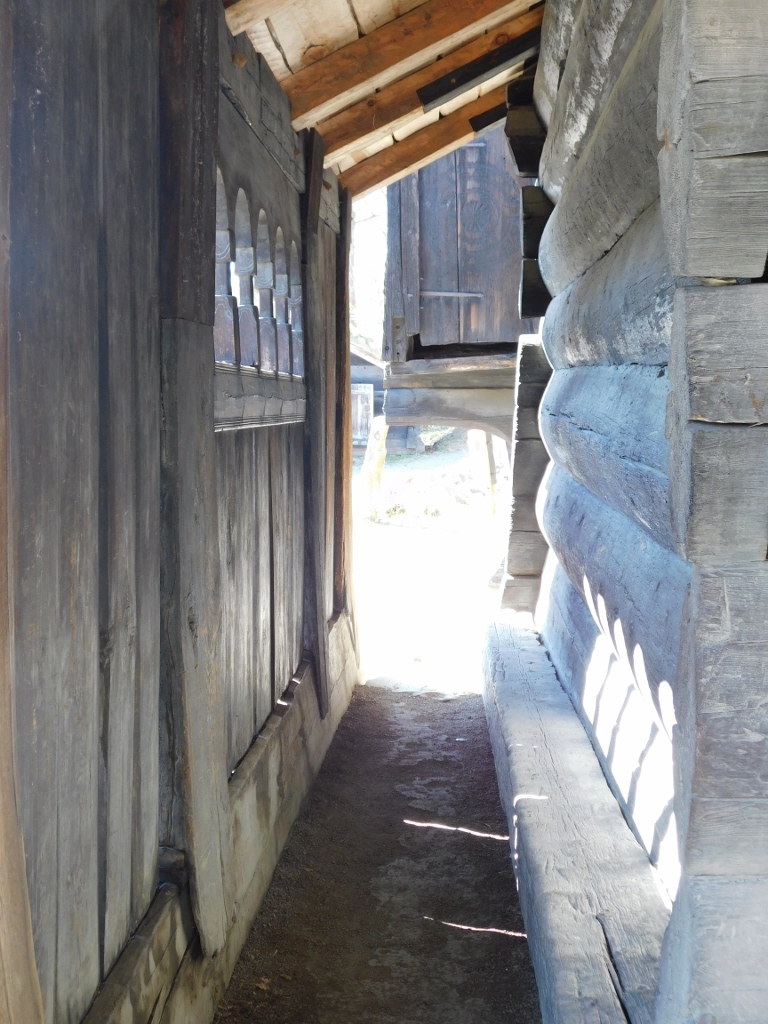
First, I took note of a type of enclosed porch with minimal openings for light. Then, I peered inside to see what the open hearth looked like.
 The Norwegian Museum of Cultural History, a detail
 The Norwegian Museum of Cultural History, a detail
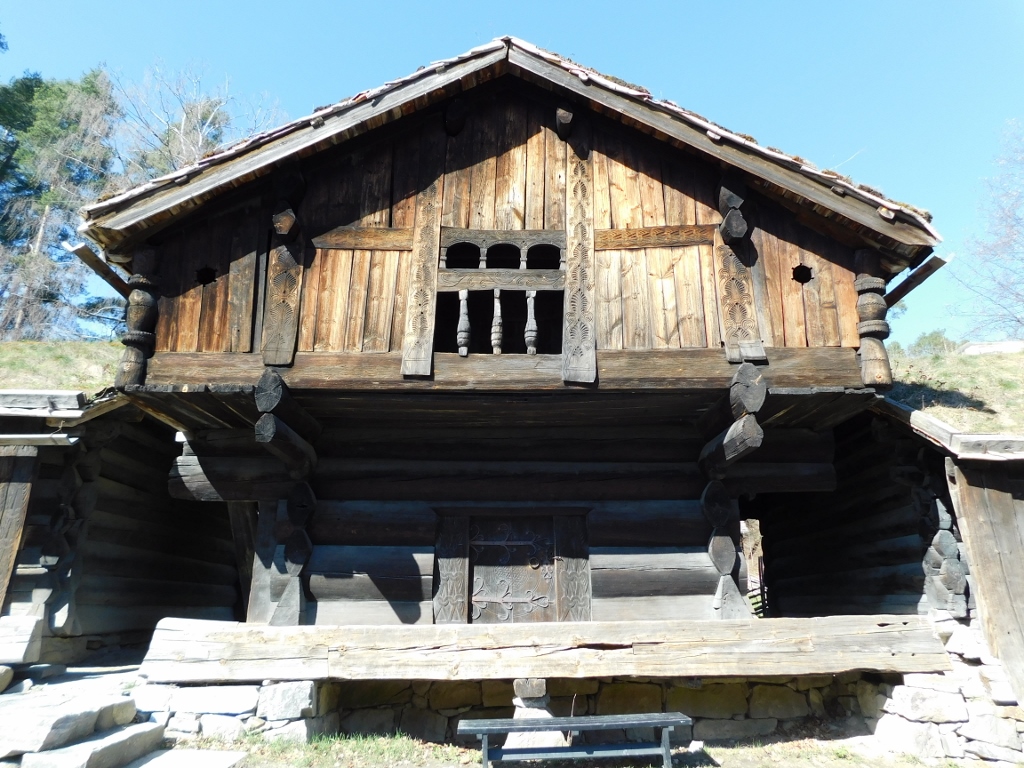
The third house in the sequence, built around 1700, is also a combination of storage space on the ground floor and living quarters on the upper floor. During the summer, both floors were used for sleeping.
 The Norwegian Museum of Cultural History, a detail
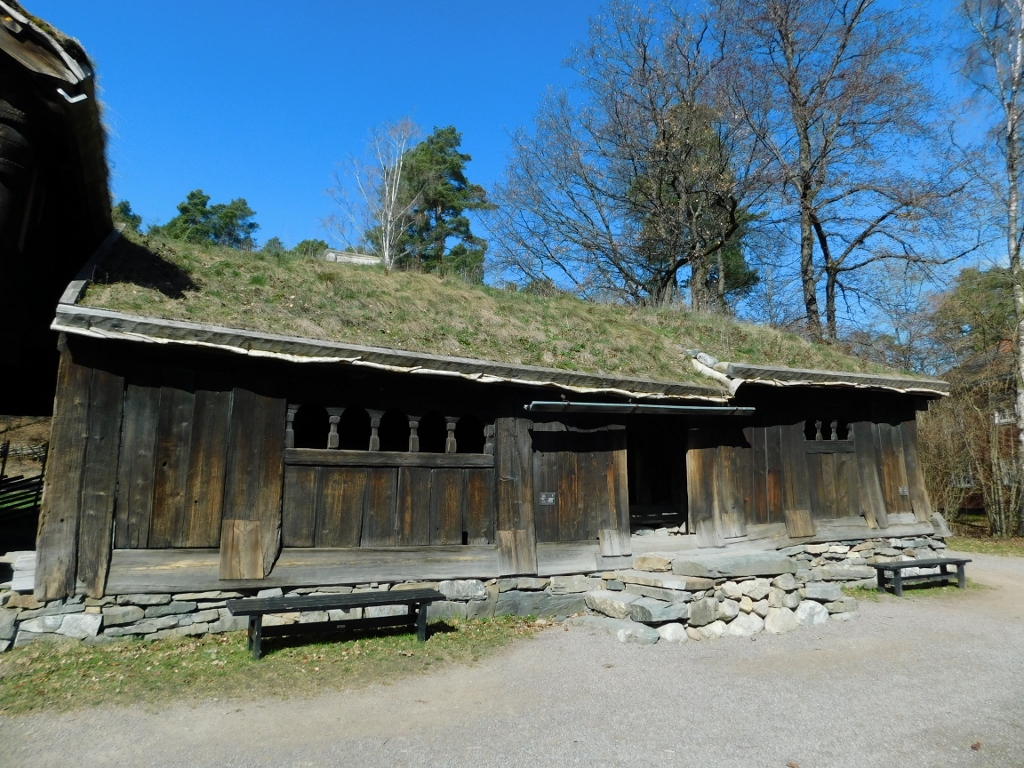
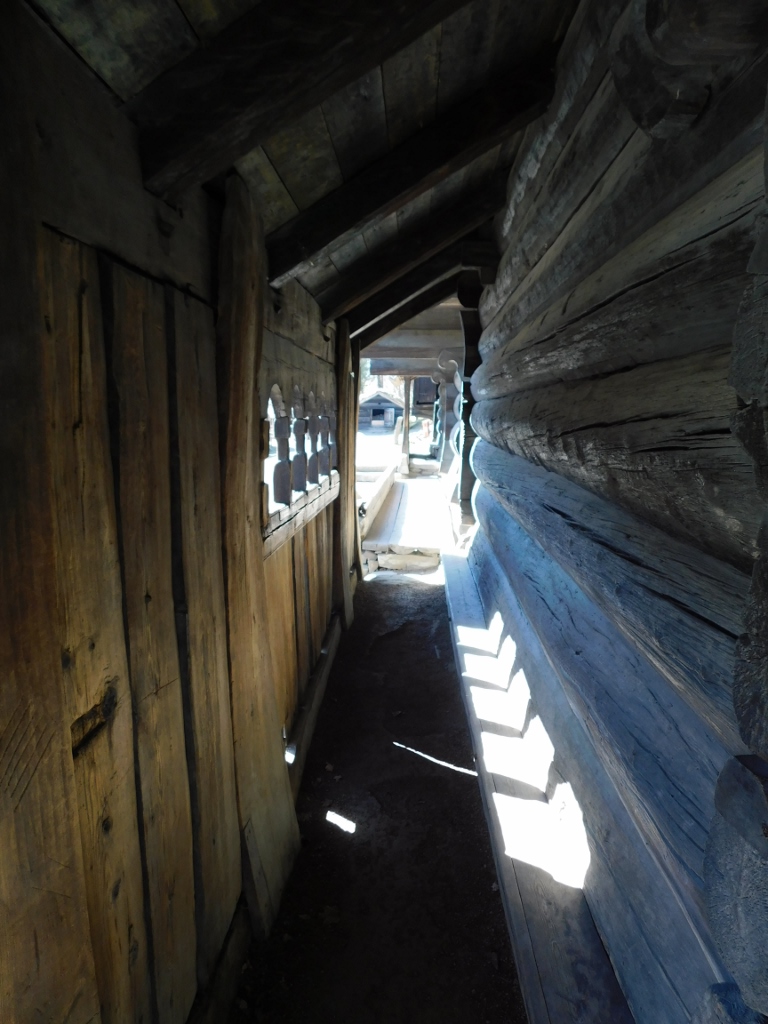
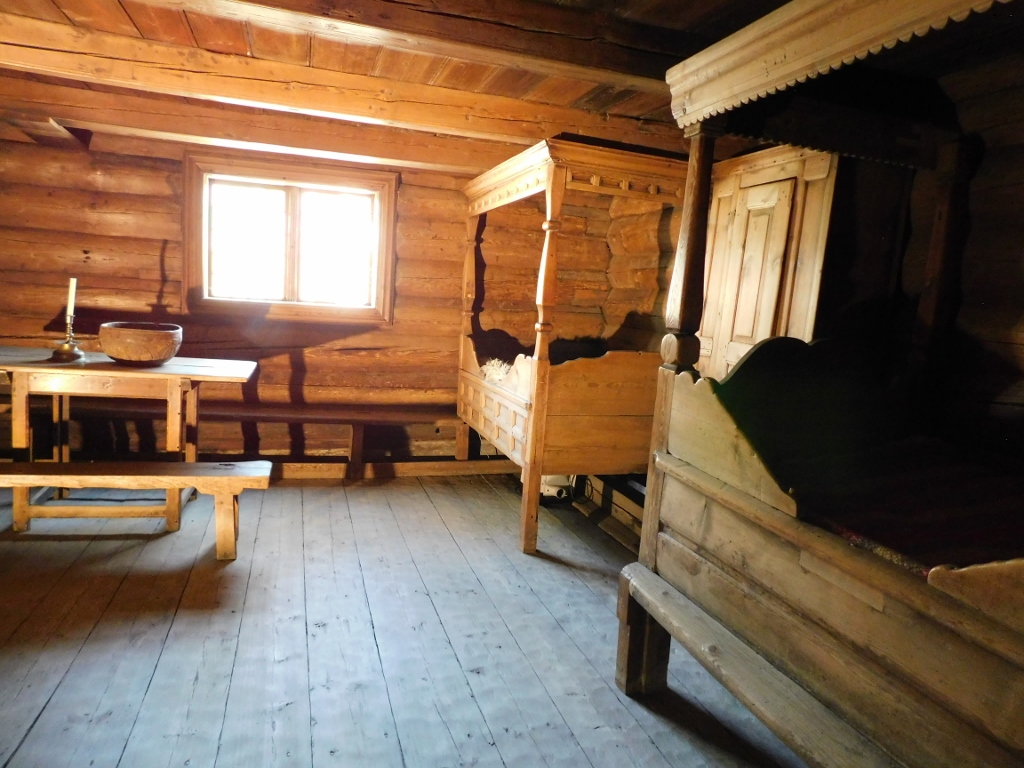
And finally, the fourth house in this series is a farmhouse from the second half of the 17th century, which also features an enclosed porch. Inside, the rooms are arranged to reflect what they would have looked like at the time of the original construction.
 The Norwegian Museum of Cultural History, a detail
 The Norwegian Museum of Cultural History, a detail
 The Norwegian Museum of Cultural History, a detail
 The Norwegian Museum of Cultural History, a detail
Since I wanted to join the guided tour organised by the museum on this day at 1 p.m., I concluded my visit to the open-air museum here. As I walked towards The Square within the museum, I passed by a structure typical of the Sami people whom I talked more about in the previous part of my Norway travelogue.
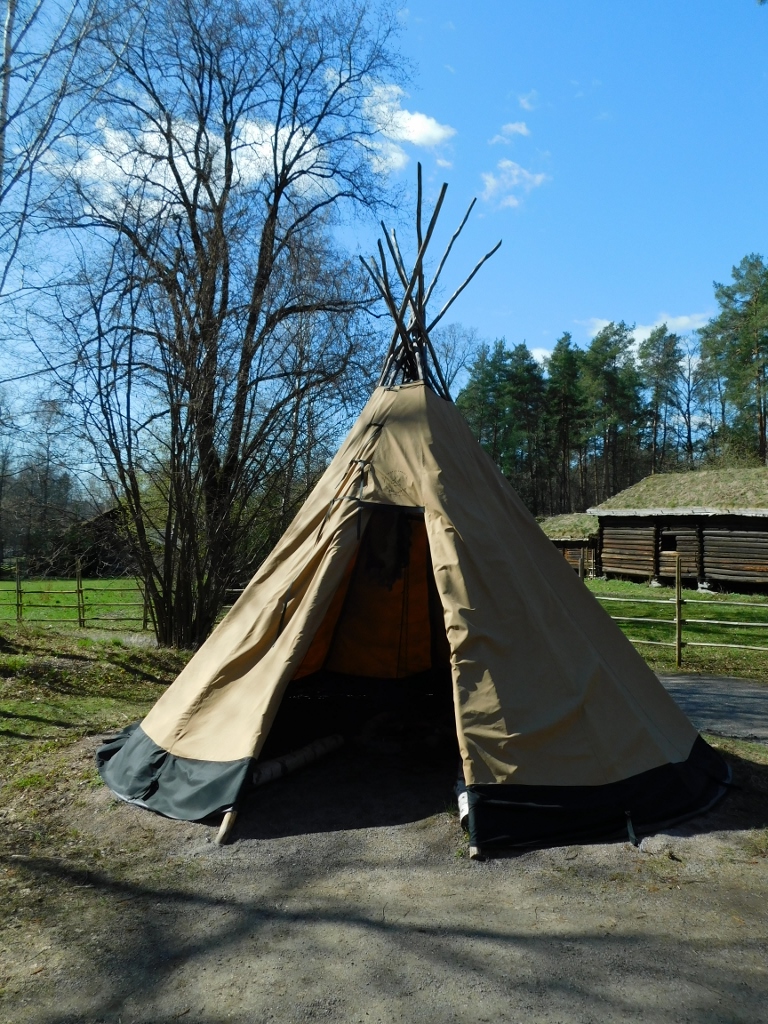 The Norwegian Museum of Cultural History, a detail
Now I returned to the larger buildings near the museum entrance, where the guided tour was being offered on that day. It was a fortunate coincidence for me and I was glad to take advantage of the opportunity. I arrived just 5 minutes before the tour started.
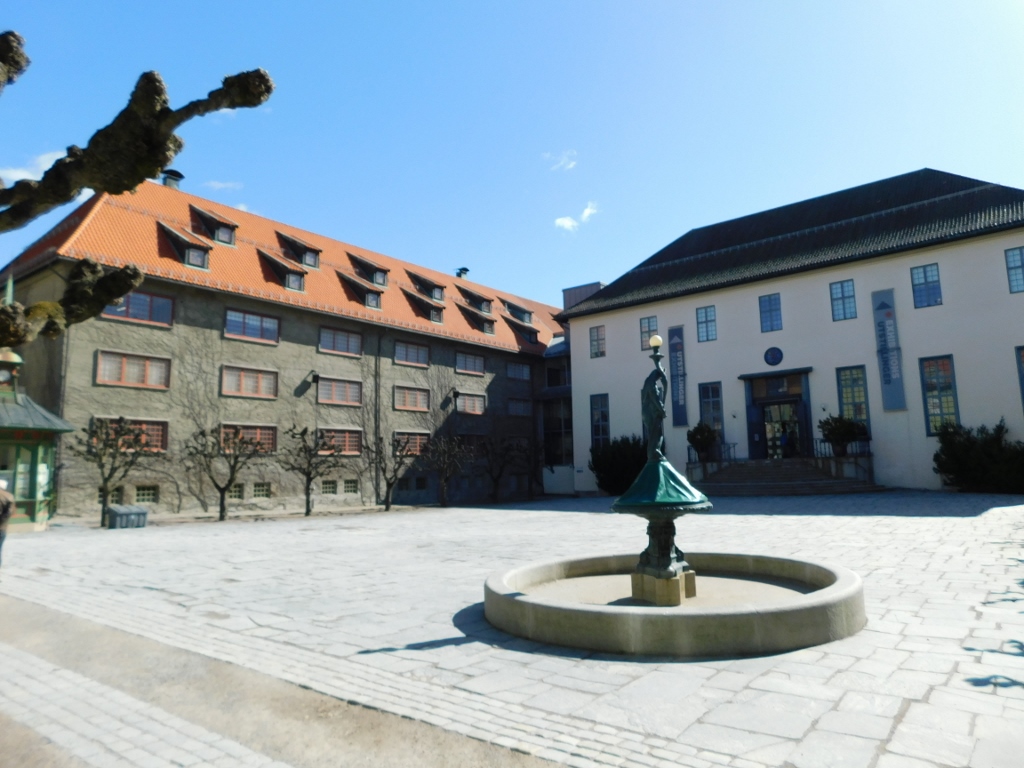 The Square
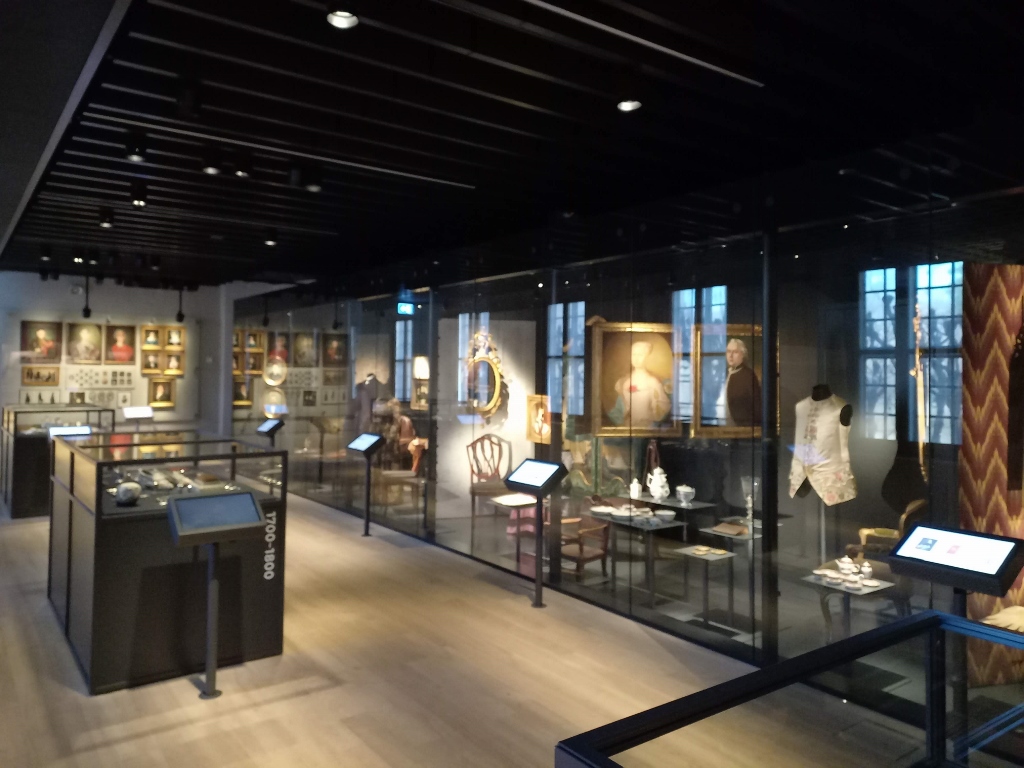
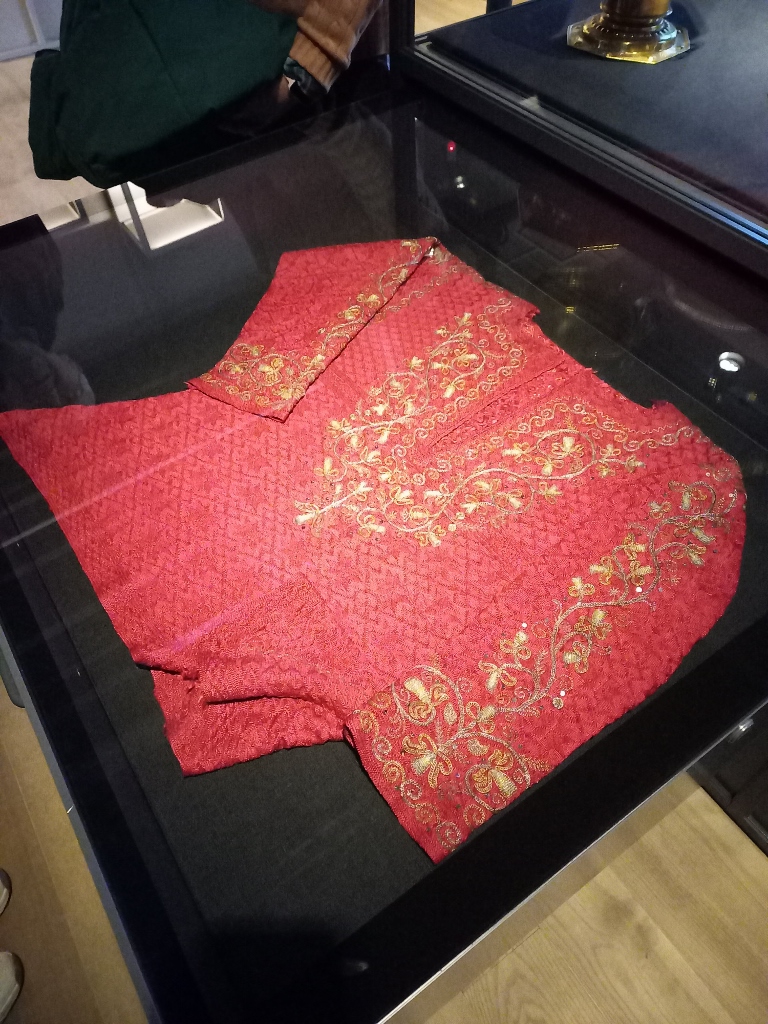
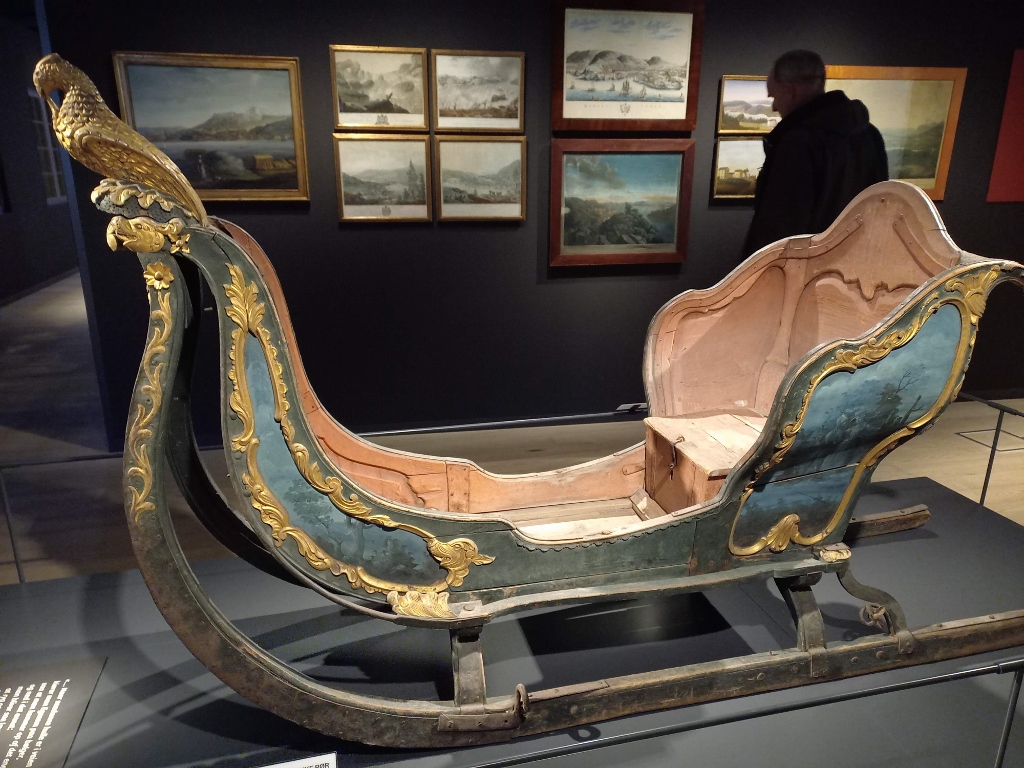
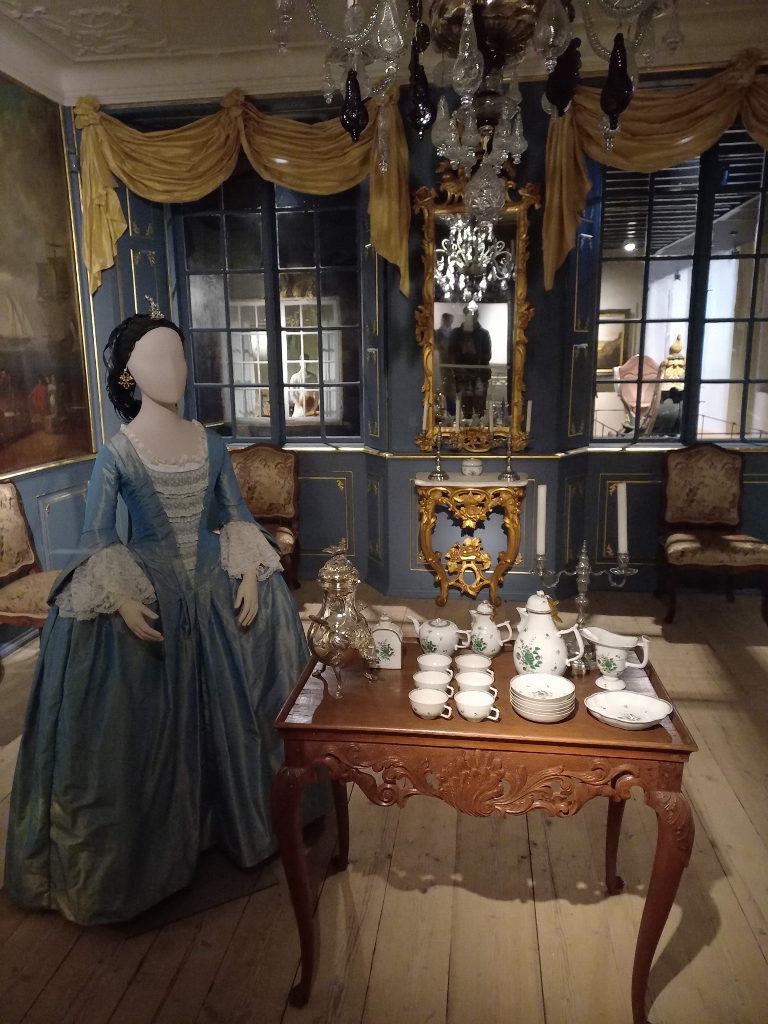
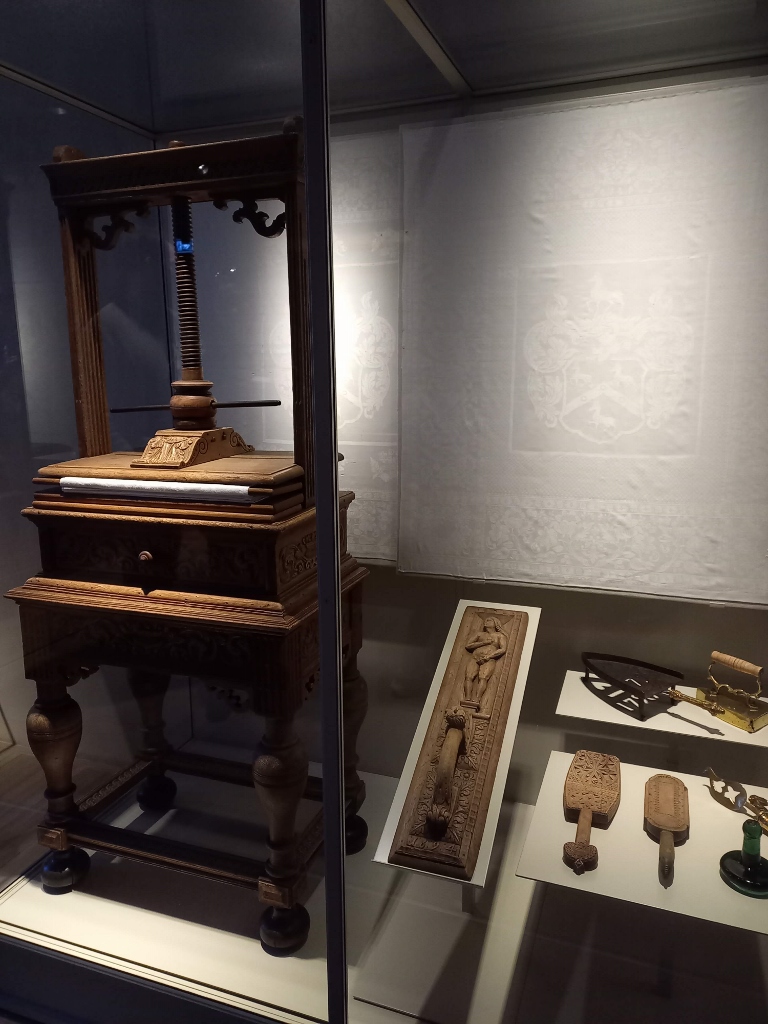
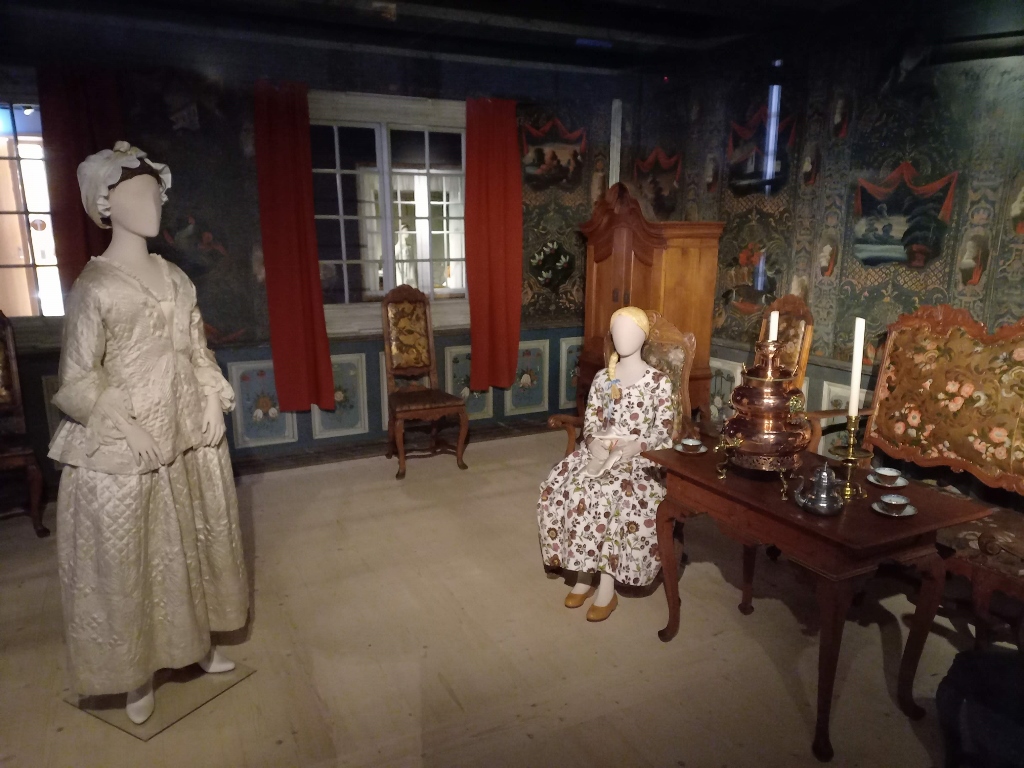
The theme of the tour was how the Norwegian aristocracy lived from the 1600s to the 20th century. It was interesting to see some exhibits and learn various details, though my brief conclusion was that this society was quite "politically incorrect," or perhaps it's just a trend now to emphasise certain aspects. For starters, the tour guide mentioned that many Norwegian merchants had profited from the slave trade. She added that this is not often talked about, but it is a "fact that many of them were involved in this kind of trade." She spoke with a tone that seemed uncomfortable on one hand, while on the other hand, it was as if she was following the current trend of openly discussing "past wrongs" to bring historical balance.
In line with this, she constantly emphasised how the aristocracy (which included officers, clergy and wealthy merchants, as there were not many true aristocrats since the king was in Denmark, i.e., Copenhagen, during that period) insisted on being separate from peasants, to be "better" and "more noble" regardless of the financial status of others.
No amount of attempts to "make amends" today can rectify past injustices, though it is certainly better to discuss them than to sweep them under the rug. What is always important is how people behave today, regardless of their status or class. And if someone thinks that there are no "classes" in societies that consider themselves civilised, they are gravely mistaken.
 The Norwegian Museum of Cultural History, a detail
 The Norwegian Museum of Cultural History, a detail
 The Norwegian Museum of Cultural History, a detail
 The Norwegian Museum of Cultural History, a detail
 The Norwegian Museum of Cultural History, a detail
 The Norwegian Museum of Cultural History, a detail
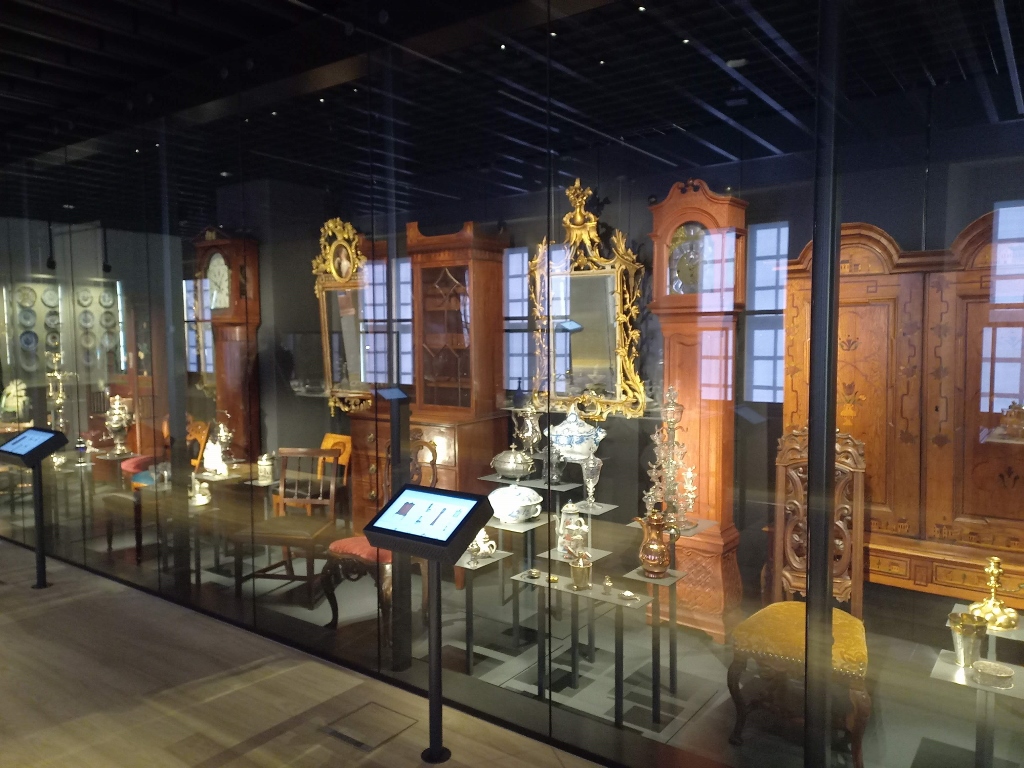 The Norwegian Museum of Cultural History, a detail
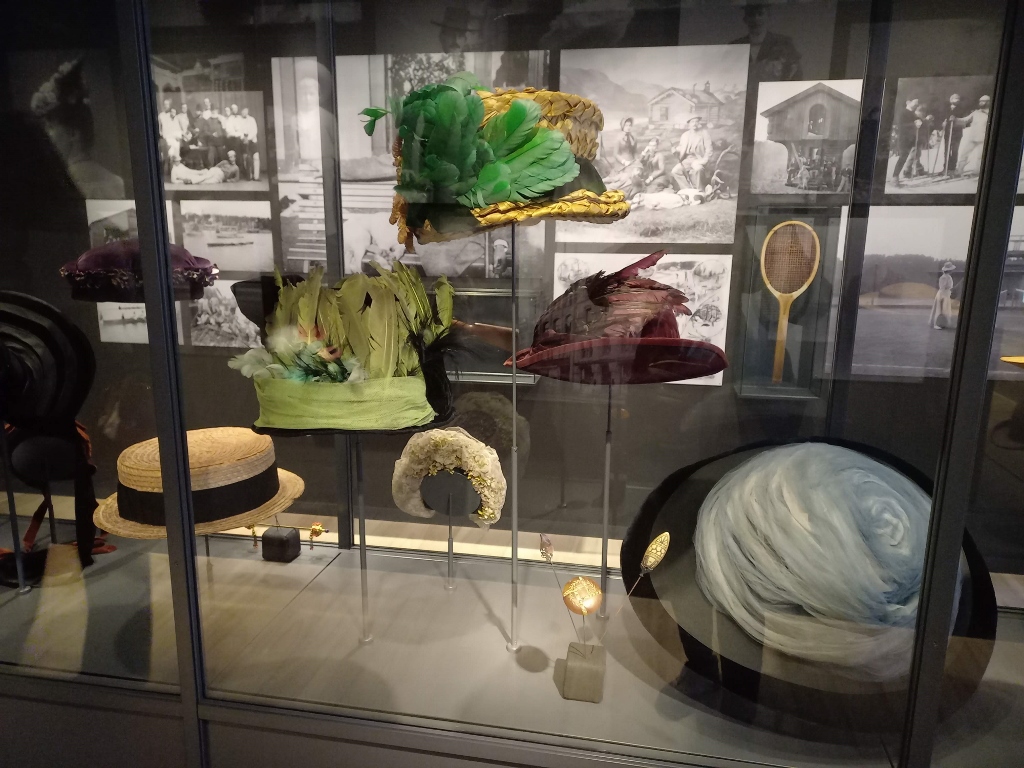 The Norwegian Museum of Cultural History, a detail
One of the more interesting details was the exhibit showing what a "gentleman" had to carry when travelling. There were various small items, but also a couple of pistols, because you never knew when an insult might occur and then, of course, one would need to go out for a duel.
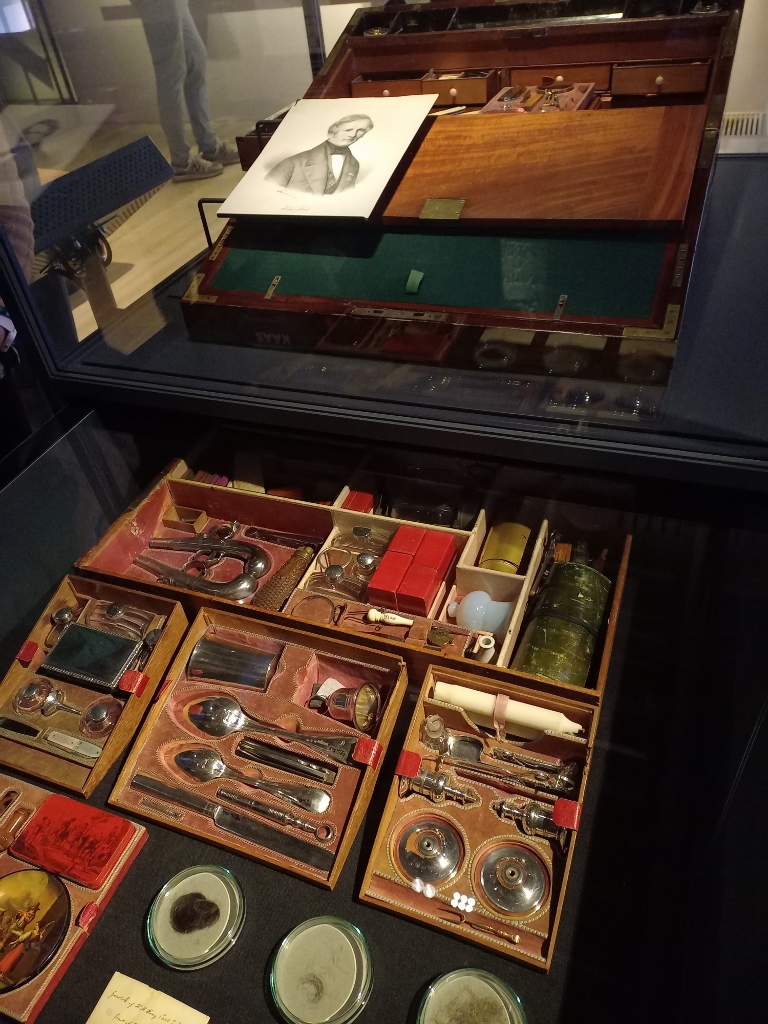 The Norwegian Museum of Cultural History, a detail
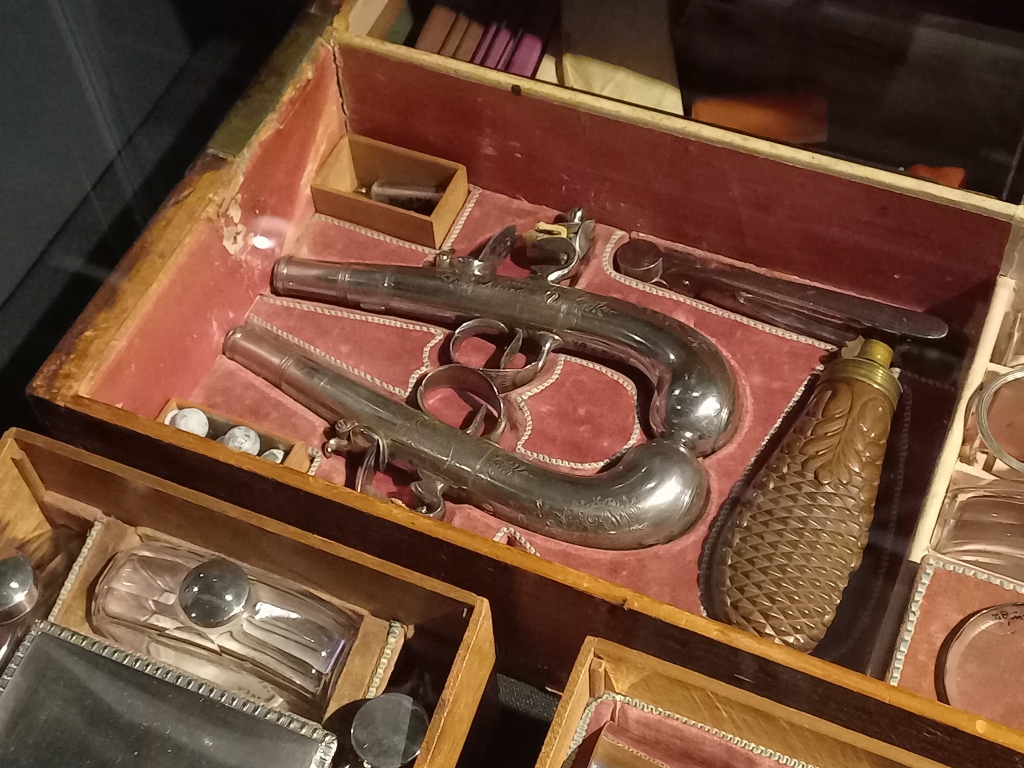 The Norwegian Museum of Cultural History, a detail
On the Bygdøy Peninsula, where I visited the Norwegian Museum of Cultural History, there are several other important museums. Probably the most significant among them is the Viking Ship Museum (Vikingskipshuset), but it was closed for renovation until 2027. However, I didn’t feel too disappointed, as I had visited a similar museum in Denmark (see: https://www.svudapodji.com/en/denmark-1/).
In any case, after the organised tour concluded, I left the Norwegian Museum of Cultural History and waited for a bus in order to return to the city centre. I got off at the National Theatre in Oslo.