Graz is the second-largest city in Austria and the capital of the province of Styria. It is located on the Mur River and is known for its harmonious blend of rich history and a modern spirit. Its old town centre is on the UNESCO World Heritage List, together with Eggenberg Castle (Schloss Eggenberg), which I decided to visit on the second day of my stay in this part of Austria.
After a good night’s sleep and a slow, easy start to the morning, I set out, but first I bought a 24-hour public transport ticket. That was important so I wouldn’t waste too much time, since the castle is about 3.5 km west of the city centre. I needed to get there and back. On the other hand, as I mentioned in the previous part of these stories, it turned out by chance that this day was some kind of “Museum Day,” so admission to cultural institutions, including the castle and museums, was free.
 Eggenberg Castle, a detail
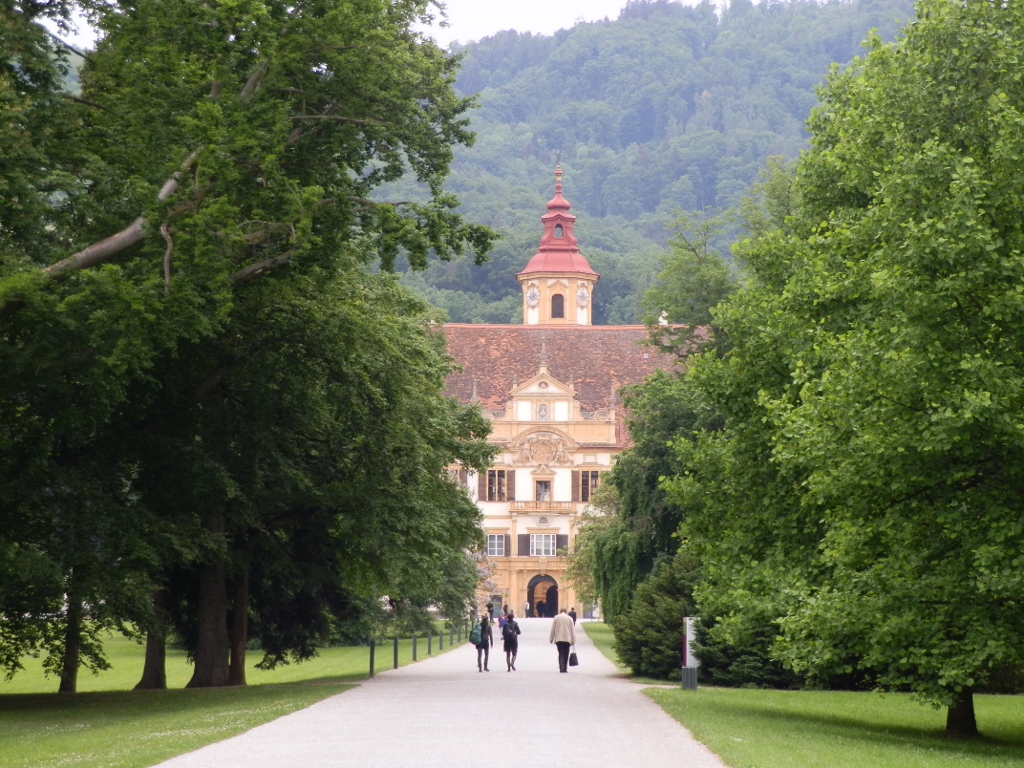
I began my visit to the castle with a casual stroll around the grounds.
 Eggenberg Castle, a detail
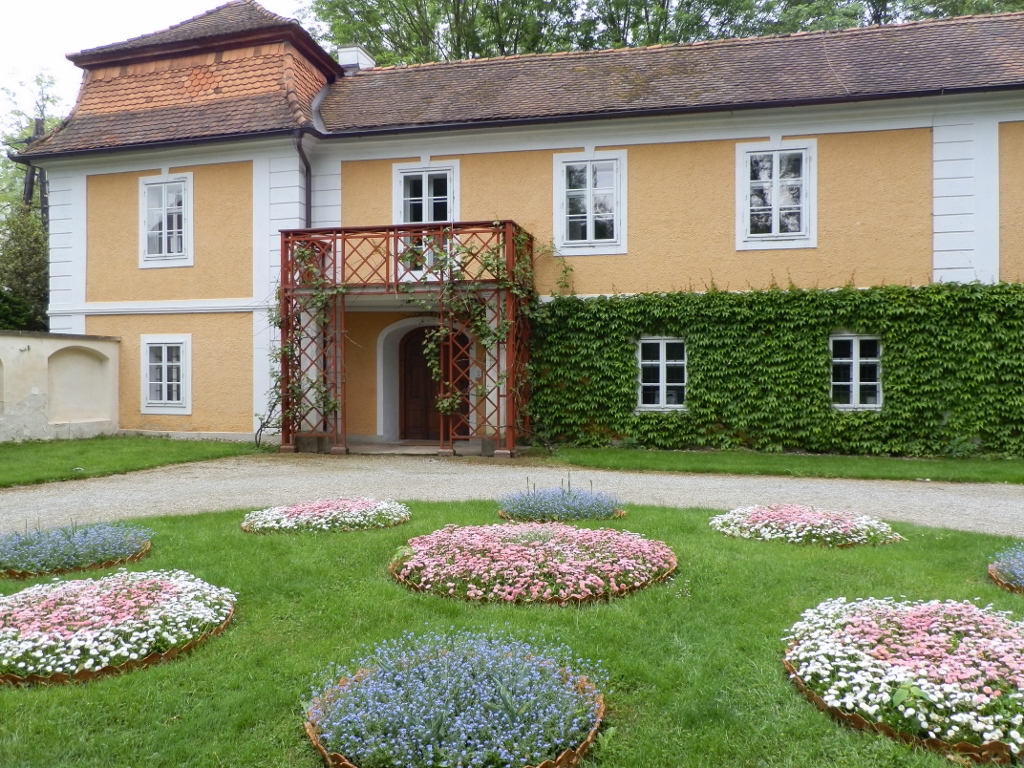
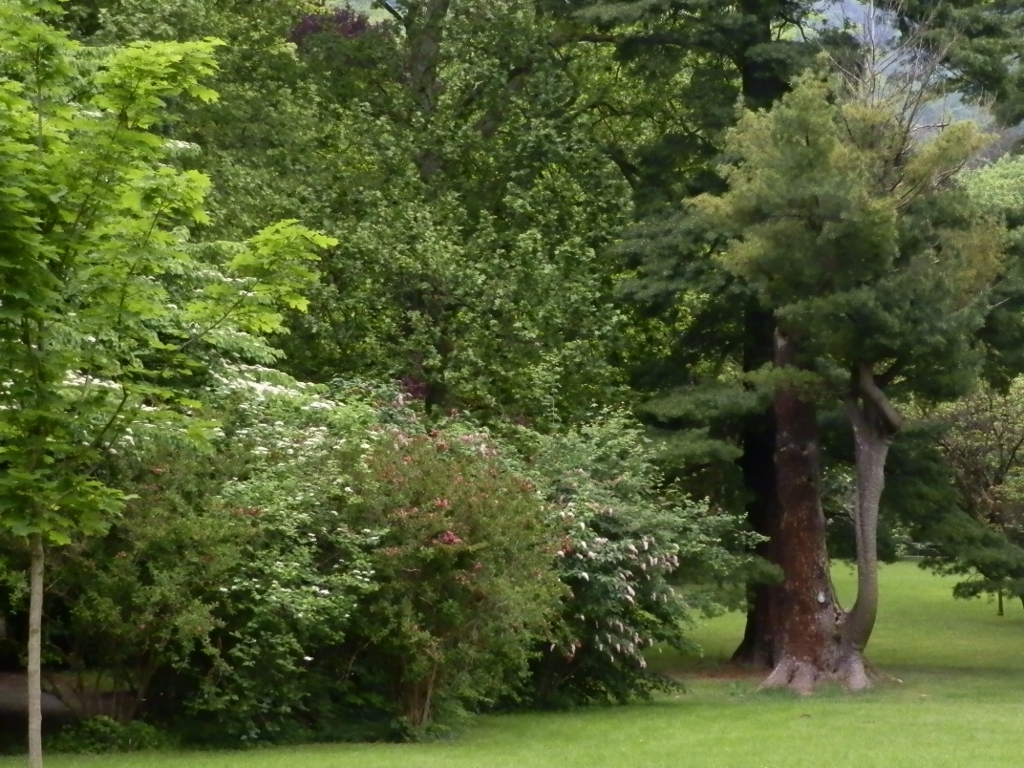
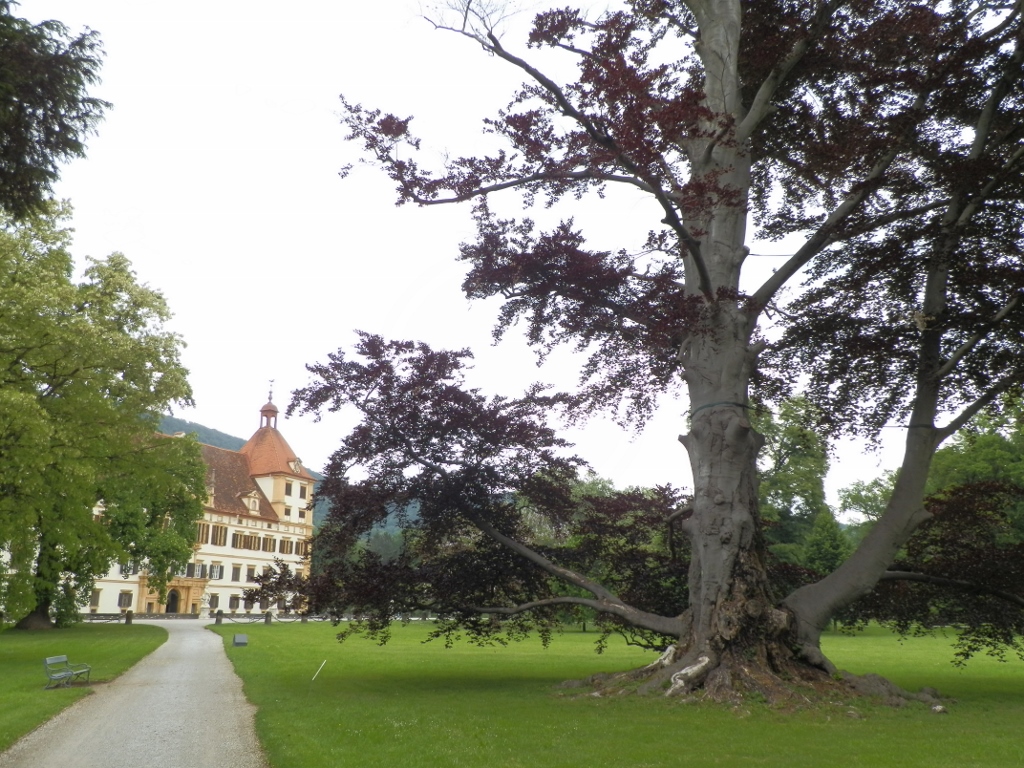
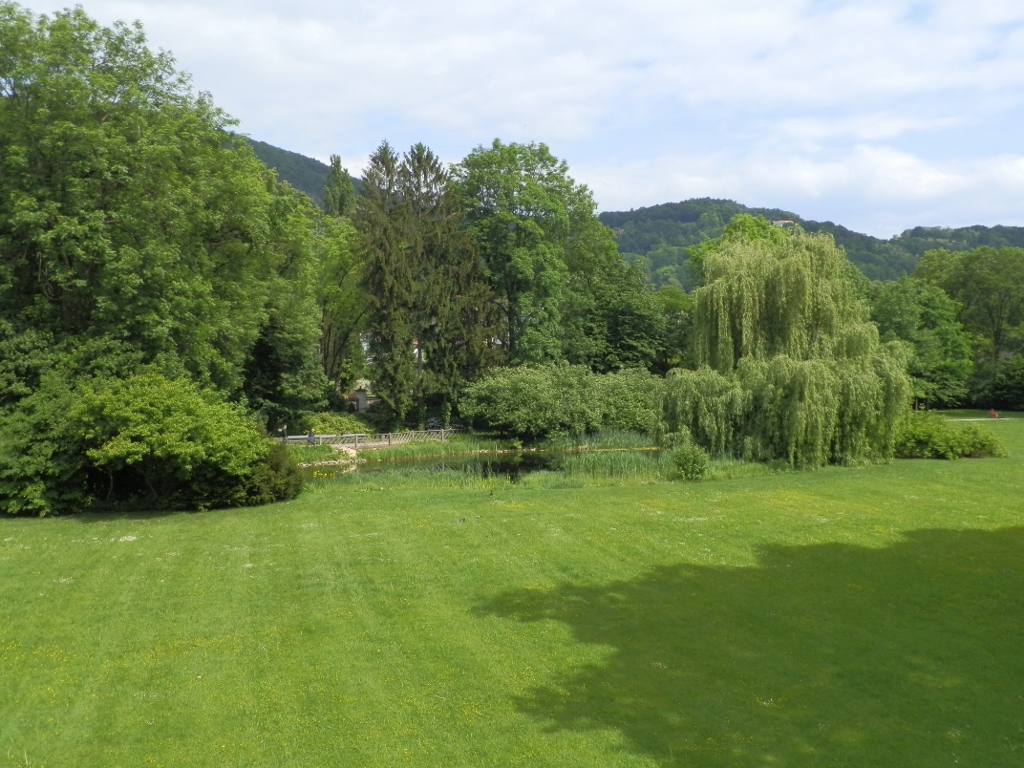
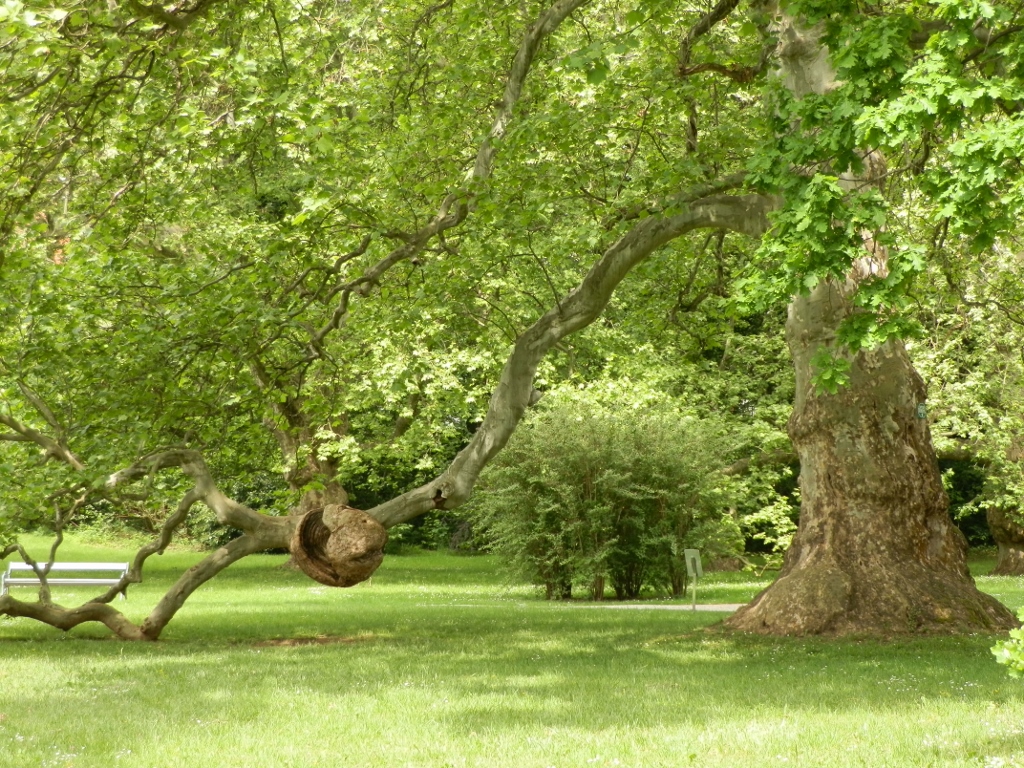
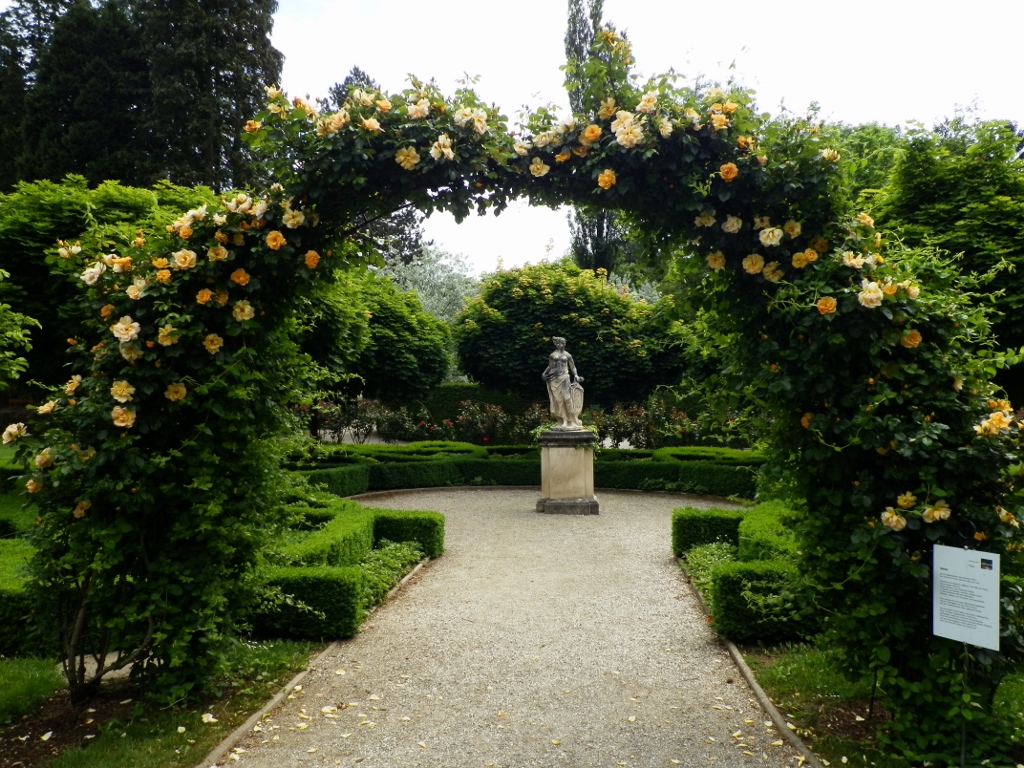
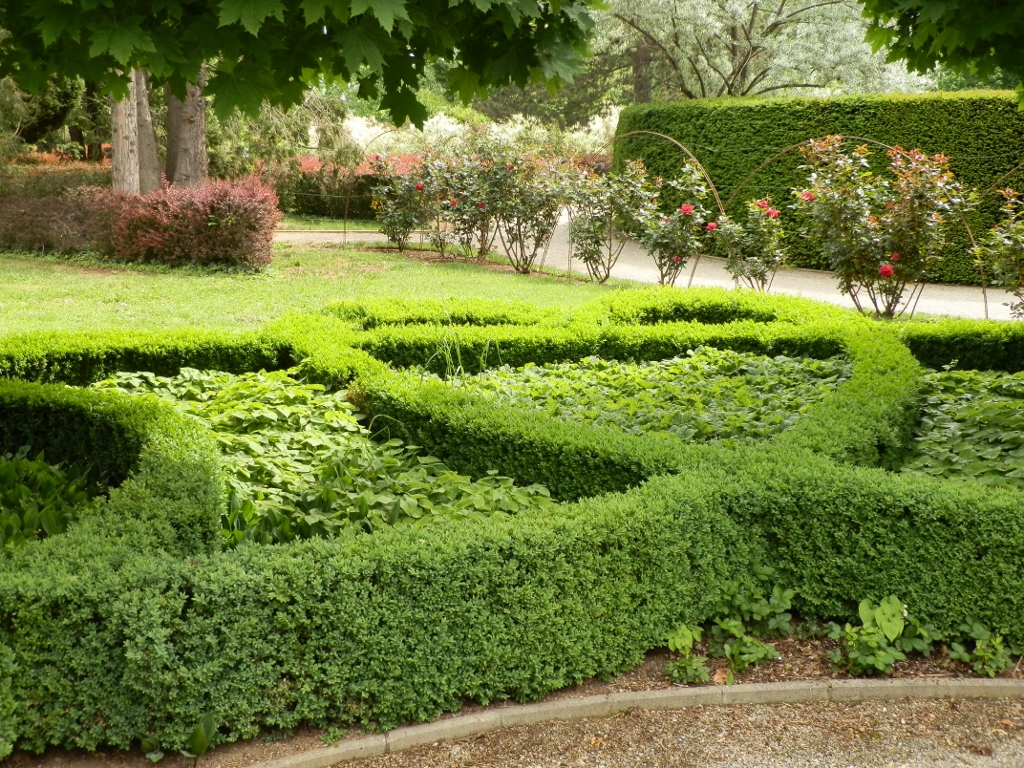
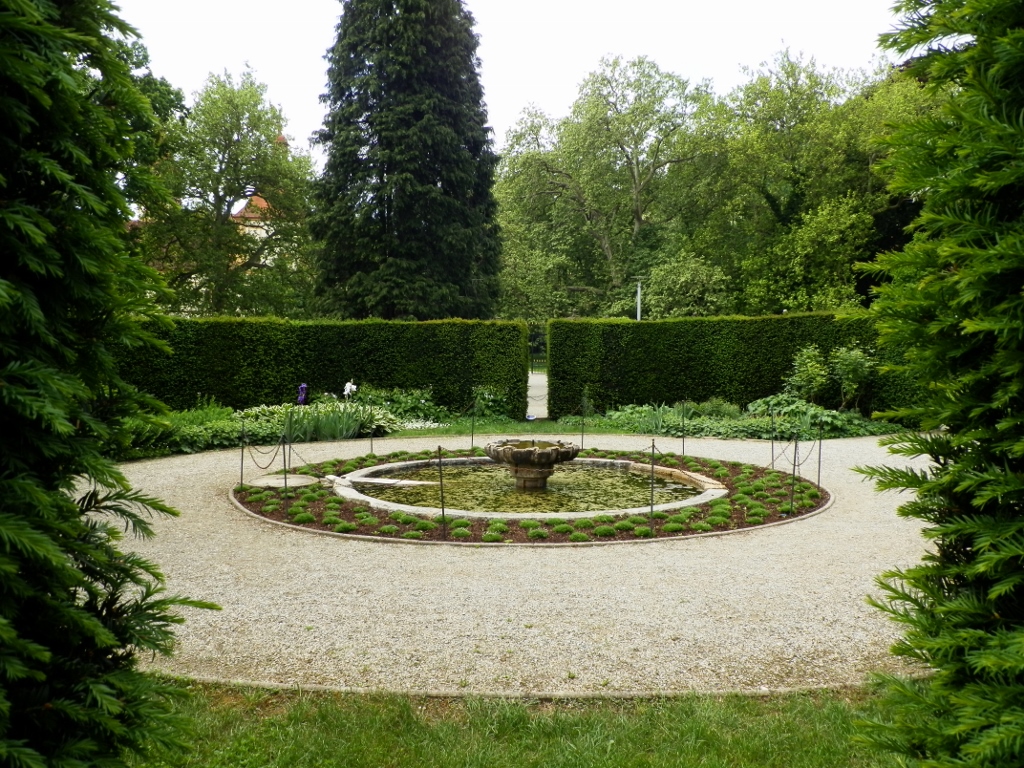
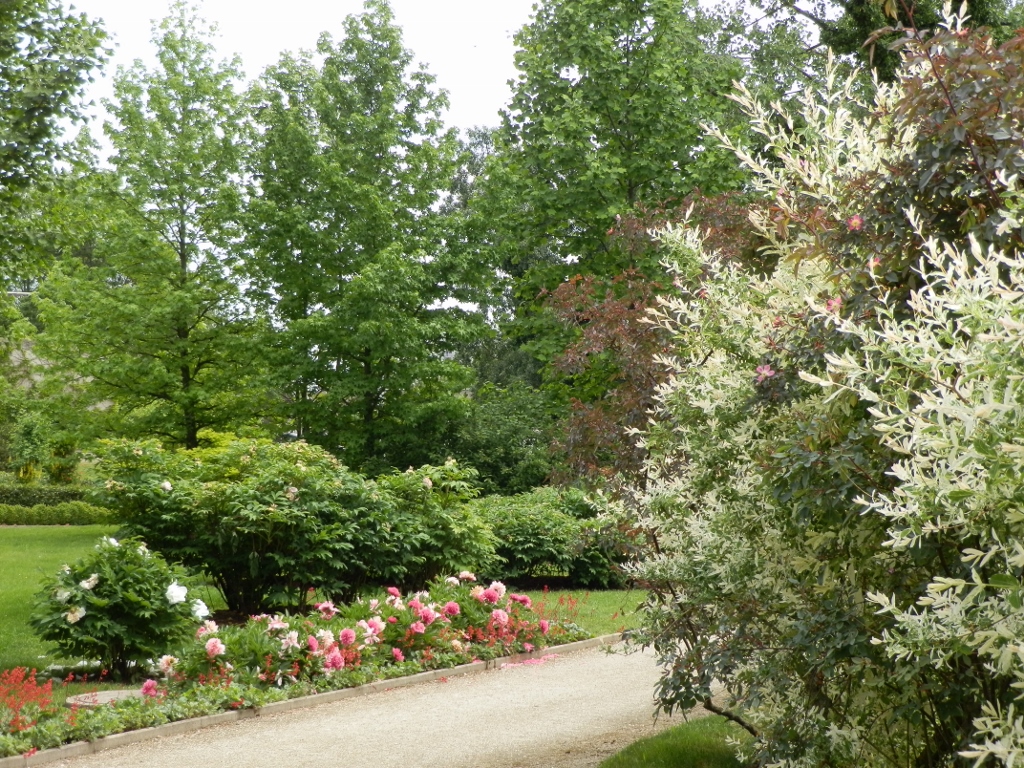
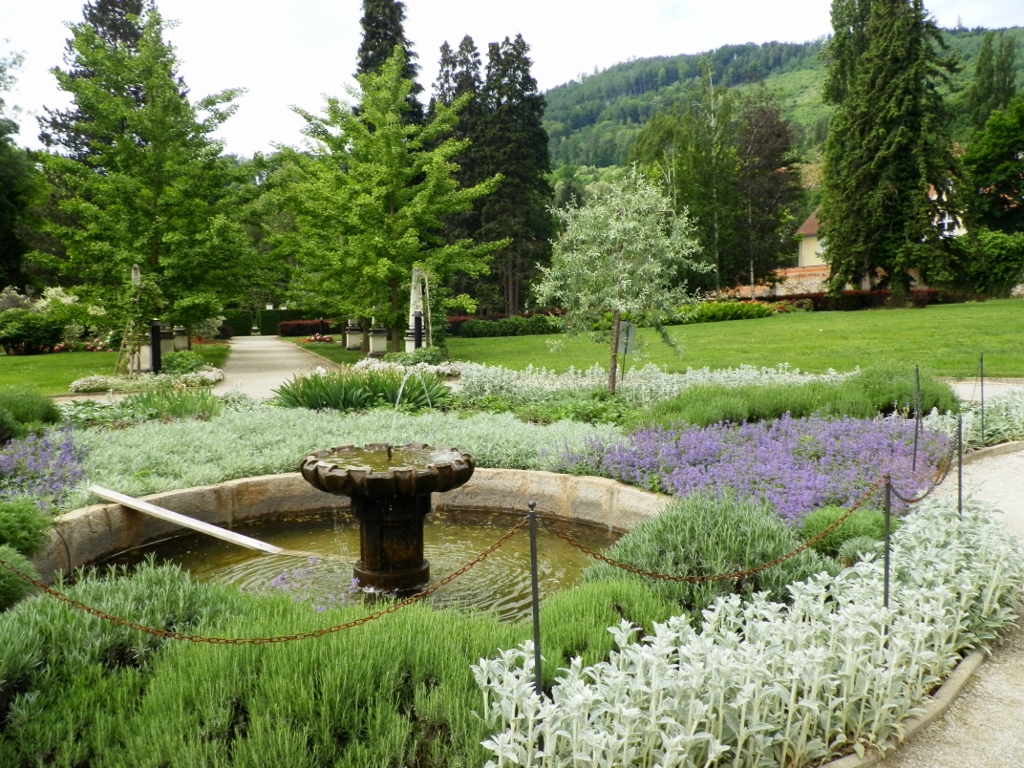
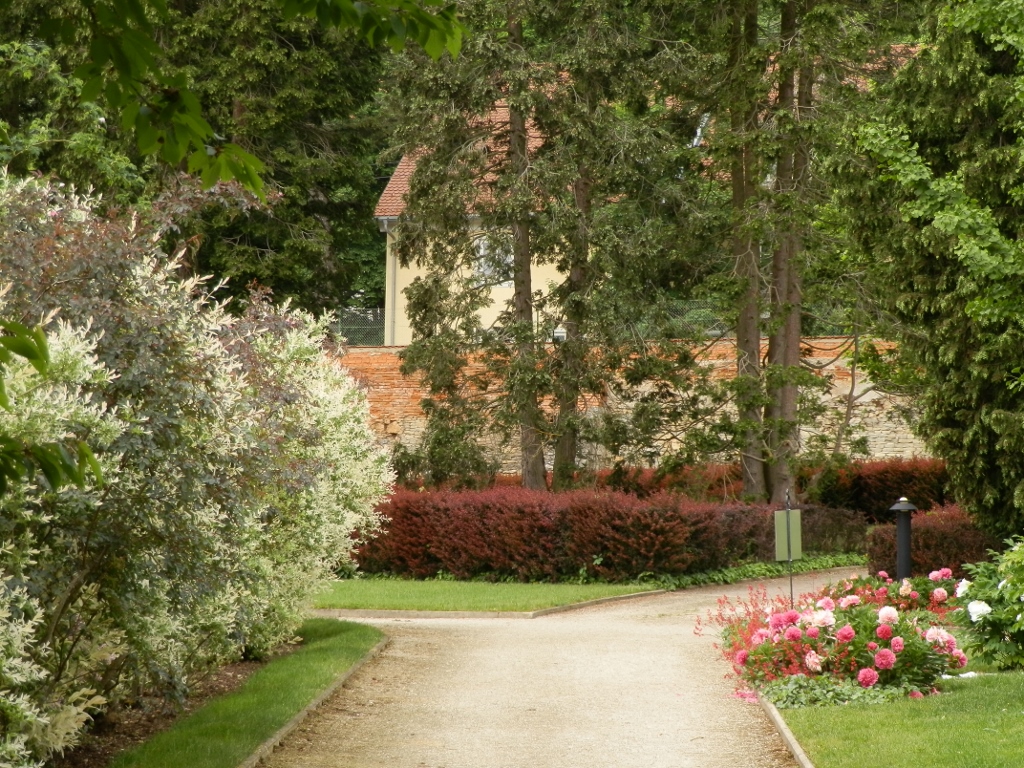
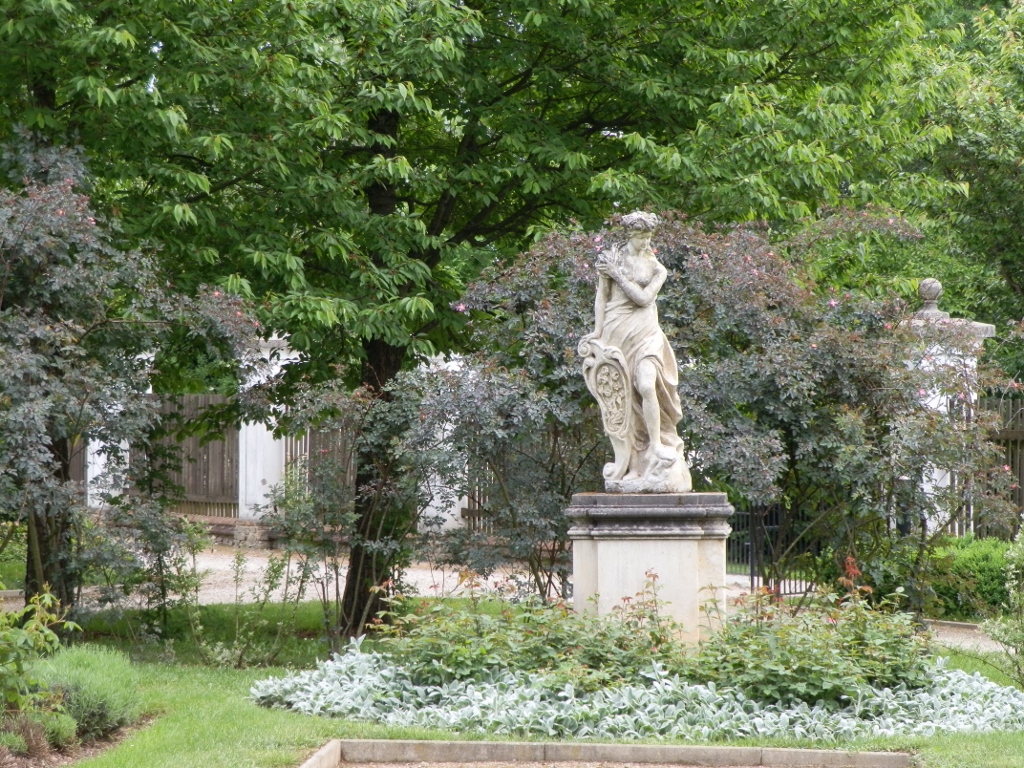
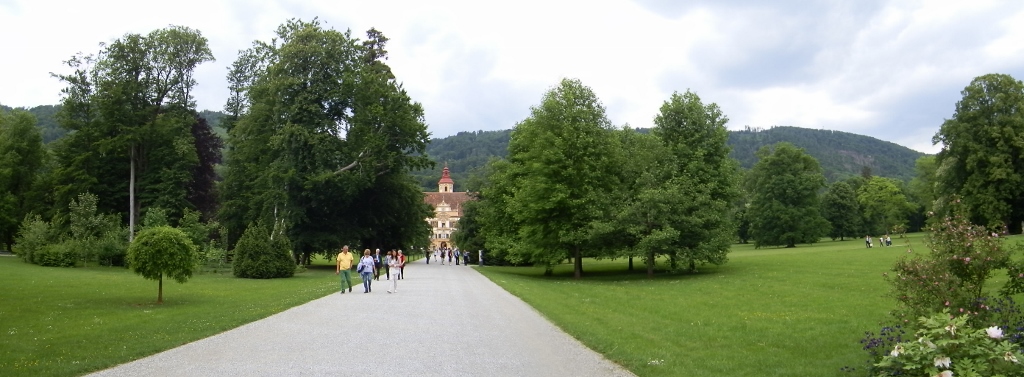
I will say more about the castle itself and its history a bit later, but first I want to mention the park that surrounds it and through which I took a short walk at the beginning. This park is a combination of a formal Baroque garden designed according to the principles of a French garden and a romantic English landscape park.
 Eggenberg Castle, a detail
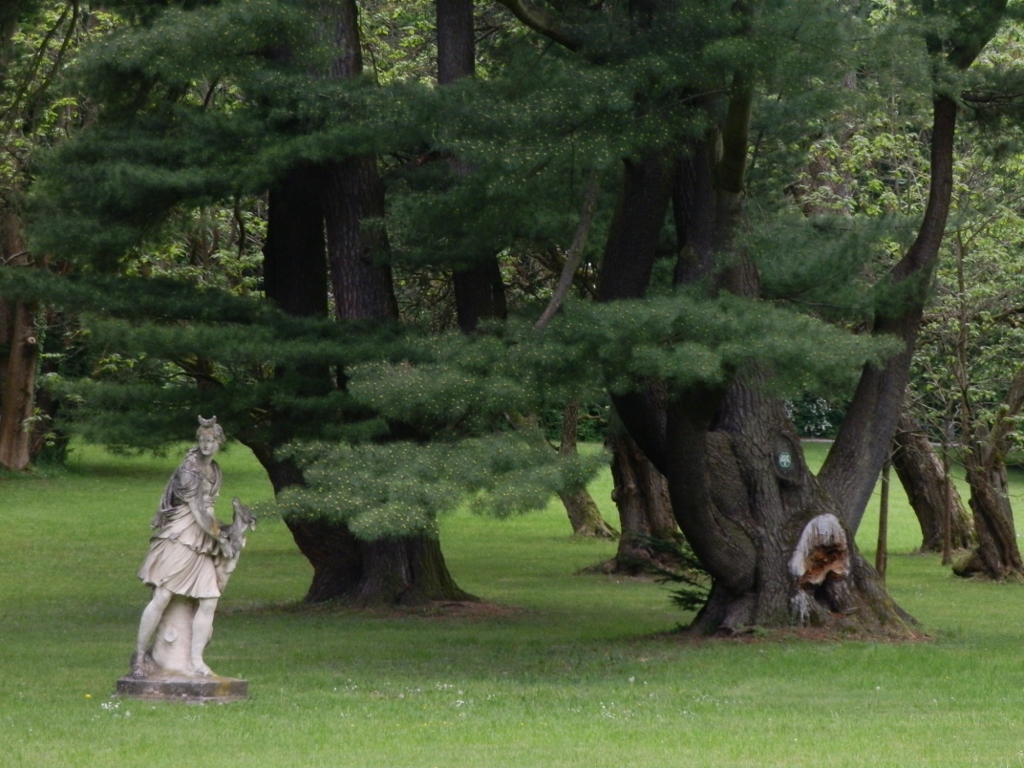
It was originally laid out in the 17th century, but over time it was redesigned several times, especially in the 19th century when it was transformed in the English style, with winding paths and picturesque areas that resemble natural landscapes.
 Eggenberg Castle, a detail
From the park, of course, the castle itself can also be seen.
 Eggenberg Castle, a detail
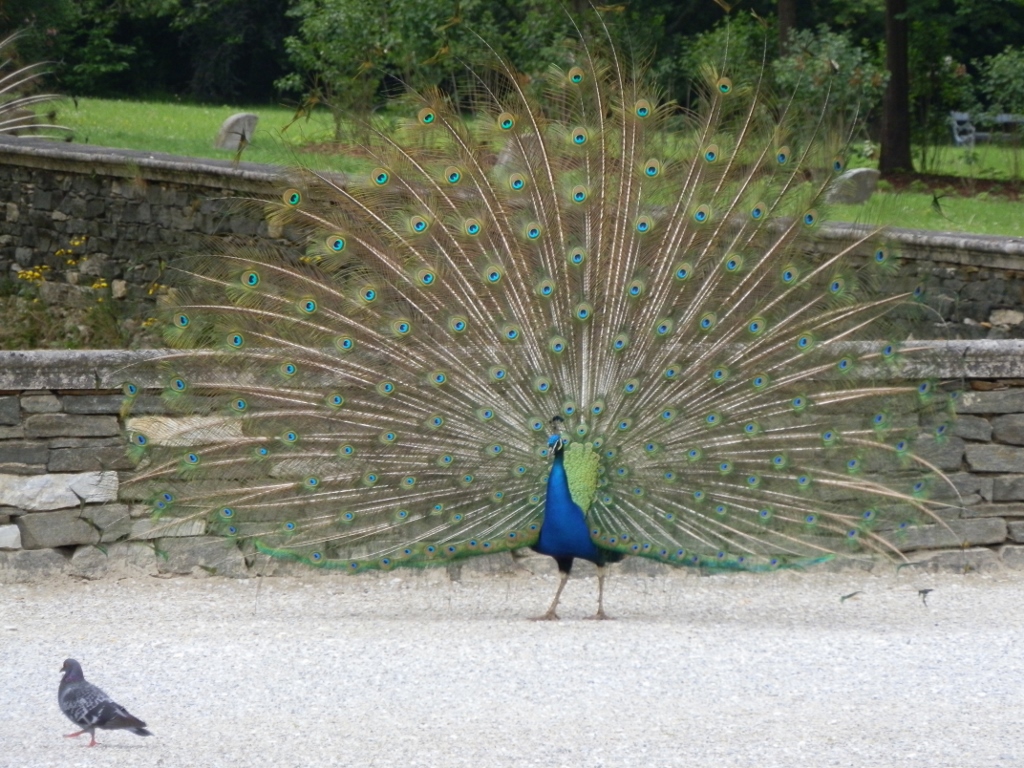
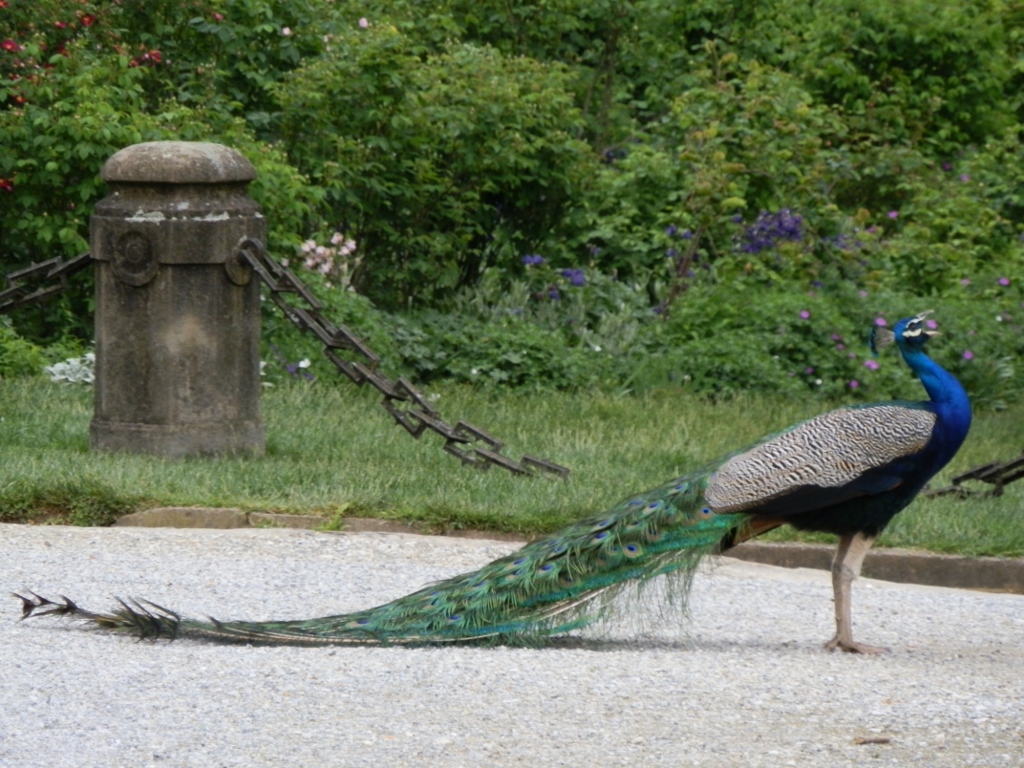
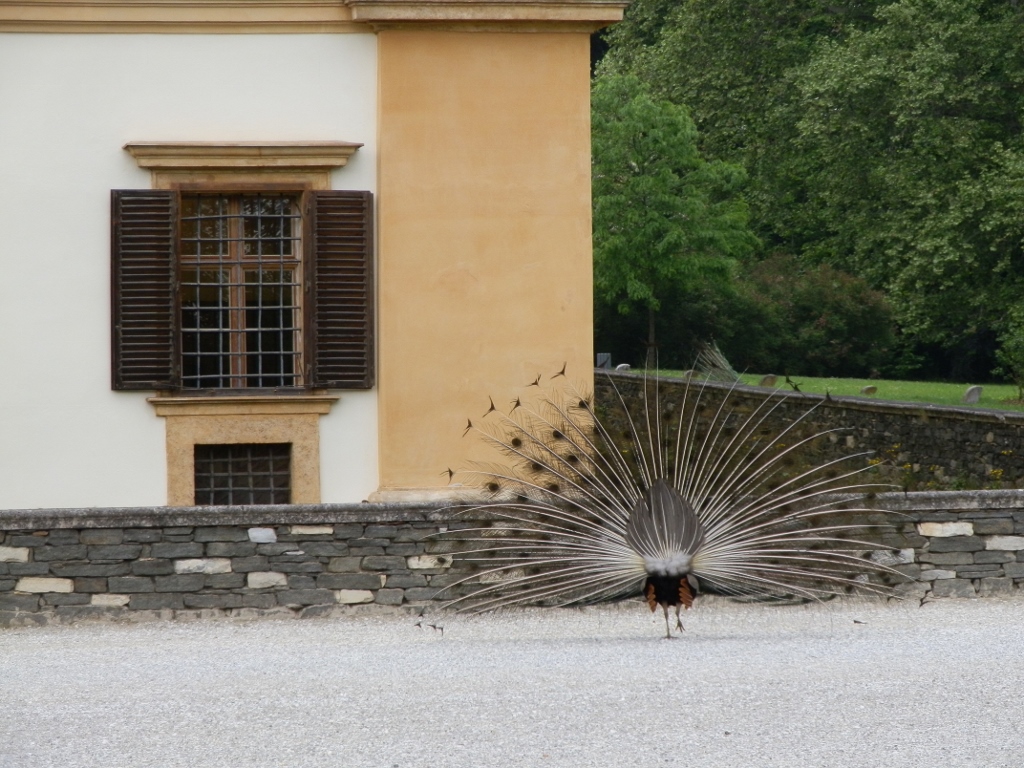
But before I turned my attention to the castle, I noticed some freely roaming peacocks, which from spring to autumn essentially serve as a decorative element of the park. The pigeon in the next photo should be ignored.
 Eggenberg Castle, a detail
I always used to wonder how the owners or supervisors of such parks and green spaces manage to keep peacocks in one place and here I found out.
 Eggenberg Castle, a detail
Namely, the peacocks that live here are essentially semi-domesticated birds that belong to the estate and they are cared for by the museum staff. During the winter, more precisely from late autumn to early spring, they do not remain permanently in the open park, but are rather housed in enclosed or semi-enclosed facilities within the complex, where they have shelter from the cold, moisture and snow. Although peacocks are relatively hardy, prolonged low temperatures and snow are not suitable for them to stay outdoors.
 Eggenberg Castle, a detail
In the warmer part of the year, they roam freely across the lawns and climb trees and rooftops. It is important to note that these are Indian peafowl (Pavo cristatus), which can fly, but only over short distances, mainly to get up into a tree or onto a roof. They are not migratory birds and do not have an instinct for migration. Their flight is short and heavy, as they have a massive body and a long tail.
In addition, peacocks here, as in similar parks, are accustomed to regular feeding, and they are generally territorial and become attached to the area where they were raised. That is the nice part of the story. The less pleasant part is that their wings are often partially clipped (not always, but it is a common practice in historic parks) to prevent them, just in case, from flying longer distances.
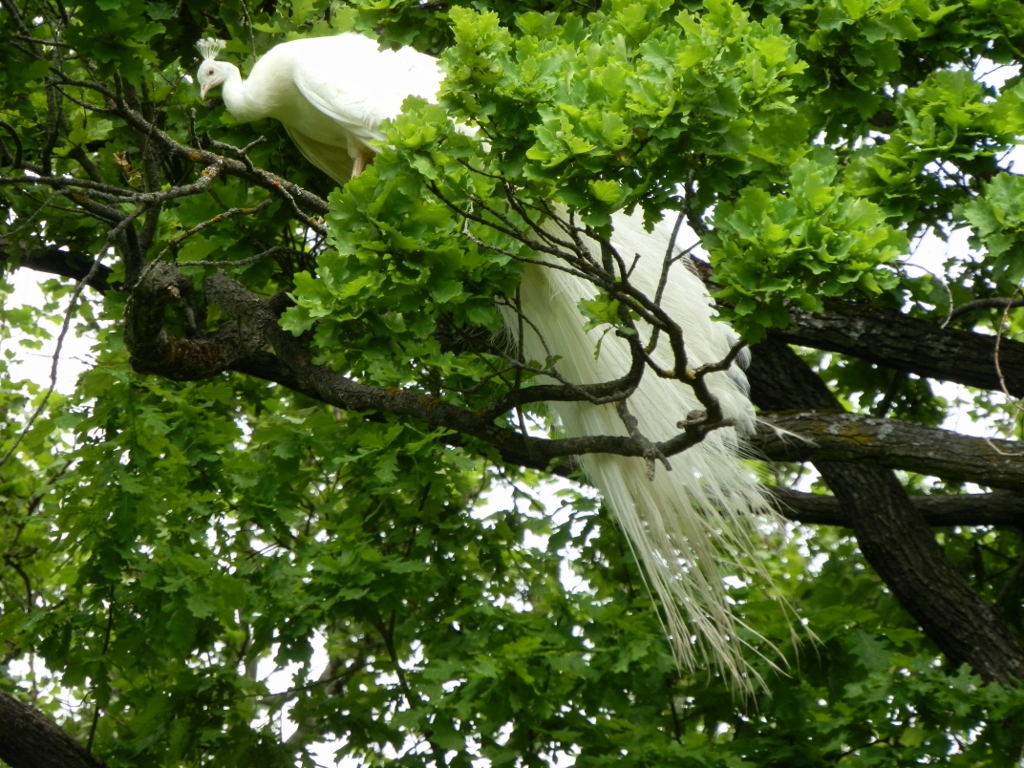
Here I also saw a completely white peacock. It is not a separate species, nor an albino bird, but simply a variety of the Indian peafowl in which the birds lose pigment due to a genetic mutation. All other characteristics and functions are the same as those of their blue relatives.
 Eggenberg Castle, a detail
And now, enough about the birds and let me move on to the story of the castle itself.
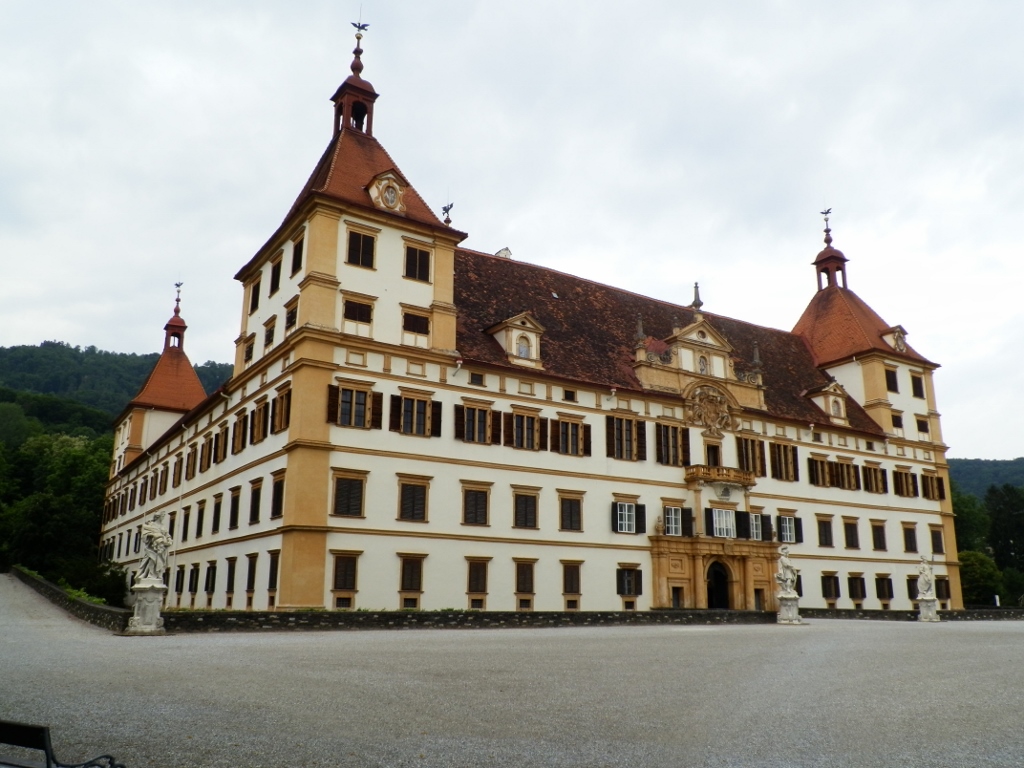
Eggenberg Castle is the most significant Baroque castle in Styria. Its construction began in 1625 by order of Prince von Eggenberg, who was an influential statesman at the court of Emperor Ferdinand II.
 Eggenberg Castle
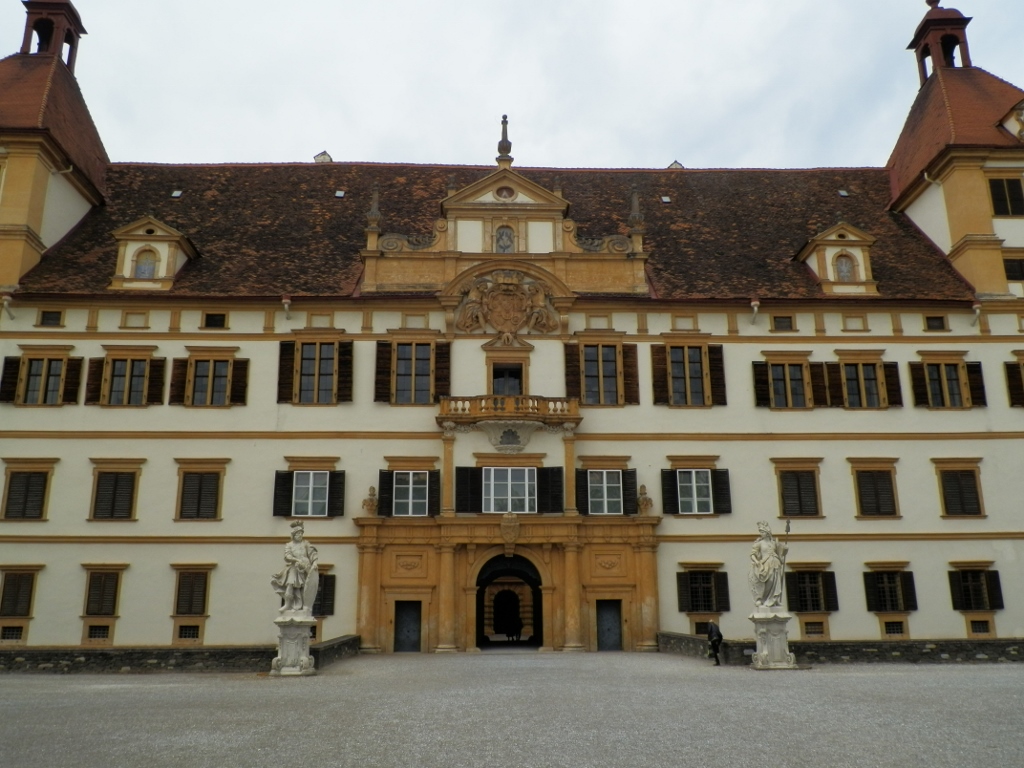
Interestingly, the building was designed according to a symbolic cosmological principle: it has 365 windows, 31 rooms on each floor, 24 representative halls, and 4 corner towers. These numbers symbolise the days of the year, the days of the month, the hours of the day, and the seasons.
 Eggenberg Castle, a detail
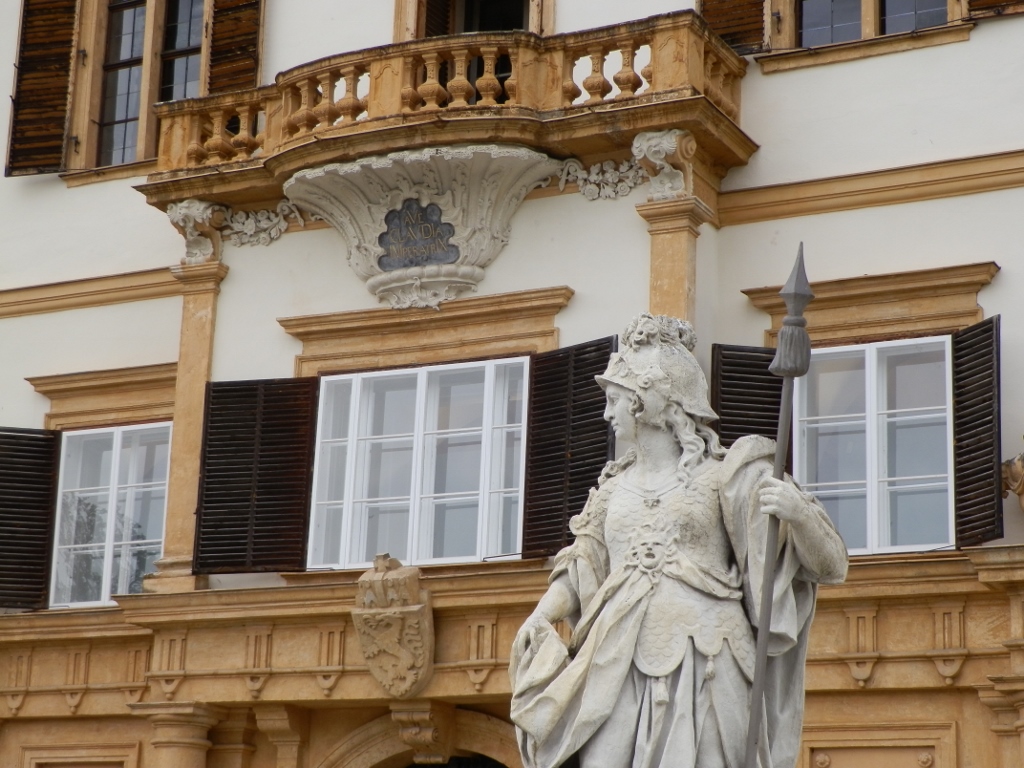
Needless to say, there are also numerous decorative details.
 Eggenberg Castle, a detail
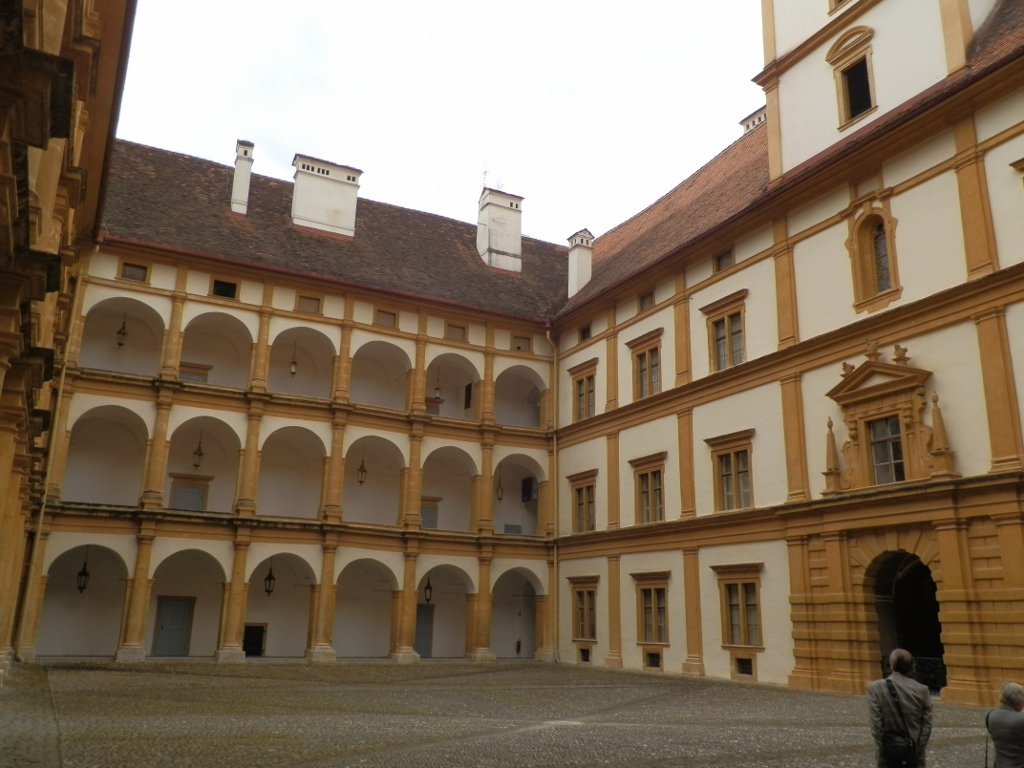
For now, I entered the castle’s inner courtyard, where an interesting detail can also be seen.
 Eggenberg Castle, a detail
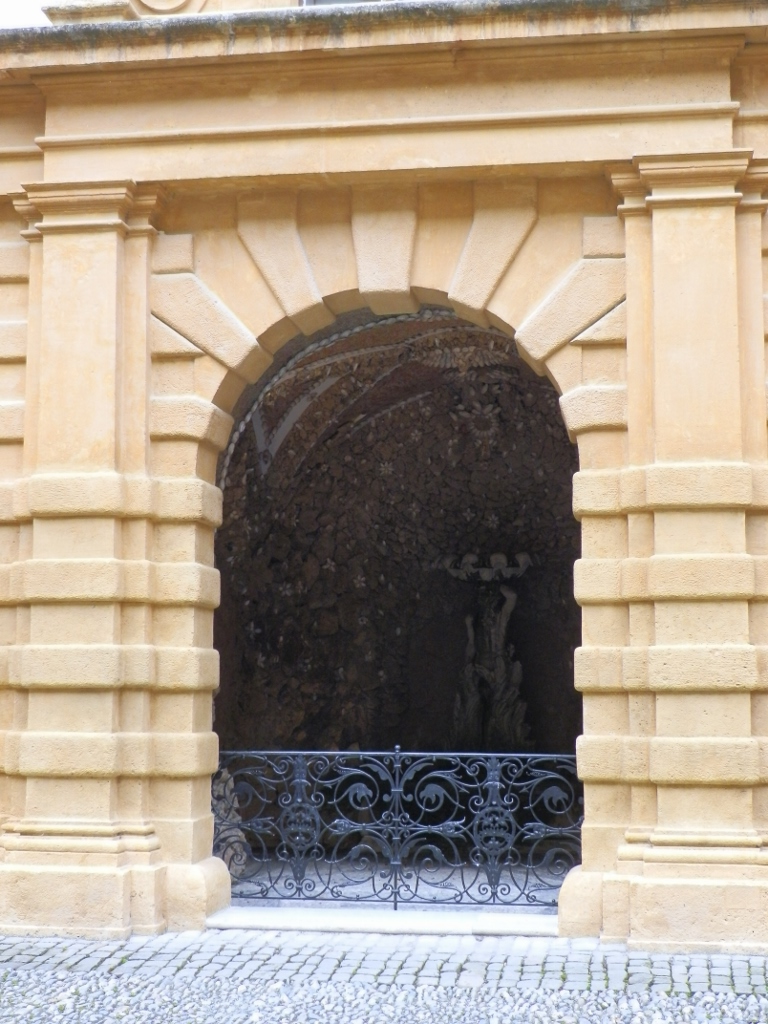
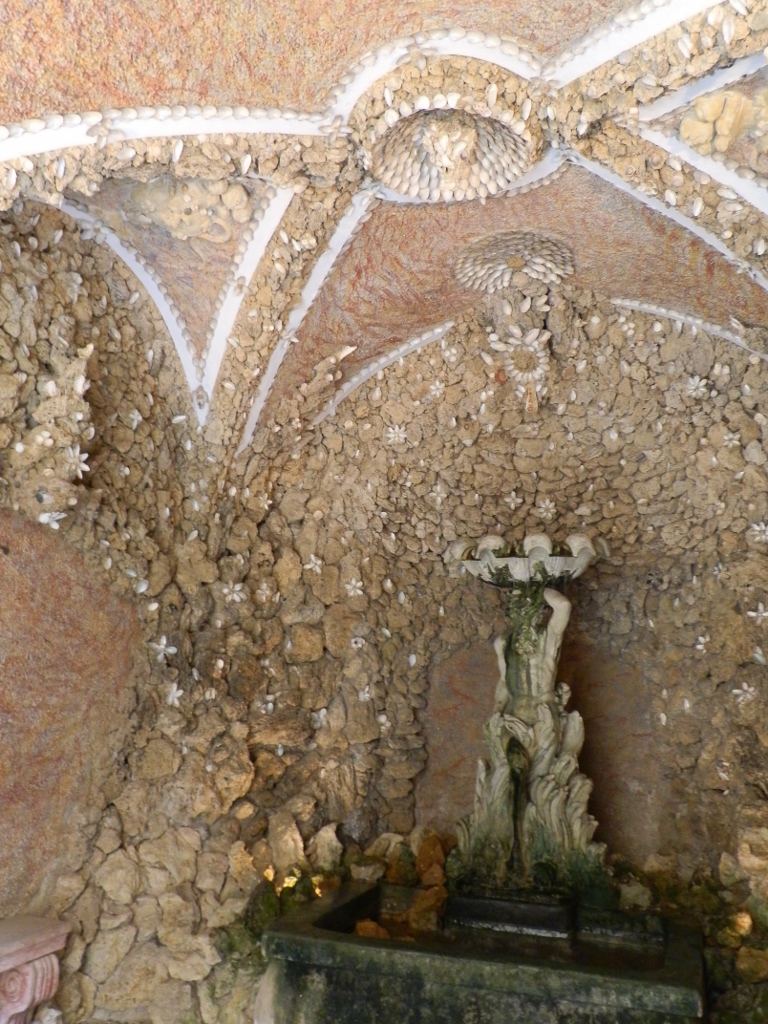
It is a shell cave or grotto, called the Muschelgrotte. It was once entered directly from the inner courtyard, but now a decorative railing has been installed there.
 Eggenberg Castle, a detail
Namely, it is a type of decorative grotto or small structure whose walls and ceiling are lined with shells, crystals, pebbles, and sometimes coral. Such constructions were made in the 17th and 18th centuries, partly as decoration, because they created a sense of an exotic, mythical space, while shells and marine motifs often alluded to wealth, natural harmony, or allegorical representations of the world.
 Eggenberg Castle, a detail
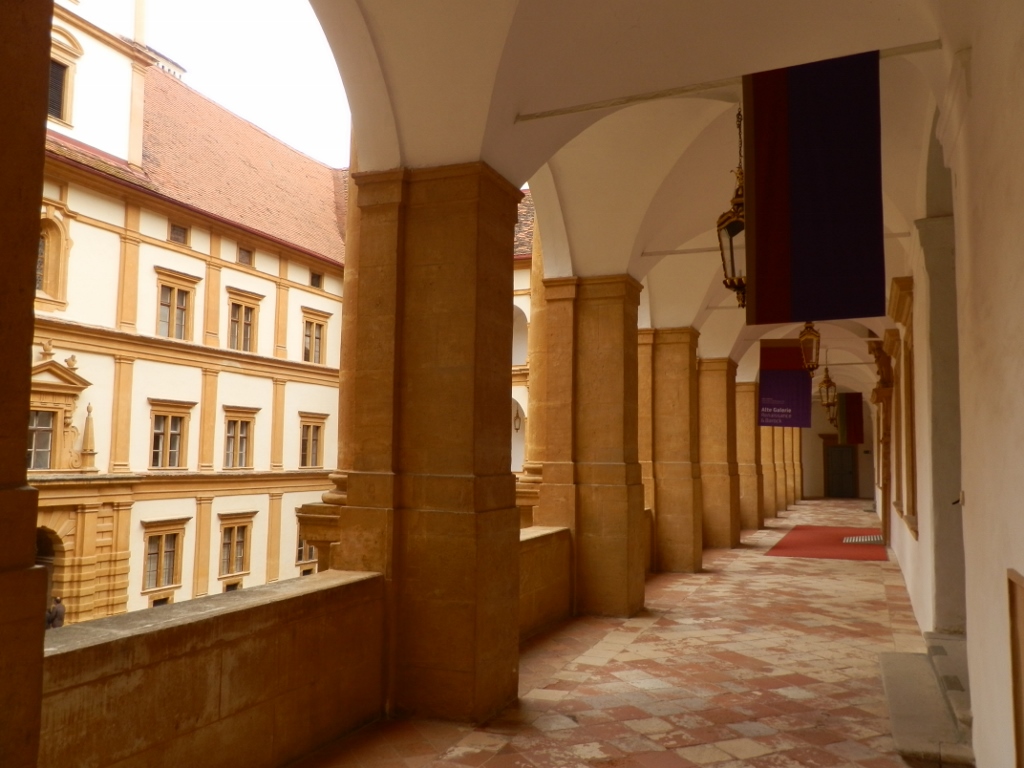
I wandered around the castle a bit, exploring its corridors, while planning to join a guided tour of the rooms later.
 Eggenberg Castle, a detail
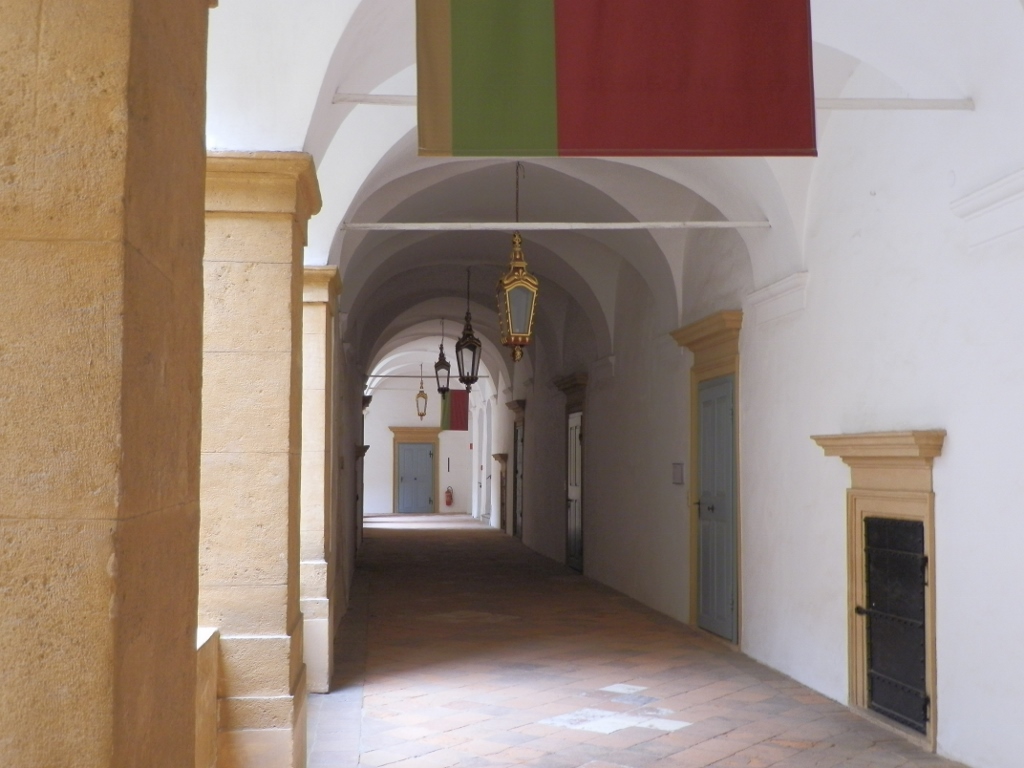 Eggenberg Castle, a detail
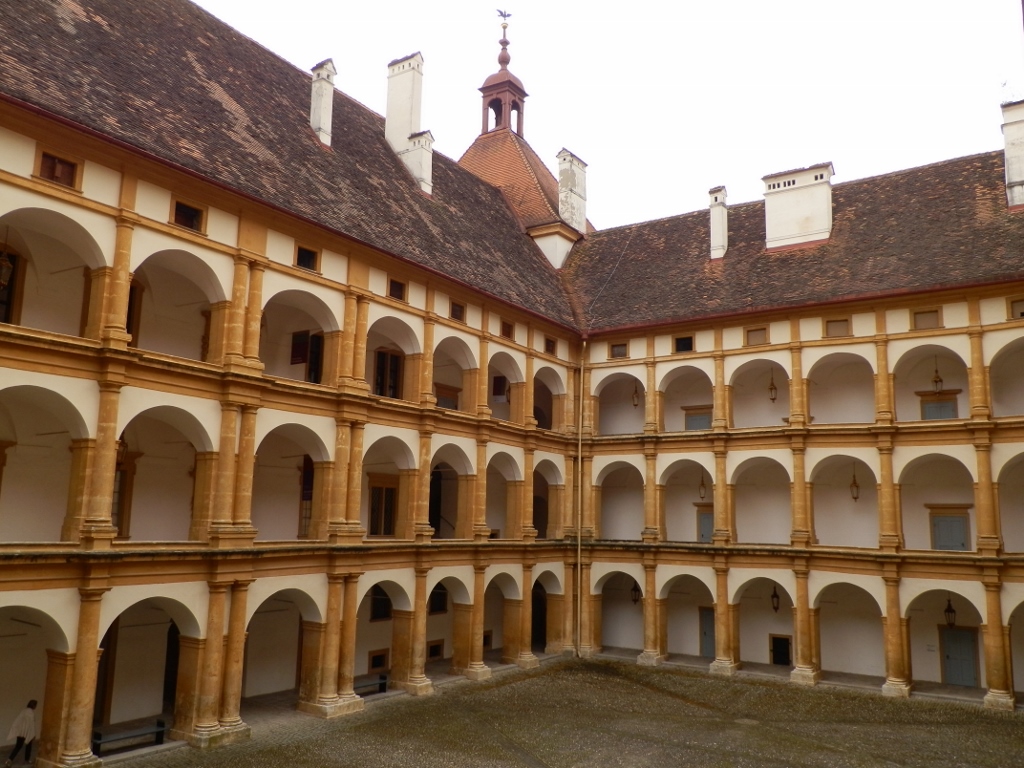 Eggenberg Castle, a detail
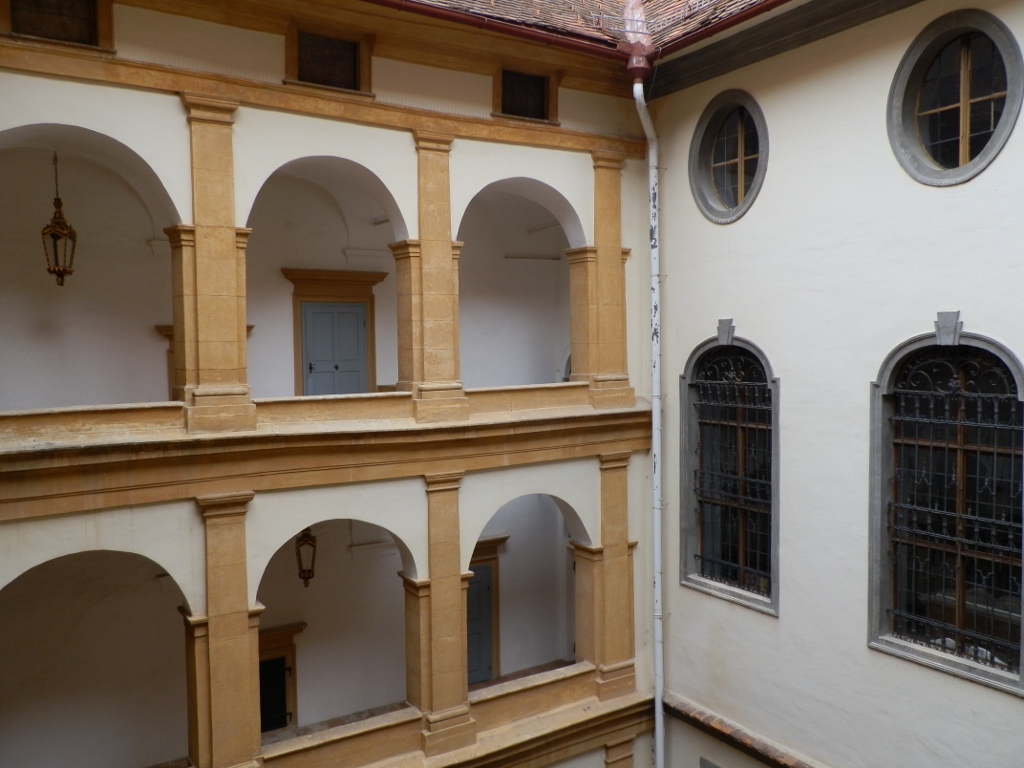 Eggenberg Castle, a detail
This way, I came to the Chapel of Our Lady, where there was a plaque stating that the chapel dates back to before 1470.
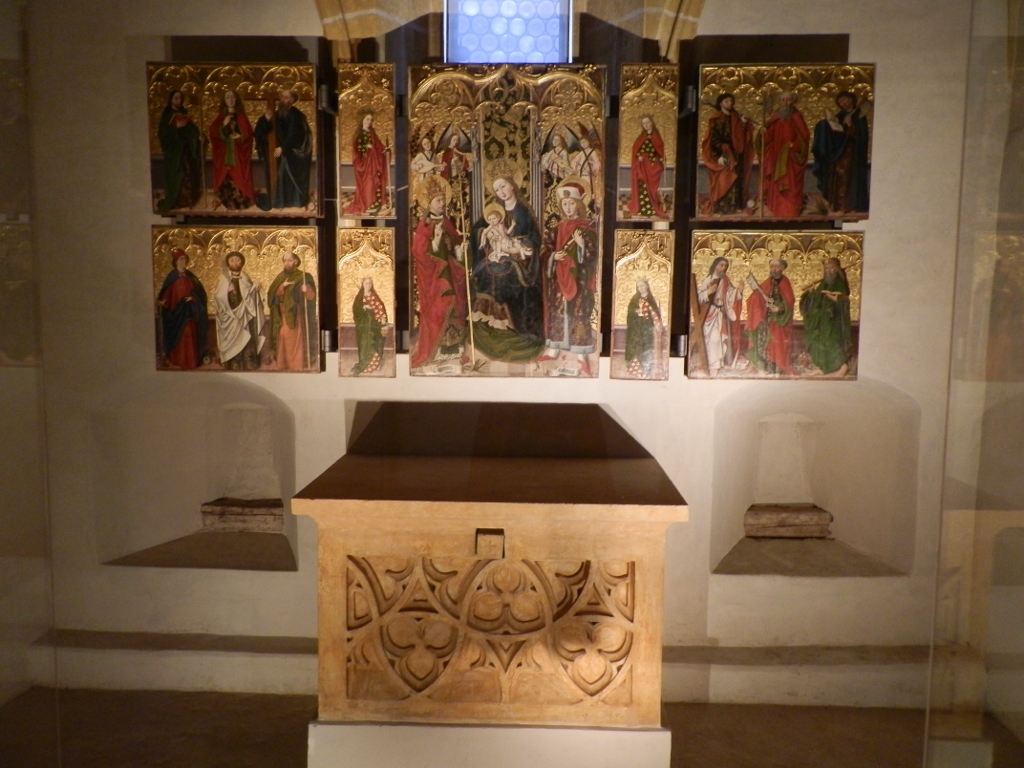 Eggenberg Castle, a detail
I was confused, considering that the castle is said to have been built in the 17th century, but I later found an explanation.
Namely, Eggenberg Castle has two different construction phases. Originally, on the site of today’s castle, there was a noble estate with the Eggenberg family house. From that period, the 15th century, comes this small chapel, which is part of the older complex and is considered the oldest preserved section. The construction of the new Baroque castle on the same site began in 1625 and it is assumed that the architect decided not to completely demolish the old buildings, but to incorporate them into the new complex. Additionally, the chapel was religiously significant, which is another reason it was preserved.
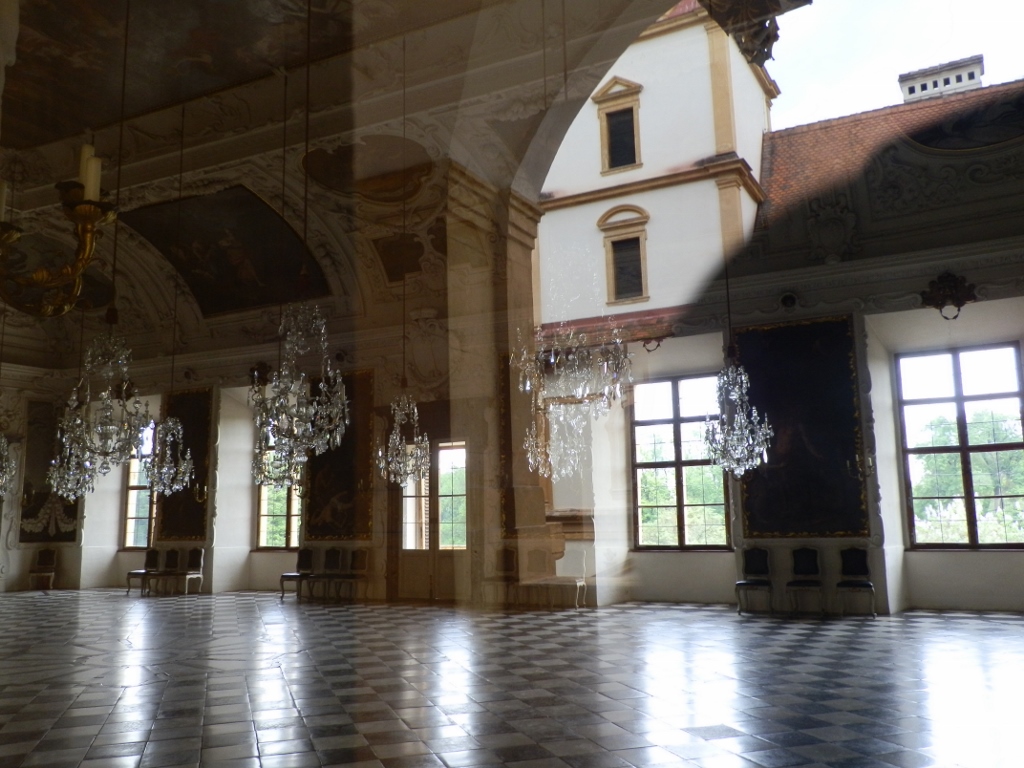
Also, during this first tour of the castle, I was able to see through a large window one of the most impressive rooms in the castle – the Planet Hall.
 Eggenberg Castle, a detail
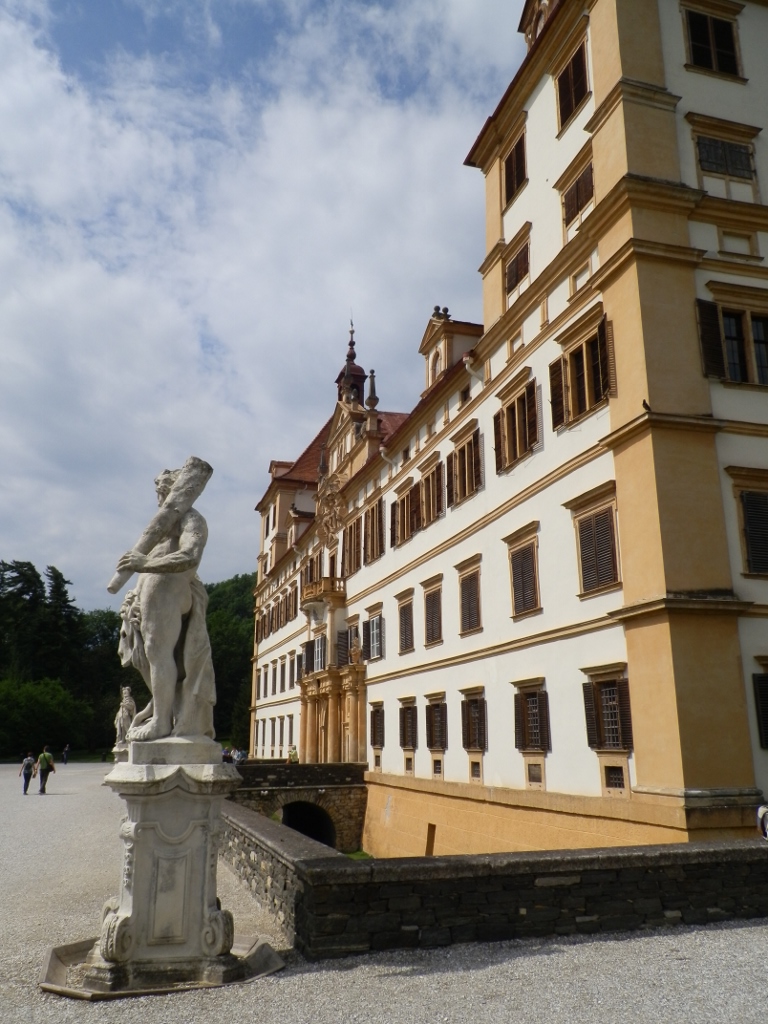
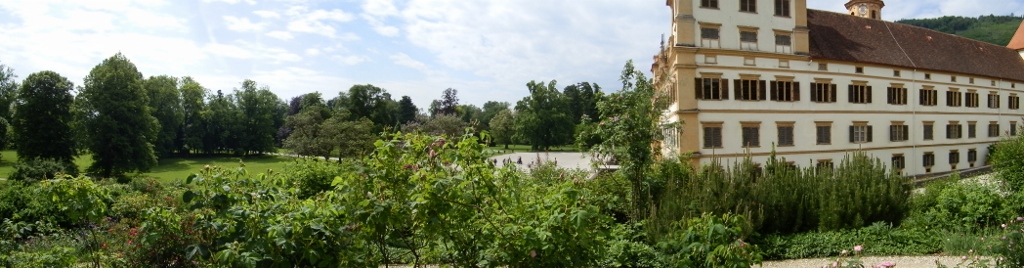
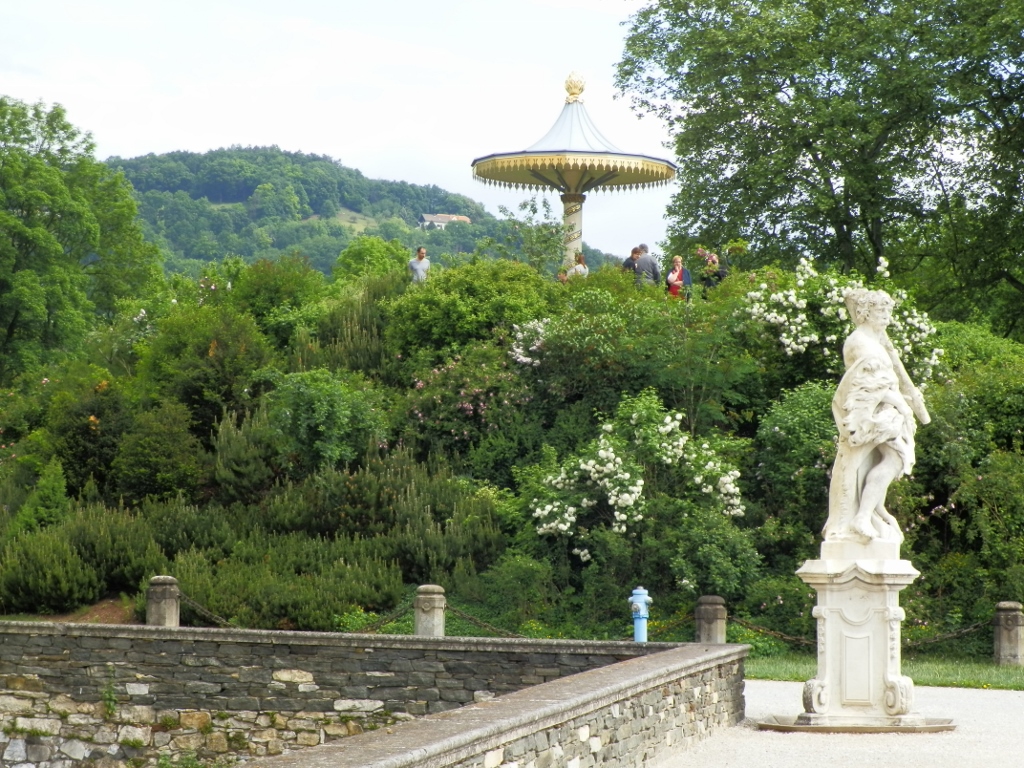
But, before the actual tour of the castle’s interior, I had plenty of time to walk through the impressive park. I started my stroll by photographing the castle’s façade again and then continued along the paths that wind through the surrounding estate.
 Eggenberg Castle, a detail
 Eggenberg Castle, a detail
 Eggenberg Castle, a detail
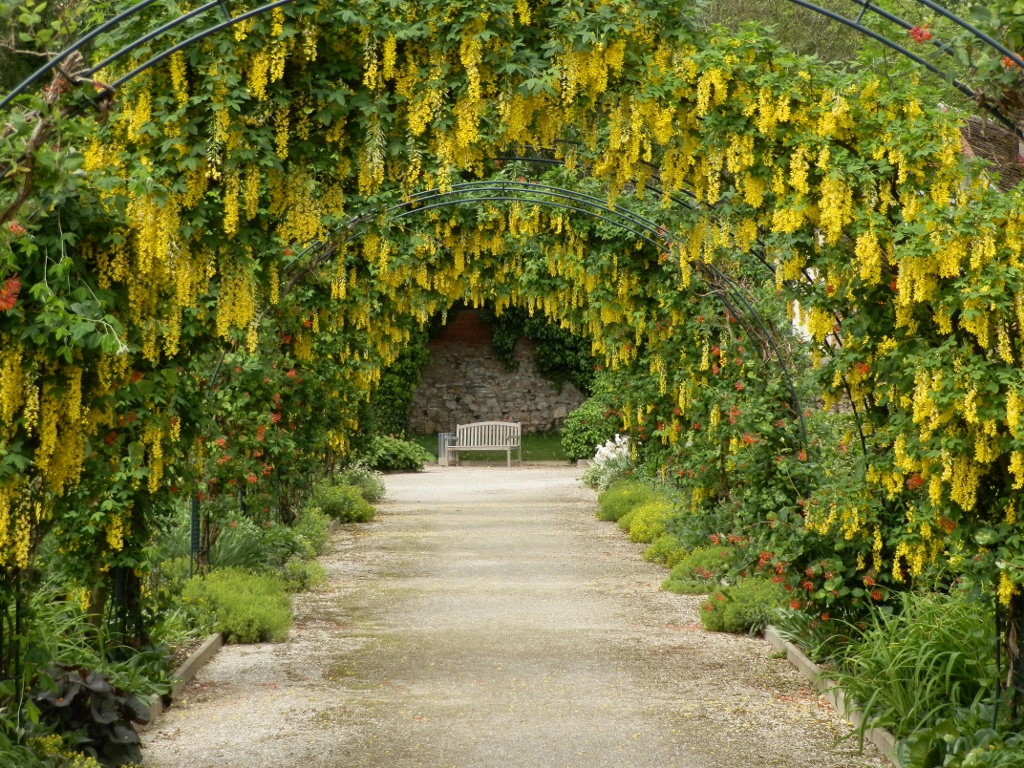
Here, I can only say that this very well-maintained landscape park covers nearly 9 hectares and walking through it is a truly pleasant experience.
 Eggenberg Castle, a detail
 Eggenberg Castle, a detail
 Eggenberg Castle, a detail
 Eggenberg Castle, a detail
 Eggenberg Castle, a detail
 Eggenberg Castle, a detail
 Eggenberg Castle, a detail
 Eggenberg Castle, a detail
 Eggenberg Castle, a detail
 Eggenberg Castle, a detail
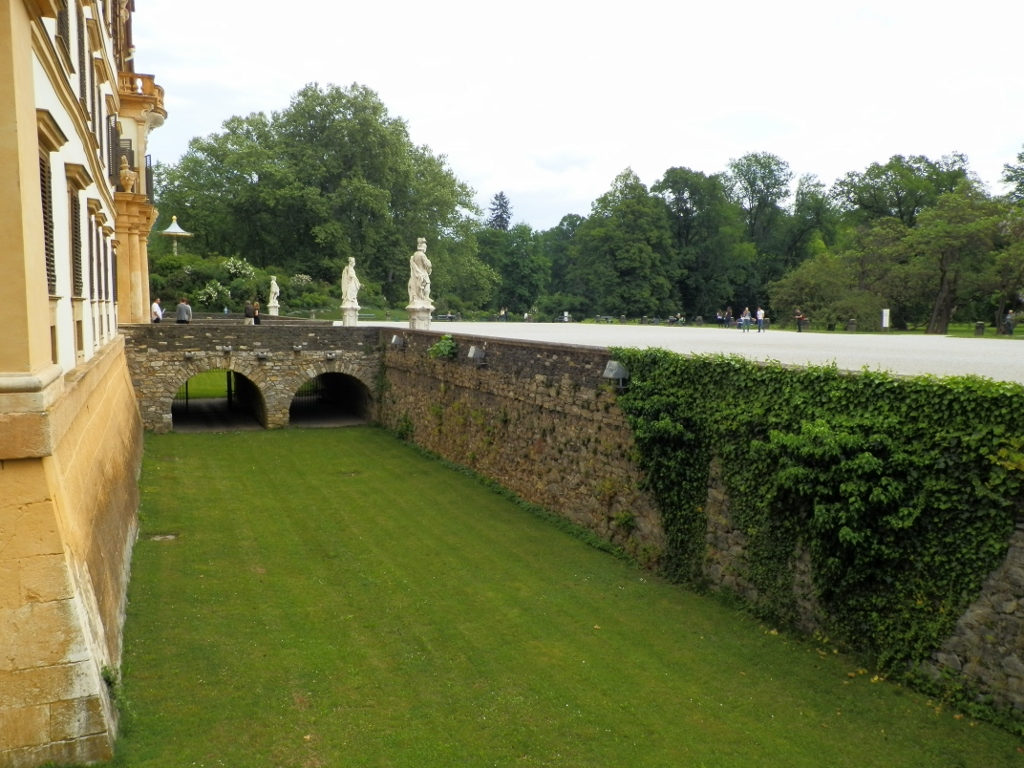
After this nice and relaxing walk, I returned to the castle so I could join the guided group touring the interior.
 Eggenberg Castle, a detail
First, it should be said that today the castle, in addition to being listed on the UNESCO World Heritage List together with Graz’s Old Town, is also part of the Universalmuseum Joanneum, which was founded in 1811. The museum is interdisciplinary and is also the oldest in Austria. Interestingly, the museum encompasses sites at as many as 12 locations across the province of Styria. Eggenberg Castle is one of them, both as a historical exhibit in itself and as a location housing museum displays.
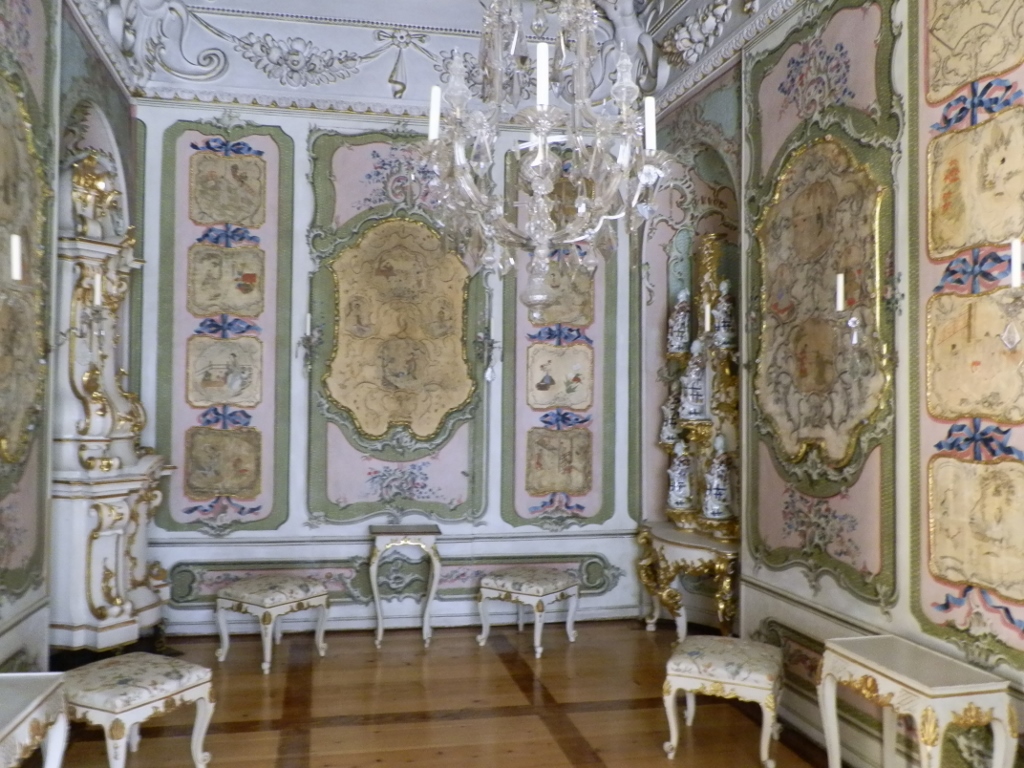
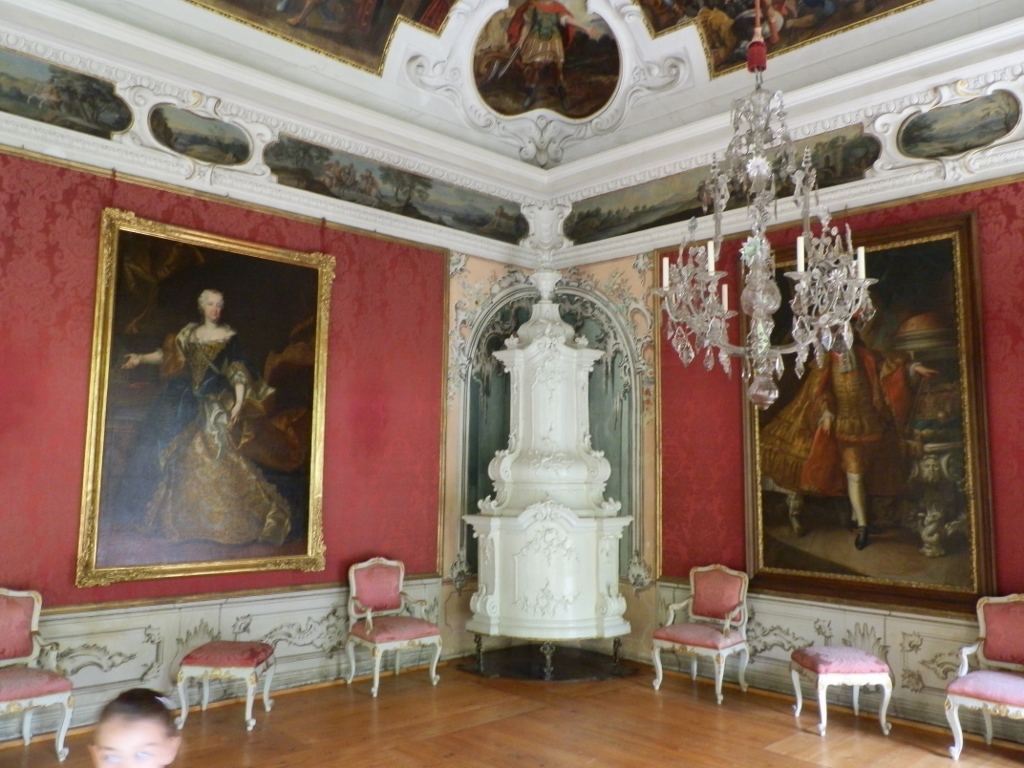
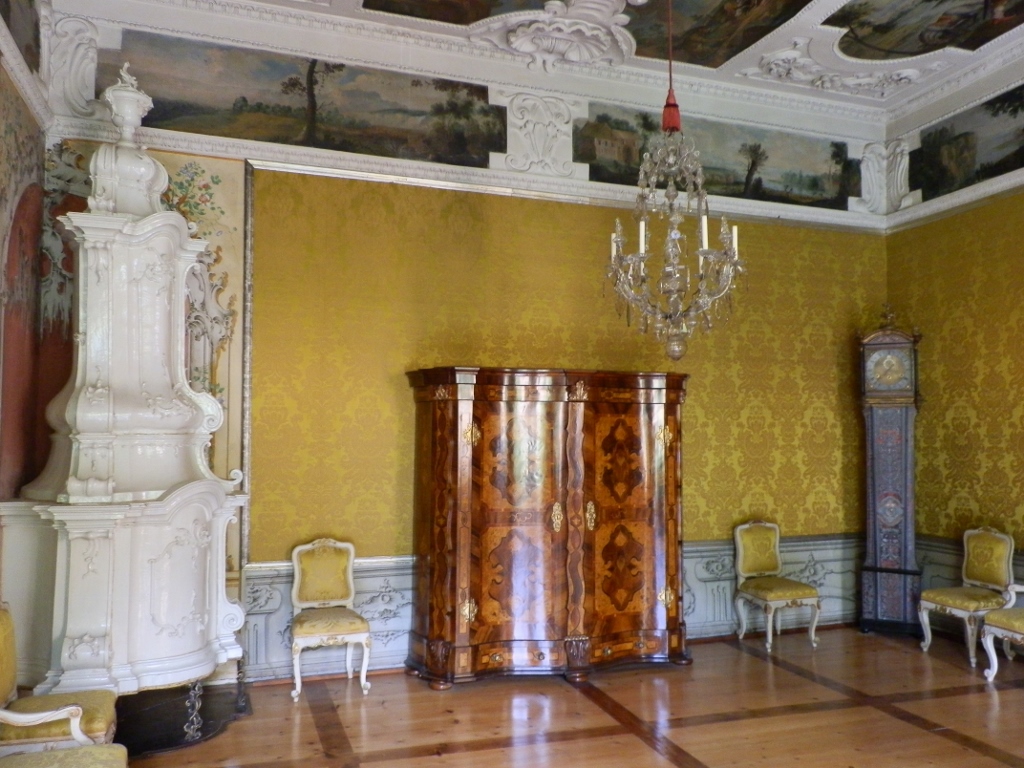
On the one hand, visitors can see originally furnished Baroque rooms from the 17th century with ceiling frescoes, furniture and decorations, illustrating the life of the noble Eggenberg family. On the other hand, the castle also houses a collection of European paintings and sculptures from the Middle Ages to the Baroque, a numismatic collection, one of the largest collections of coins and medals in Austria, and an archaeological museum within the castle park.
But what interested me most was the interior of the castle itself and its rooms, where, in addition to the furniture and furnishings, around 600 ceiling paintings from the 17th century can be seen. This primarily refers to the 24 rooms, which symbolise the hours of the day and were designed as state rooms.
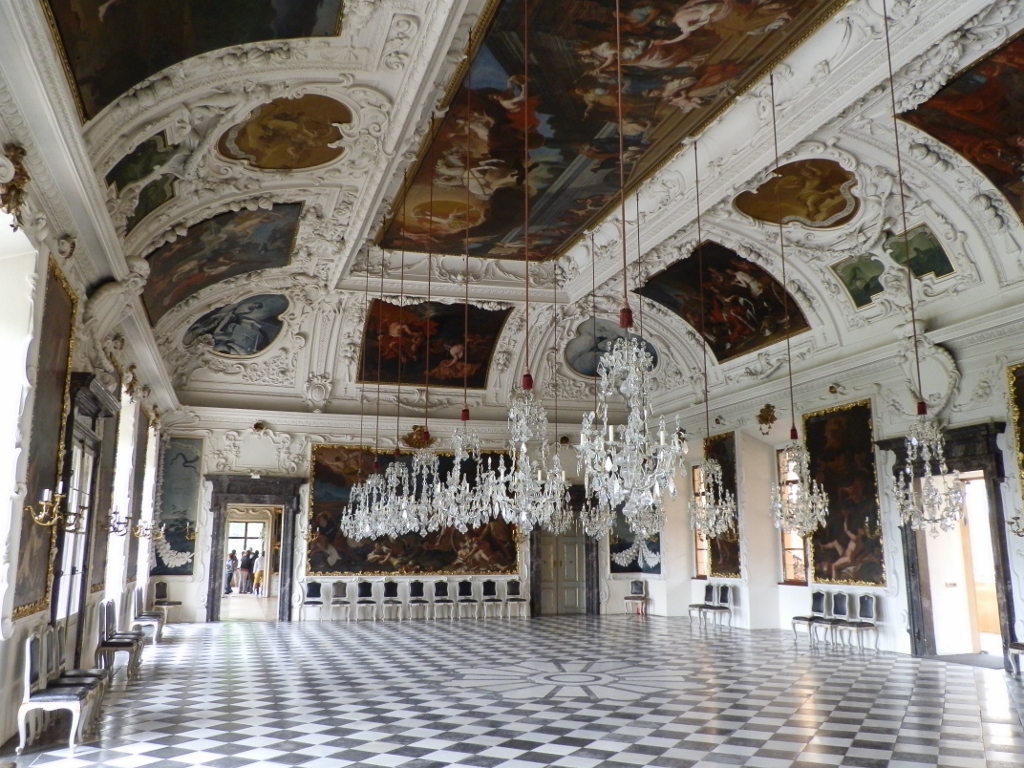
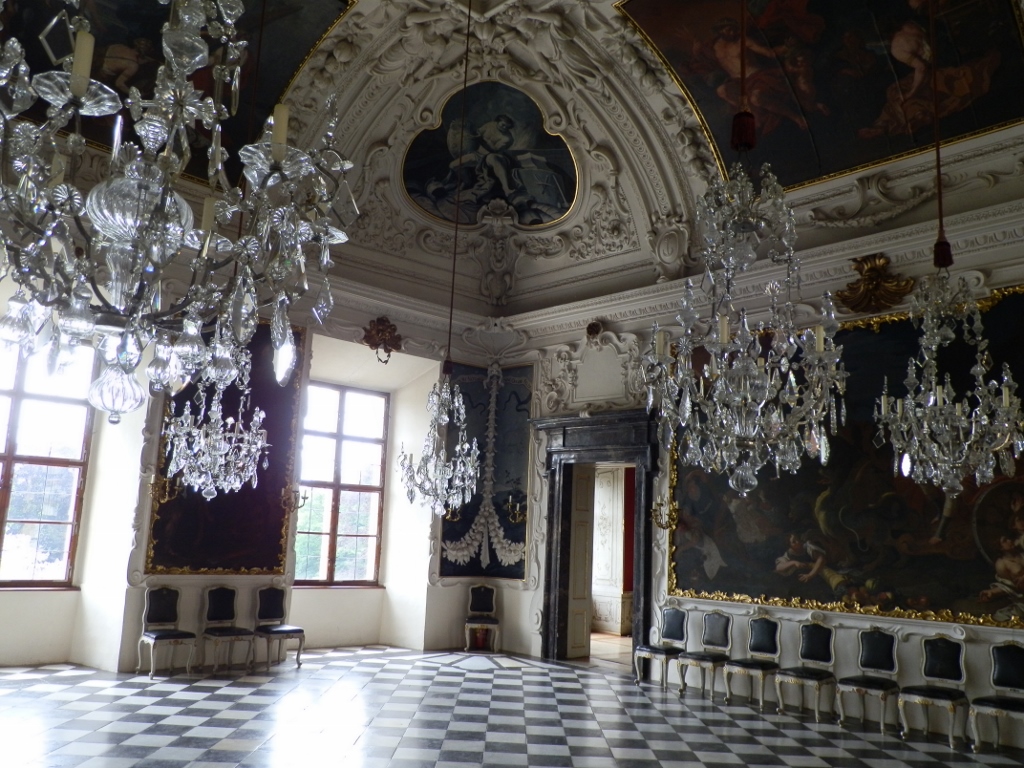
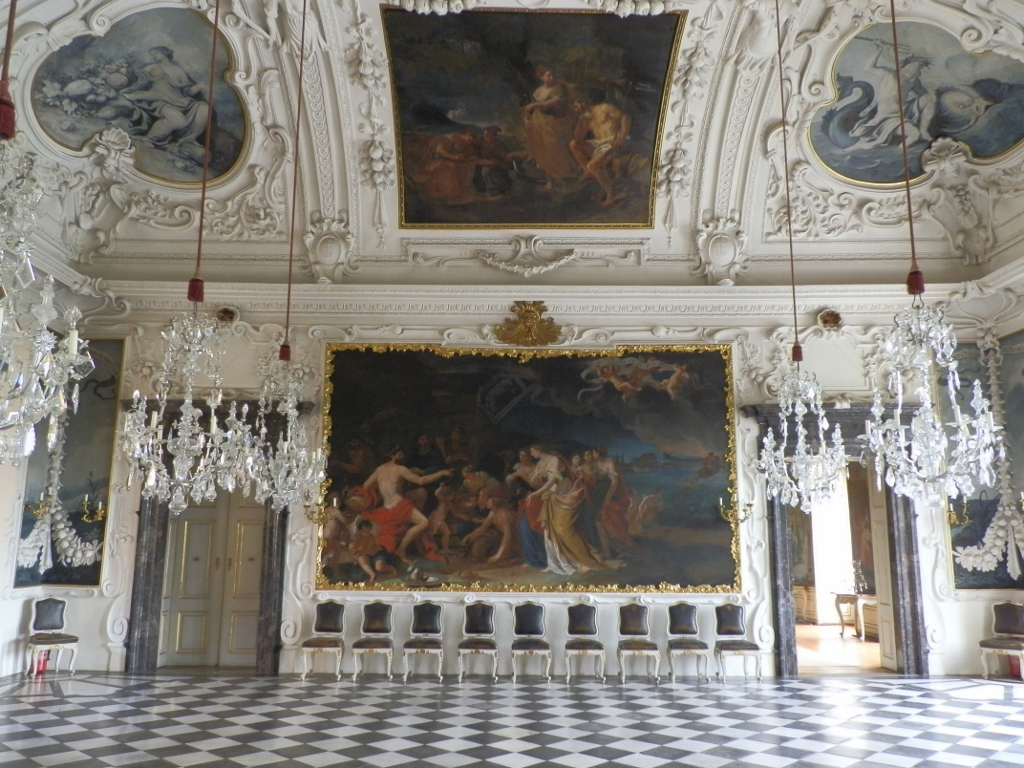
The most prominent room in the castle is the Planet Hall, painted between 1678 and 1685, and this is where the tour of the castle’s interior began.
 Eggenberg Castle, a detail
Both because of its central location and size, the hall served as a grand ceremonial room for receptions and official events.
 Eggenberg Castle, a detail
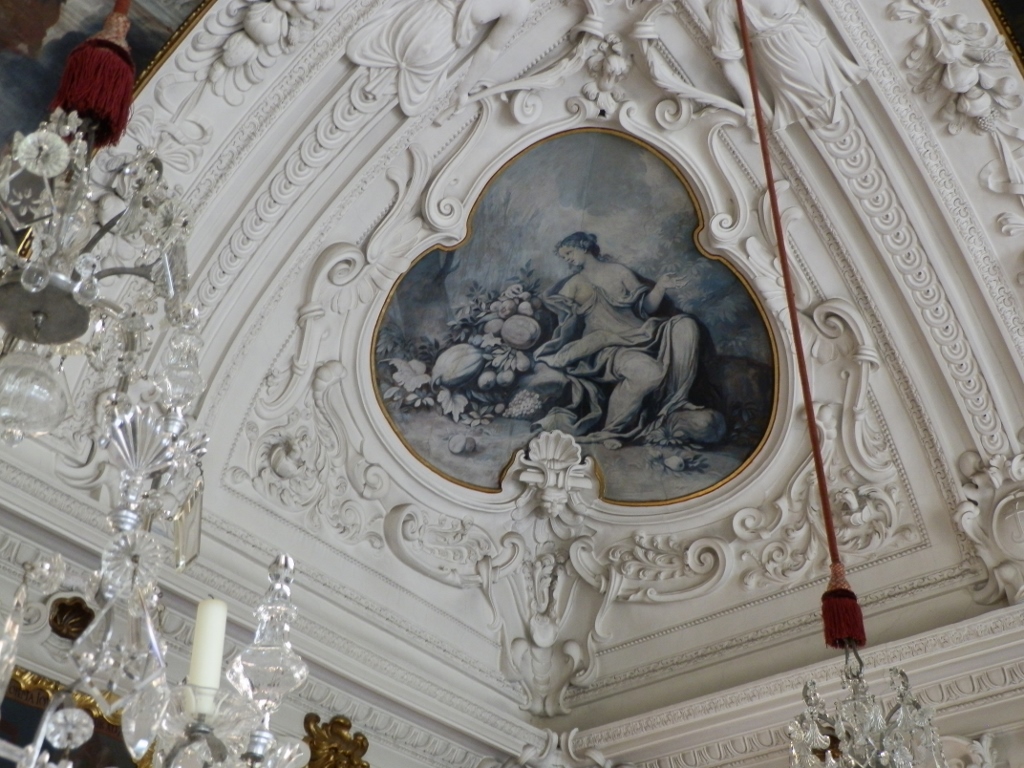
The room gets its name, Planet Hall, from its decoration – a large cycle of paintings on the ceiling and walls depicting the seven “planets” known in the 17th century, that is, celestial bodies according to the astrological and astronomical understanding of the time, with the Sun at the centre, as well as the twelve signs of the Zodiac.
 Eggenberg Castle, a detail
 Eggenberg Castle, a detail
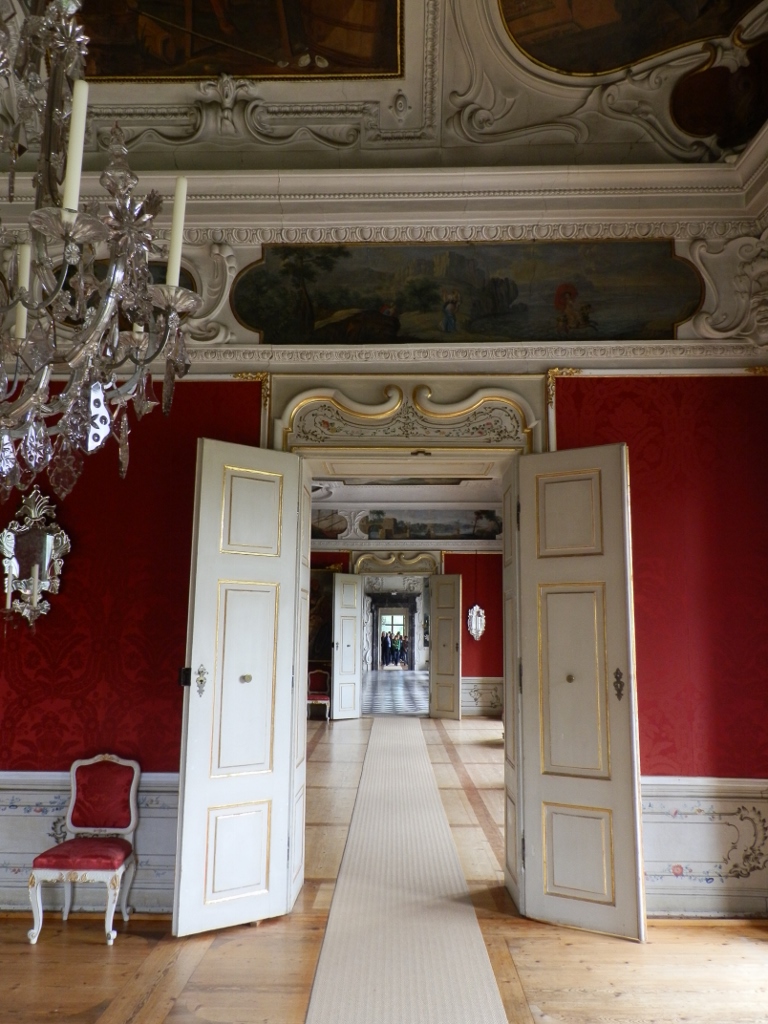
The Planet Hall is the most impressive interior space of the castle and serves as the culminating point of the series of 24 state rooms that follow the symbolic cosmic concept of the palace.
 Eggenberg Castle, a detail
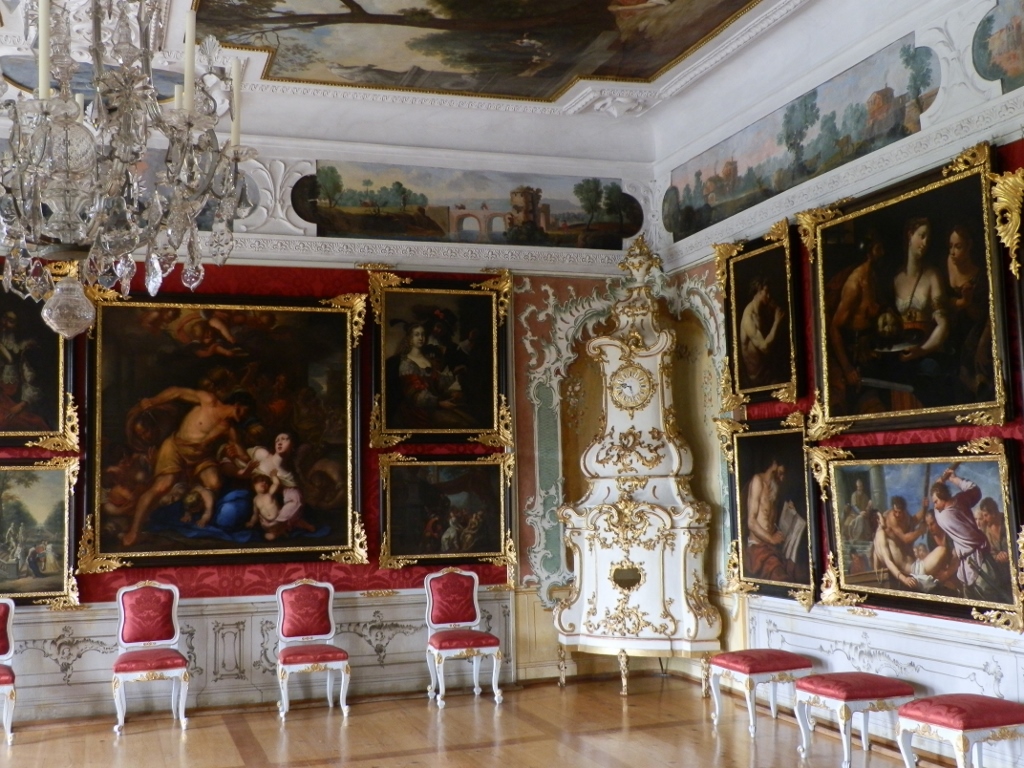
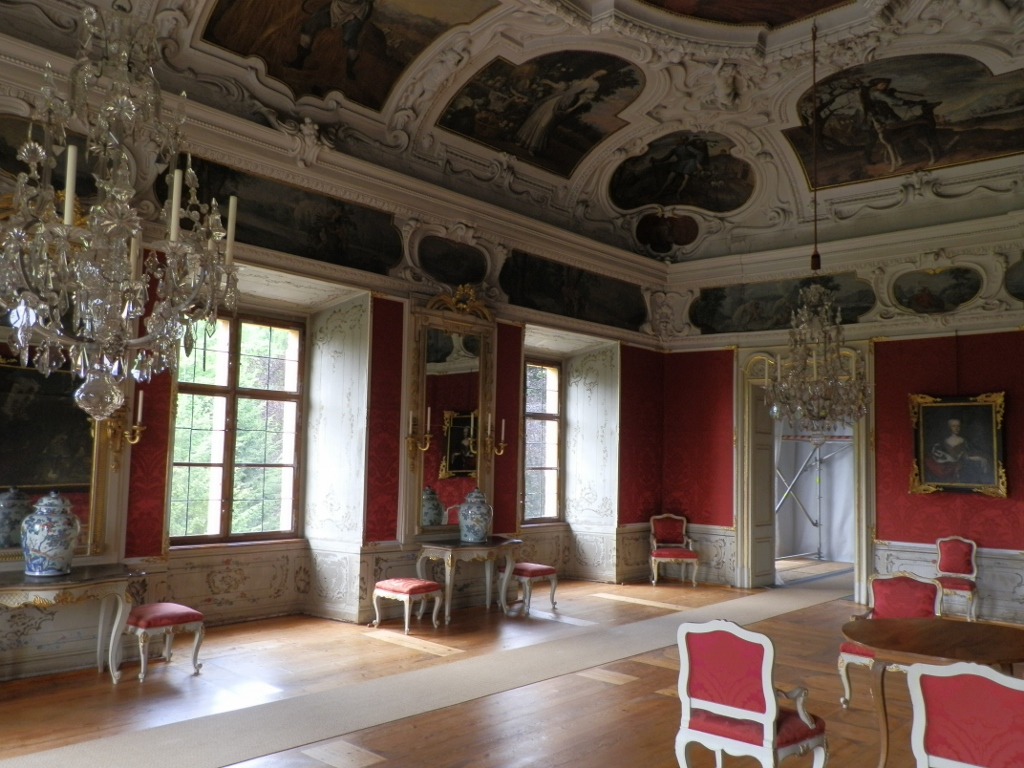
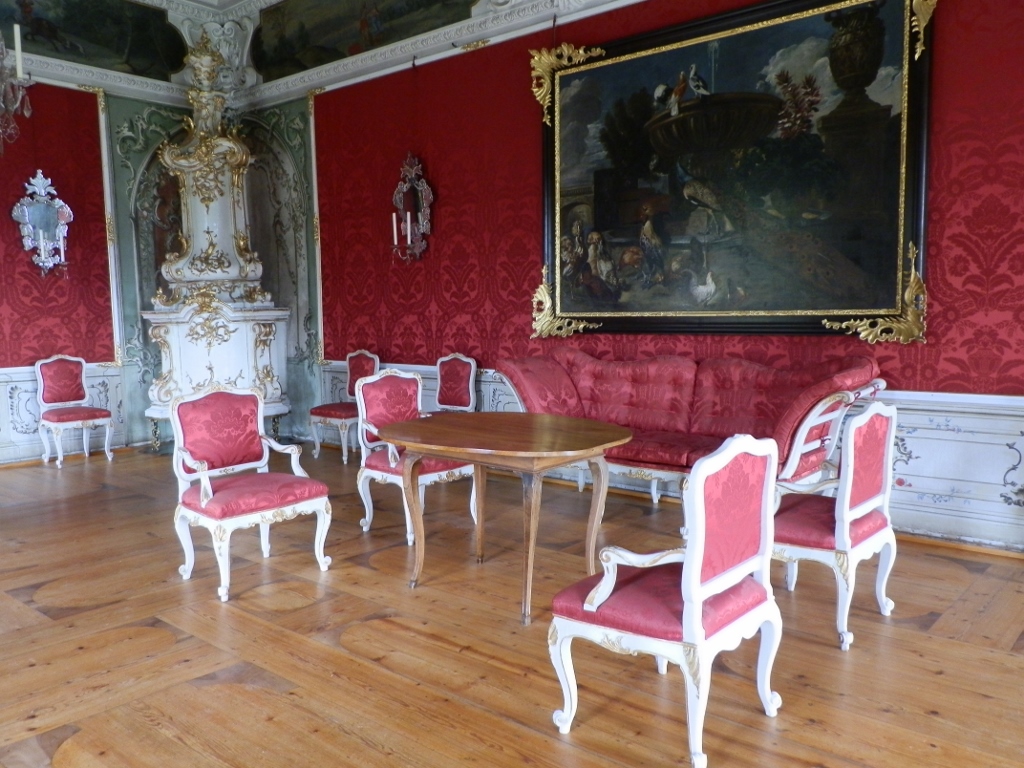
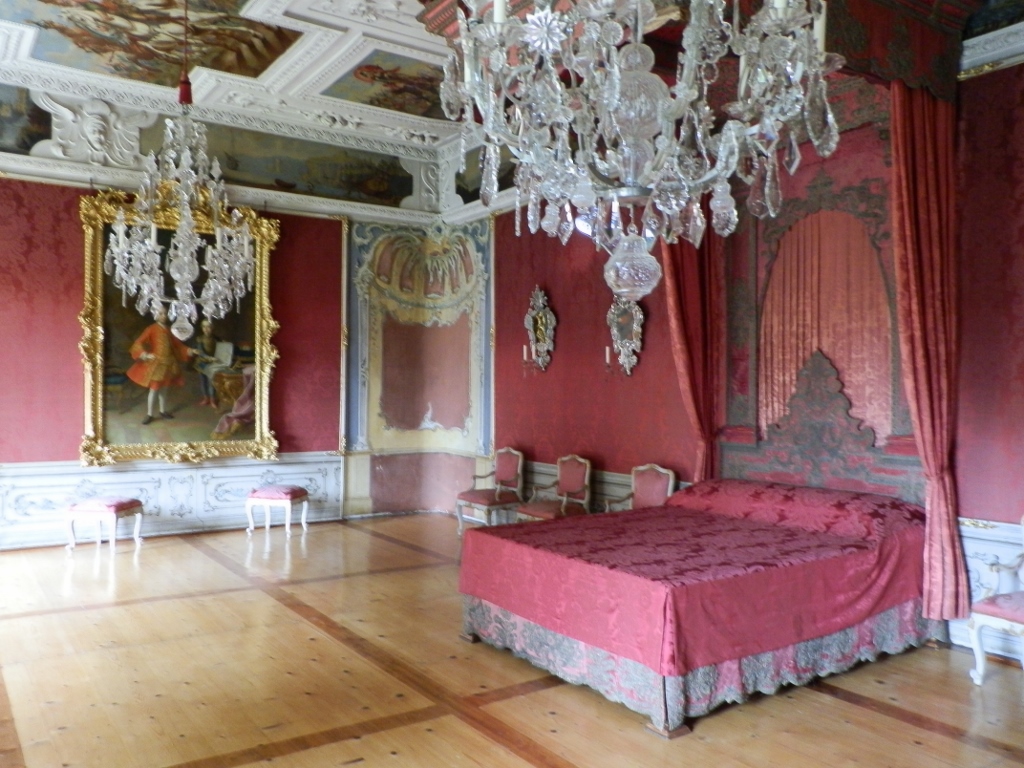
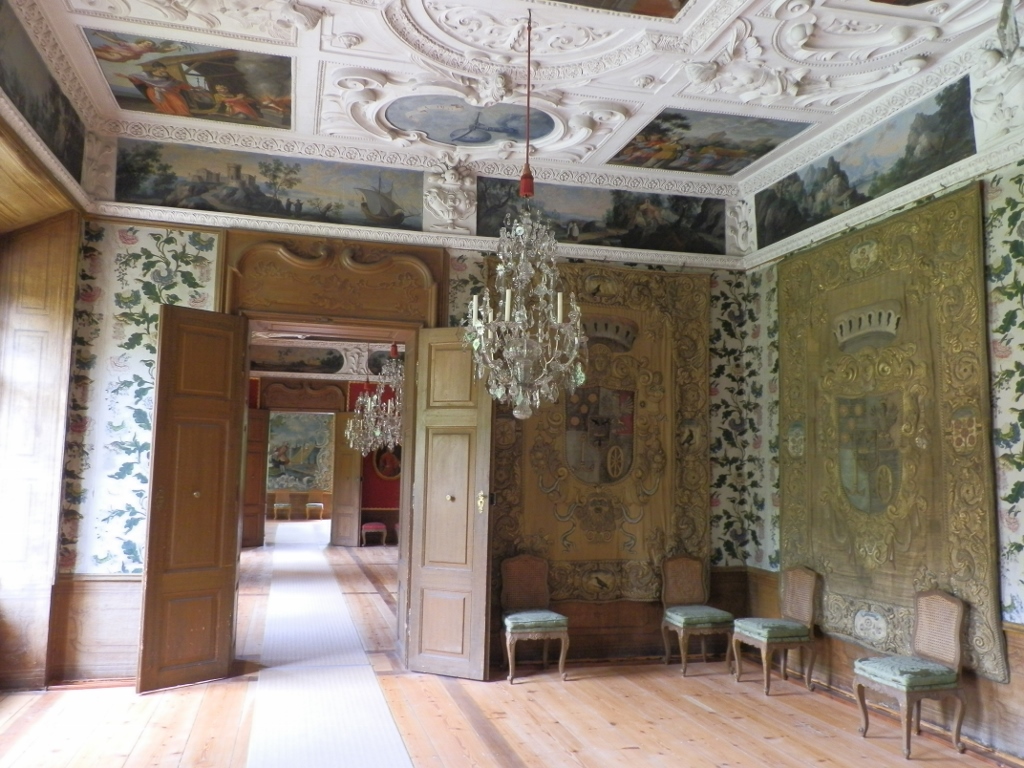
As for the wall paintings, the other rooms depict scenes from Roman history, Christian symbolism, and classical mythology. In addition, some salons preserve original pieces of Baroque furniture, gilded mirrors, and richly carved wooden elements. The decoration emphasises the concept of order and hierarchy, in line with the political ambitions of the patron and the idea of the castle as a reflection of an orderly universe.
 Eggenberg Castle, a detail
 Eggenberg Castle, a detail
 Eggenberg Castle, a detail
 Eggenberg Castle, a detail
 Eggenberg Castle, a detail
 Eggenberg Castle, a detail
 Eggenberg Castle, a detail
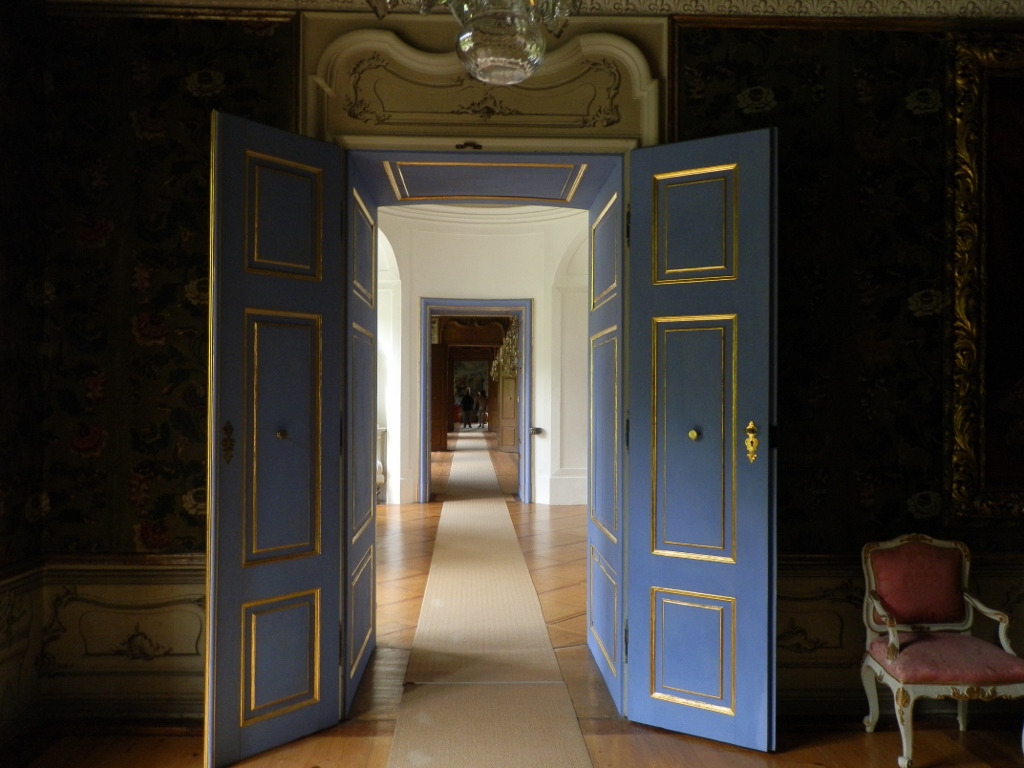
As it can be inferred from the number of photos, I took quite a few pictures here, which in turn seemed to annoy the young woman who was our guide. My photographing was not noisy at all, on the contrary, but it bothered her that she was speaking while I was looking around and taking photos. Of course, I wasn’t the only one; the rest of the group was there too, but this young woman demanded the absolute and undivided attention of ALL group members. I tried to explain to her that I am a simultaneous interpreter and have the professional habit of being able to do multiple things at once, that is, to photograph while also listening, but she was not convinced at all and remained rather sour until the end.
 Eggenberg Castle, a detail
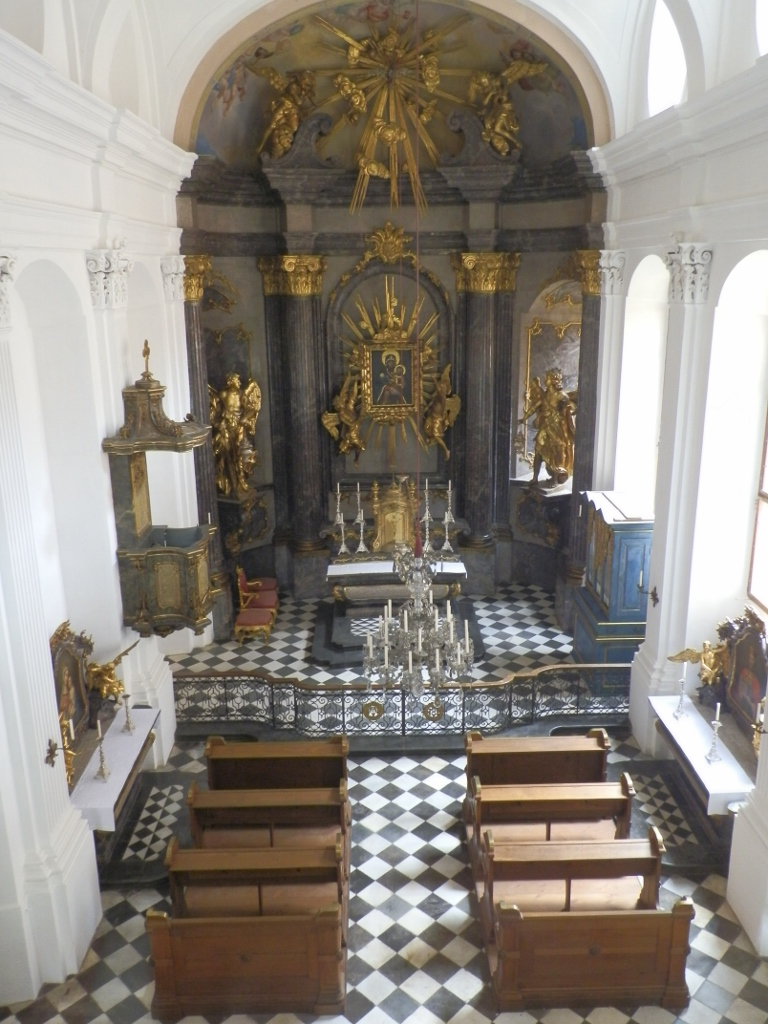
Over time, we reached a spot from which the 18th-century chapel could be seen nicely. It was built when the castle passed into the hands of the Herberstein family, who adapted some of the spaces to new representative and liturgical needs. The chapel was designed in line with the Rococo taste of the time, featuring bright walls and a highly decorative altar area.
The chapel was intended for private worship by the noble family who owned the castle, as well as for ceremonial events such as baptisms and weddings. Today, it is also part of the Universalmuseum Joanneum and is occasionally used for church services, chamber music concerts, and formal events.
 Eggenberg Castle, a detail
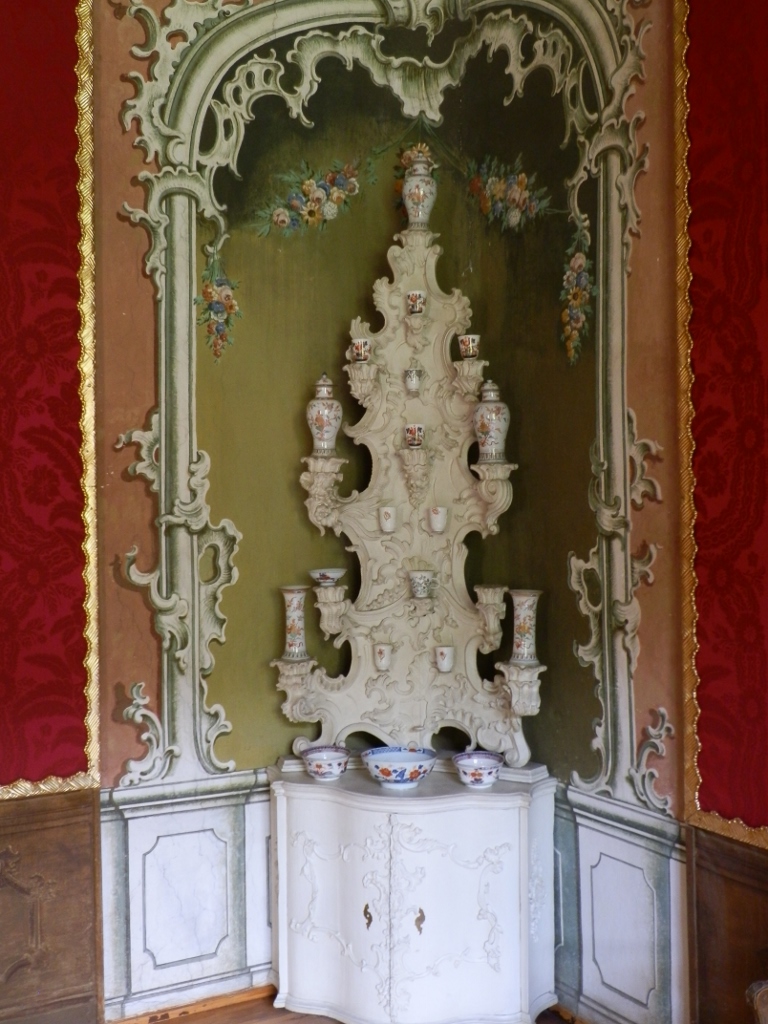
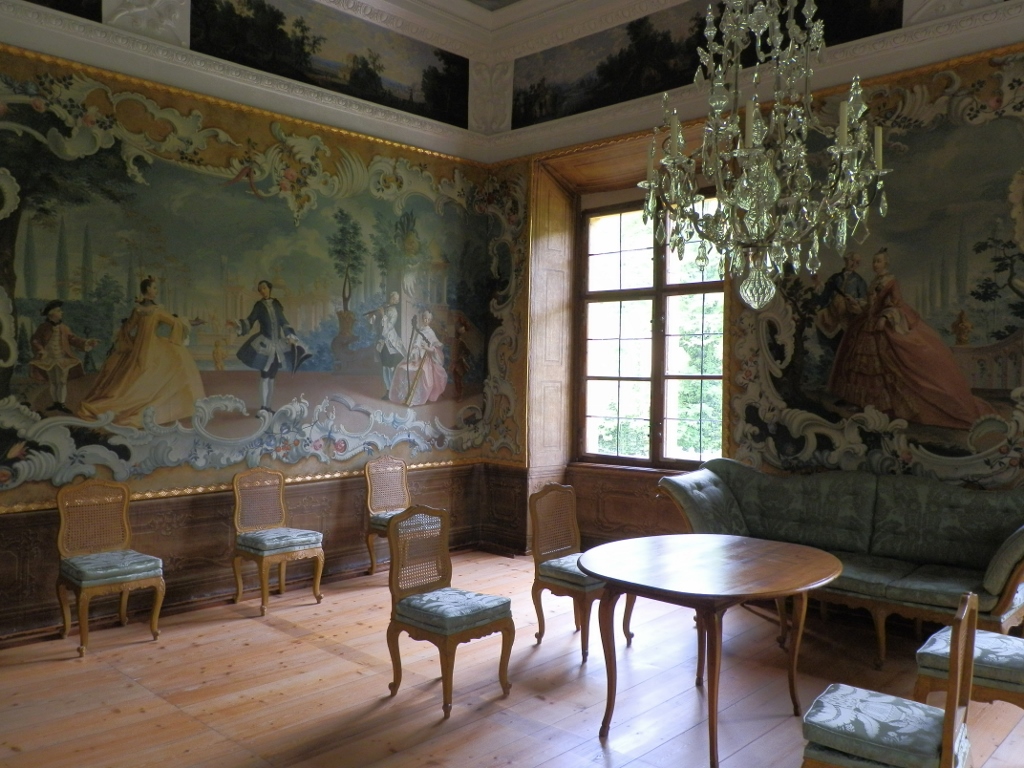
The rooms that followed on the tour were exceptionally impressive and I continued to take photos while carefully listening to the guide.
 Eggenberg Castle, a detail
 Eggenberg Castle, a detail
 Eggenberg Castle, a detail
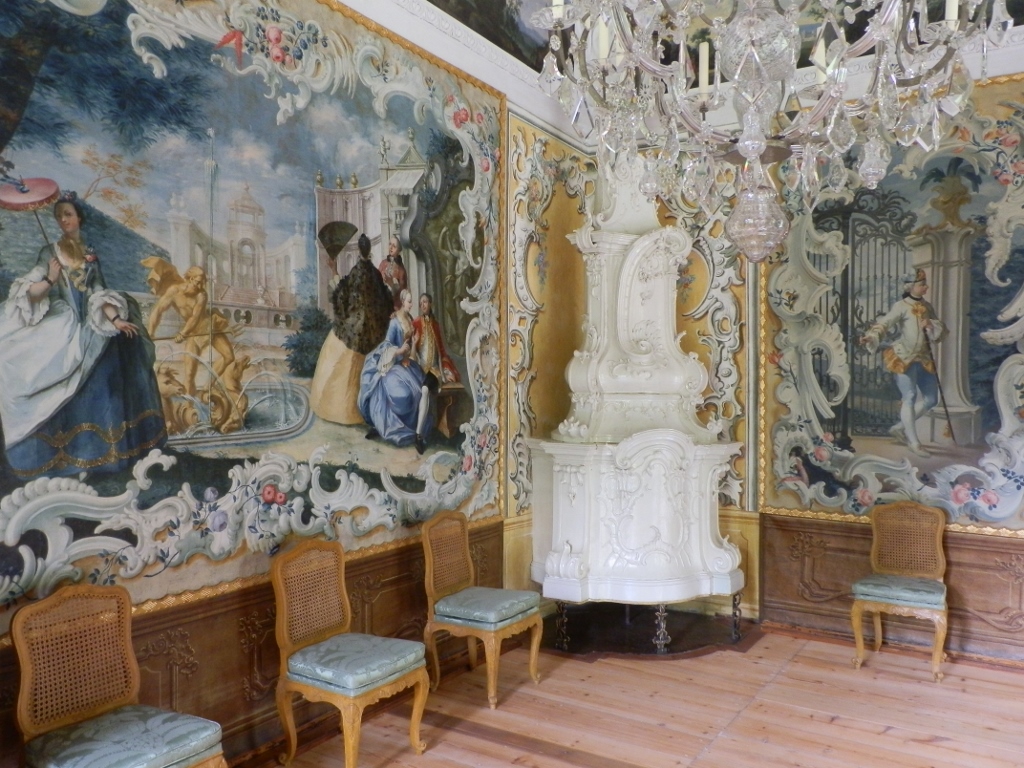 Eggenberg Castle, a detail
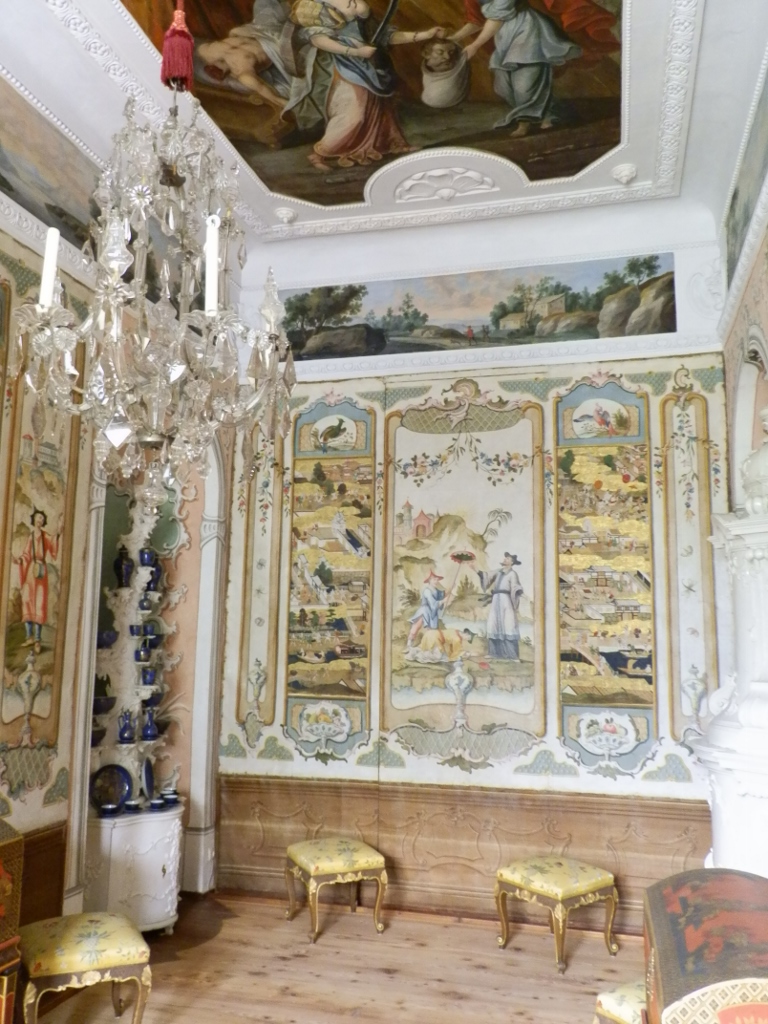 Eggenberg Castle, a detail
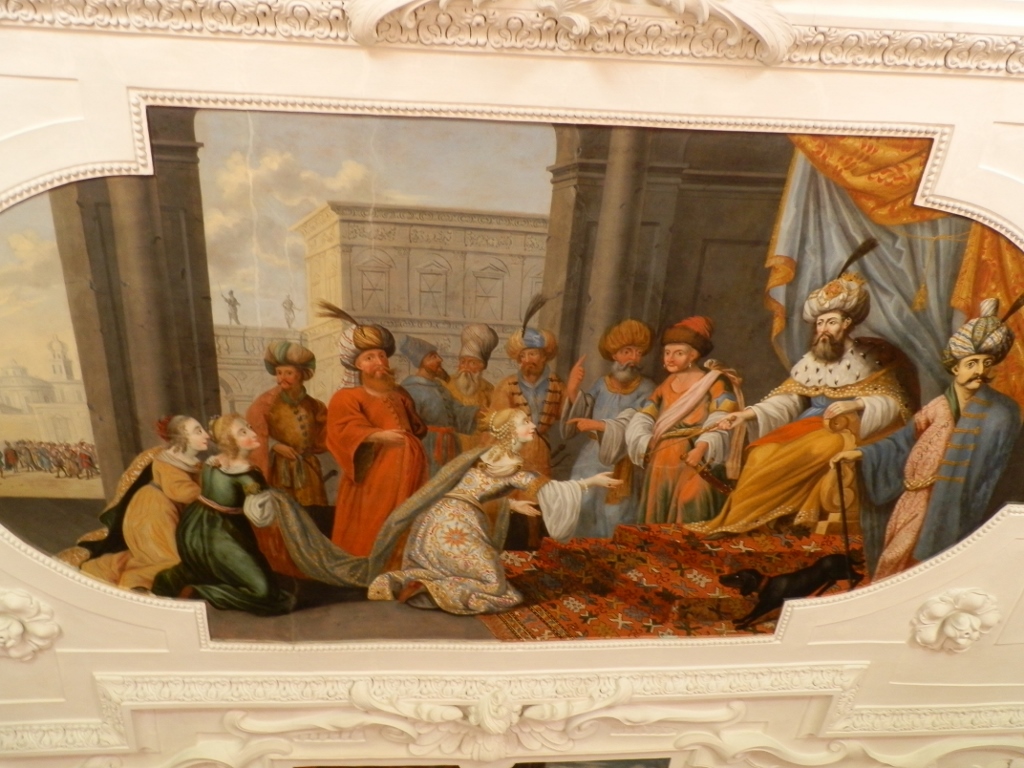 Eggenberg Castle, a detail
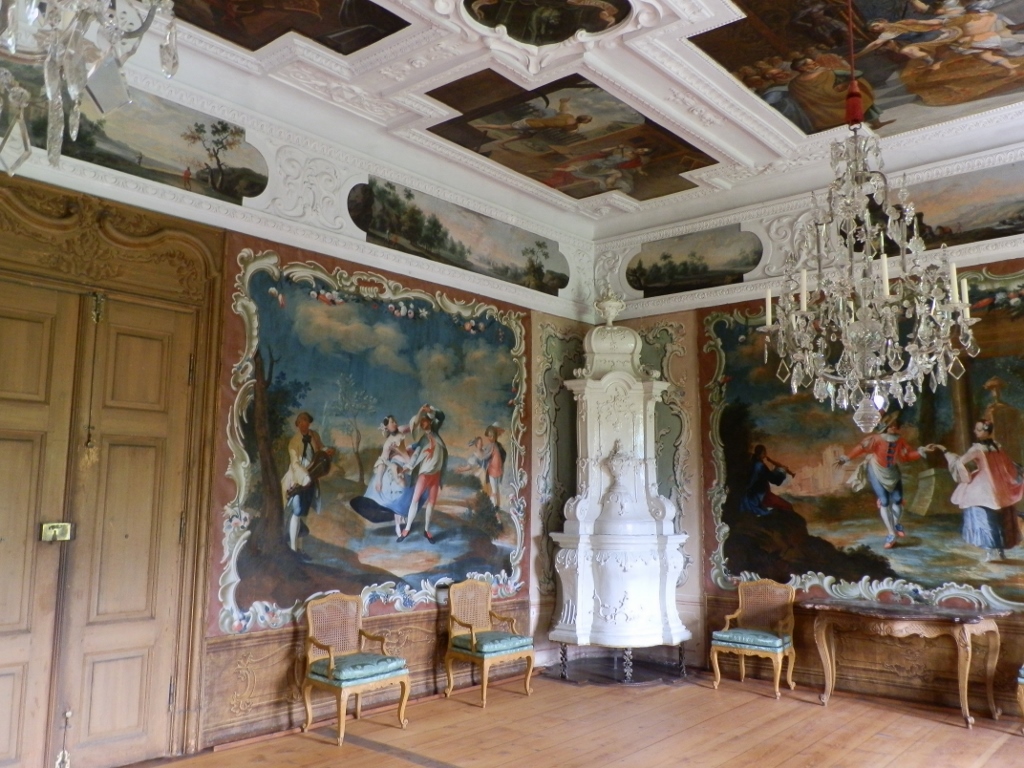 Eggenberg Castle, a detail
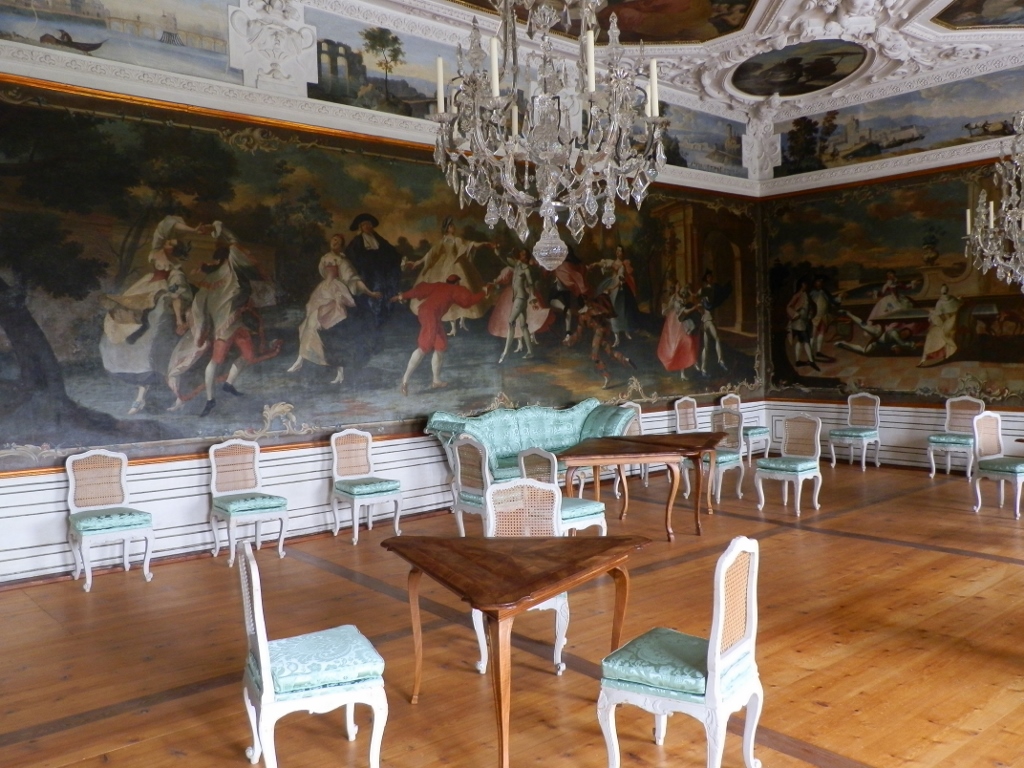 Eggenberg Castle, a detail
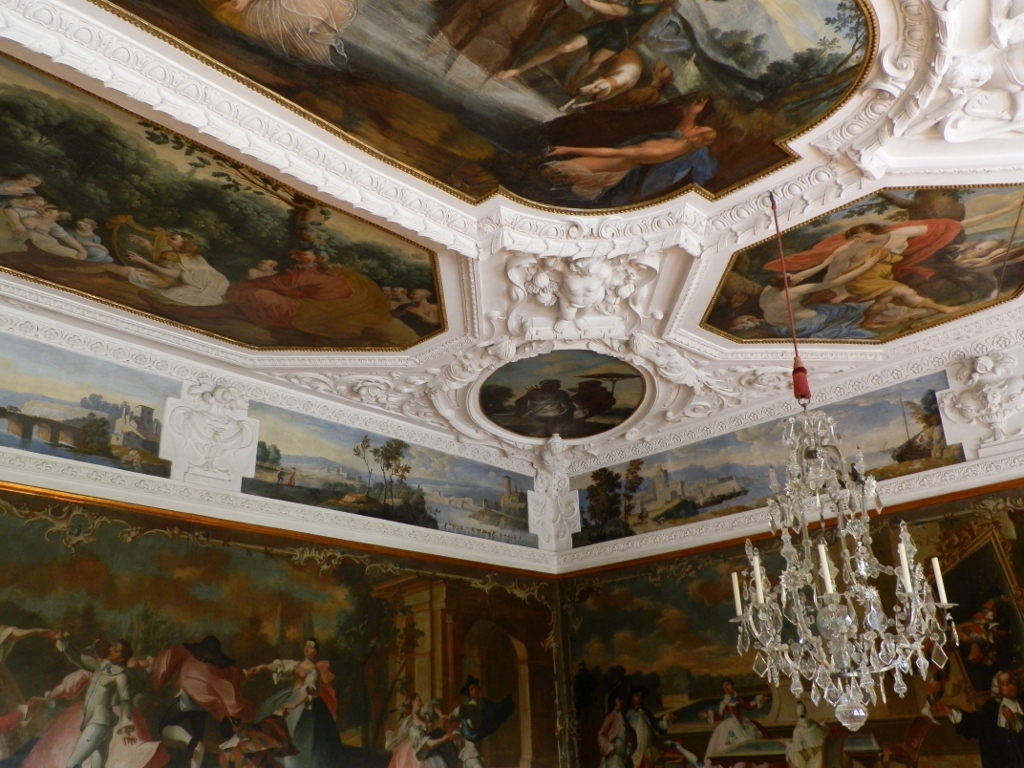 Eggenberg Castle, a detail
Near the end, I captured a glimpse of the surrounding park through a window and I could easily imagine how the former owners must have enjoyed the beautiful view from one of the rooms in their castle.
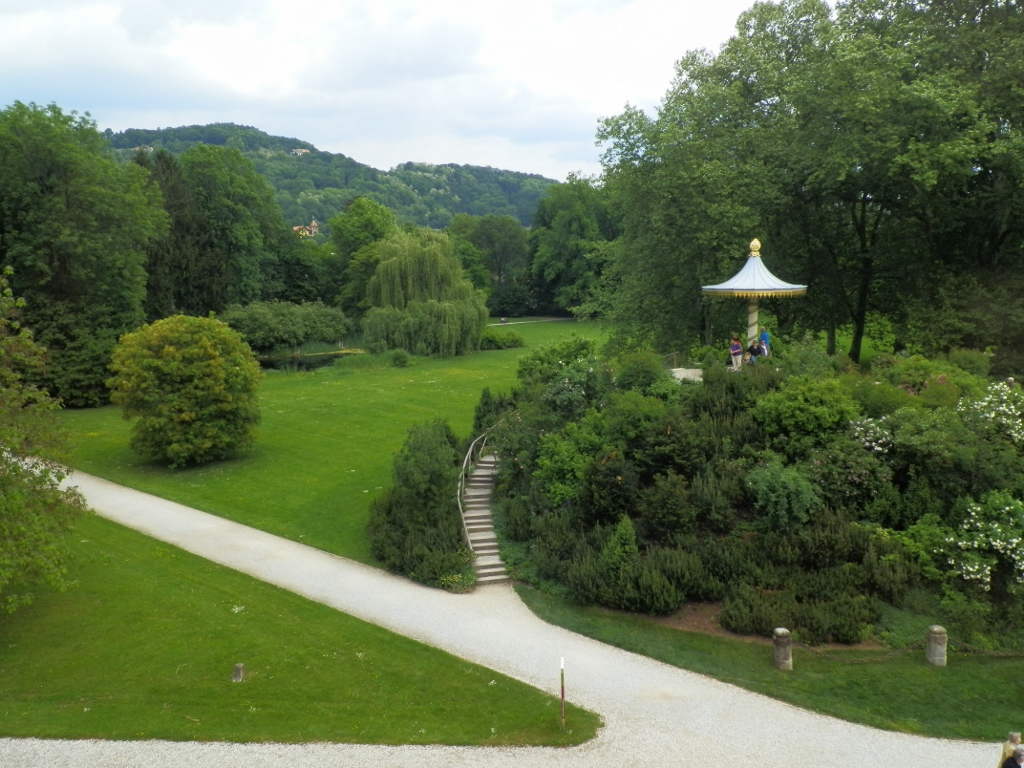 Eggenberg Castle, a detail
After about 40 minutes, the tour of the castle’s interior was finished and I was very pleased to have visited.
Then I headed back towards the city bus station in order to return to the city centre, but along the way I occasionally looked back and photographed Eggenberg Castle again.
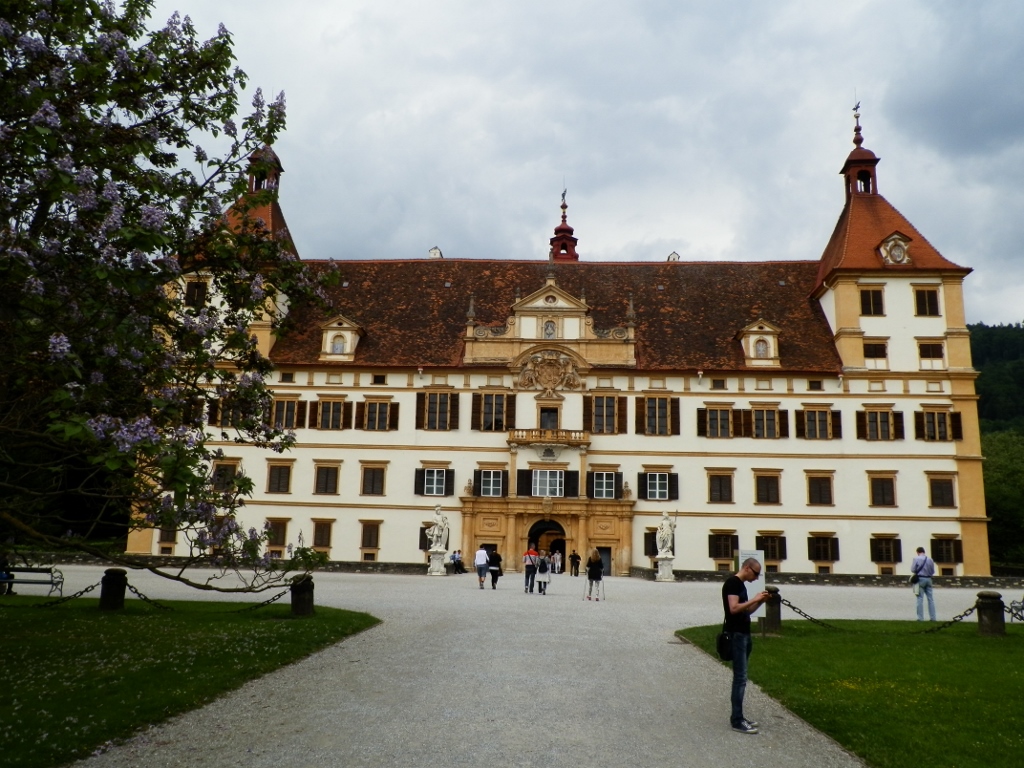 Eggenberg Castle
 Eggenberg Castle