Walking with my friends, Katja and Toma, around Uppsala in early June 2013, we also came to the cathedral.
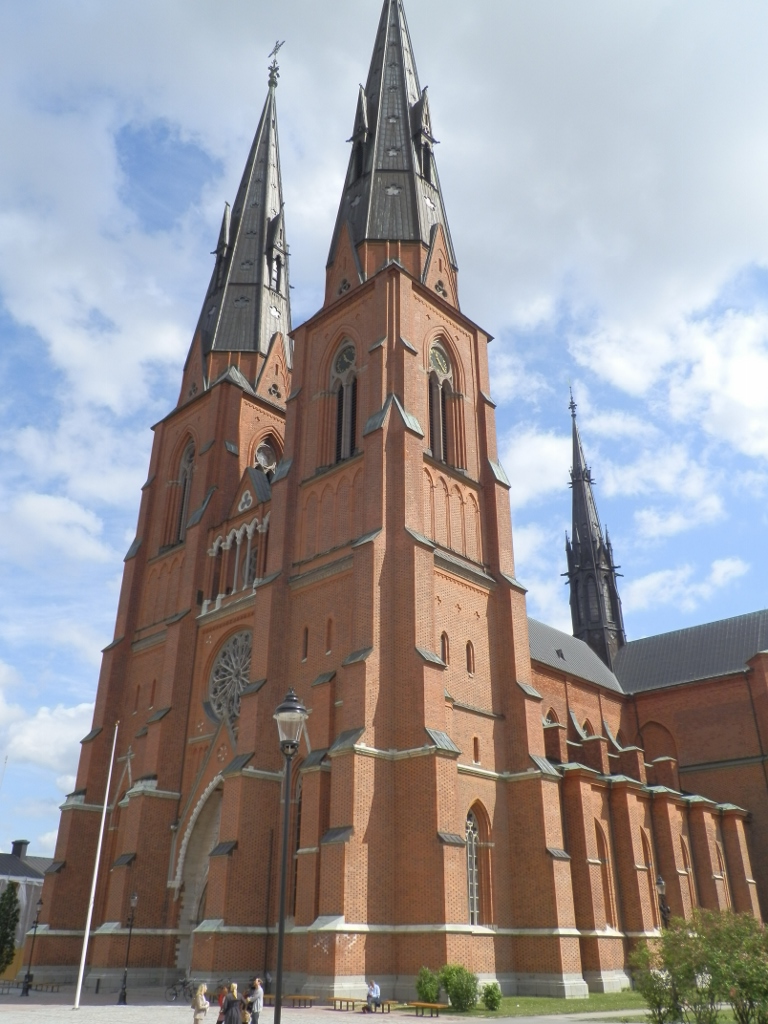 Uppsala Cathedral
Uppsala Cathedral is the largest church in Sweden and one of the most important historical buildings in the country. It was built in the Gothic style in the 13th century, while over time it has been restored and expanded several times. Swedish kings, renowned bishops, and scholars are buried there, including Carl Linnaeus, whom I mentioned in more detail in the previous instalment of these travel stories. The cathedral is also impressive for its tall towers, stained-glass windows and richly decorated interior.
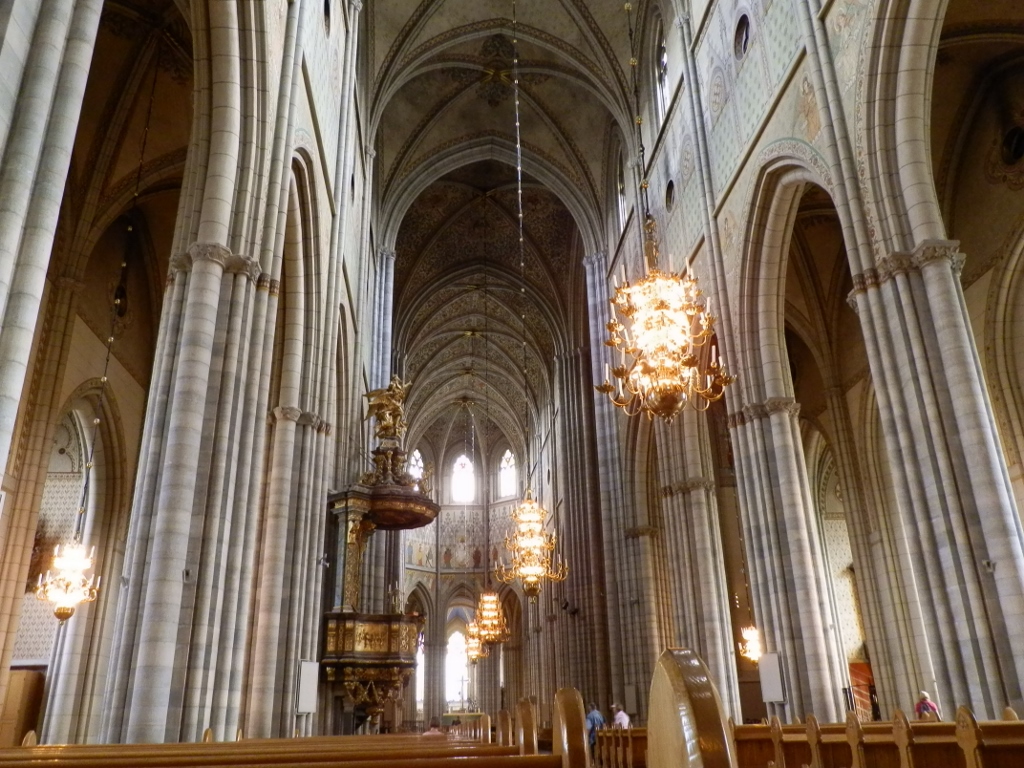 Uppsala Cathedral, a detail
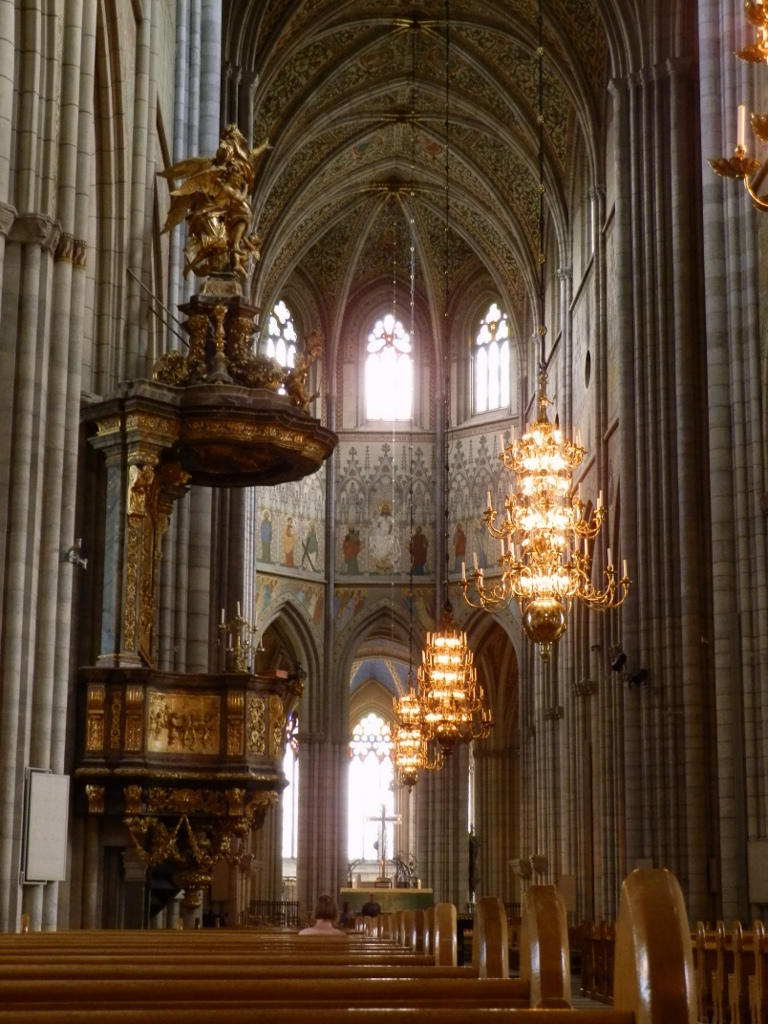 Uppsala Cathedral, a detail
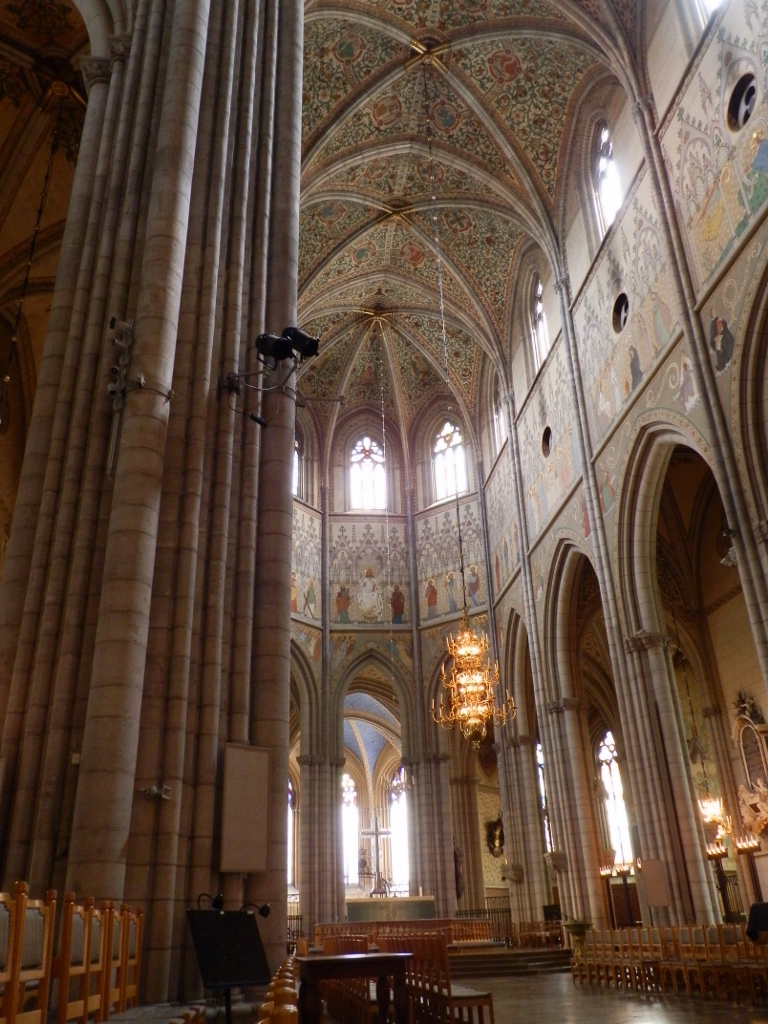 Uppsala Cathedral, a detail
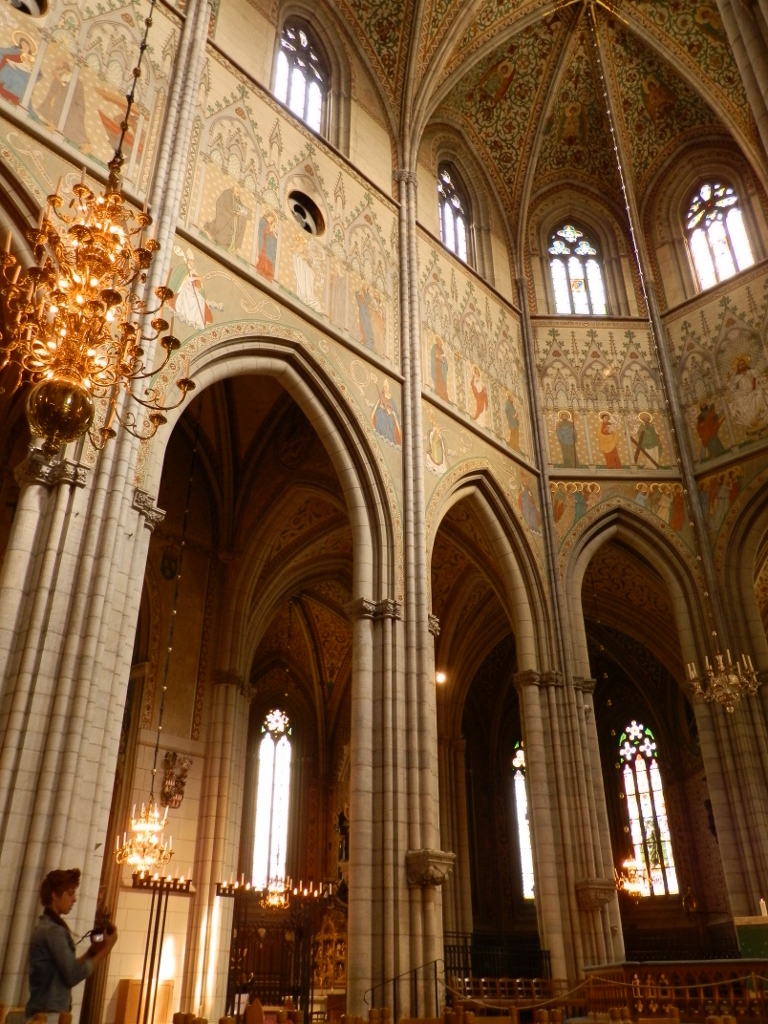 Uppsala Cathedral, a detail
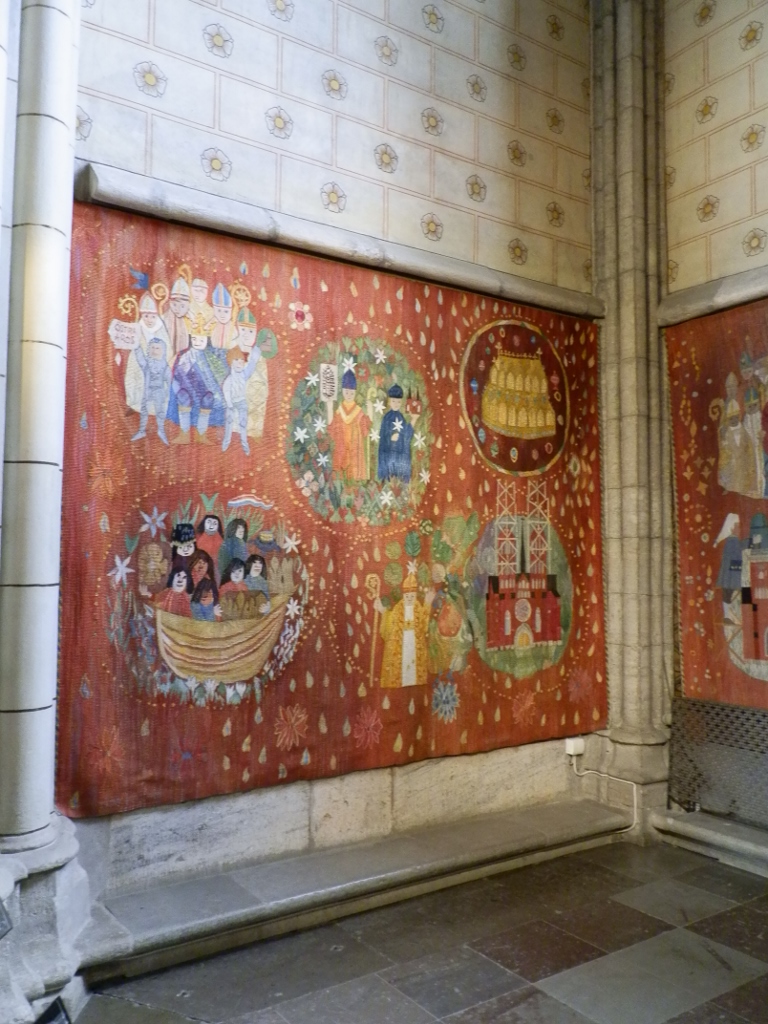 Uppsala Cathedral, a detail
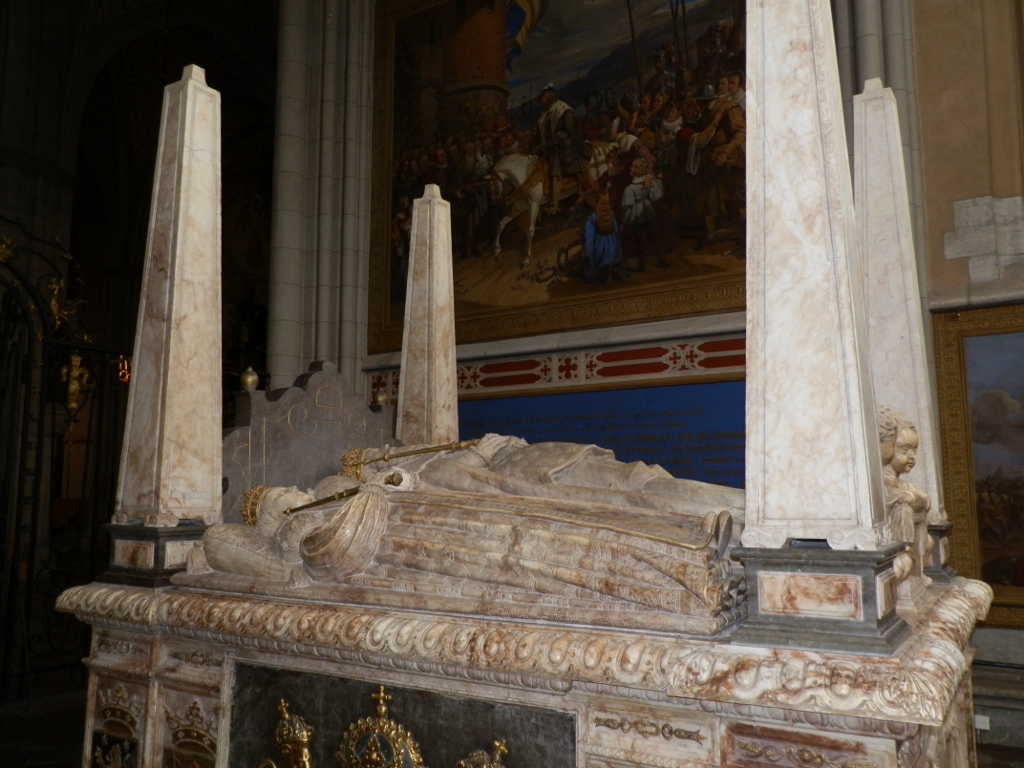 Uppsala Cathedral, a detail
With the passage of time, however, customs also change. Thus, throughout the year the cathedral hosts not only important church ceremonies, but also cultural events. In addition, it was interesting to see the change in the spirit of the times on the plaque listing the names of the deans (head priests) of the cathedral. Since 2009, the dean of Uppsala Cathedral has been a woman.
After touring the cathedral, I continued walking around Uppsala with Katja and Toma, but I turned back once more to photograph the city’s main church.
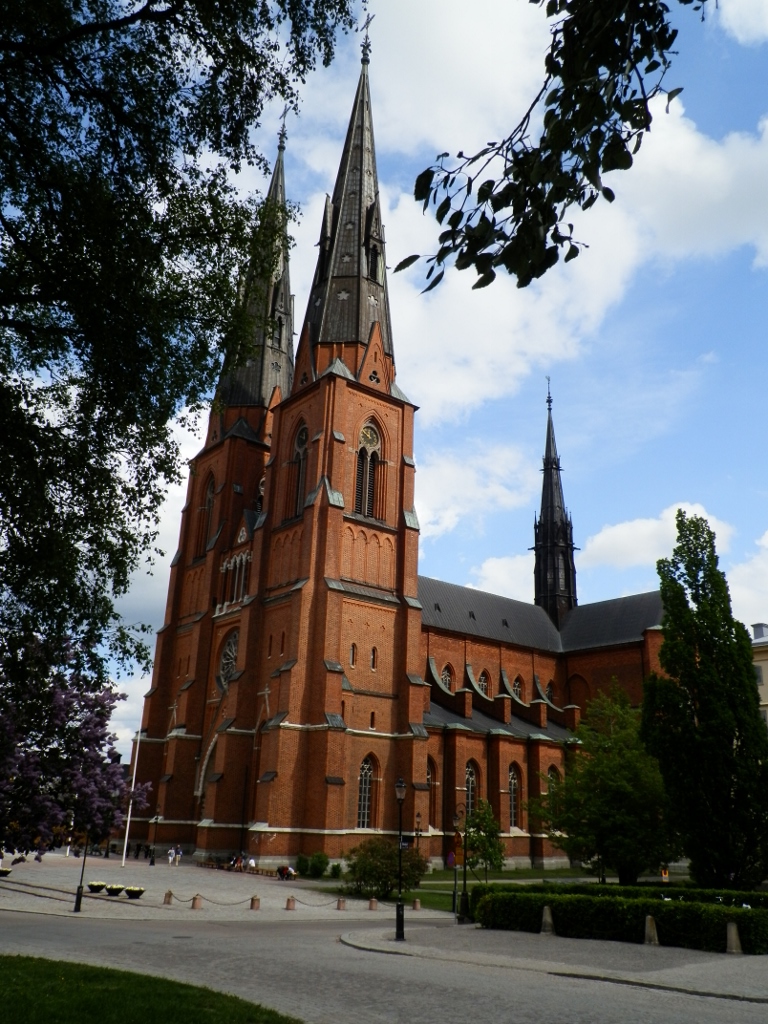 Uppsala Cathedral
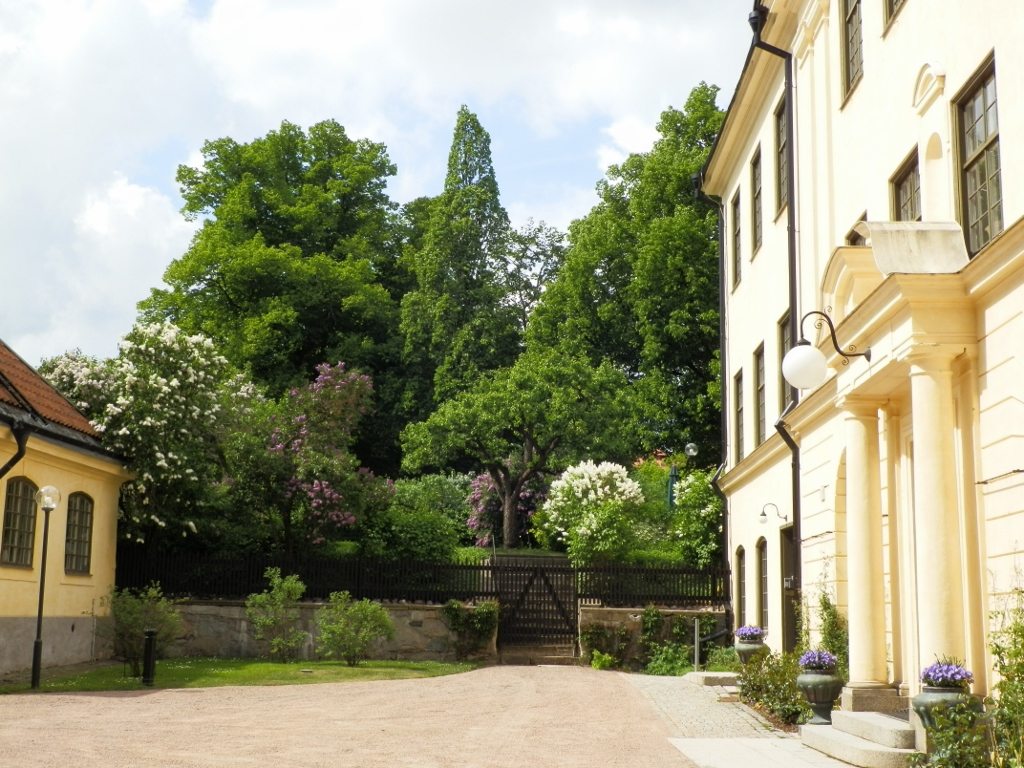 Uppsala, a detail
Soon we also passed by the Uppsala University Library, which is also called Carolina Rediviva. Because of the significance of Uppsala University itself, the University Library is also one of the oldest and most prestigious libraries in Sweden. The main building was constructed in the 18th century and represents an important example of classical architecture. The library houses more than five million books and manuscripts, including rare medieval manuscripts, among them some of the most valuable Nordic manuscripts.
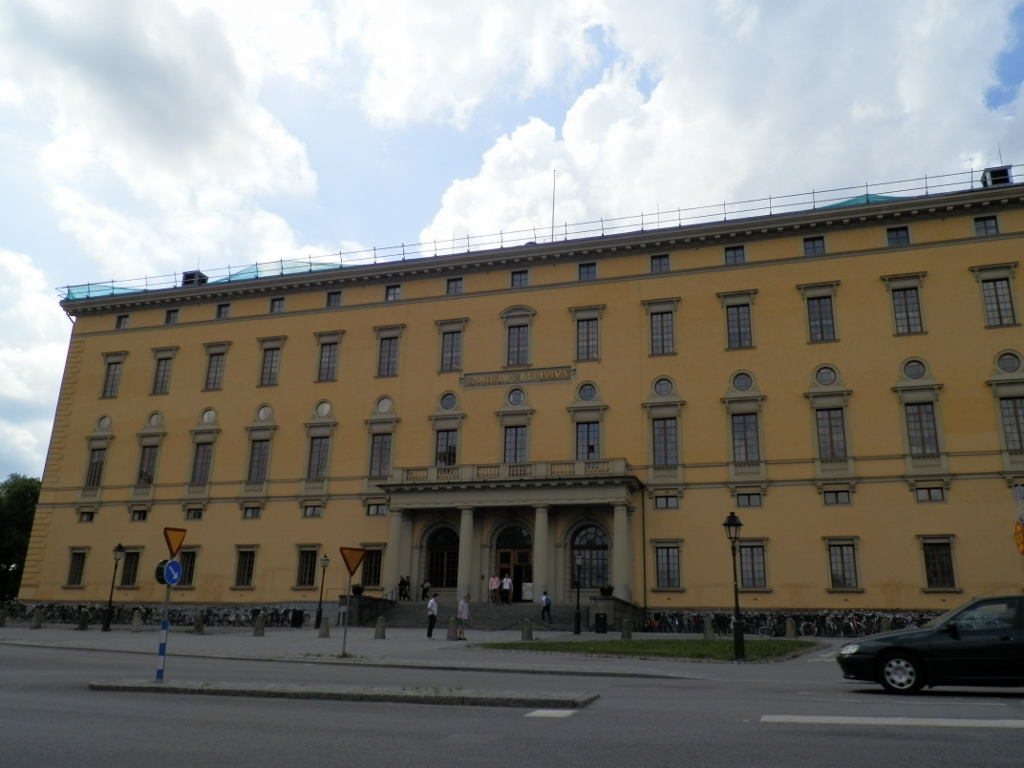 Uppsala, a detail
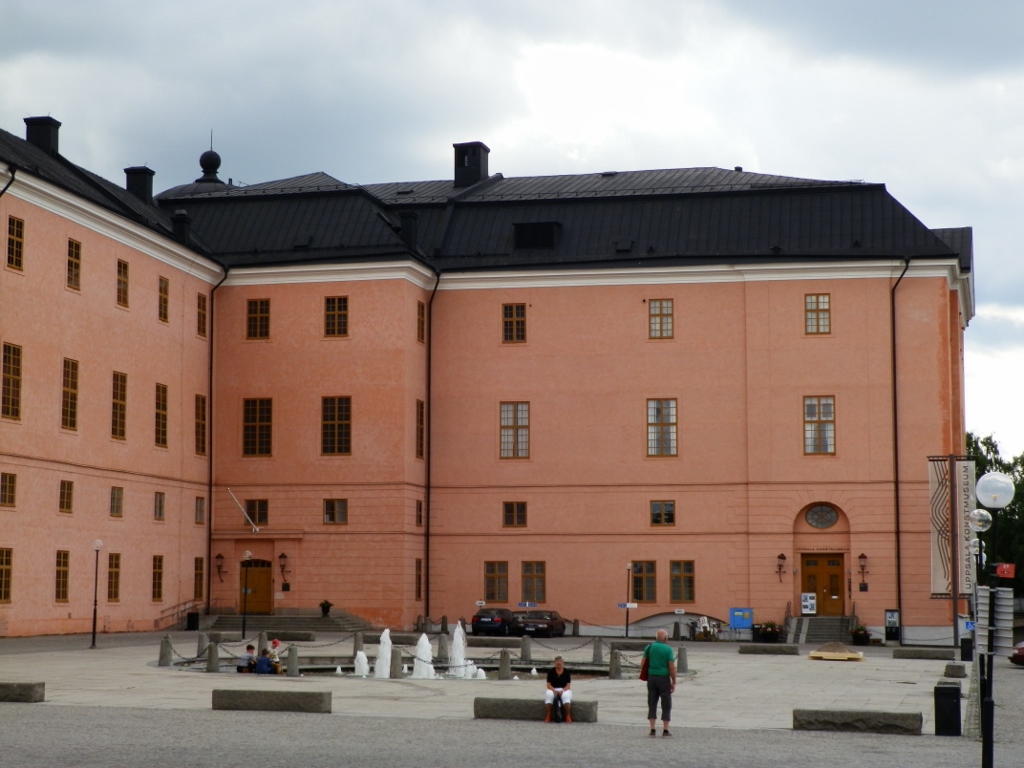
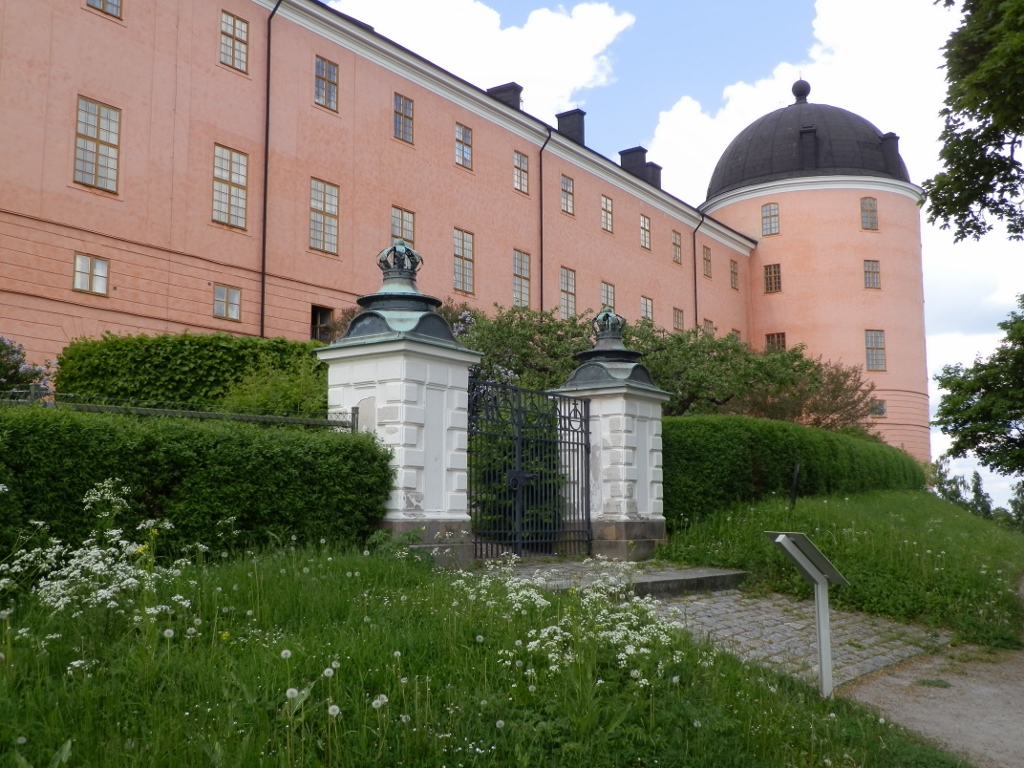
And then we walked through the park and climbed up to the hill where Uppsala Castle is located.
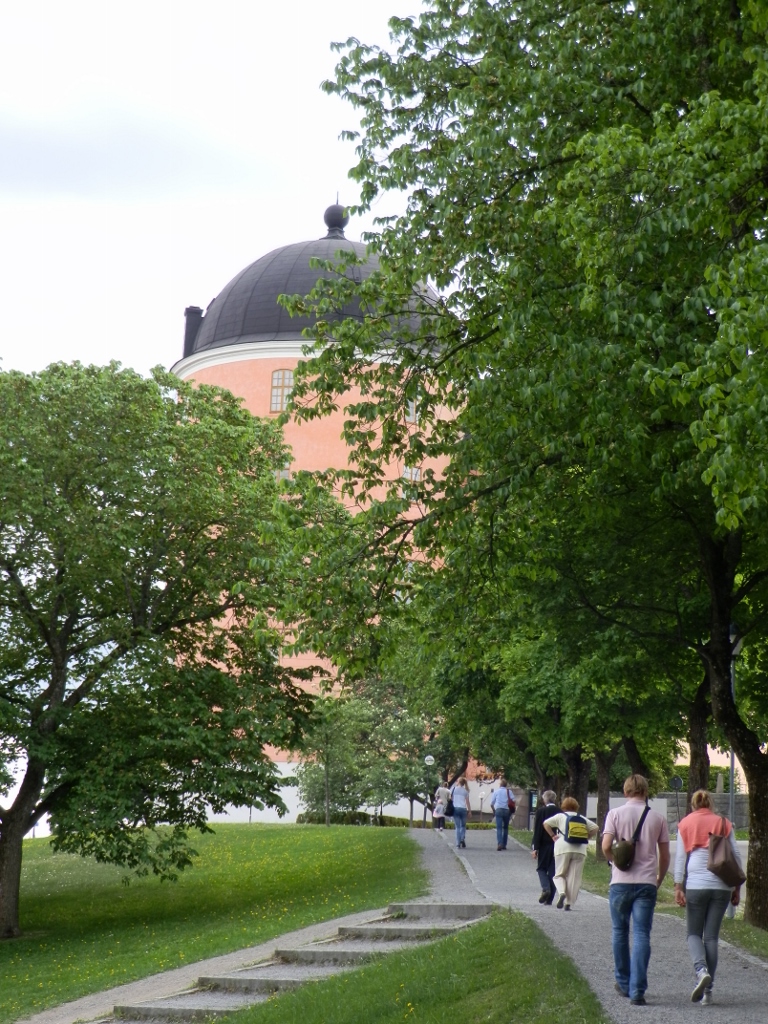 Uppsala, a detail
It is an imposing structure built in the 16th century by order of King Gustav Vasa. The castle long served as a royal residence and military fortress. Throughout history, it was the site of important political events, especially during internal conflicts and struggles for power in Sweden. In the 17th century, trials of nobles accused of treason or political resistance were held in the castle, demonstrating that it was an important centre of power and politics in Sweden.
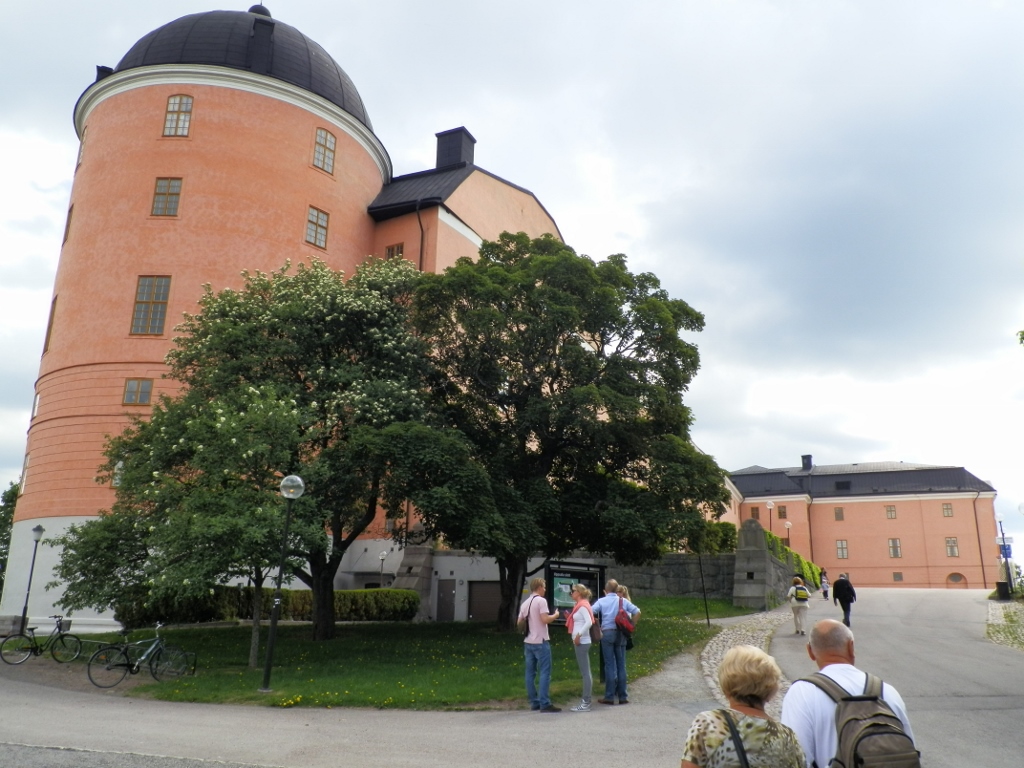 Uppsala, a detail
The castle has been restored several times after fires, but it has always remained a symbol of power, politics and prestige. Today it is a tourist attraction and home to museums and government institutions, thus continuing to play an important role in the life of Uppsala.
 Uppsala, a detail
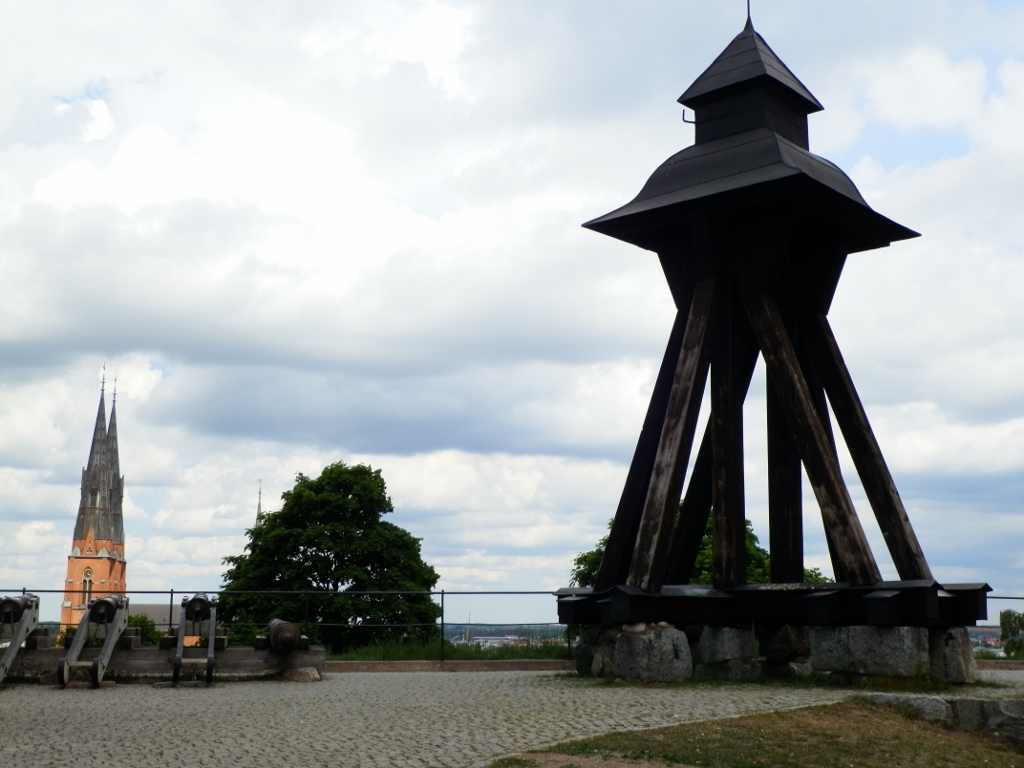
On an elevation beside the castle stands the Gunilla Bell, which Queen Gunilla Bielke (1568–1597) donated to the city in 1588. The bell was initially used for the church that belonged to the castle, but after the great fire of 1702 and its subsequent recasting in the 18th century, it was placed in an open tower above the bastion. It served as a timekeeping bell, marking the morning and evening hours for the city.
 Uppsala, a detail
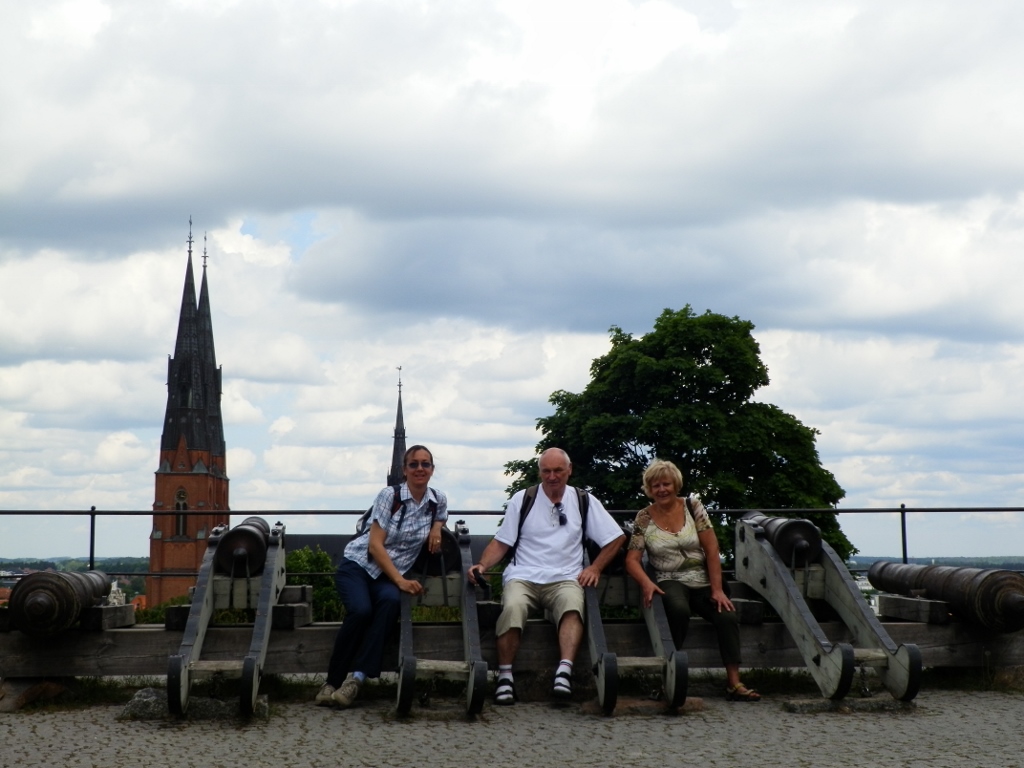
Here I also took advantage of the possibility to set up the camera and finally took a photo with my friends.
 With friends in Uppsala
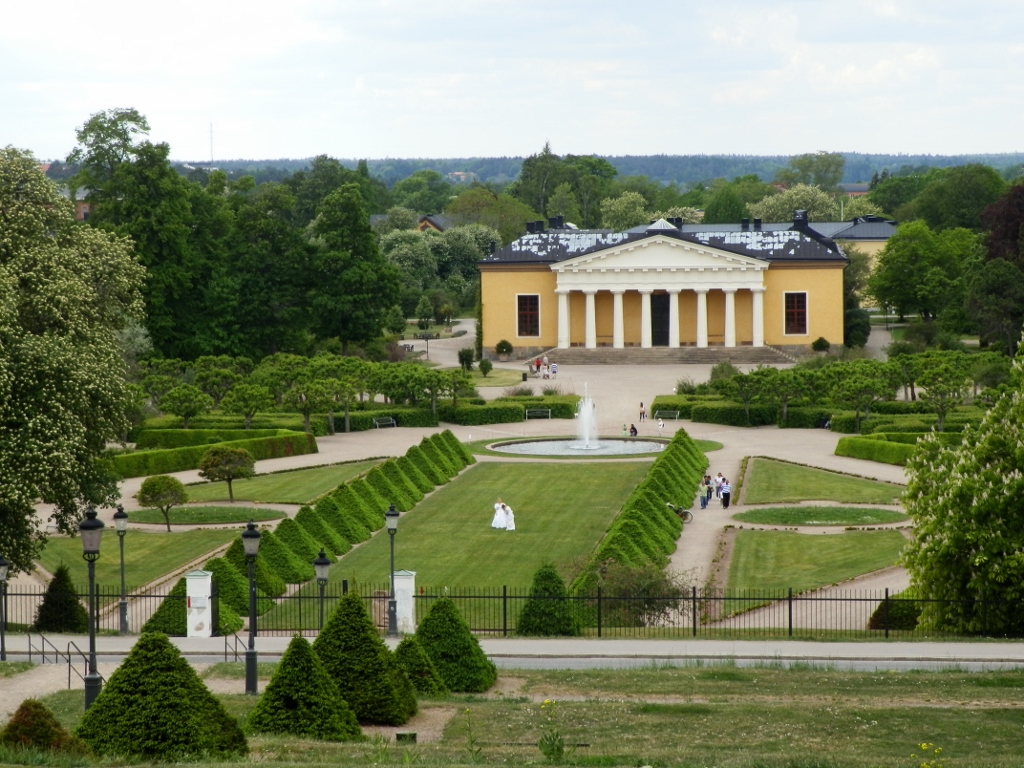
On the opposite side of the plateau where the Gunilla Bell stands, there is also a very beautiful view of the Linneanum – the university’s botanical collection and greenhouses dedicated to the famous Swedish scientist Carl Linnaeus, whom I have already mentioned. The Linneanum is a place where the plants Linnaeus studied are displayed and today they serve for education and research.
 Uppsala, a detail
We walked a little more around the castle and then headed down towards the city centre where the tall towers of the cathedral are an almost unavoidable sight, whether you stroll through the park or along the streets of Uppsala.
 Uppsala, a detail
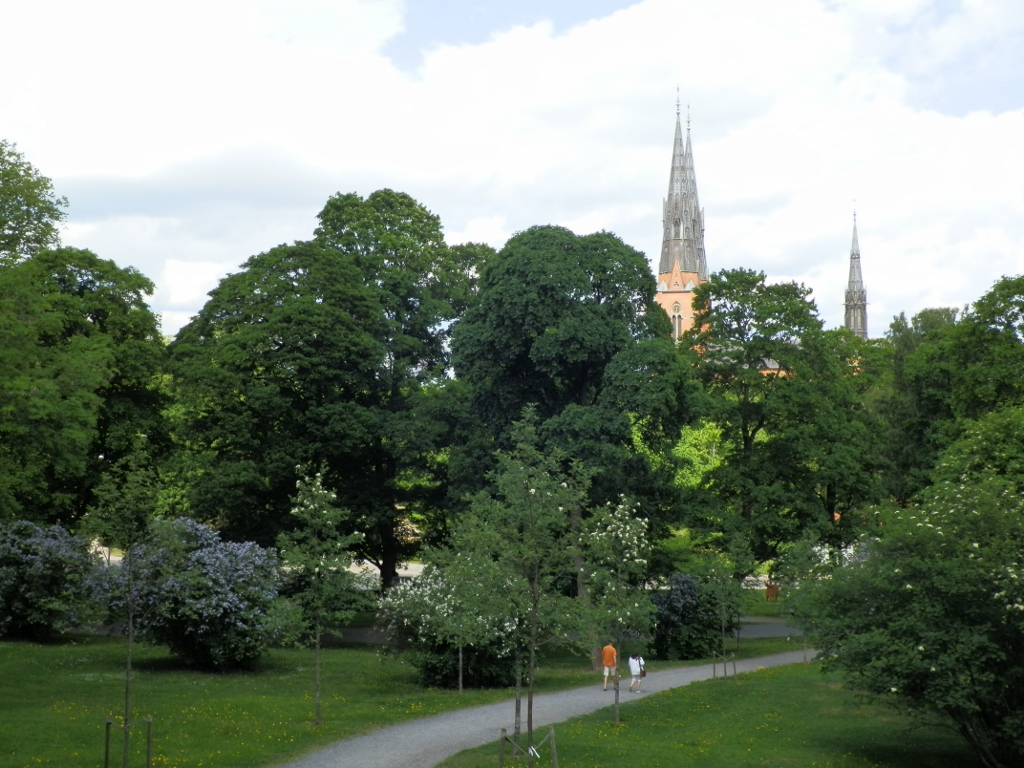 Uppsala, a detail
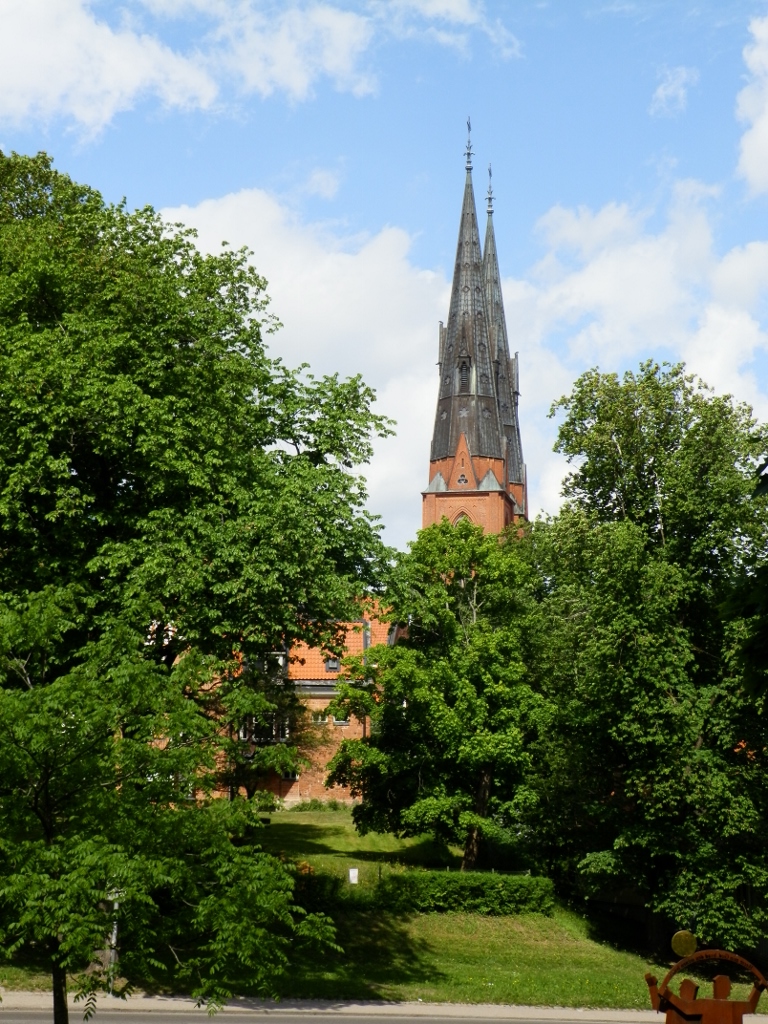 Uppsala, a detail
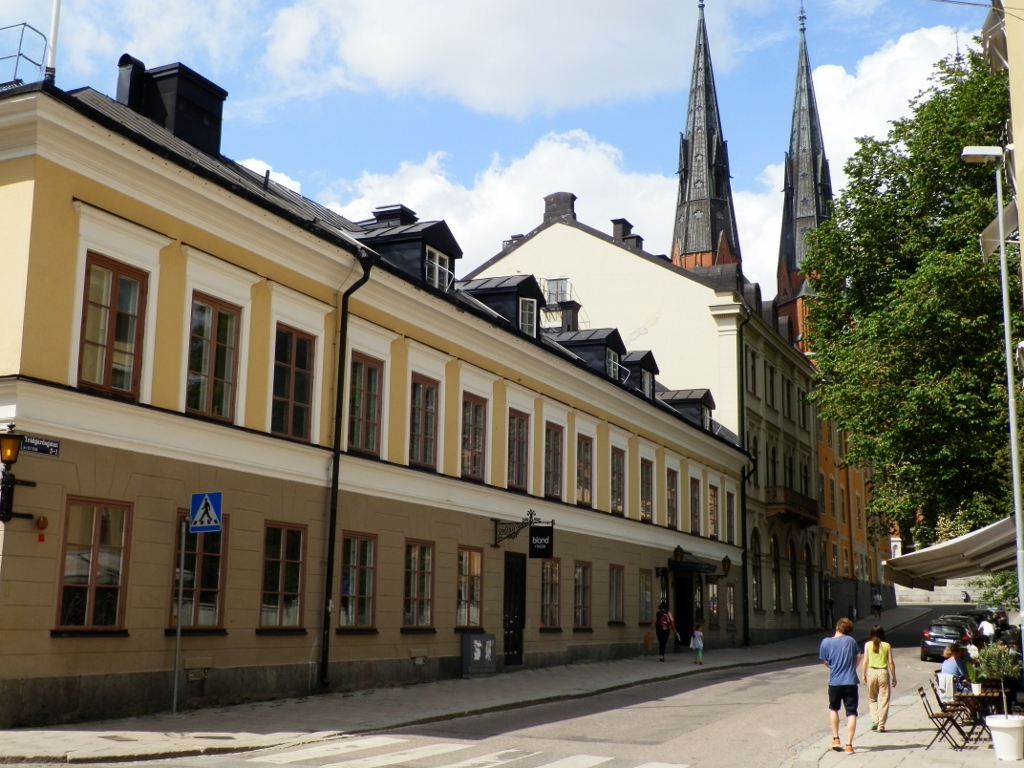 Uppsala, a detail
We then walked a little more through the city centre and afterwards went for lunch.
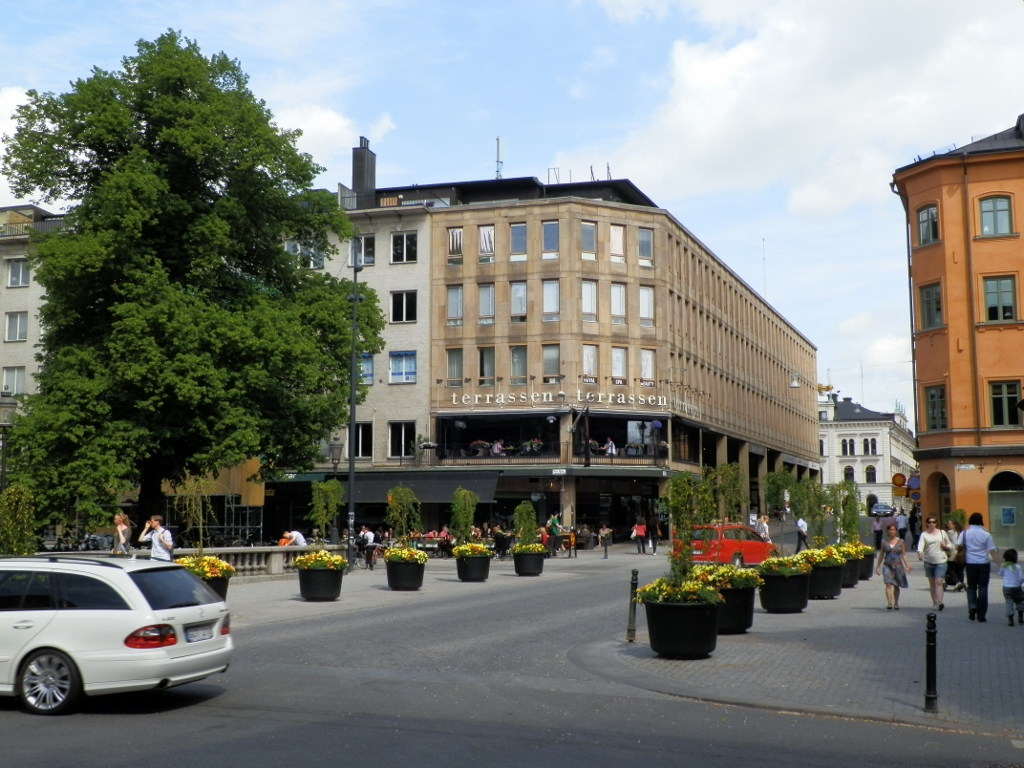 Uppsala, a detail
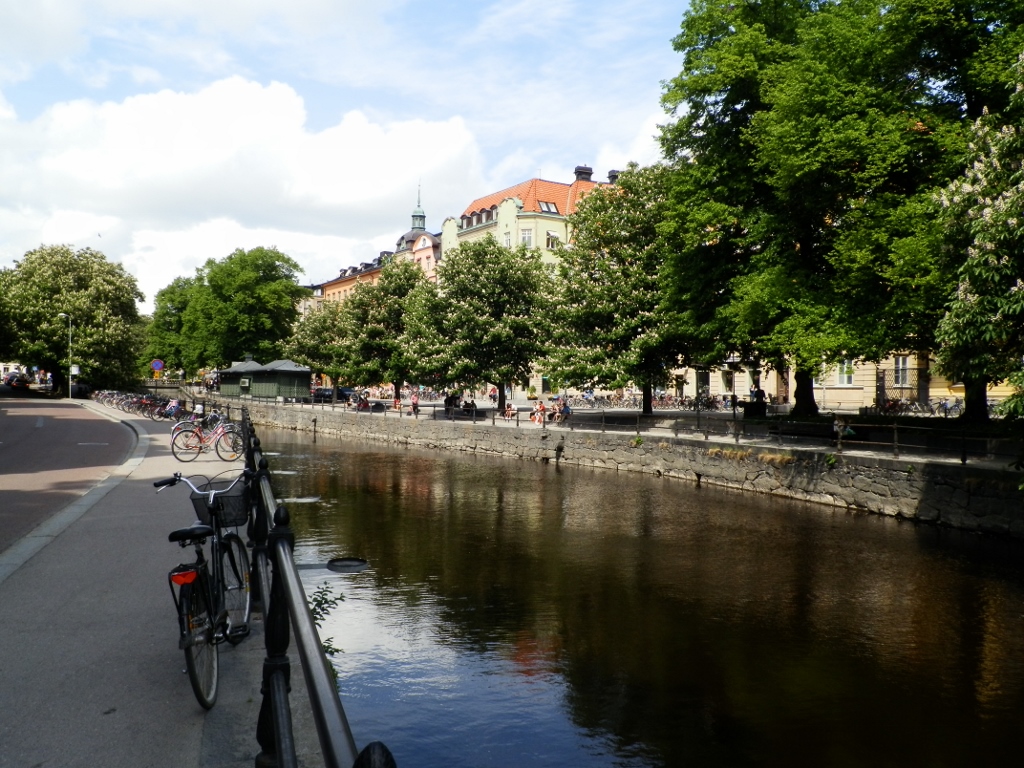 Uppsala, a detail
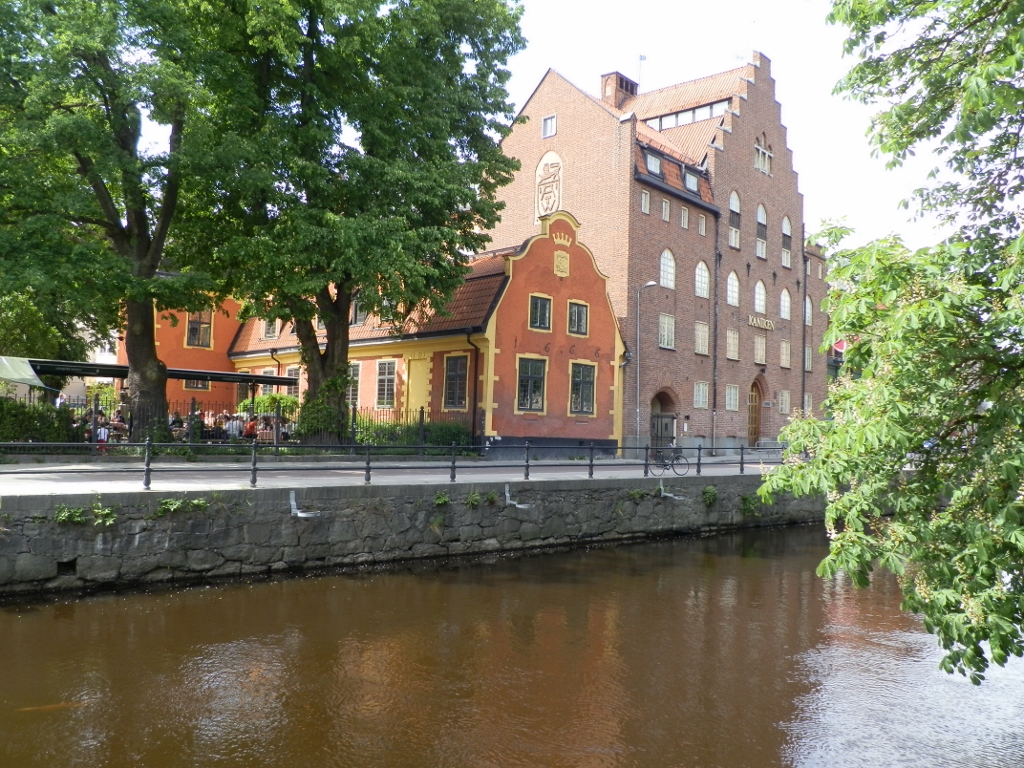 Uppsala, a detail
Then we got into the car and drove to Old Uppsala. This is a historic and archaeological area located a few kilometres north of modern Uppsala. There we parked the car and went for a walk, first stopping at a property that actually functions as an antique shop and store for various trinkets. I suppose their offerings even include chandeliers hanging from the trees in the yard.
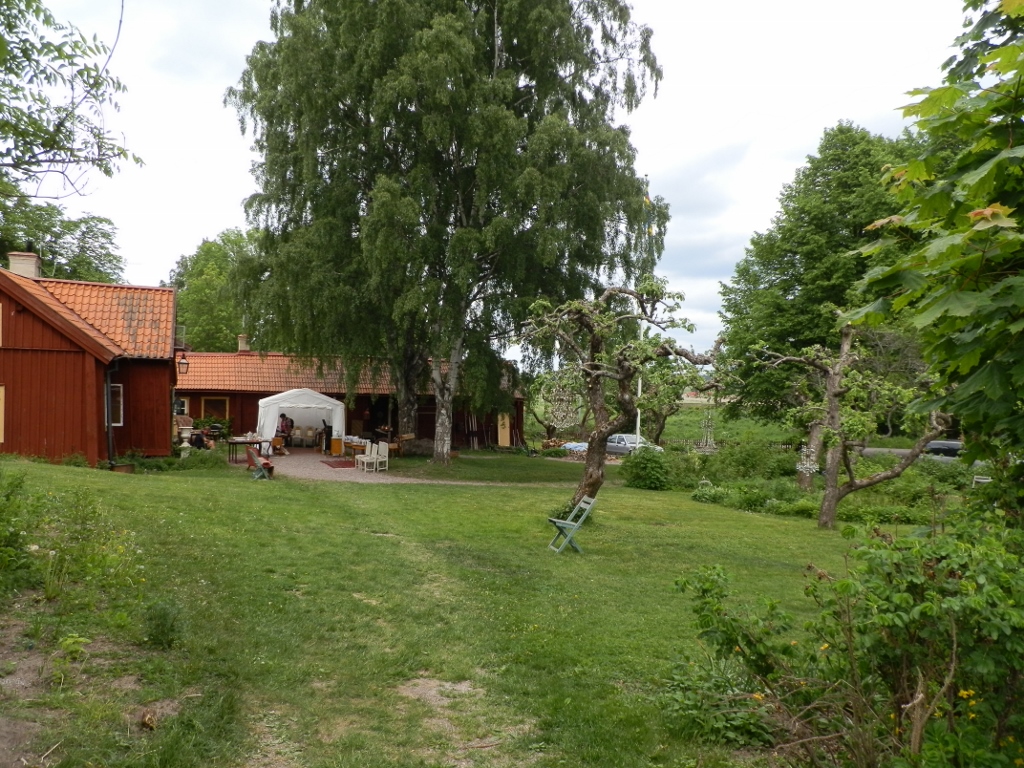 Old Uppsala, a detail
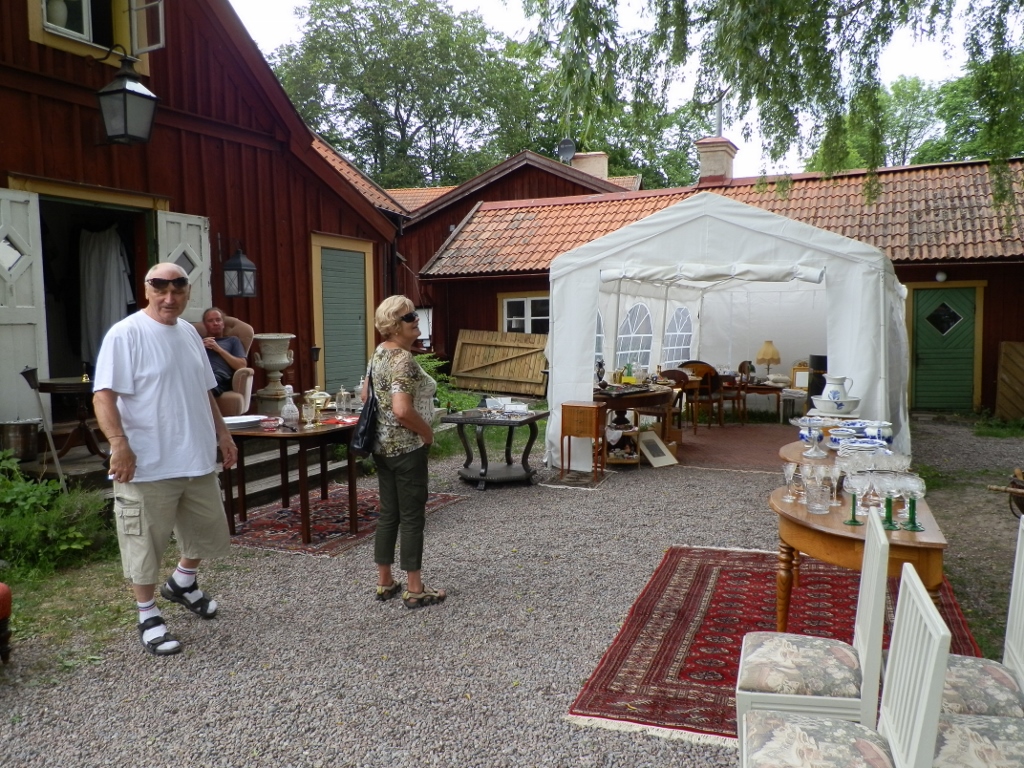 Old Uppsala, a detail
Since this is a well-known excursion area near Uppsala, there are also restaurants and cafés there, all wonderfully picturesque.
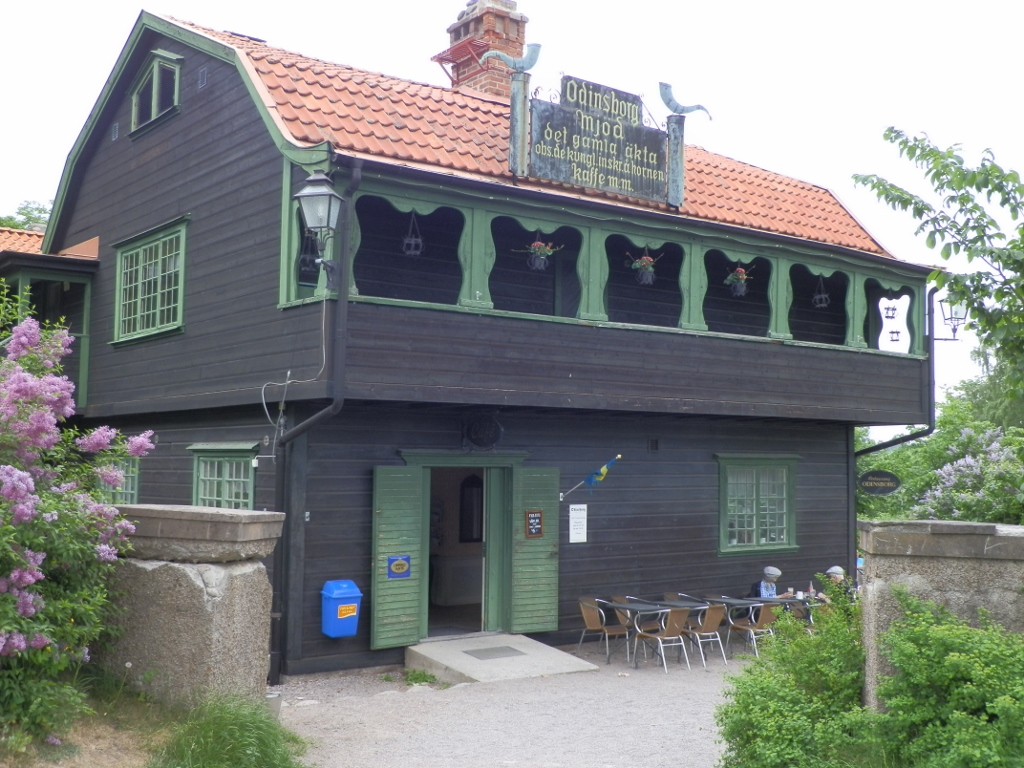 Old Uppsala, a detail
Old Uppsala, or Gamla Uppsala, is known for its large Viking burial mounds, the so-called royal mounds, which date from the 5th to 6th centuries. Even with the advent of Christianity, Old Uppsala remained a political and religious centre of Sweden before the capital was moved to present-day Uppsala. Research has shown that a famous temple dedicated to the Norse gods once stood here, while today the site also has a museum where visitors can see how life was lived and what customs were like during the Viking era.
Since visiting the museum was not part of our plan, we first went to the church in Old Uppsala.
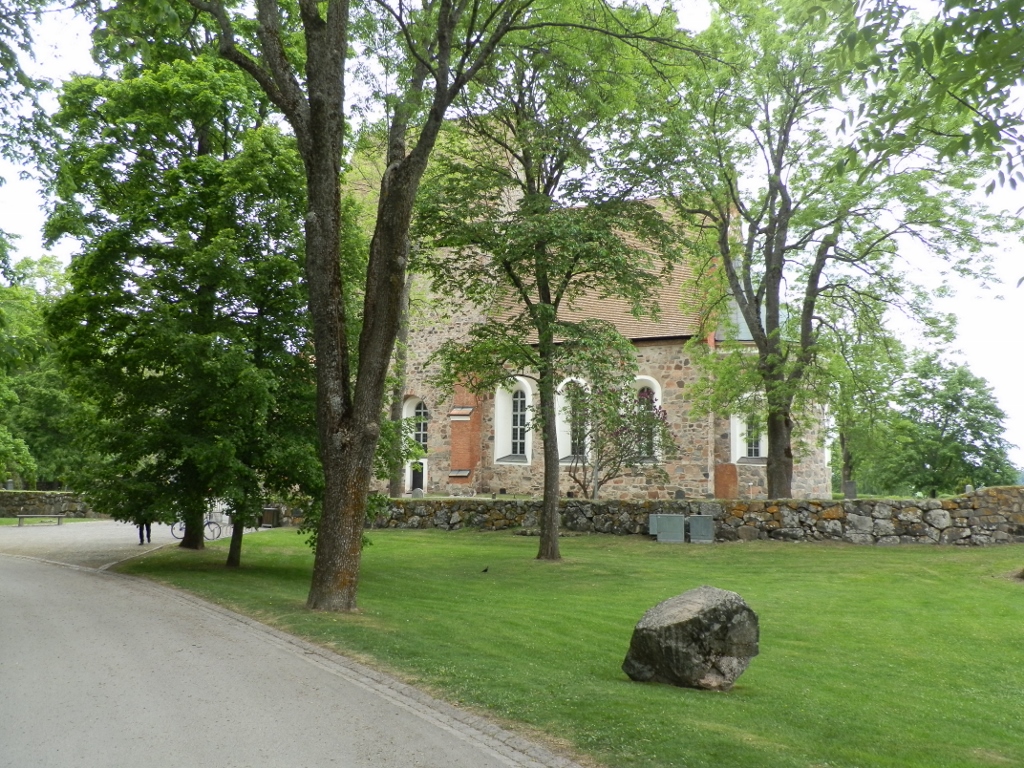 Old Uppsala, a detail
The Church of Old Uppsala was built in the 12th century, but it is quite possible that an earlier wooden church once stood there. However, that new church also burned down (1240), while over time new sections were added, giving the church its present exterior appearance. Today, the church serves both as a tourist attraction and as a place of worship.
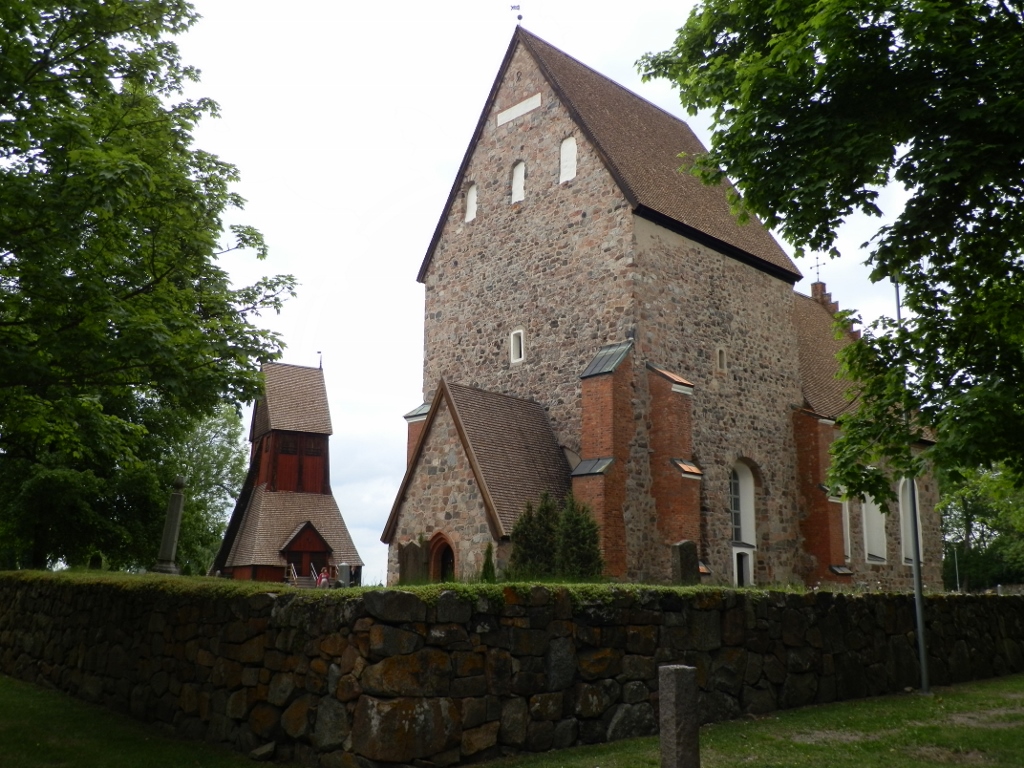 Old Uppsala, a detail
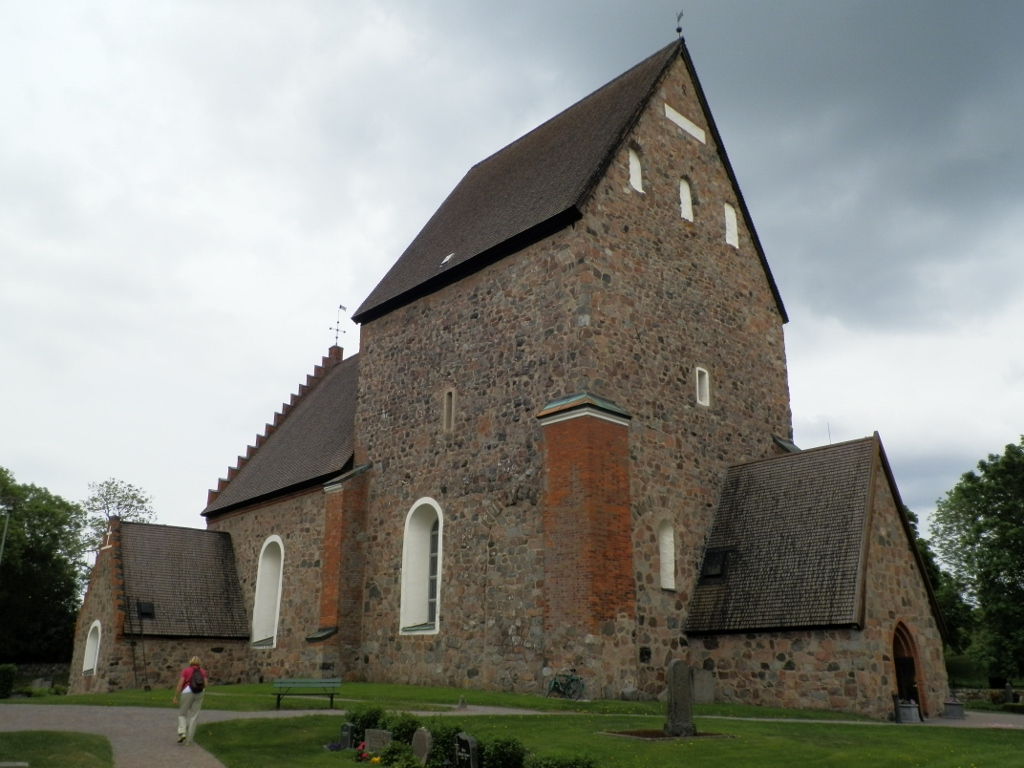 Old Uppsala, a detail
An interesting fact is that Anders Celsius (1701–1744), the scientist after whom one of the temperature scales is named, is buried in the church. By the way, Celsius was a Swedish astronomer, physicist and professor at Uppsala University, which once again confirms the importance of this university, not only for Sweden but for the world in general.
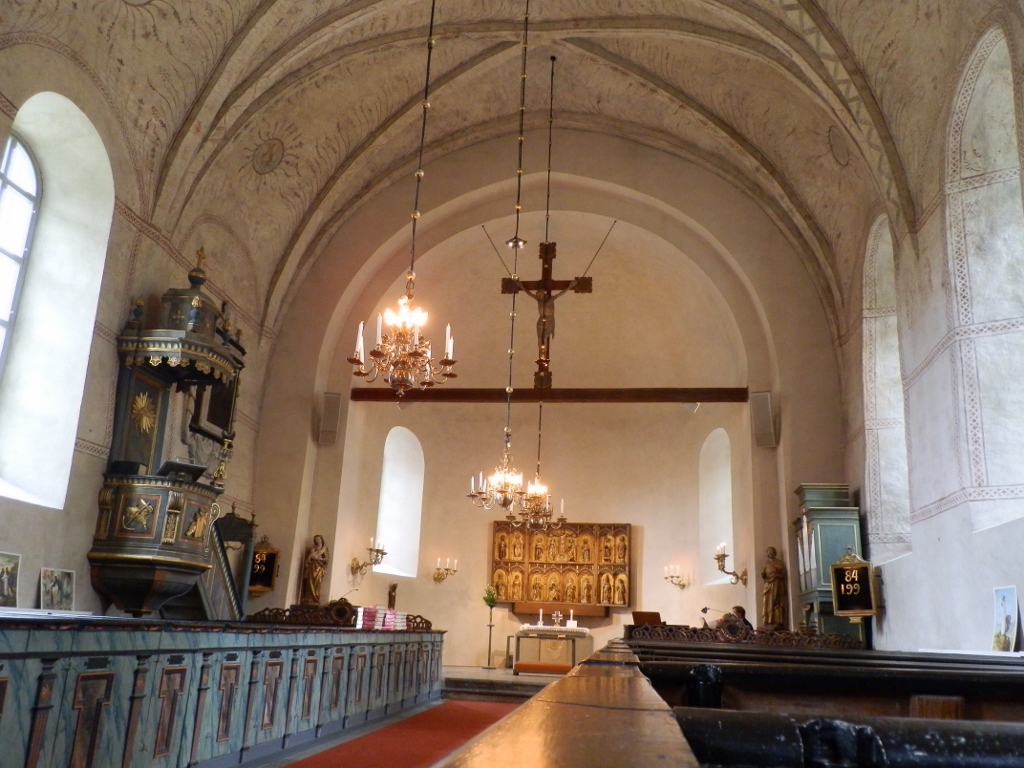 Old Uppsala, a detail
In the churchyard there is also a wooden bell tower dating from the 18th century that was used to call the faithful to worship services.
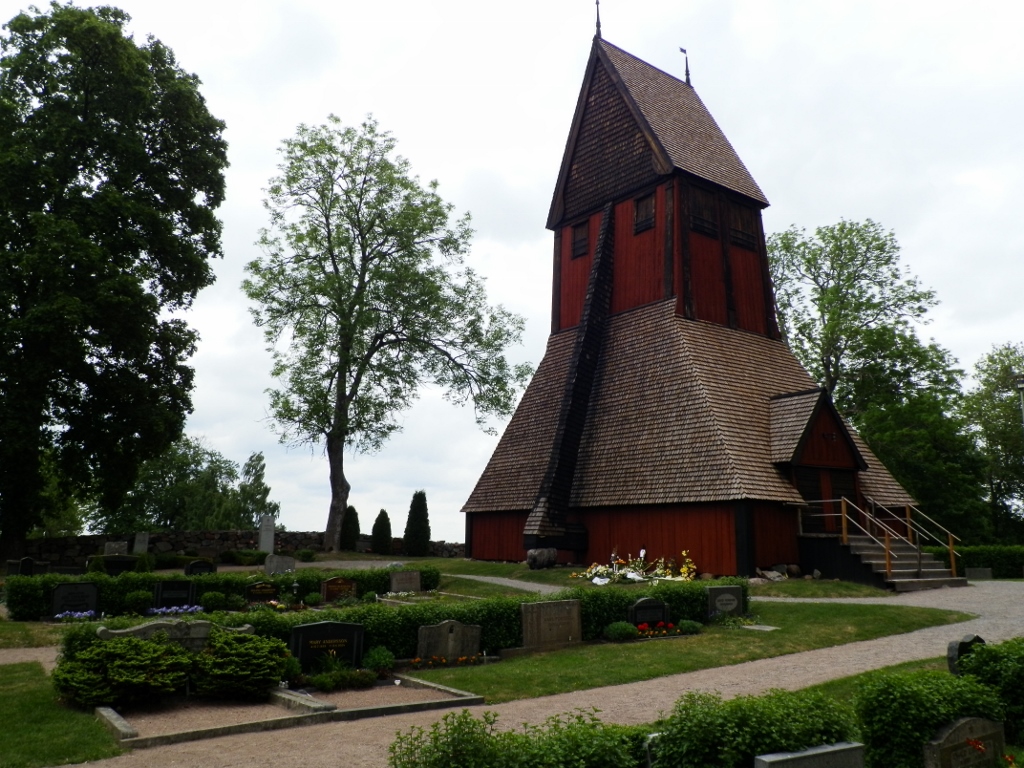 Old Uppsala, a detail
It is also interesting and quite noticeable that the bell tower is made of wood, while the church is built of stone. The reason for this is that the wooden structure of the bell tower absorbs the vibrations of the bells better and reduces the risk of damage, which would occur if the tower were made of stone. In addition, at the time the bell tower was constructed, timber was more available and cheaper to work with, making construction faster and more practical. This type of bell tower is characteristic of Swedish churches from that period and provides a visual contrast to the stone building. Today, the bell tower still serves to call the faithful and represents an important part of the cultural and historical heritage of Gamla Uppsala.
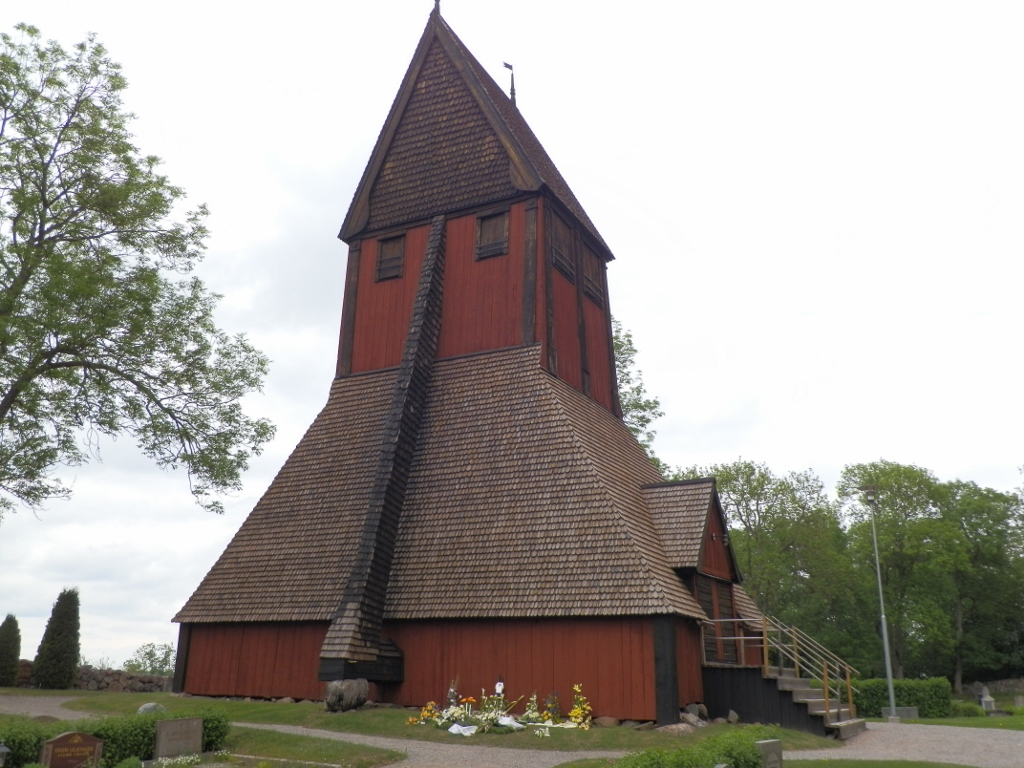 Old Uppsala, a detail
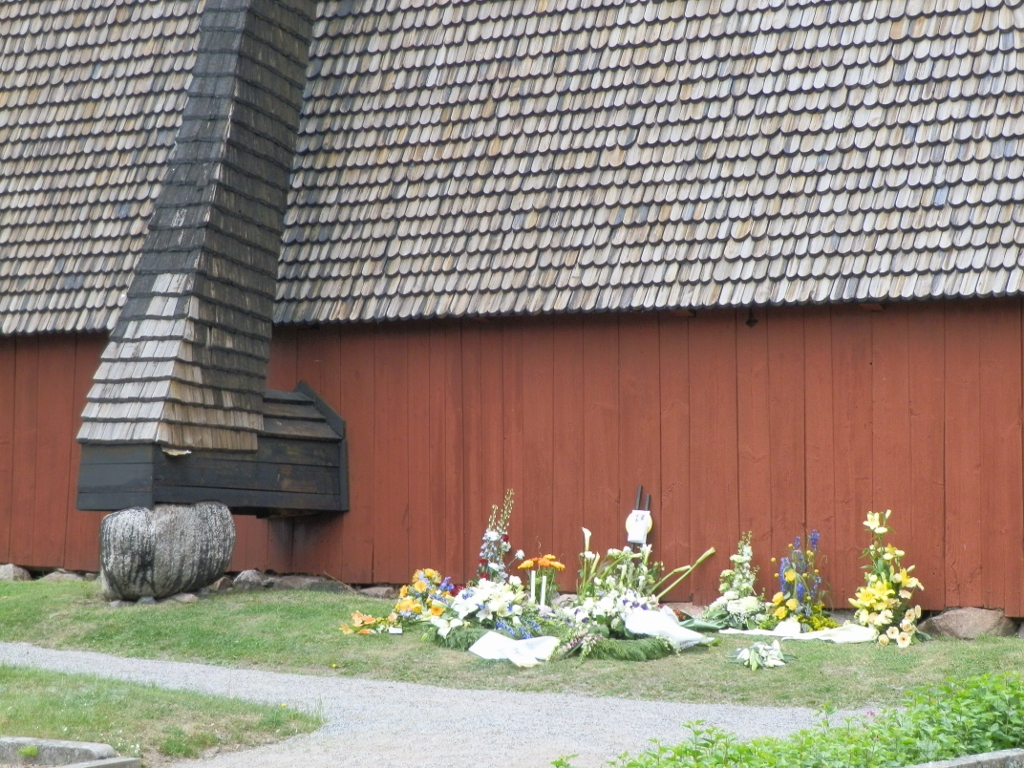 Old Uppsala, a detail
In the immediate vicinity of the Church of Old Uppsala is the Old Uppsala Archaeological Park. As I have already mentioned, this is where the Royal Mounds are located, the name given to three enormous burial mounds. According to folk tradition, the Norse gods Thor, Odin and Freyr would rest there, while this legend is supported by research showing that pagan temples dedicated to these very gods once stood at this site. In the 19th and 20th centuries, there were also assumptions that certain ancient kings were buried there and the mounds were named after them. Today, however, neutral terms are used – the Eastern Mound, the Middle Mound and the Western Mound.
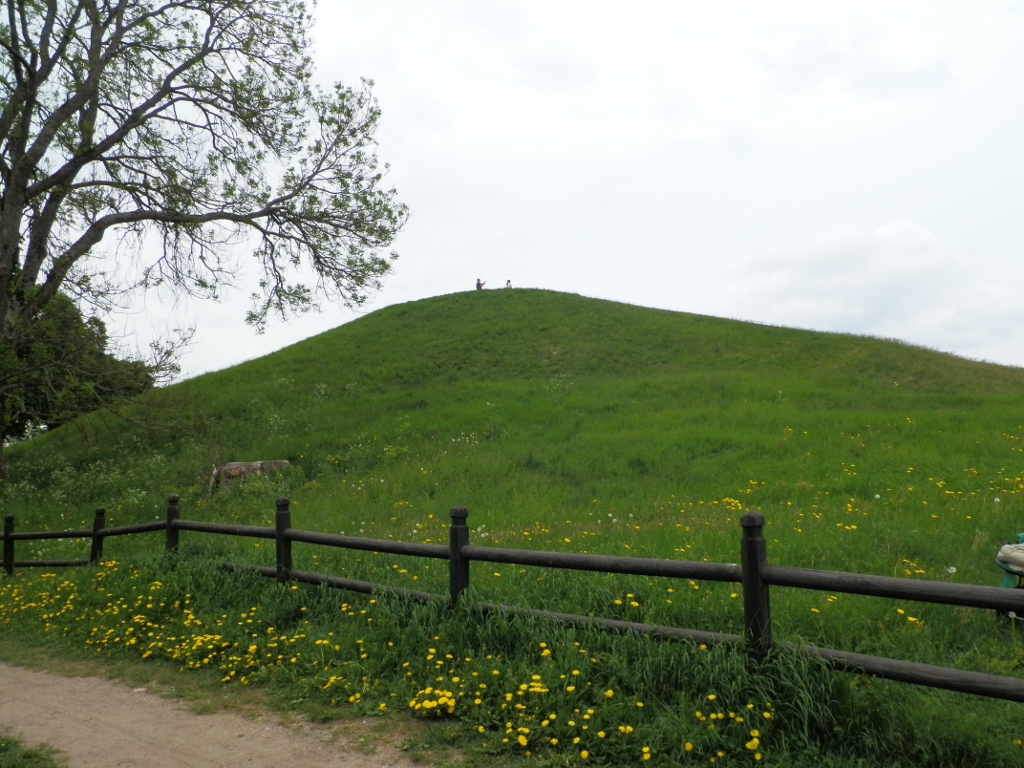 Old Uppsala, a detail
These are actually three large earthen burial mounds, tumuli, dating from the 5th and 6th centuries and often considered the oldest national symbols of Sweden. Based on archaeological research, they are believed to have served as the graves of local leaders or kings. The remains of the deceased, weapons, jewellery and pottery have been discovered there, and in some of the mounds traces of cremation and animal sacrifice were found. The cremation of the deceased is particularly emphasised, since according to belief the god Odin established the law that all the dead should be burned (especially rulers, together with their armour), as in this way they would pass directly through the fire to Valhalla.
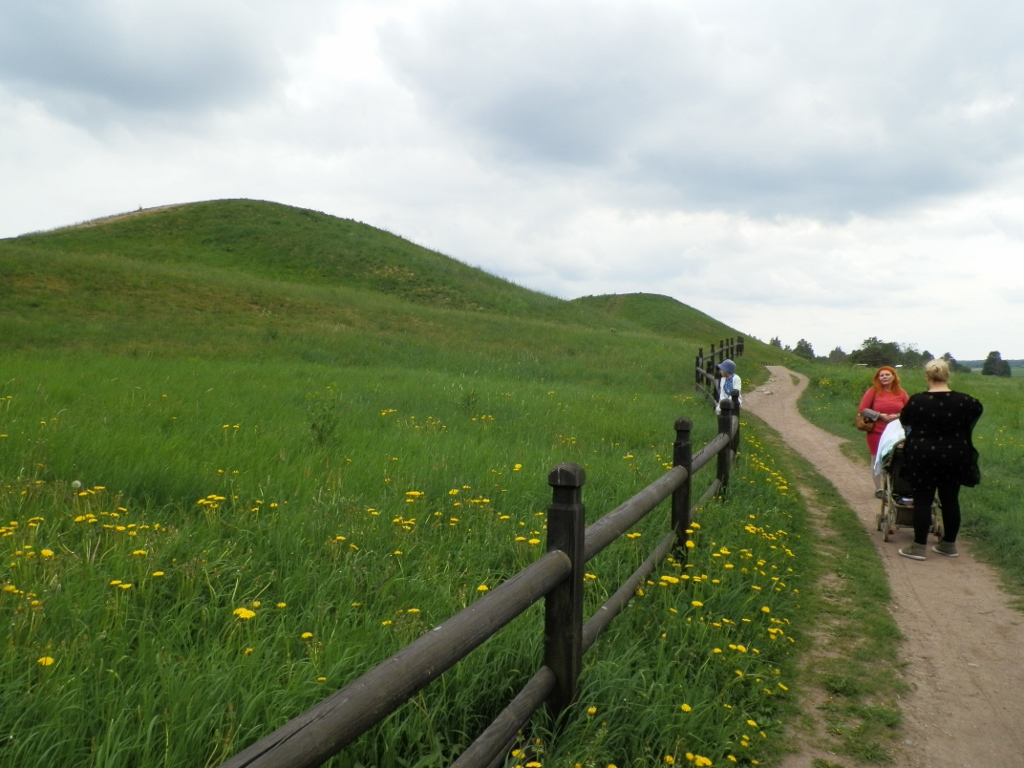 Old Uppsala, a detail
Today, you can enjoy walking along the paths around the mounds and you can also climb to their tops.
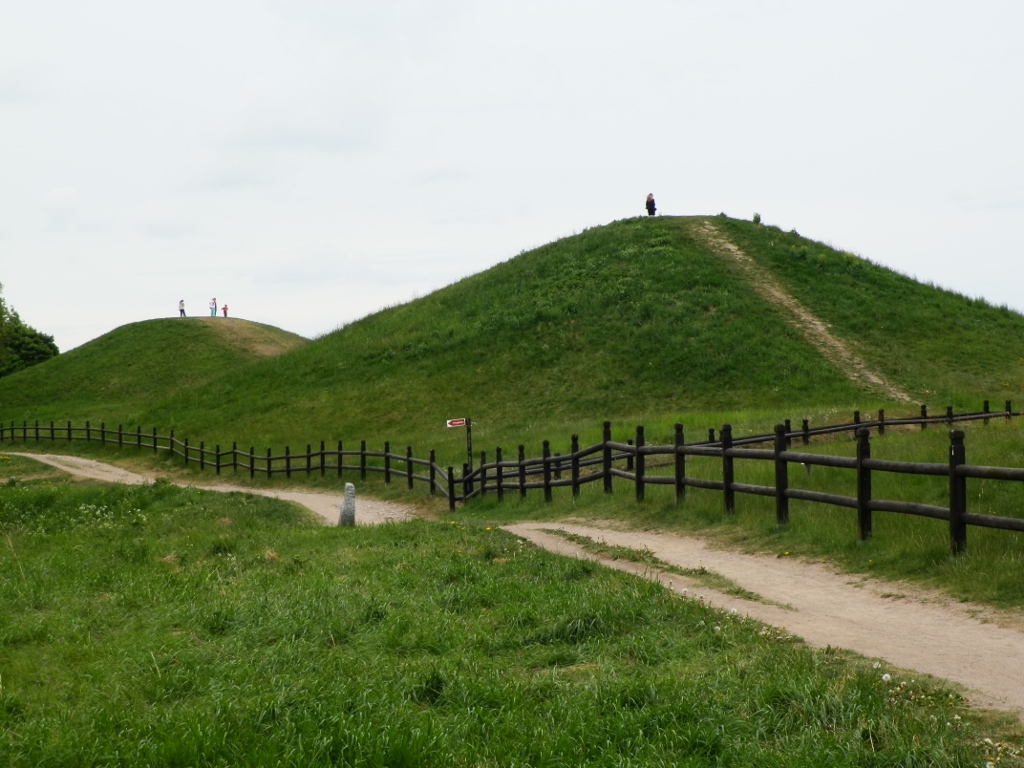 Old Uppsala, a detail
However, before climbing, I took advantage of the lovely spot to take another photo of my friends.
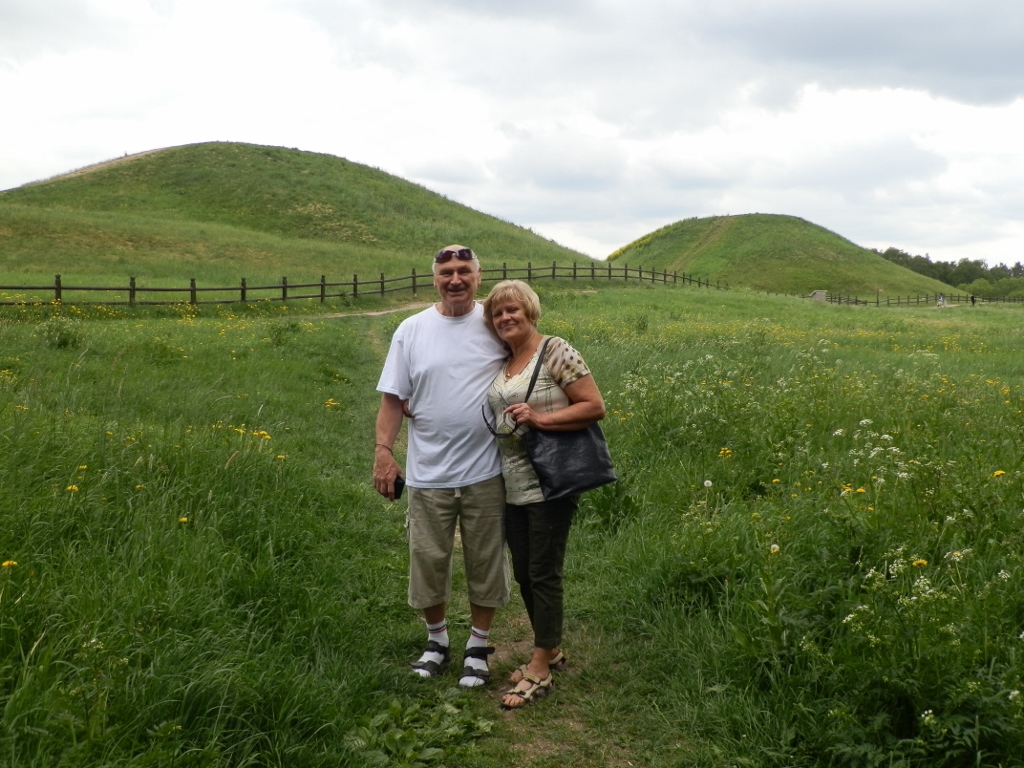 Dear friends
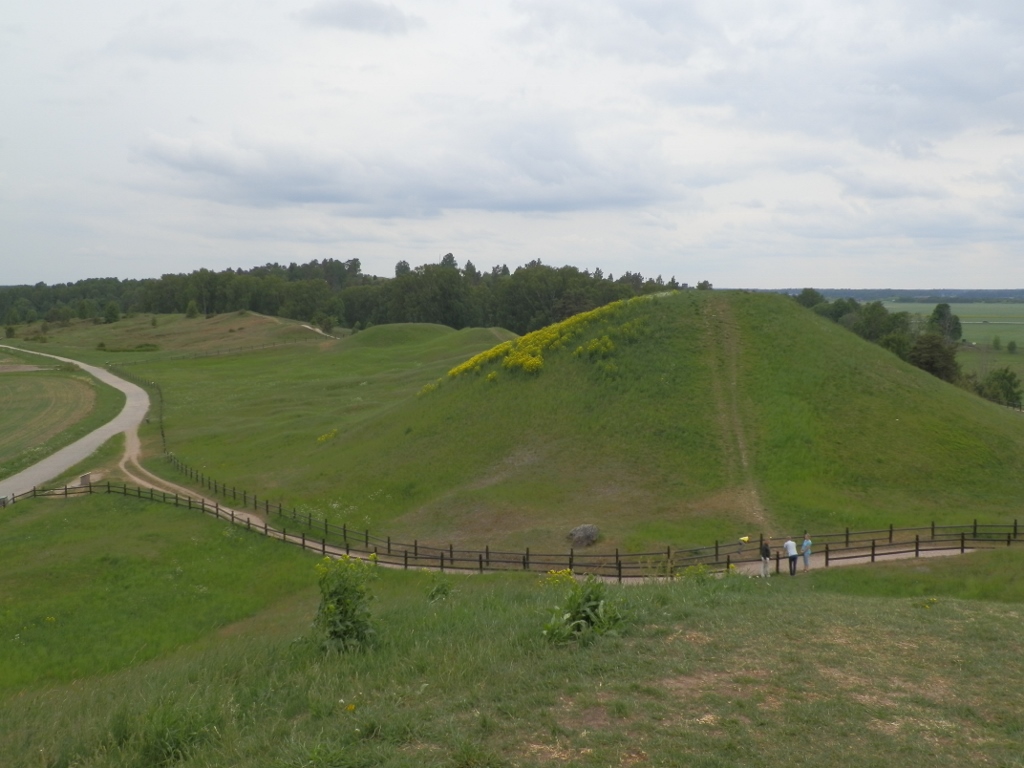 Old Uppsala, a detail
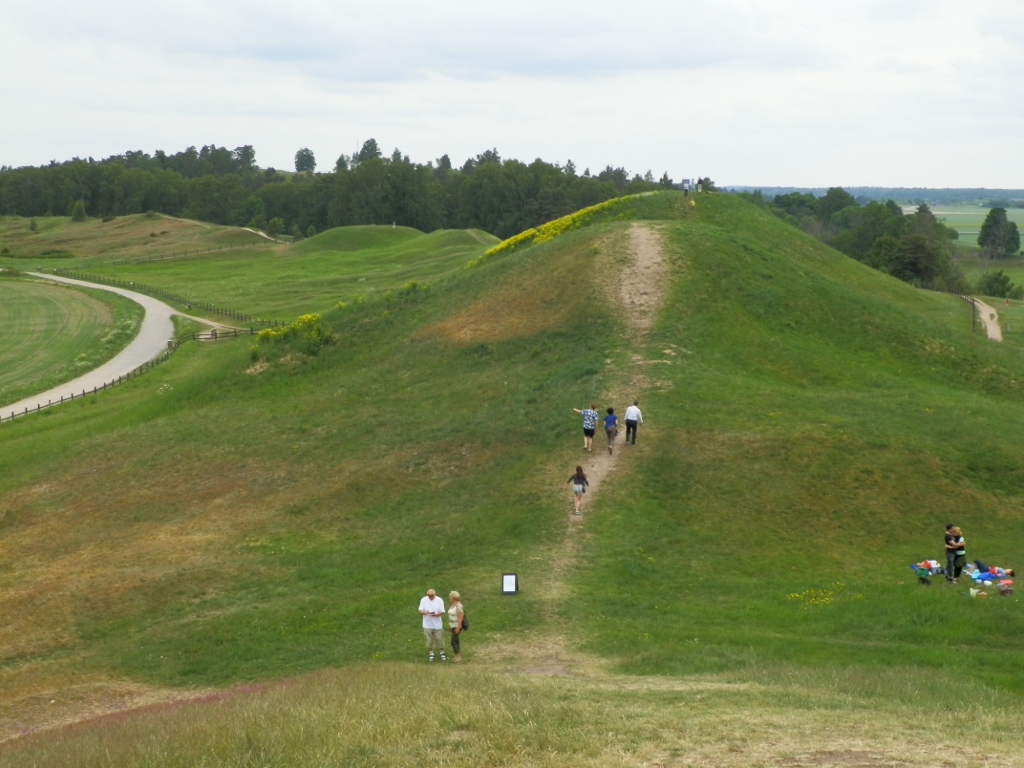 Old Uppsala, a detail
From the top of the mound I climbed, I had a clear view of the notable buildings in modern Uppsala – the castle and the cathedral.
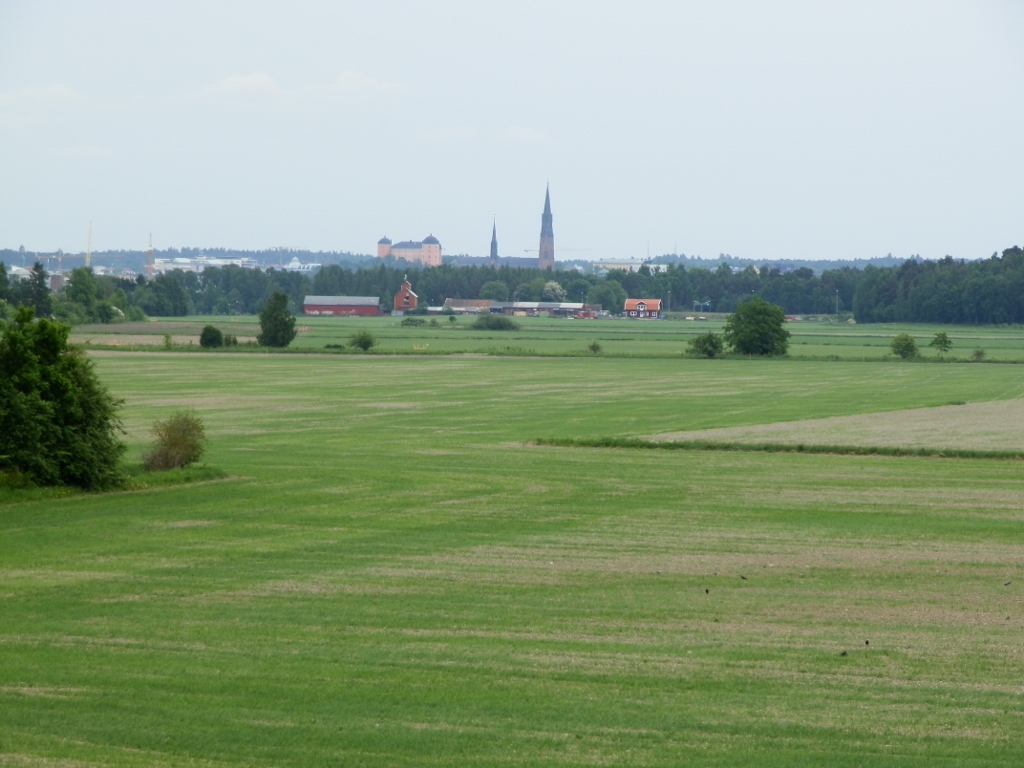 View at Uppsala
Now we slowly started making our way back towards the museum, as well as the parking lot and our car.
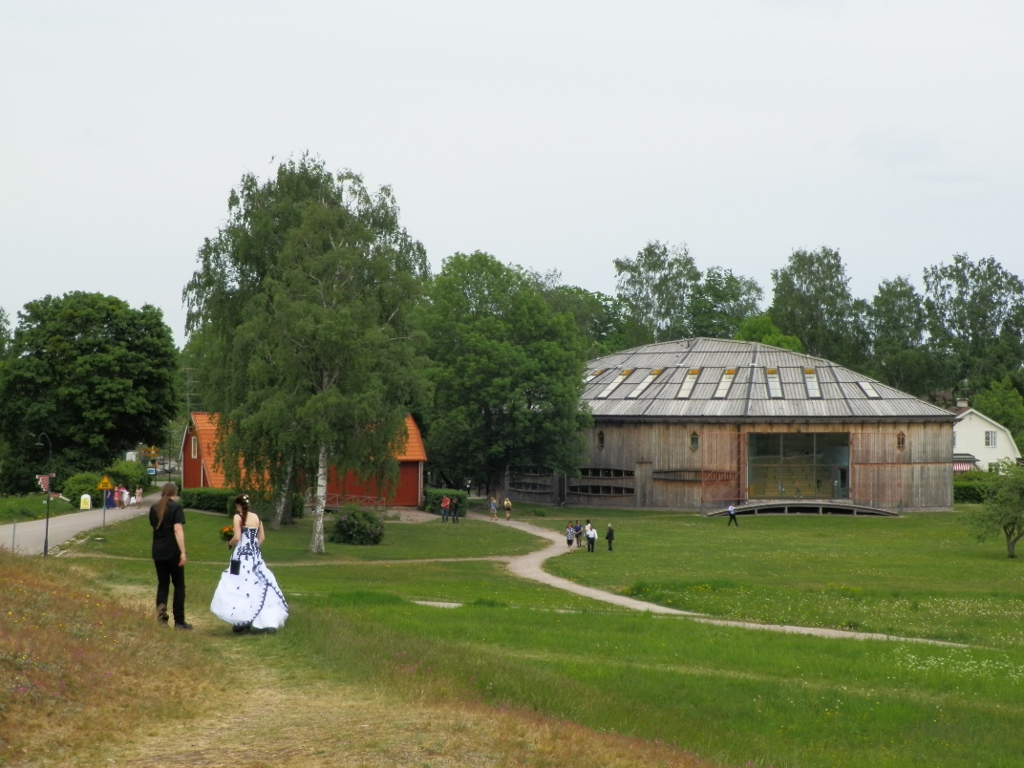 Old Uppsala, a detail
In fact, we moved only a few hundred metres in order to reach an ethnographic village that operates as an open-air museum during the summer months.
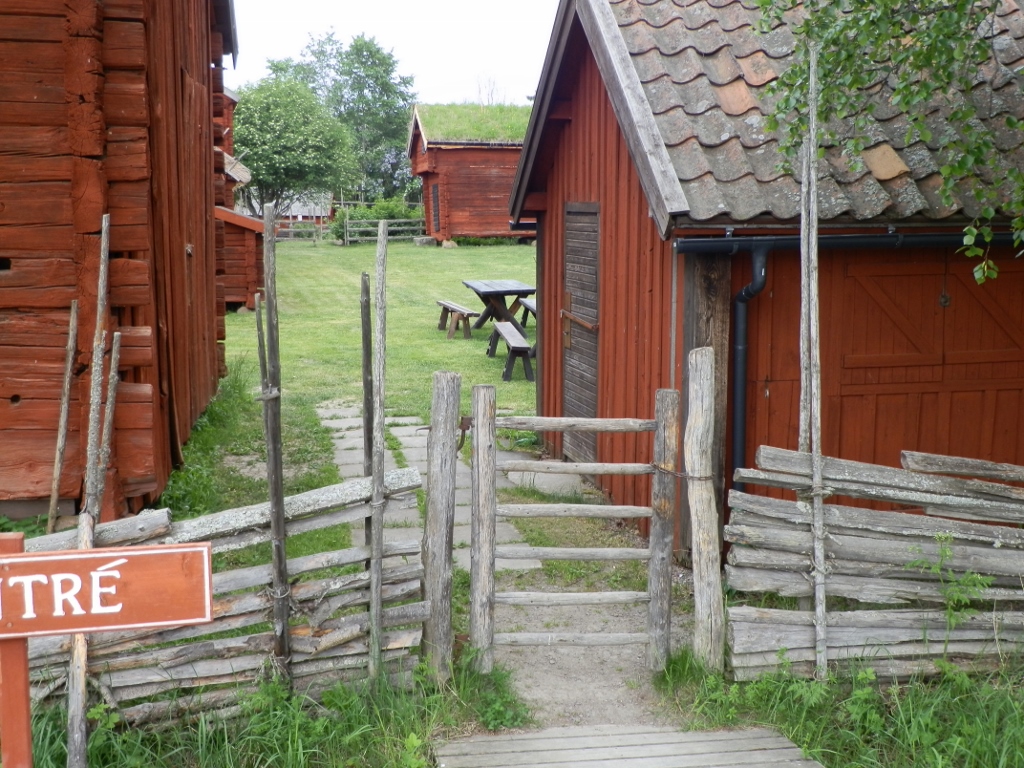 Disagården, a detail
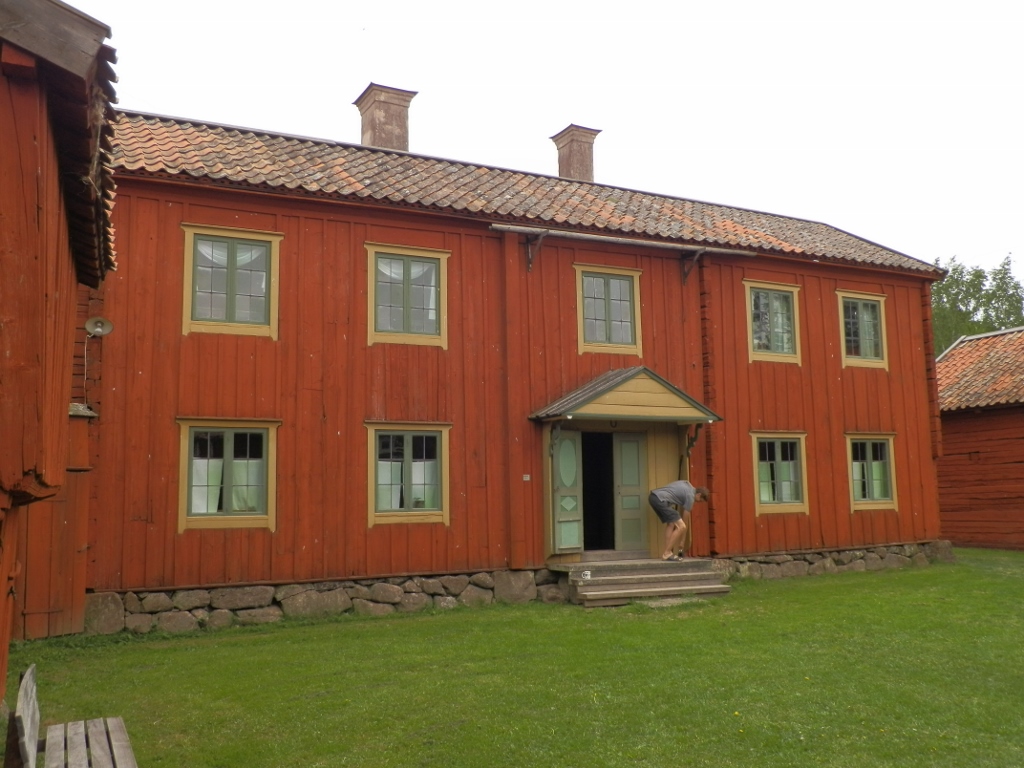
At the Disagården site, you can see what rural life in the province of Uppland looked like at the end of the 19th century.
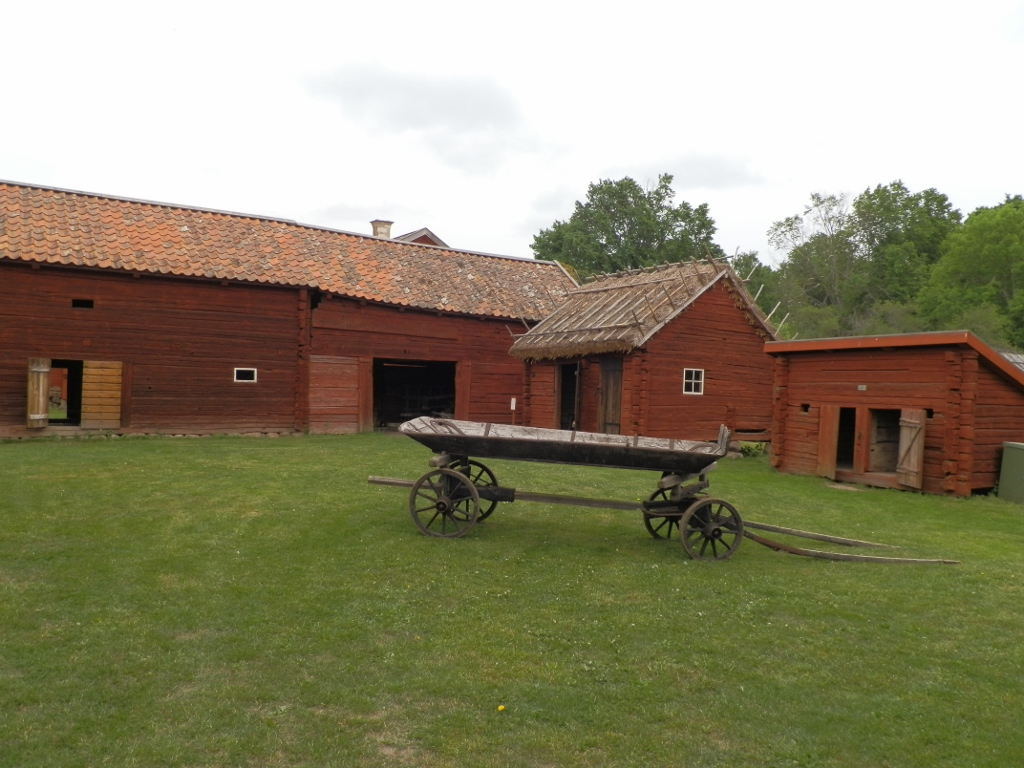 Disagården, a detail
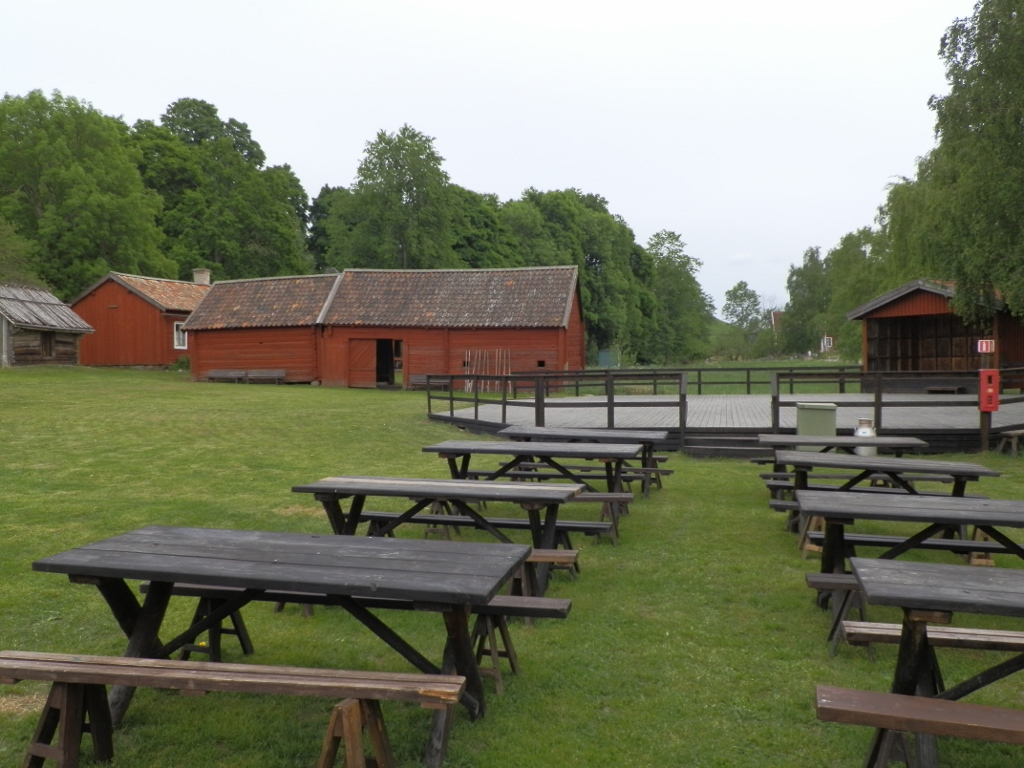 Disagården, a detail
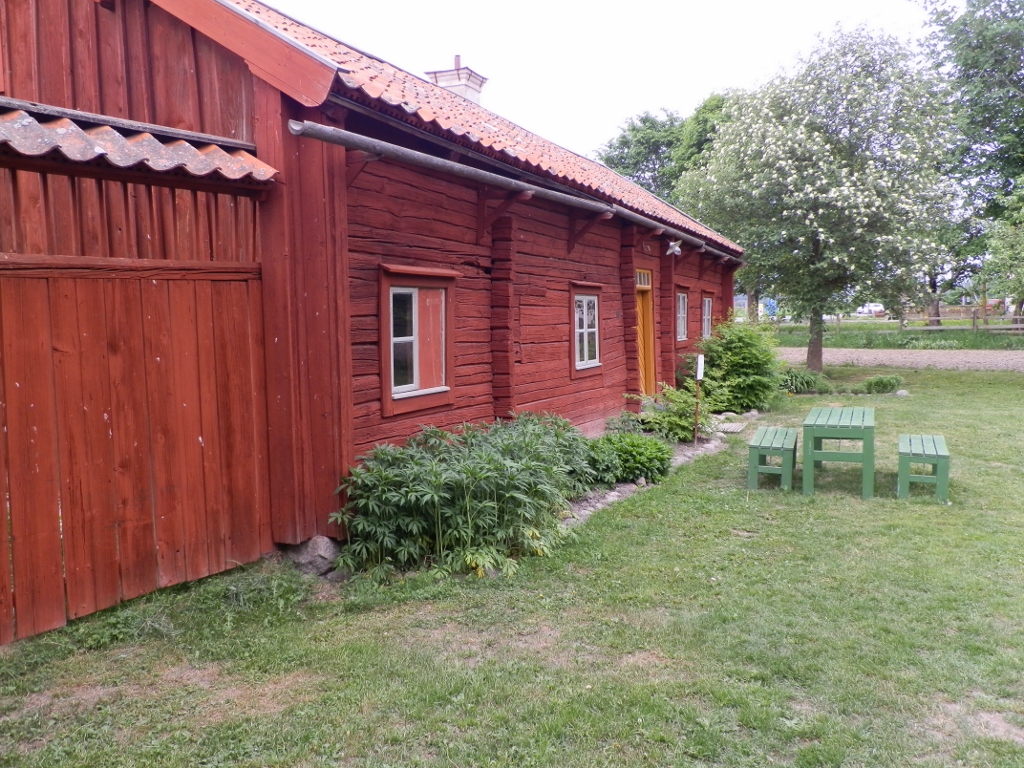 Disagården, a detail
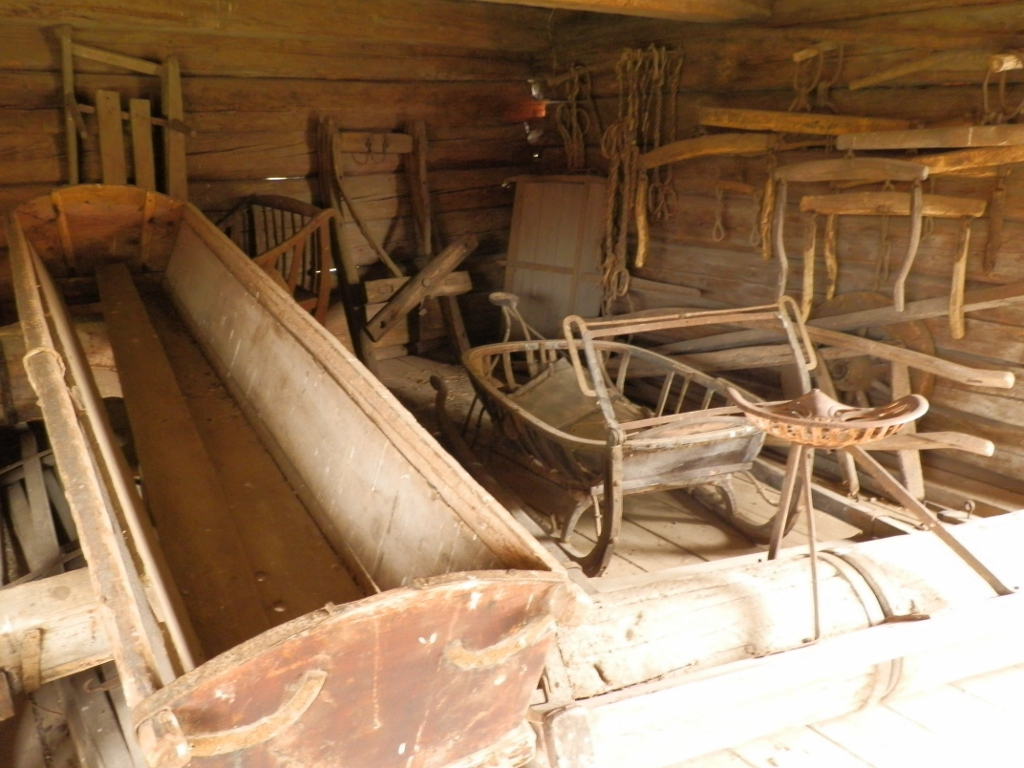
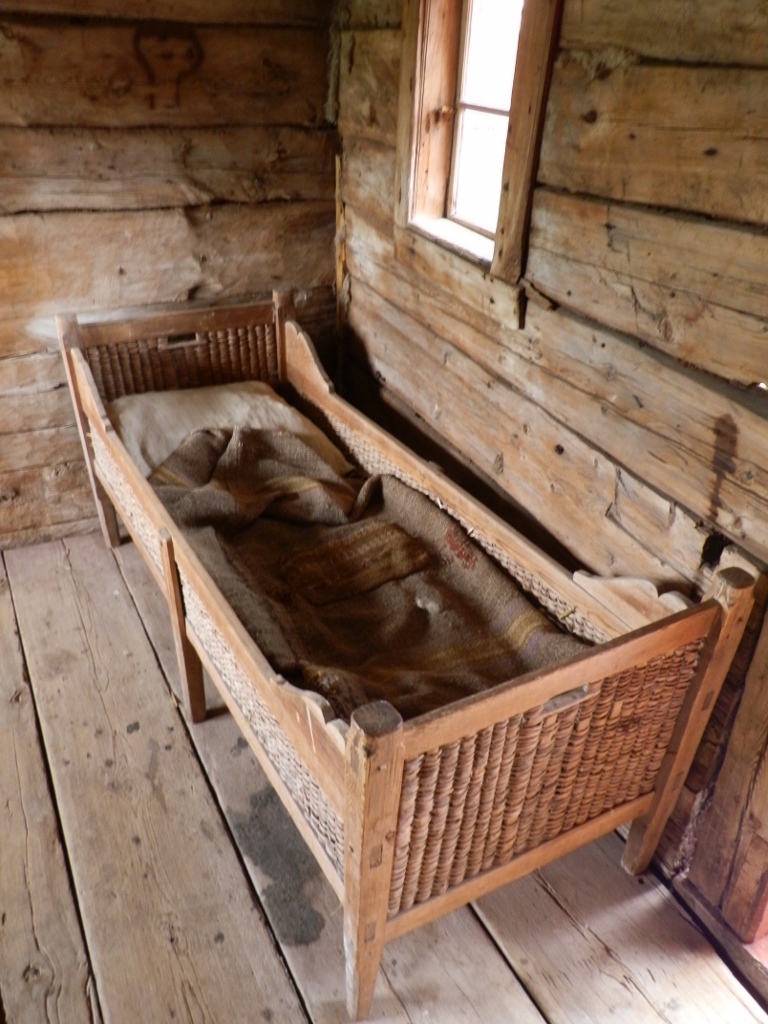
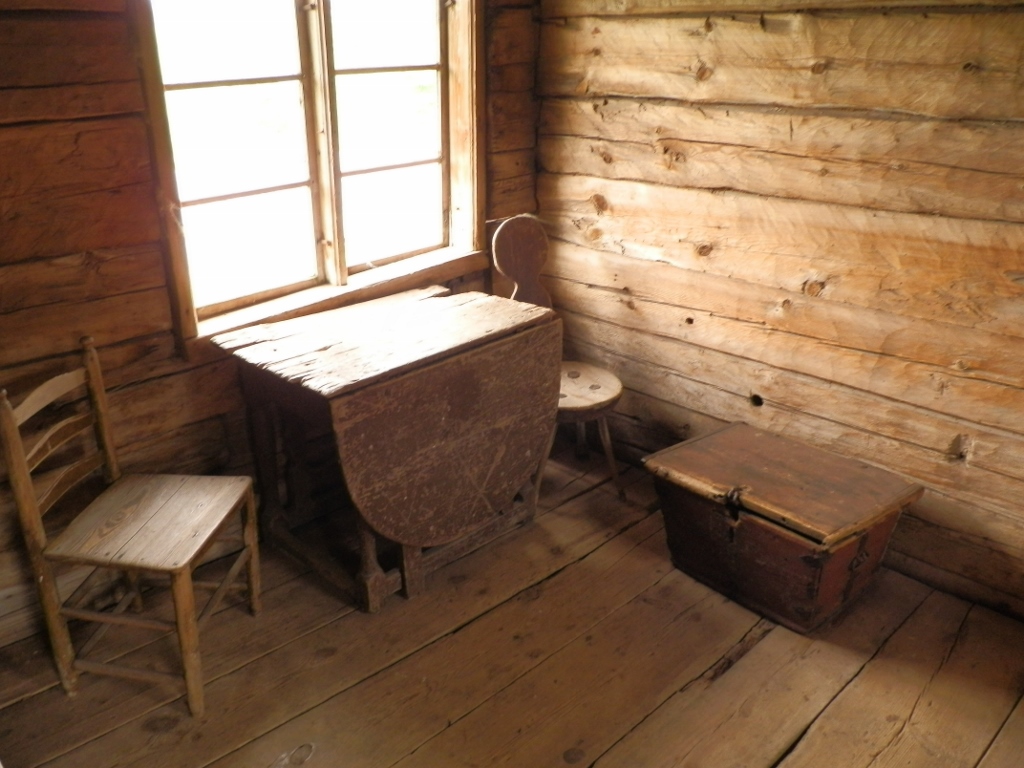
There are authentic wooden houses that were used for living and working, as well as barns and other rural buildings that have been brought here from surrounding villages and restored. Visitors can see how houses were built at the time, the traditional way of life, the crafts people practiced and how people managed their daily lives.
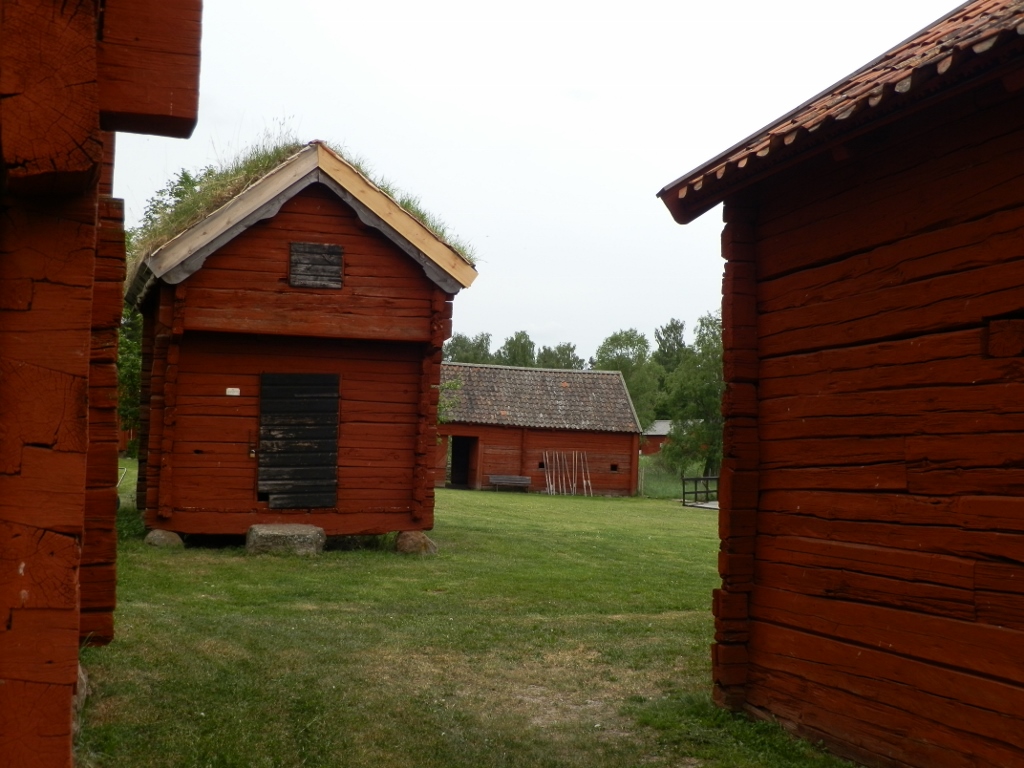 Disagården, a detail
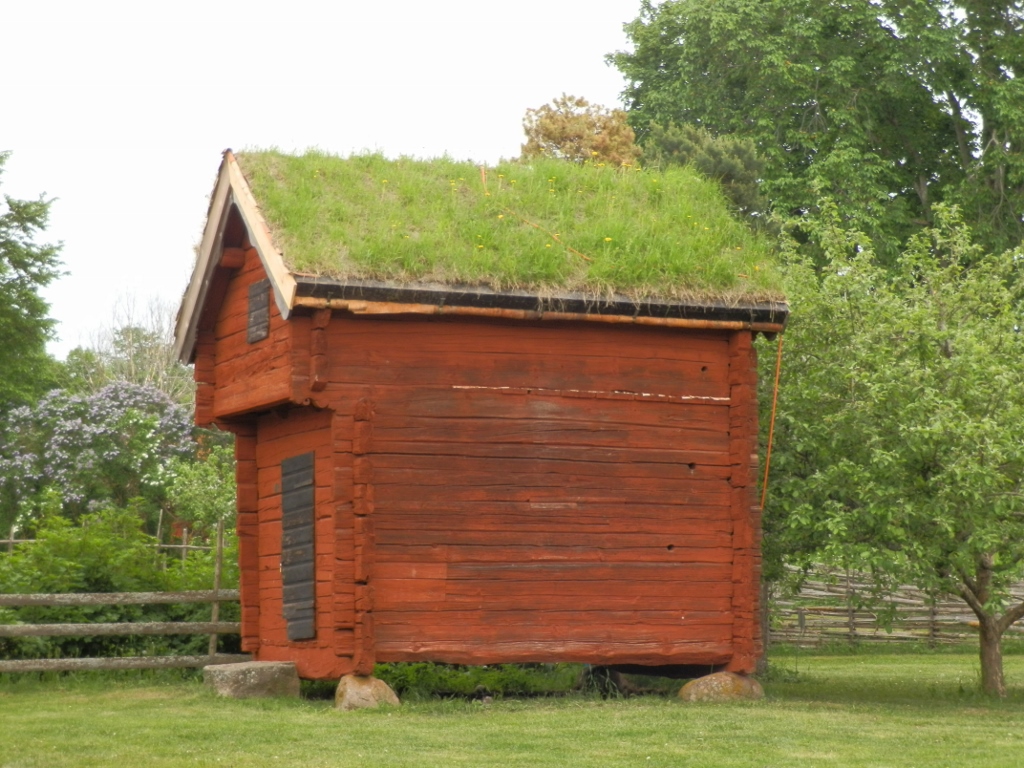 Disagården, a detail
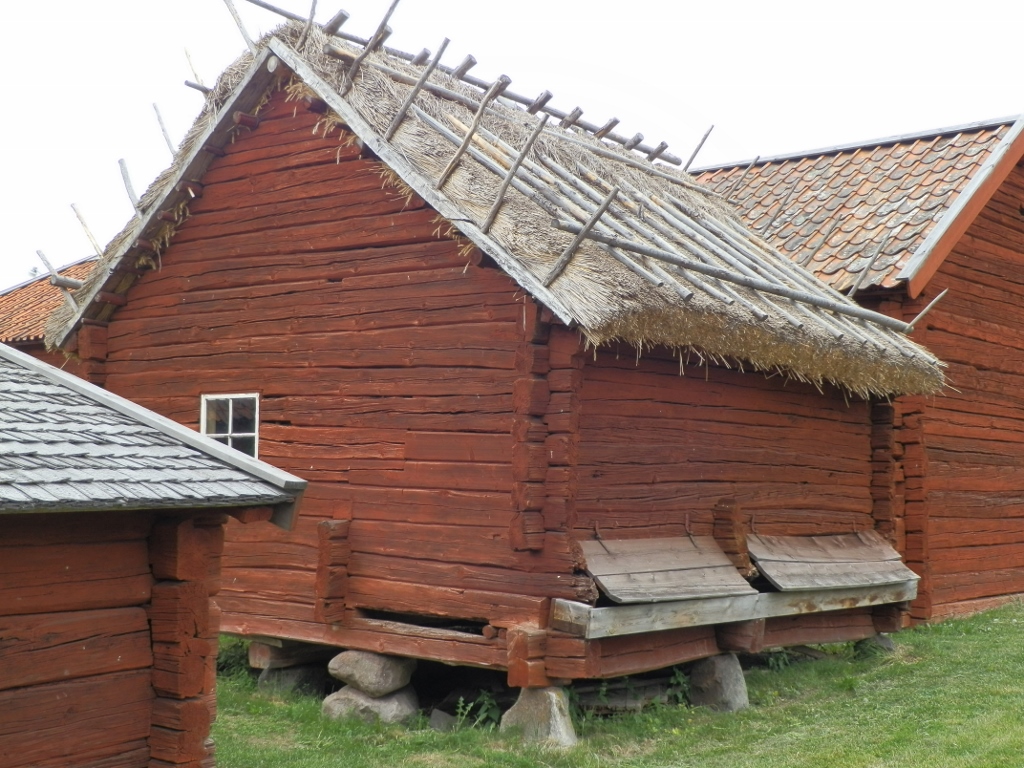 Disagården, a detail
 Disagården, a detail
The summer season, when this ethnographic village is open and various events are held, had not yet fully started at the time of my visit, but it was still possible to walk freely through the gates and explore the area. A large building and a few smaller ones were open, so we were able to go inside and see the interior exhibits.
 Disagården, a detail
 Disagården, a detail
 Disagården, a detail
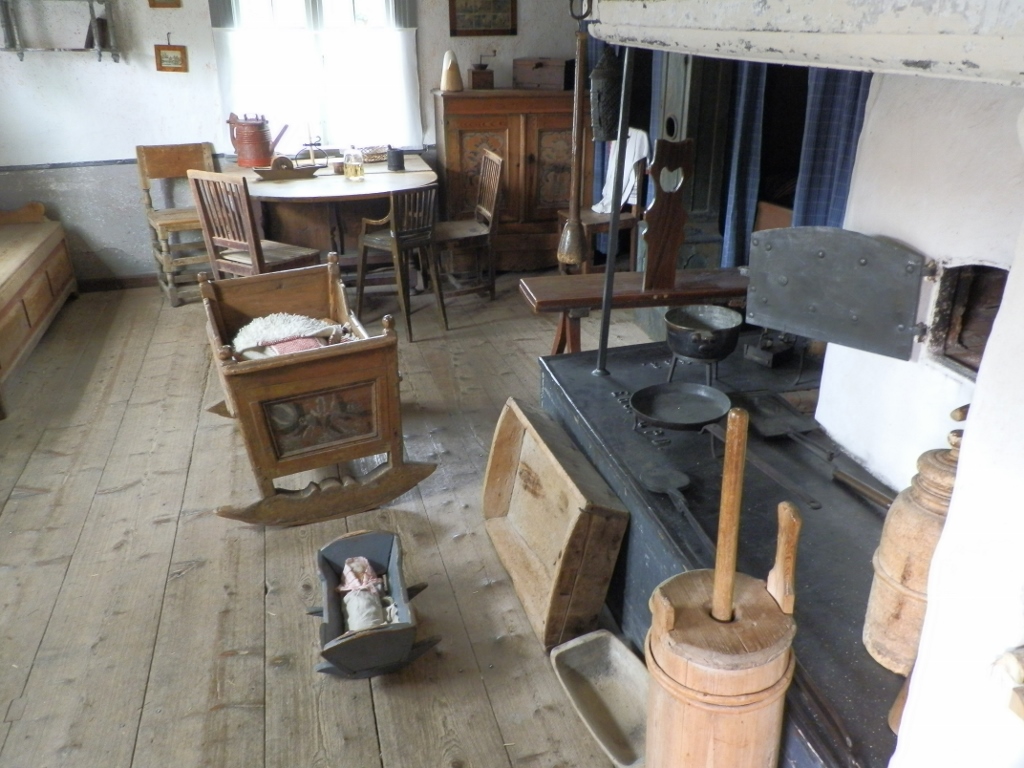 Disagården, a detail
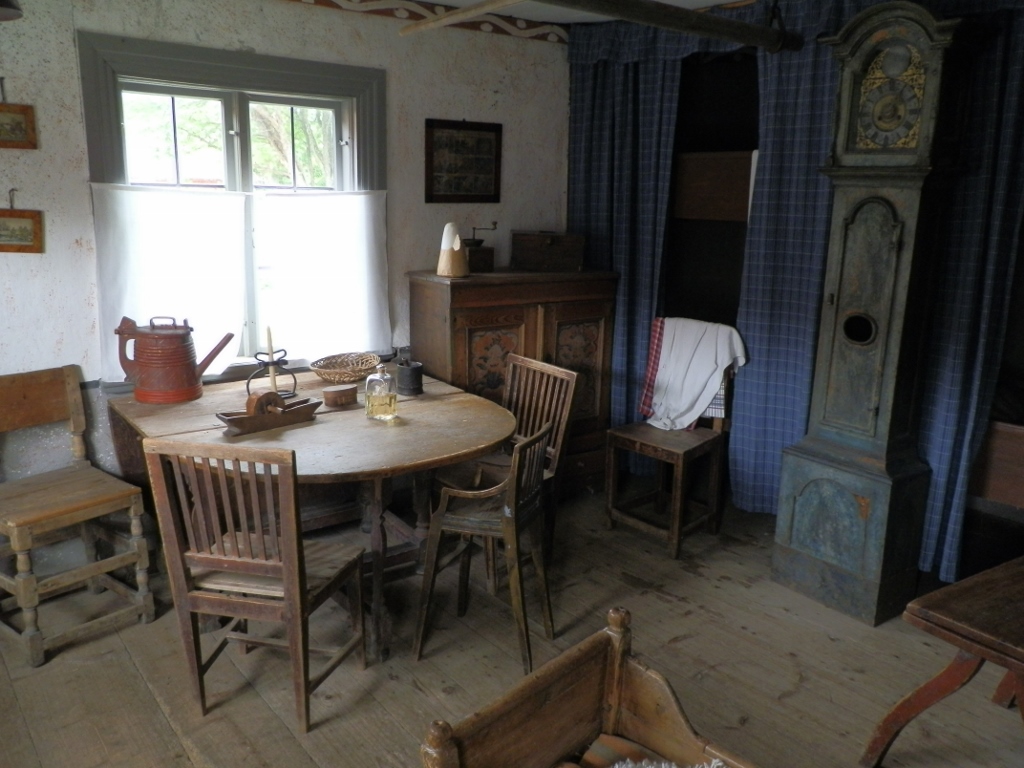 Disagården, a detail
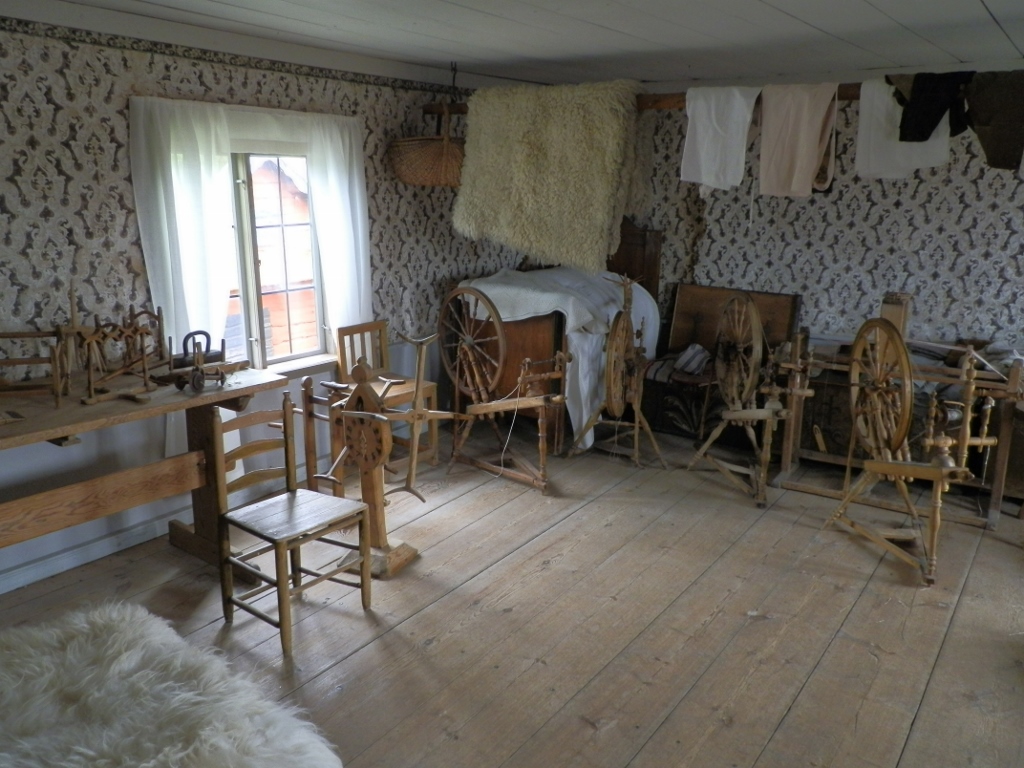 Disagården, a detail
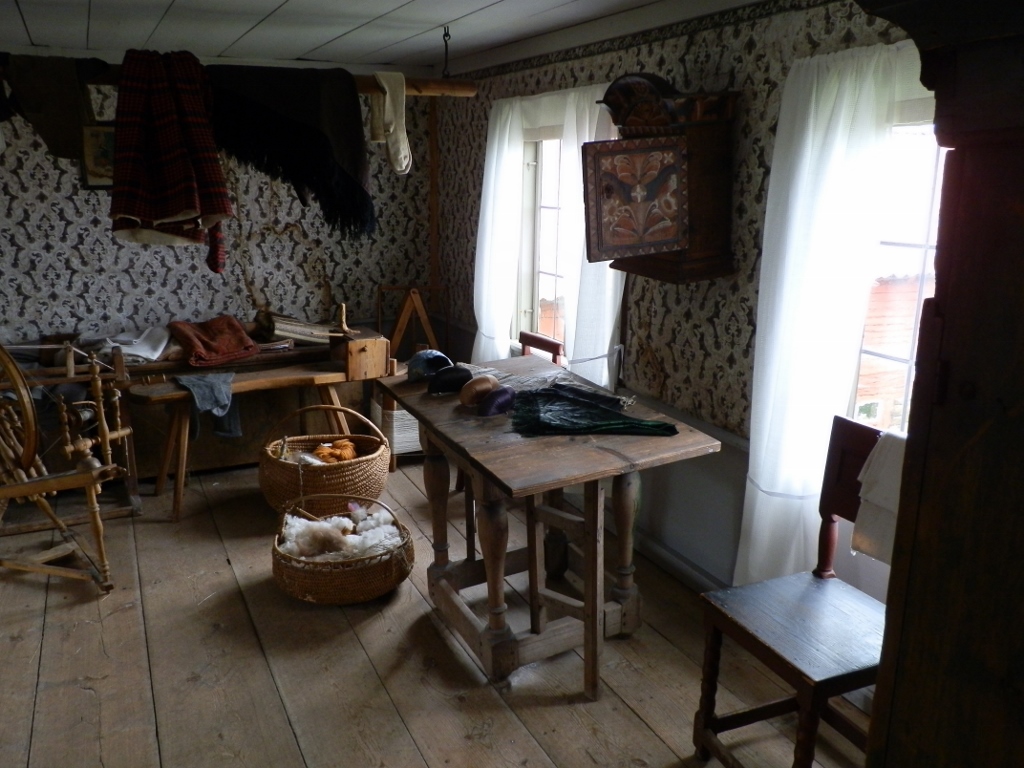 Disagården, a detail
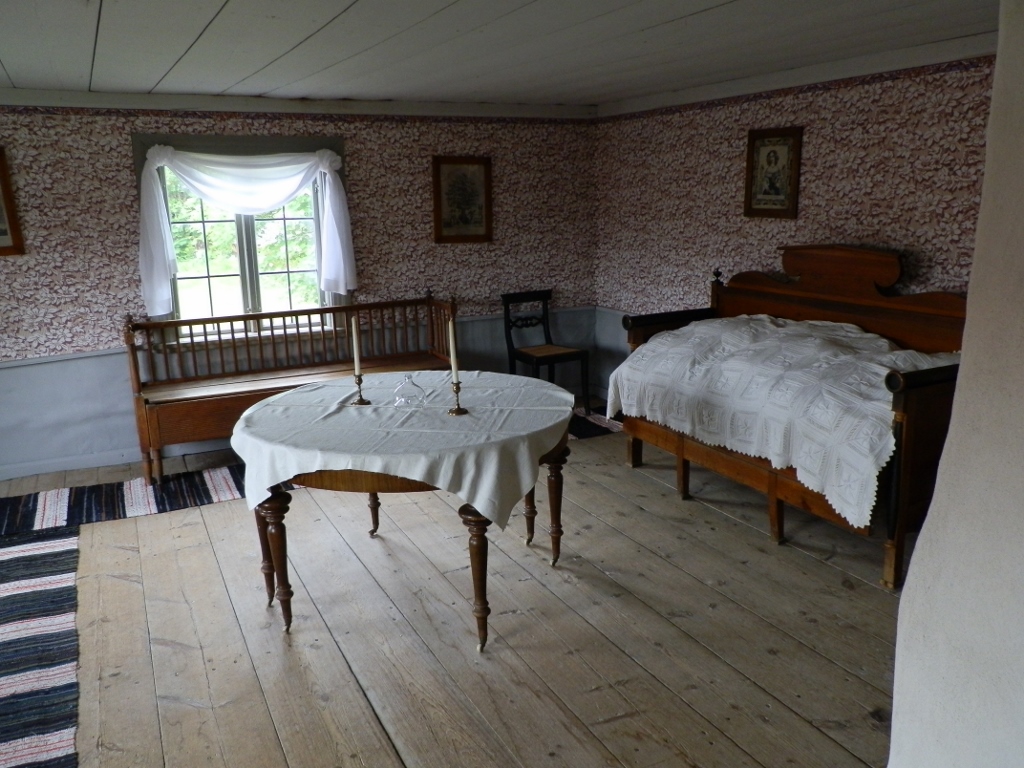 Disagården, a detail
Here we finished our sightseeing and we had really walked quite a lot that day. We then went to the flat in Uppsala so I could collect my things and after that we drove to the cottage in Knivsta, about 20 km south of Uppsala. In the meantime, the weather had started to change and I was delighted by the coincidence – while we had been walking and sightseeing, the weather had been nice, mostly sunny and certainly dry.
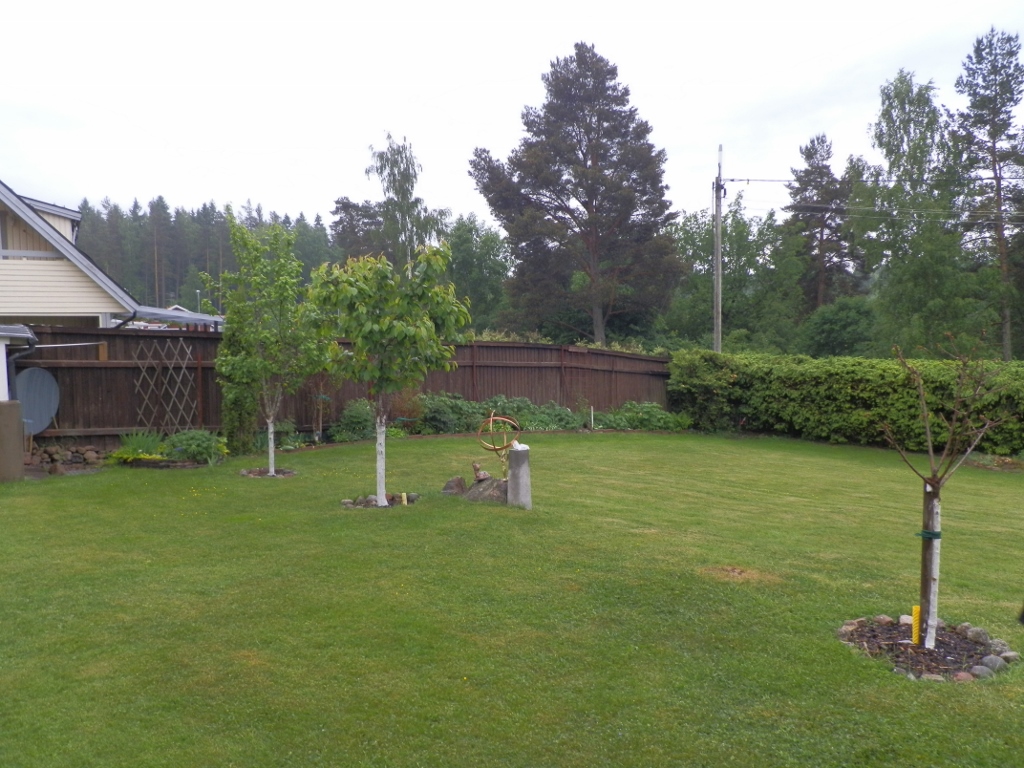 Knivsta, a detail
Just as we arrived in Knivsta, the rain started. At one point, it even fell heavily, almost pouring down. By that time, we had already made coffee, so we sat in the living room, which had once been a veranda, and there, between our conversations, we listened to the rain drumming outside.
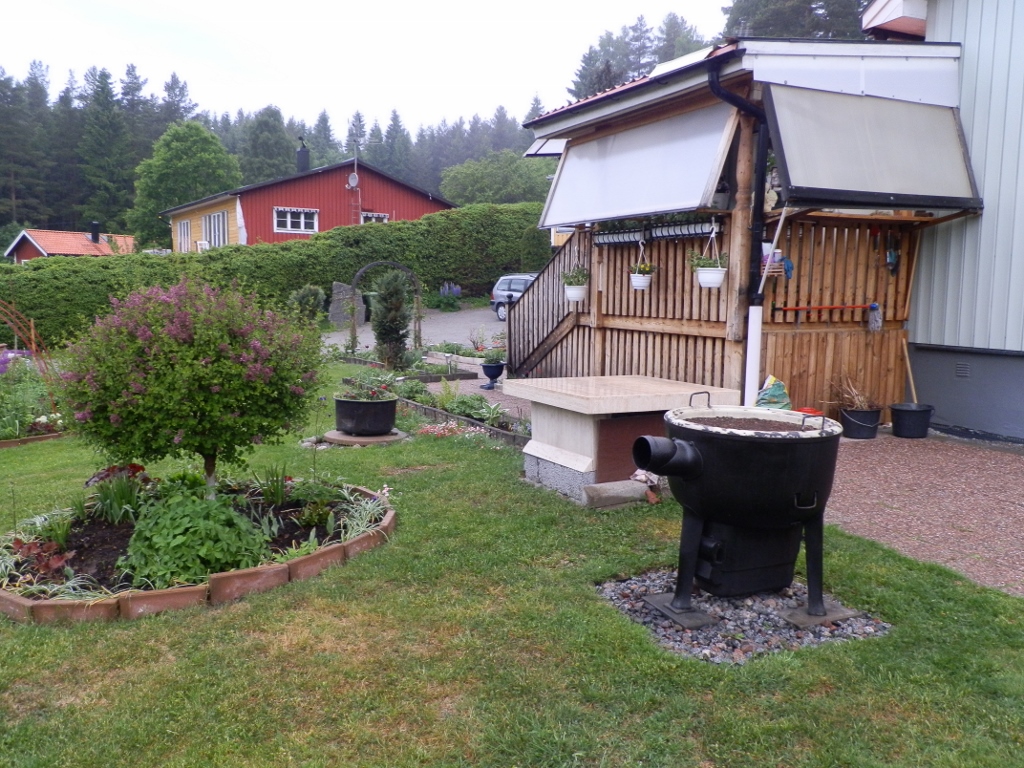 Knivsta, a detail
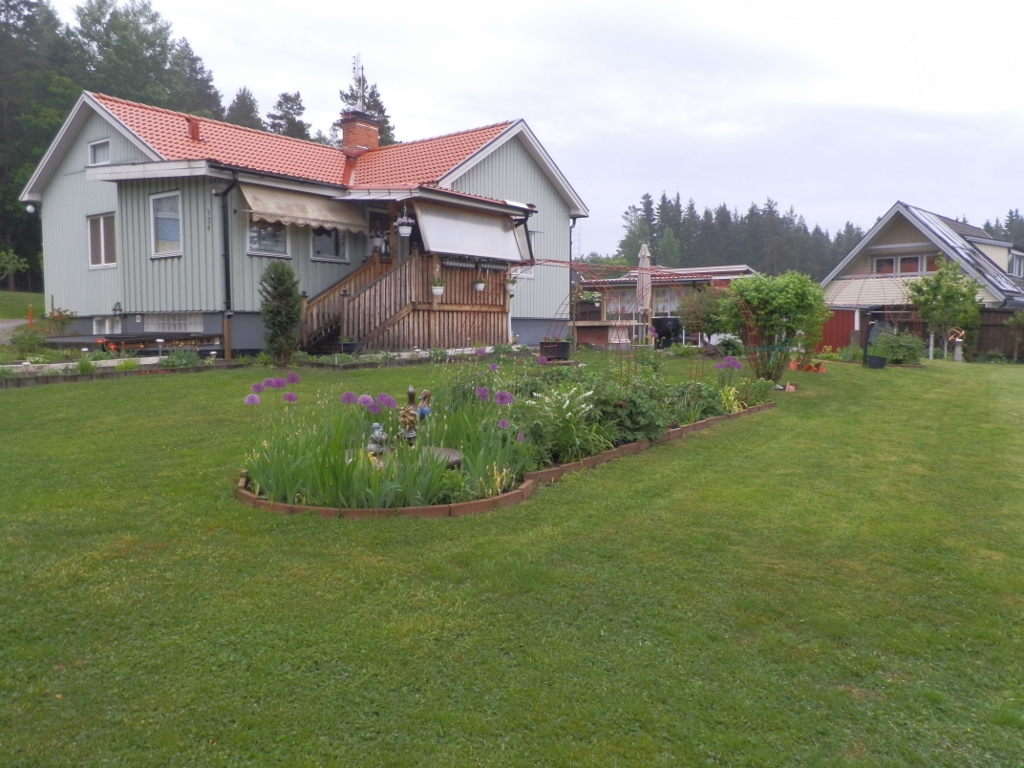 Knivsta, a detail
Over time, the rain stopped and I walked a bit more around the house. The plot itself, meticulously maintained, along with the surrounding forest, is absolute perfection and ideal for enjoying peace, greenery and serenity. Ever since 2013, I’ve been promising Katja and Toma that I would visit again, with the plan to stay in Knivsta the whole time so I could enjoy not only the company of my friends but also this idyllic calm and greenery. I haven’t done it yet, but it’s always on my mind.
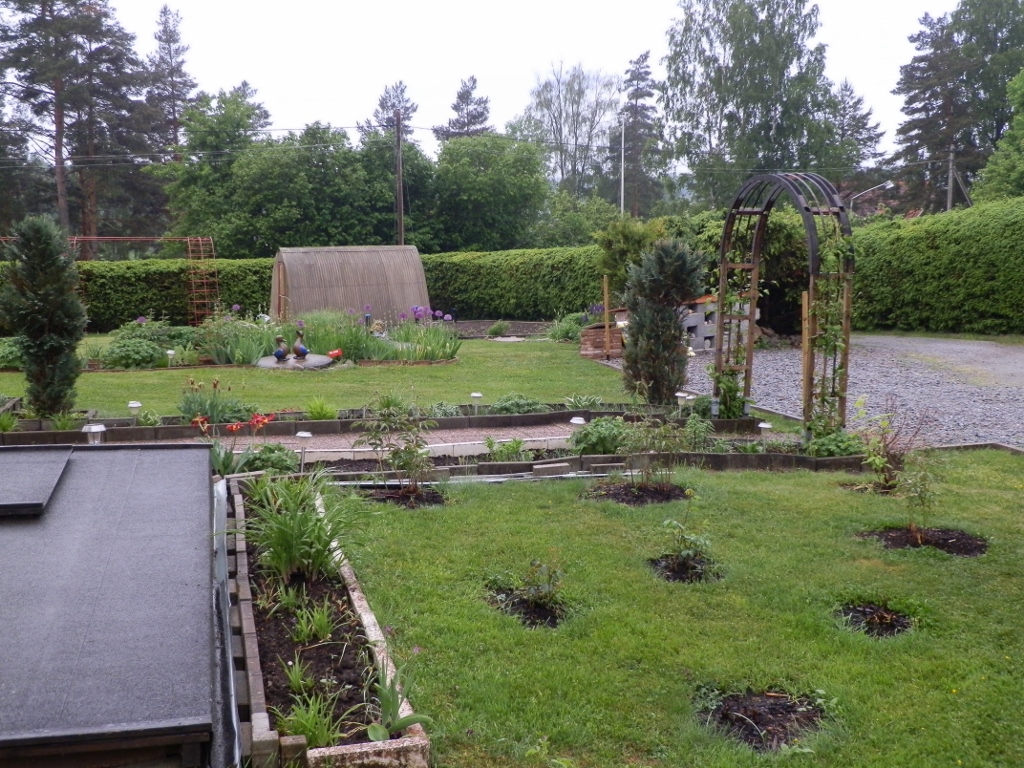 Knivsta, a detail
In any case, since the rain had stopped and the three of us enjoy being active, we went for a walk together. At first, we passed by a few more cottages and then the paved path for pedestrians and cyclists led us through the forest, with the air wonderfully fresh and washed clean.
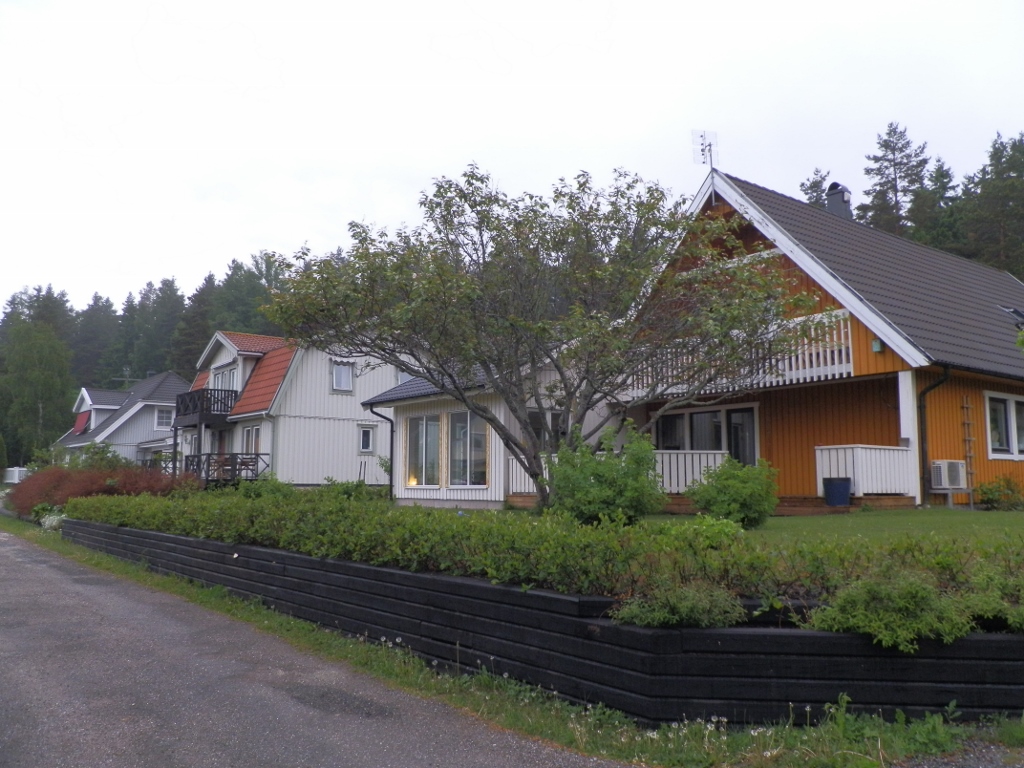 Knivsta, a detail
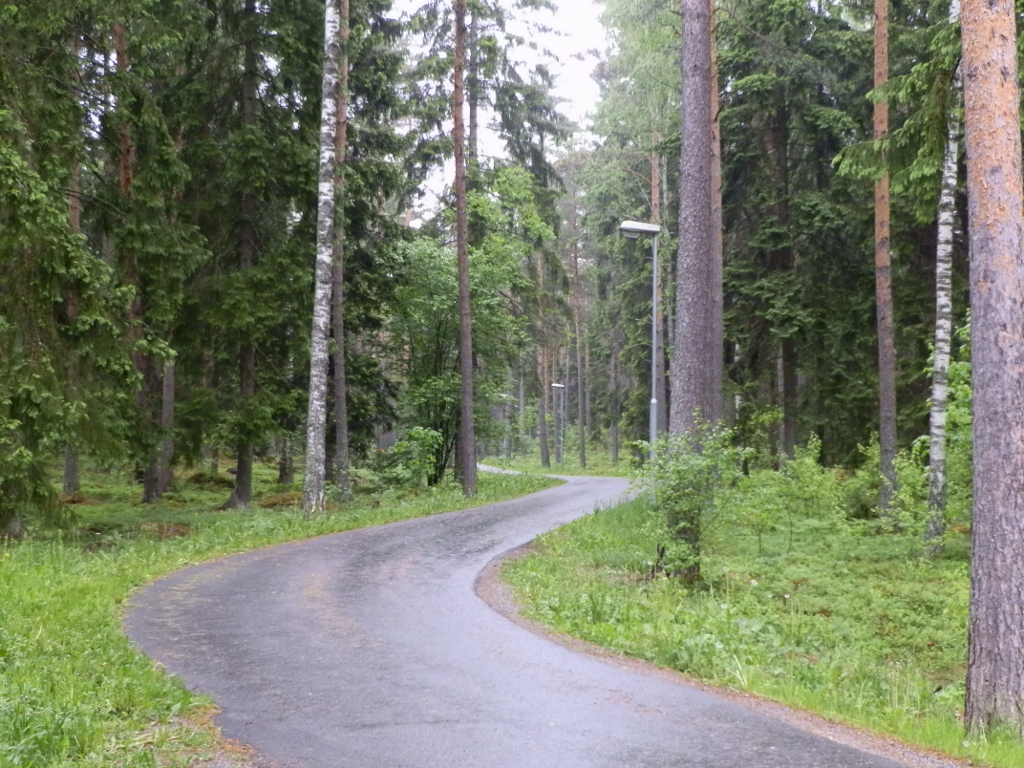 Knivsta, a detail
After the walk, we returned home and ate, then talked almost until midnight, as is customary among friends.
When I went to bed that evening, I experienced something completely unusual and almost strange – I could hear only a quiet buzzing in my ears, as no other sound existed. It was as if I were in a soundproof room, yet it was actually the perfect silence of nature.
The next morning, I woke up wonderfully rested, packed my things, had coffee and even had lunch (instead of breakfast), because Katja and Toma wouldn’t let me leave on an empty stomach. Later, they drove me to the airport.
All in all, this was a wonderful and very intense, albeit short, stay in Sweden. Here once again is the map showing all the places and sites I visited during this trip:
As I’ve mentioned earlier, I stayed in Stockholm again a few years later and I also visited southern Sweden in 2019 (see: https://www.svudapodji.com/en/sweden-1/).
And yet, although Sweden left a very pleasant impression on me and I would love to visit other parts of this northern European country, perhaps I could start by going to Knivsta to see Katja and Toma again, and enjoy a relaxing time surrounded by that greenery. Summer in Scandinavia can be truly beautiful… hmm!