This is another one of my long-ago journeys that I want to write about, but when I sat down to start doing so, I ran into certain problems.
First, let me clarify what I mean by the term “long-ago” journey. Even as a child, I dreamed of travelling around the wide world and that desire was the main reason why, back in primary school, I decided that I wanted to study English. Somehow, in my child’s mind, I connected the English language with travel and I have to say that this life dream did come true and that English indeed was the main catalyst for it. Thanks to studying languages at the Faculty of Philology in Belgrade, I ended up spending nine months in England while still a student, where I worked as an au pair (a girl who lives with a family and helps with the children and around the house in exchange for accommodation and food), but in order to increase my modest pocket money I also (successfully) worked in telemarketing (at the age of 20 and in a foreign language). That good command of the language enabled me, just a couple of months after returning home to what was then Yugoslavia, to get a job at the American Embassy in Belgrade. I continued my studies alongside work and it was not easy, but I nevertheless graduated as a full-time student and received my diploma, which later turned out to be important.
Since I started working at a young age while living with my parents, who did not charge me for the privilege, I was able to use part of my salary to travel. Although it was relatively good, it certainly was not a huge salary, while the main limitation was that I had a small number of vacation days. In the meantime, I changed jobs for various reasons, while towards the end of my professional career I was already very much a freelance translator/interpreter, which meant almost unlimited time off (in the sense that I determined myself when I would be away), but every such absence also meant that I was not working and then, immediately, during my absence, my income would drop to zero.
And yet, the trips kept coming and I always took photographs. Over time, I also began keeping a travel diary – sometimes more extensively and in detail, sometimes less so and only superficially. Of course, I remember quite a lot about those long-ago journeys, but not in enough detail for it to make sense to start writing now about all of those experiences. However, some of them happened relatively recently, although for me they still fall into the category of “long-ago,” that is, before the blog was launched and before a different way of looking at travel and writing about it.
And now I return to the story of a short stay in Sweden in 2013, when I visited some interesting parts of this beautiful country.
So, when I set out with the intention of writing about this trip, it turned out that the information in my travel diary was only of a general nature, there were plenty of photographs, and I realised that for more than half of them I did not know exactly what they depicted. Ugh! I could see that there would be a lot of work involved in “reconstructing the events,” but there was nothing else to be done.
Before 2013, I had never been to Sweden or Stockholm. Then, at the beginning of that year, I came across a favourable airfare and so I decided to go at the end of May, with the idea of staying in a small hotel or hostel, since Sweden is known as an expensive country.
In the meantime, Katja and Toma, friends whom I had met several years earlier through a family friend, and who have a flat in Belgrade very close to mine, so we see each other and spend time together when they are there, invited me to stay with them, since they have actually been living and working in Sweden for decades.
To be precise, they live in Uppsala, which is about 75 km north of Stockholm and they also have a weekend cottage some 20 km south of Uppsala. All in all, since they are more familiar with the local Swedish circumstances, they concluded that it would be cheaper for me to stay with them and make a day trip by train to Stockholm.
Here is also a map showing all the places and sites I visited during this trip:
So, to begin with, these wonderful friends met me at the airport in Stockholm and then we first went to their weekend cottage in Knivsta, a place straight out of a fairy tale – peaceful, with lots of greenery, wonderful air... sheer delight.
Still, we only ate there and then moved on to Uppsala and their flat. As is customary among friends, we chatted the whole time and exchanged news, so I went to bed relatively late.
In the morning, I was awakened by the light and my brain must have thought, even while I was still asleep, that it was already time to wake up and get up – except it was before 5 a.m.!!! Namely, I was far enough north, almost at 60 degrees north latitude, while at the end of May and beginning of June the day there lasts for over 18 hours! The sun rises as early as about 3:40 in the morning and sets almost at 10 in the evening.
When I saw what time it was, I went back to sleep. It wasn’t a deep sleep, but it was sleep nonetheless, so I still got up nicely rested a bit later, almost at 8.
My hosts were already very much awake and then their hospitality began. I immediately had to say what I would eat and drink, and they were truly absolutely and fantastically accommodating and hospitable.
However, I didn’t linger for long and got ready relatively quickly. Katja walked me to the railway station in Uppsala, which is less than a 10-minute walk from their flat. I bought a ticket, jumped on the train and set off for Stockholm.
Since I had had a lot of work before the trip, I hadn’t managed to read anything about Stockholm in advance, but during the roughly 40 minutes that the train journey takes, I did manage to read a bit in my guidebook.
Besides that, I knew I wanted to visit the ABBA Museum, which had opened just a month or two before my arrival. Then I wanted to take a boat ride (as part of sightseeing in Stockholm). I also planned to explore the old town of Stockholm, as well as Drottningholm Palace.
At first glance, this may seem overambitious, but on the one hand the day was exceptionally long, while on the other hand I was planning to come to Stockholm the following day as well – so it was a matter of two days of sightseeing.
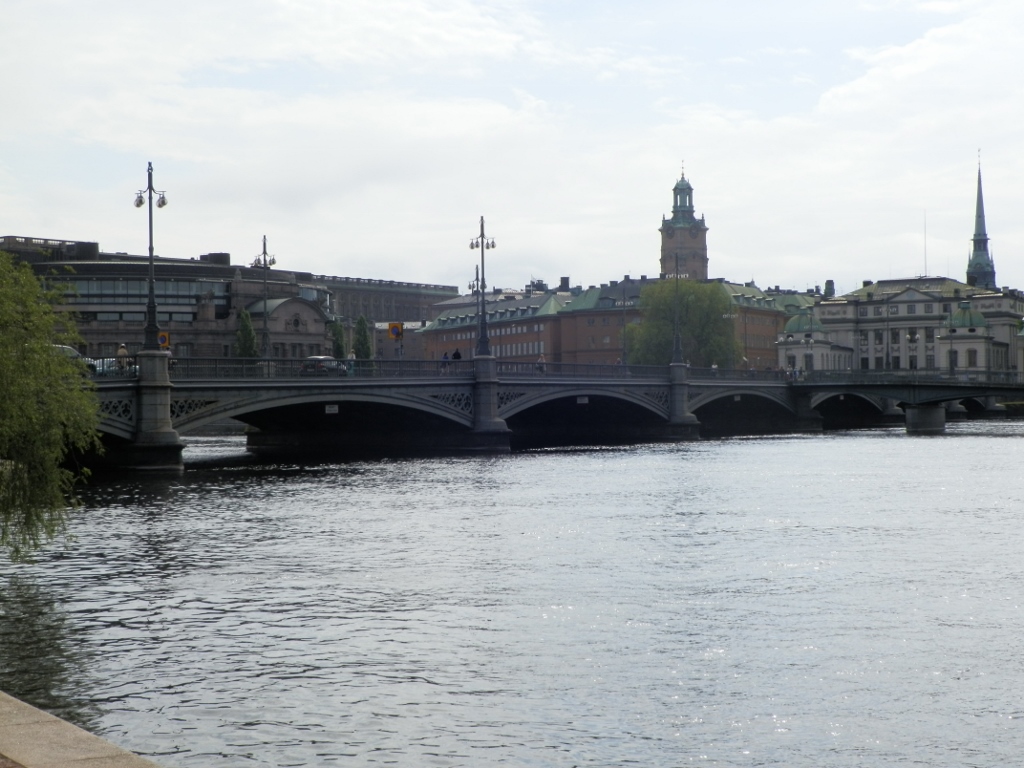
Already upon leaving the railway station and at the very start of my walk around the city, I encountered a noticeable characteristic of Stockholm, because of which it has earned the nickname “the Venice of the North.” Namely, the capital of Sweden stretches across 14 small islands and this is where Lake Mälaren meets the Baltic Sea. All of these different land areas of Stockholm are interconnected by more than 50 bridges.
 Stockholm, a detail
 Stockholm, a detail
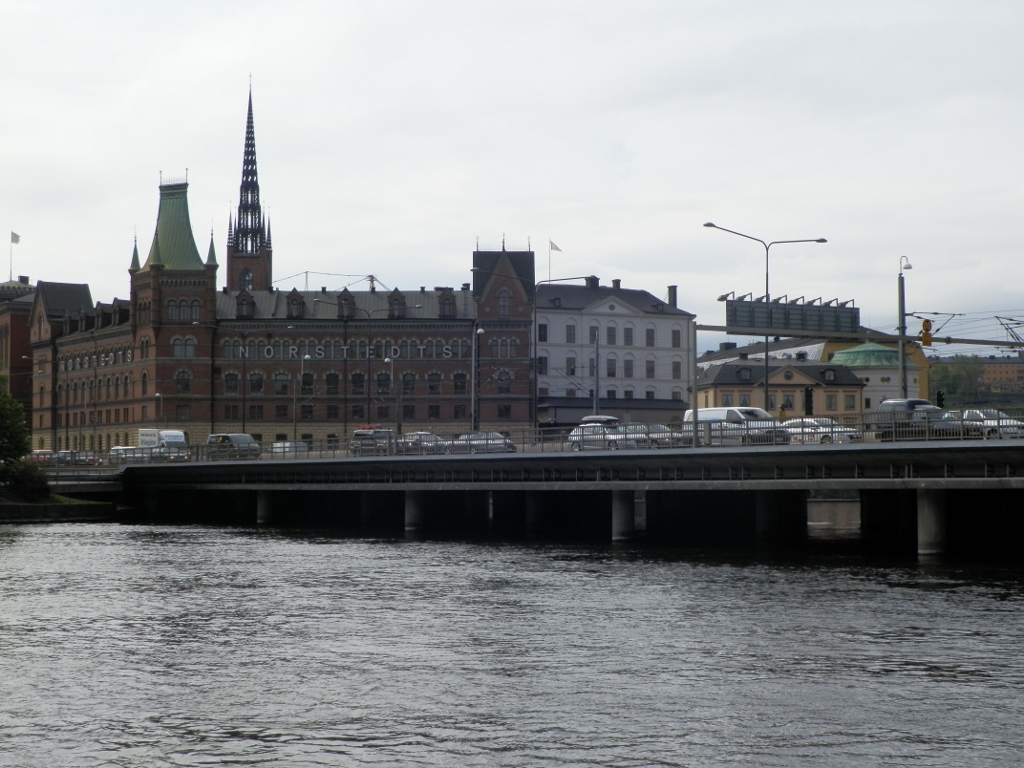
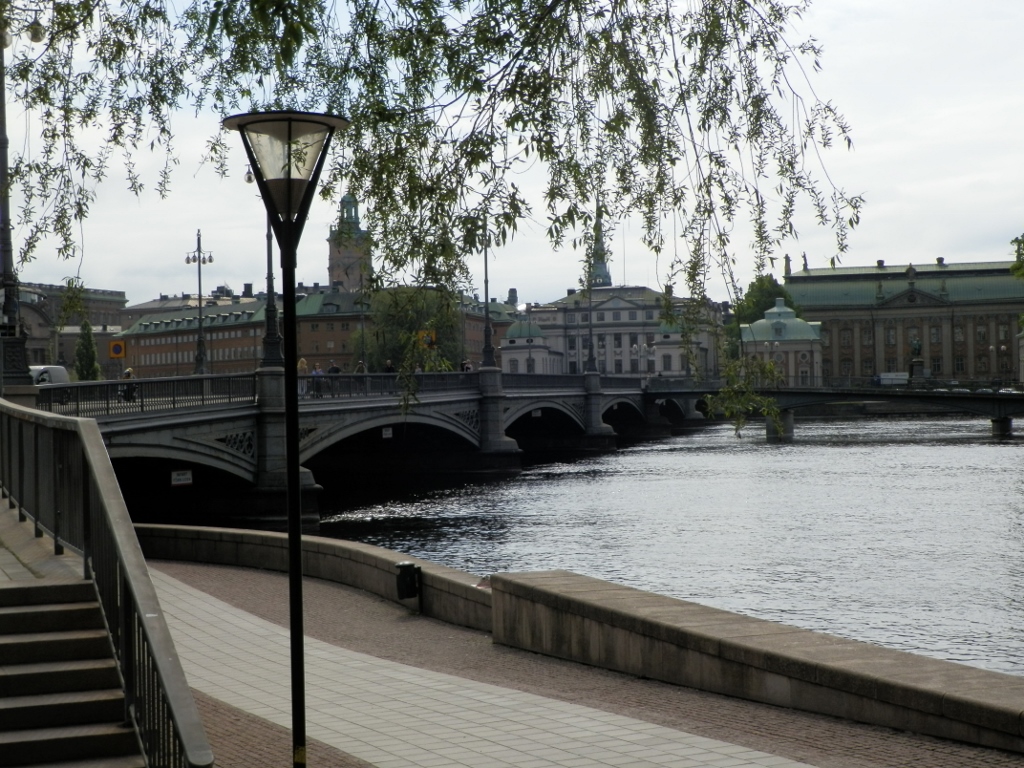
Here I was actually heading towards the old town called Gamla Stan, but along the way I also observed and photographed details of the part of the city I was passing through.
 Stockholm, a detail
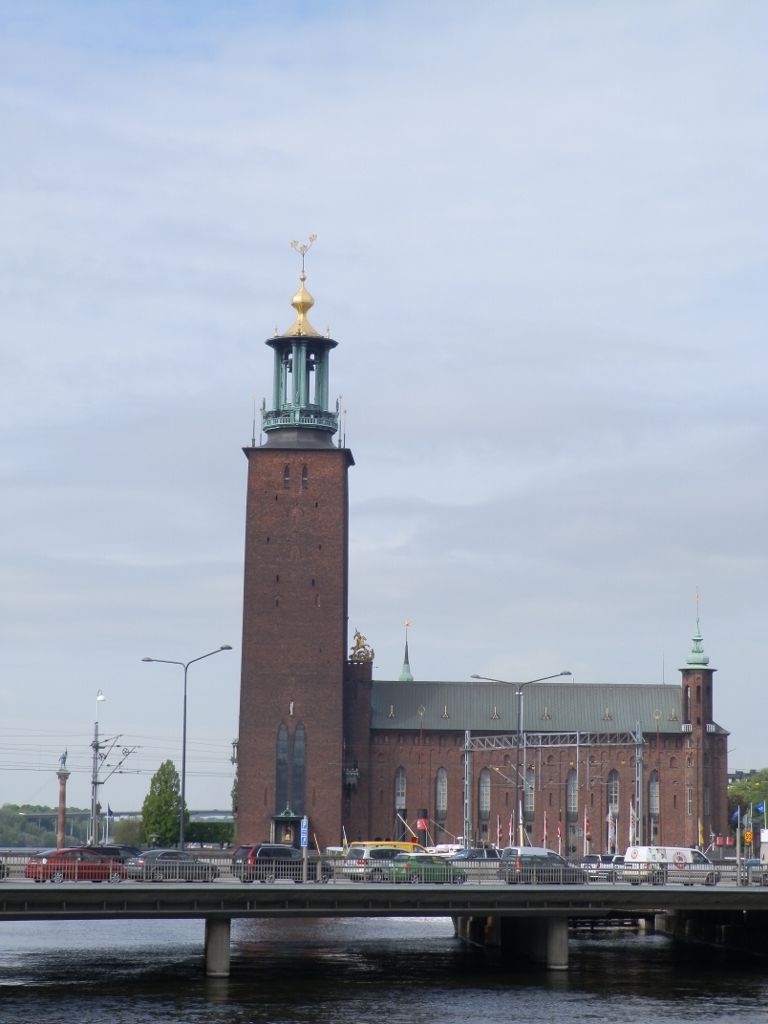
A bit farther on, I also saw Stockholm City Hall or Stadshuset, which is located on King’s Island or Kungsholmen.
 Stockholm, a detail
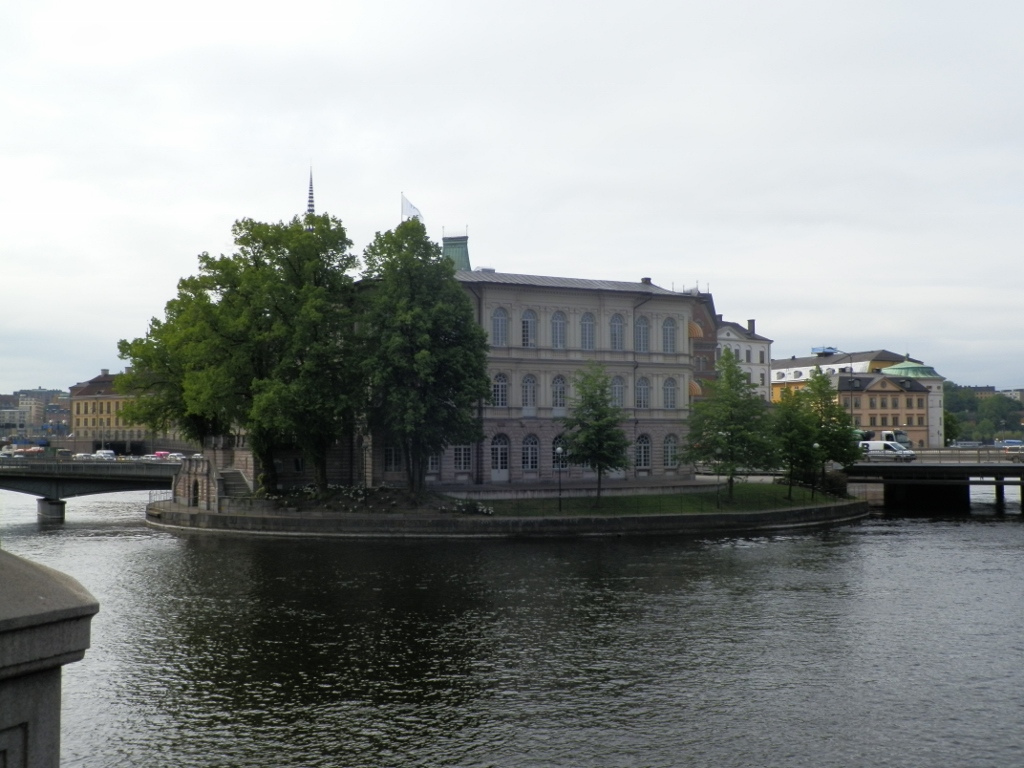
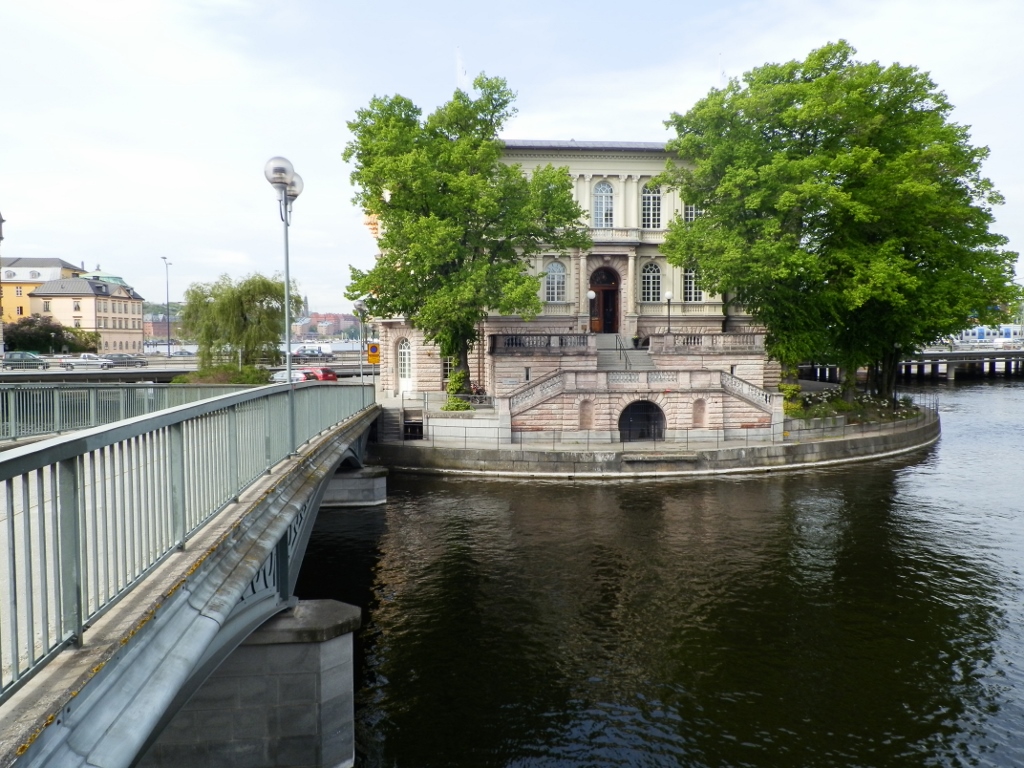
But there were also various other charming spots and the walk took me near the small circular island of Strömsborg.
 Stockholm, a detail
 Stockholm, a detail
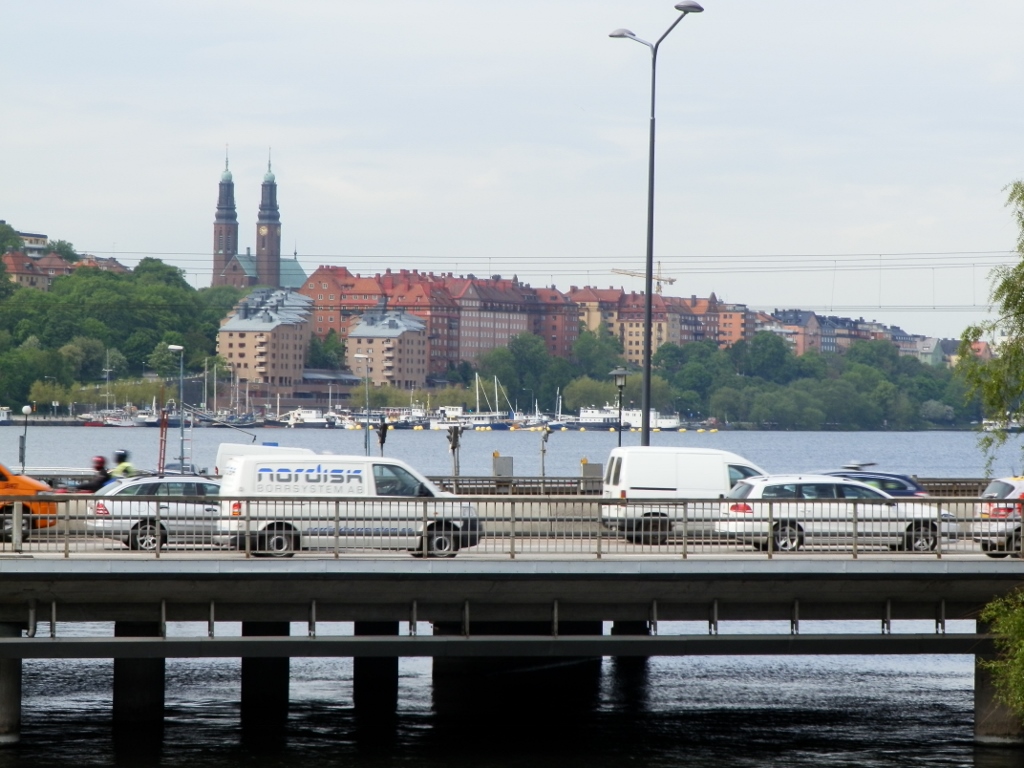
Looking past the island, in the distance I could also see parts of the city with tall towers of the local church.
 Stockholm, a detail
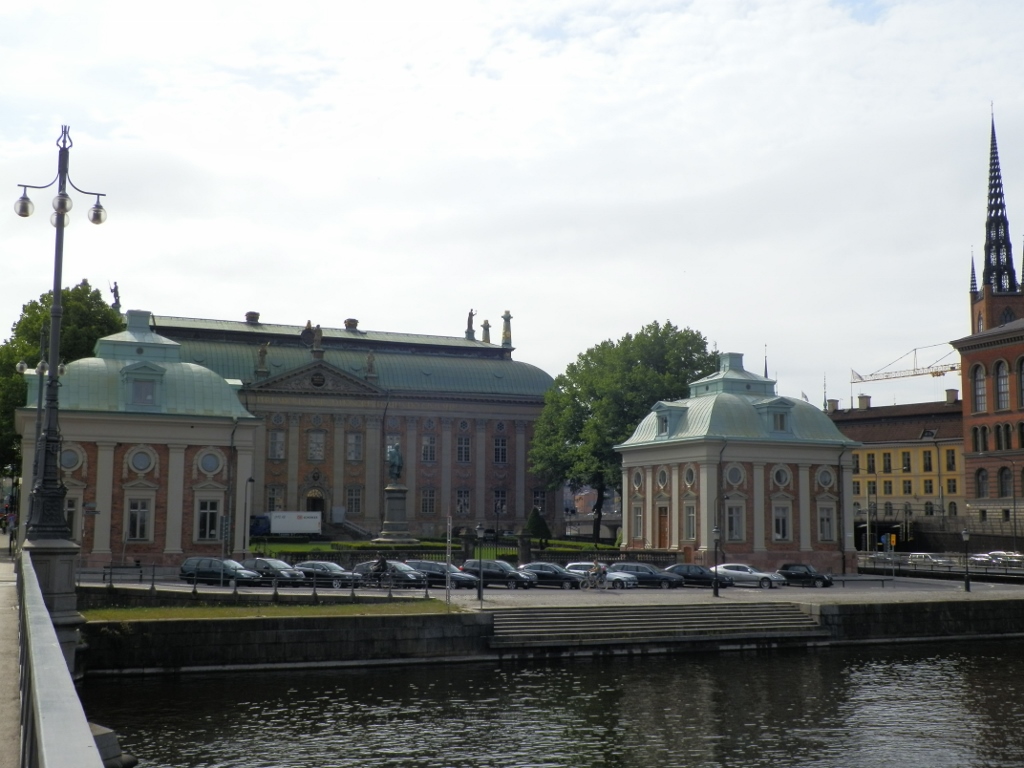
In front of me, on the island of Stadsholmen, which makes up most of the Old Town, I also came across the House of Nobility (Riddarhuset), considered one of the most beautiful buildings in Stockholm. It is a 17th-century palace that was used for gatherings and meetings of the nobility. The palace also includes two pavilions at the front of the courtyard, closer to the water.
 Stockholm, a detail
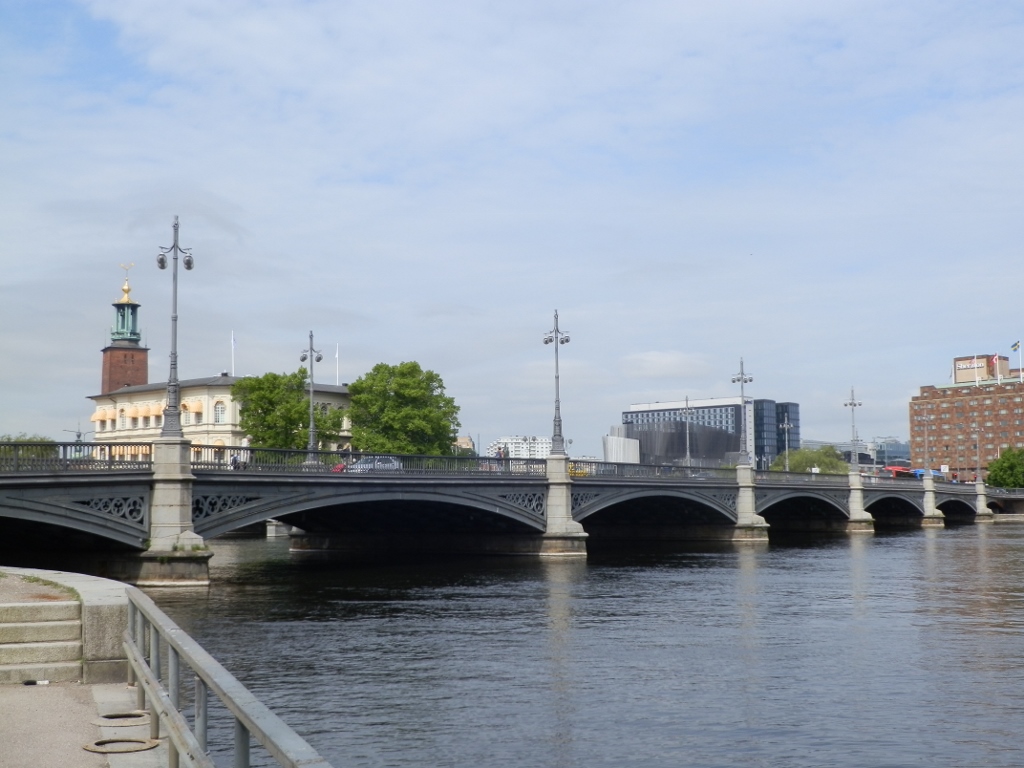
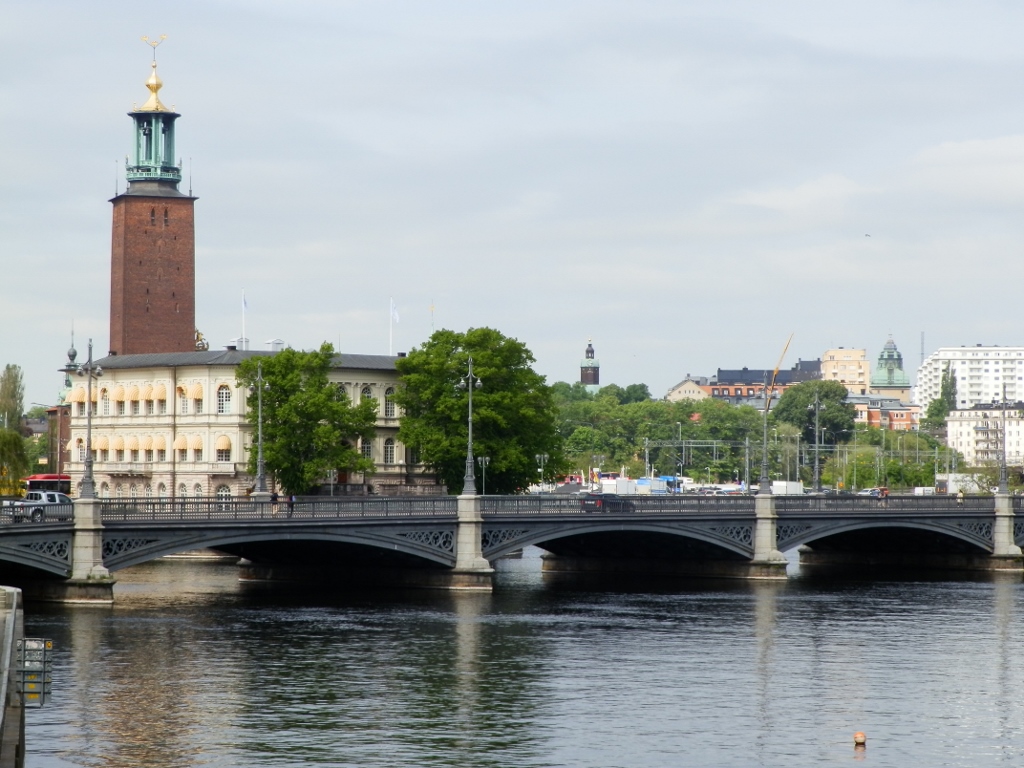
Crossing now into the Gamla Stan area, I looked back at the bridge I had used to get here, with the tower of the City Hall visible in the background.
 Stockholm, a detail
 Stockholm, a detail
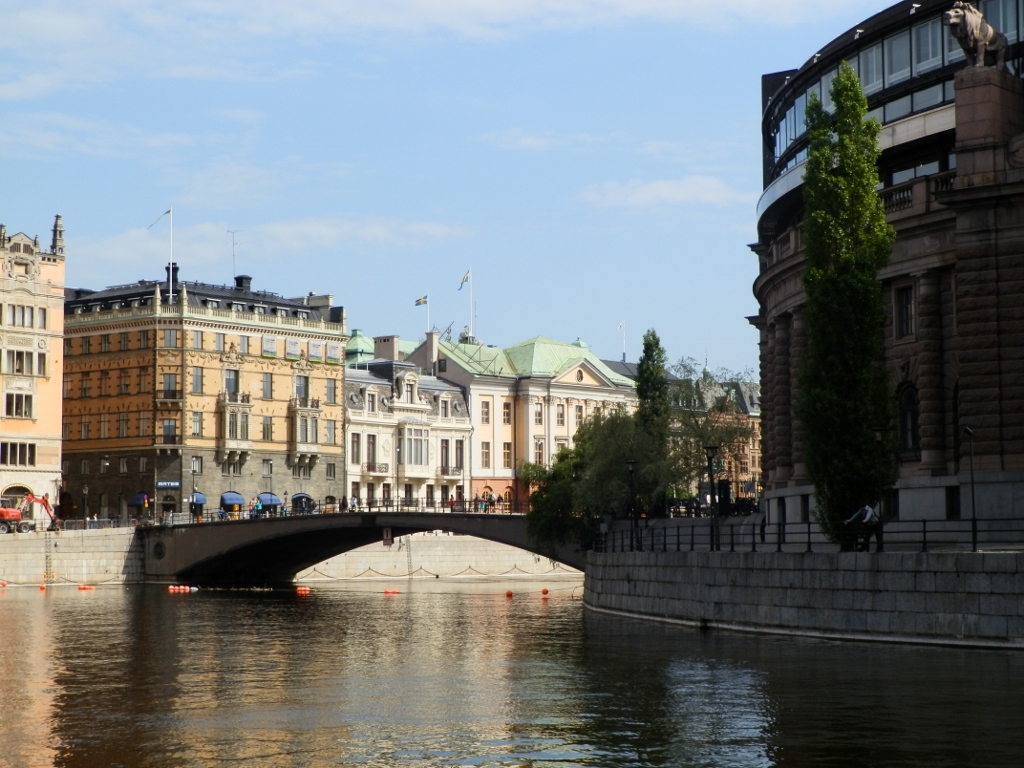
On the other side, I photographed part of the Island of the Holy Spirit or Helgeandsholmen, which is connected by a bridge to the commercial areas of Stockholm.
 Stockholm, a detail
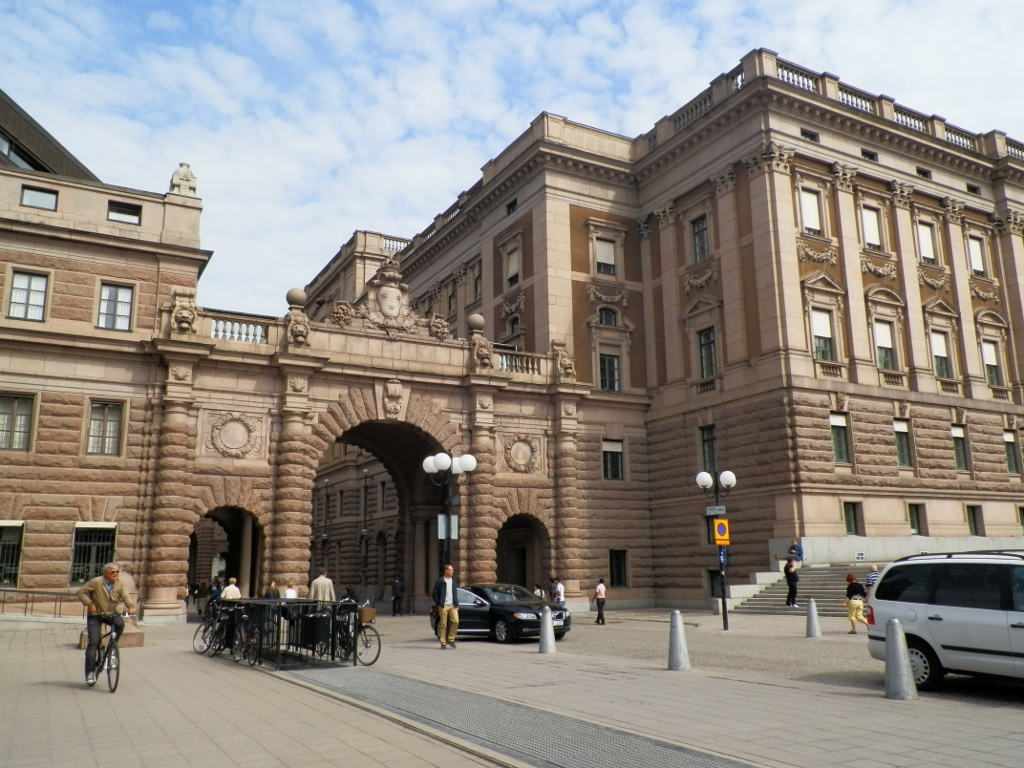
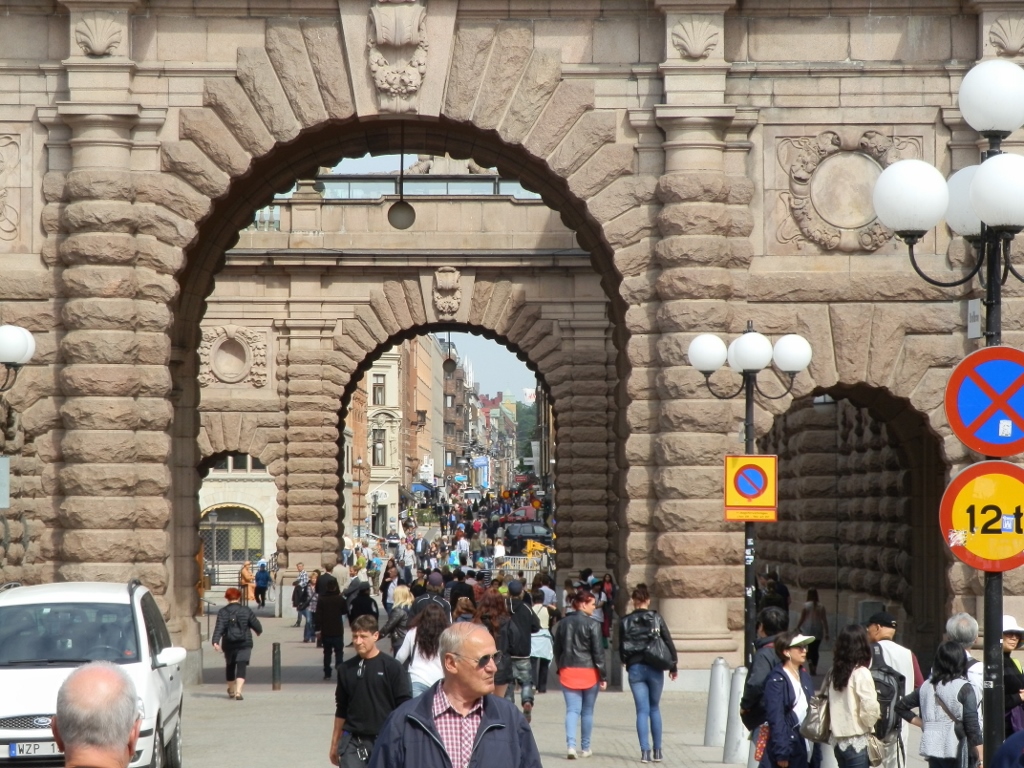
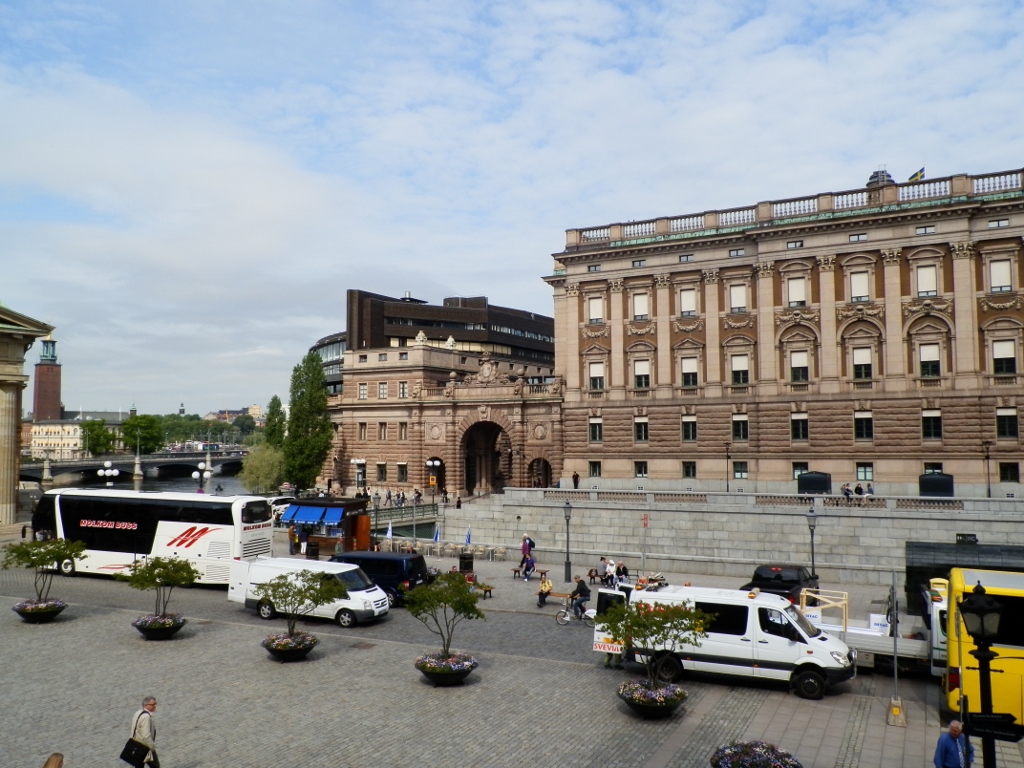
However, the main building on this island is the complex of the Swedish parliament called the Sweden Parliament House.
 Stockholm, a detail
There is a street running through this complex and it continues onto the bridge I had photographed earlier, leading to the commercial part of the city.
 Stockholm, a detail
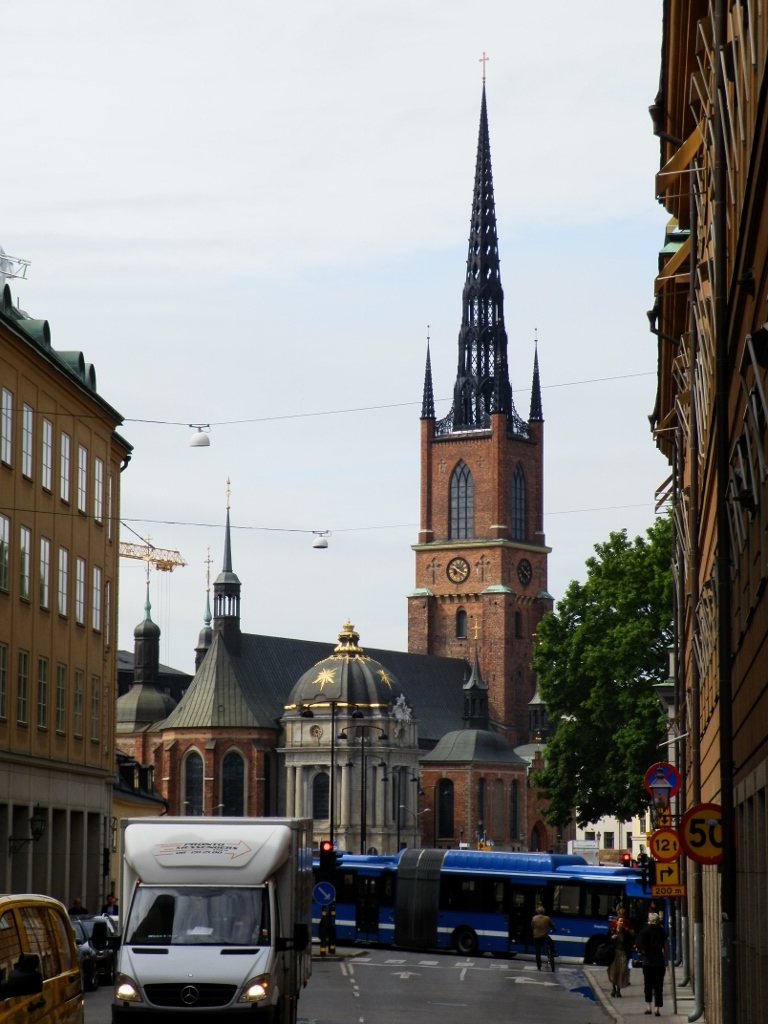
On the other side, a bit farther away on the neighbouring island, I also saw Riddarholmen Church.
 Stockholm, a detail
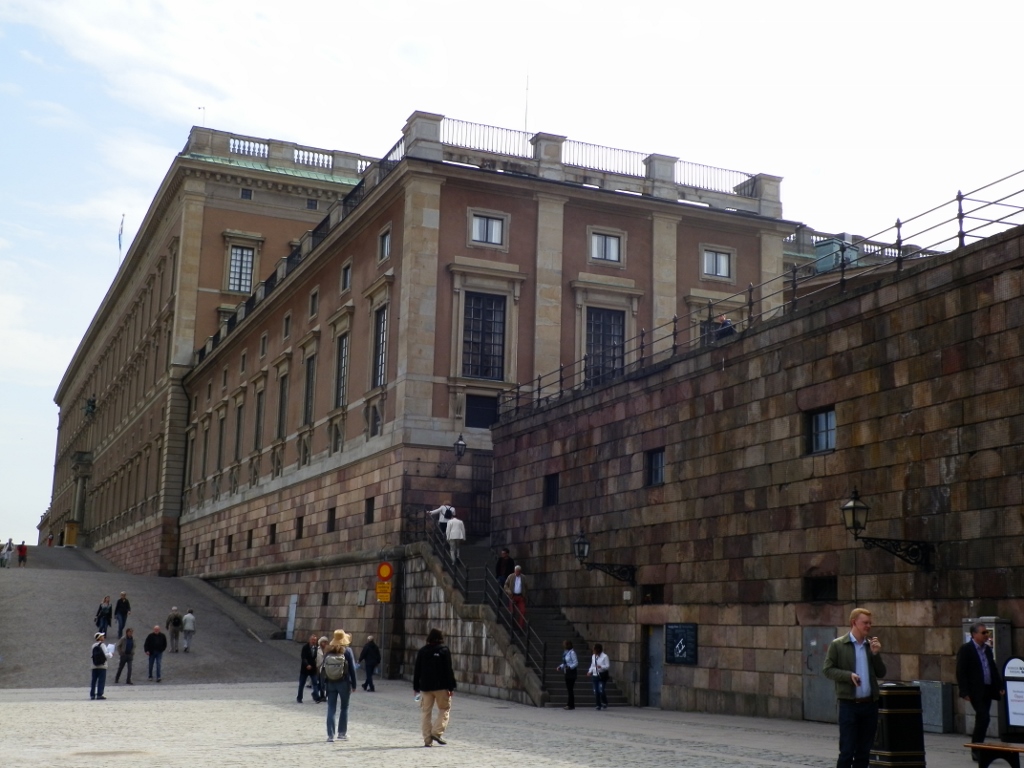
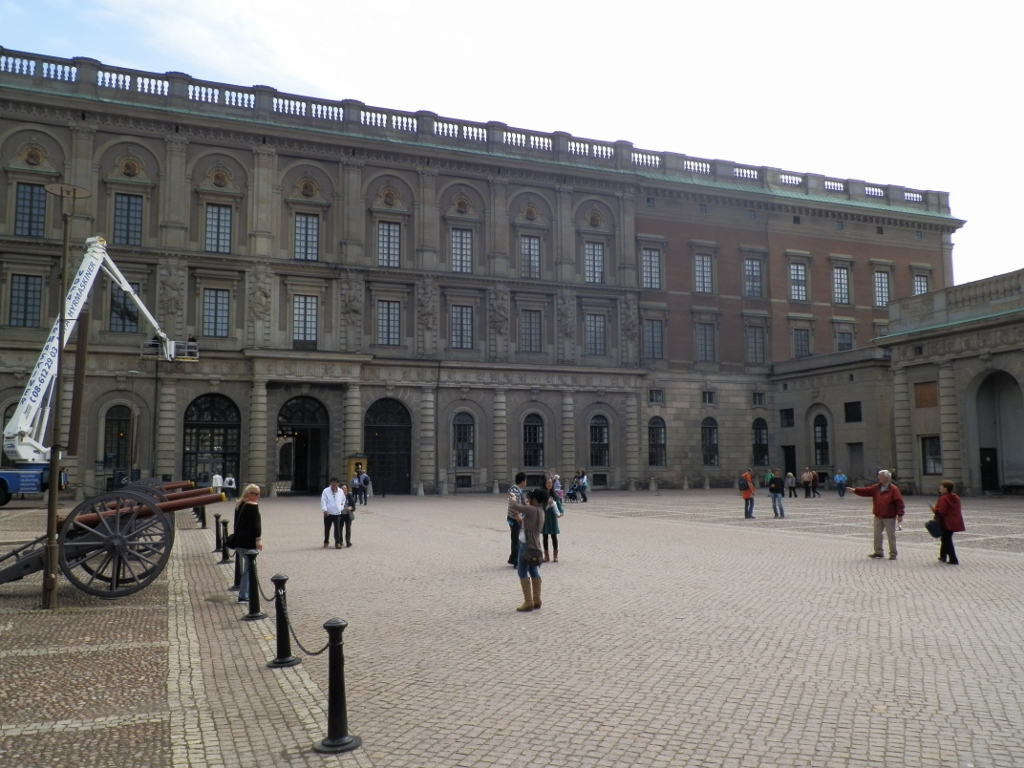
But here I actually arrived at the Royal Palace or Kungliga Slottet.
 Stockholm, a detail
When I climbed up there, I first looked back again and photographed the Sweden Parliament House complex and then I entered the courtyard of the Royal Palace.
 Stockholm, a detail
 Stockholm, a detail
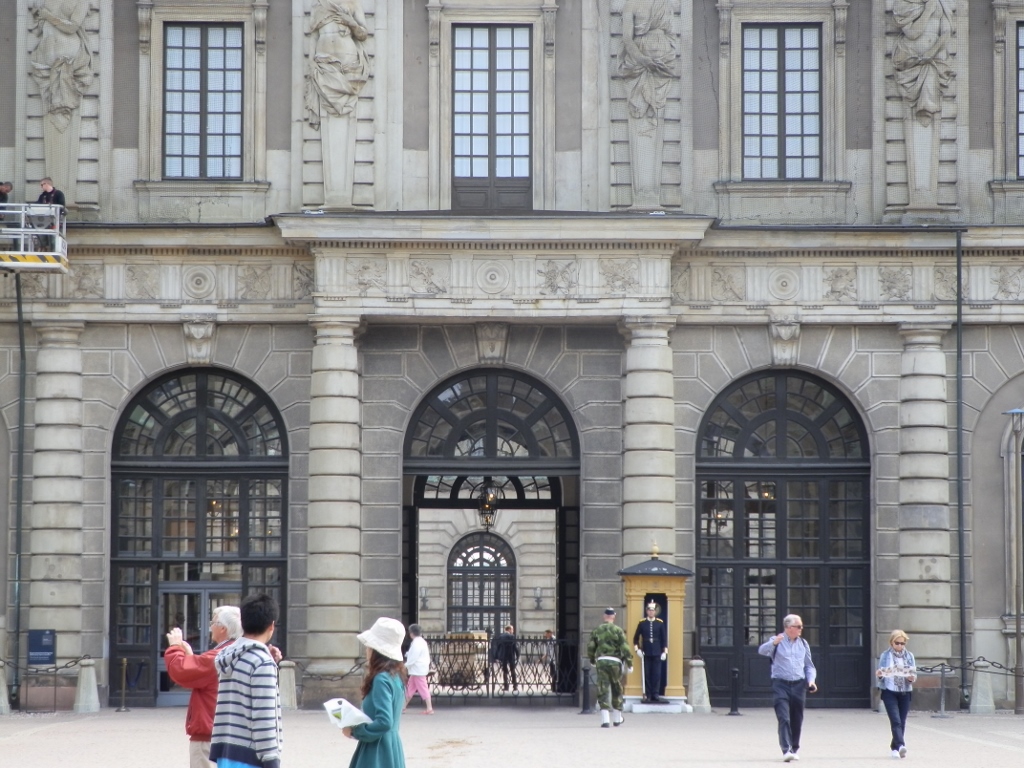
The Royal Palace in Stockholm is one of the largest royal palaces in Europe and is the current residence of the Swedish monarch. It was built in the 18th century on the site of the medieval Three Crowns Castle (Tre Kronor), which was destroyed in a major fire in 1697. The palace was constructed in the Baroque style and has more than 600 rooms. Today, it is used for official state ceremonies, receptions and the work of the royal administration, while the royal family mainly resides in another residence. Most of the palace is open to visitors year-round.
 Stockholm, a detail
I didn’t intend to tour the palace; I just photographed it a little from the outside.
 Stockholm, a detail
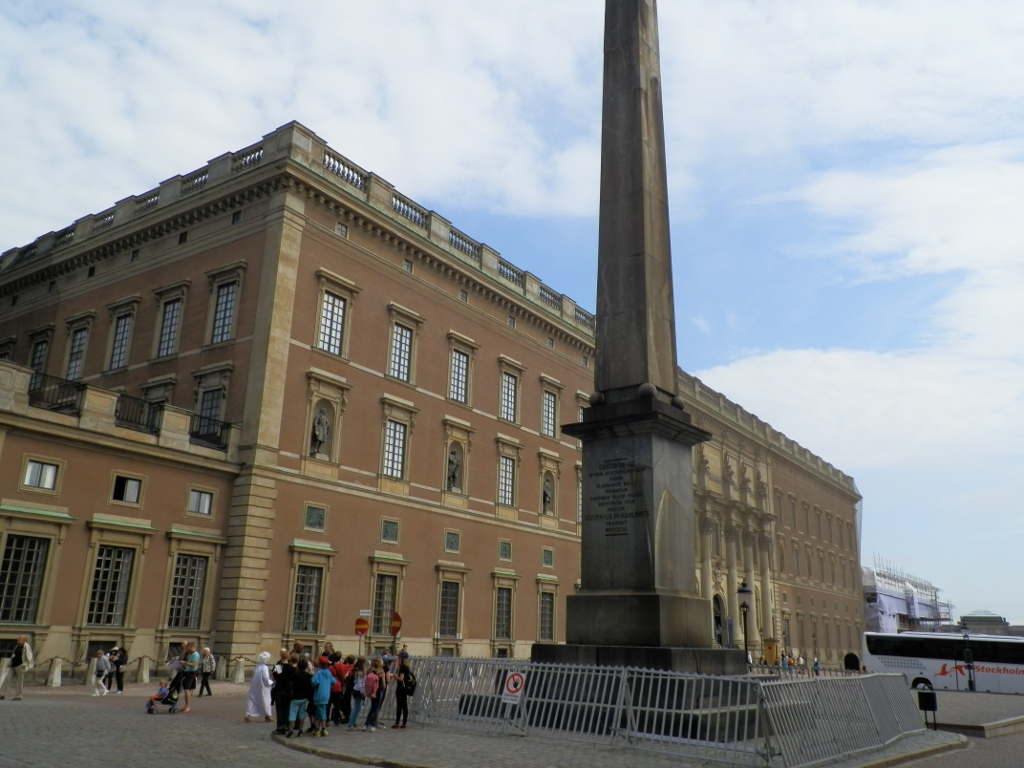
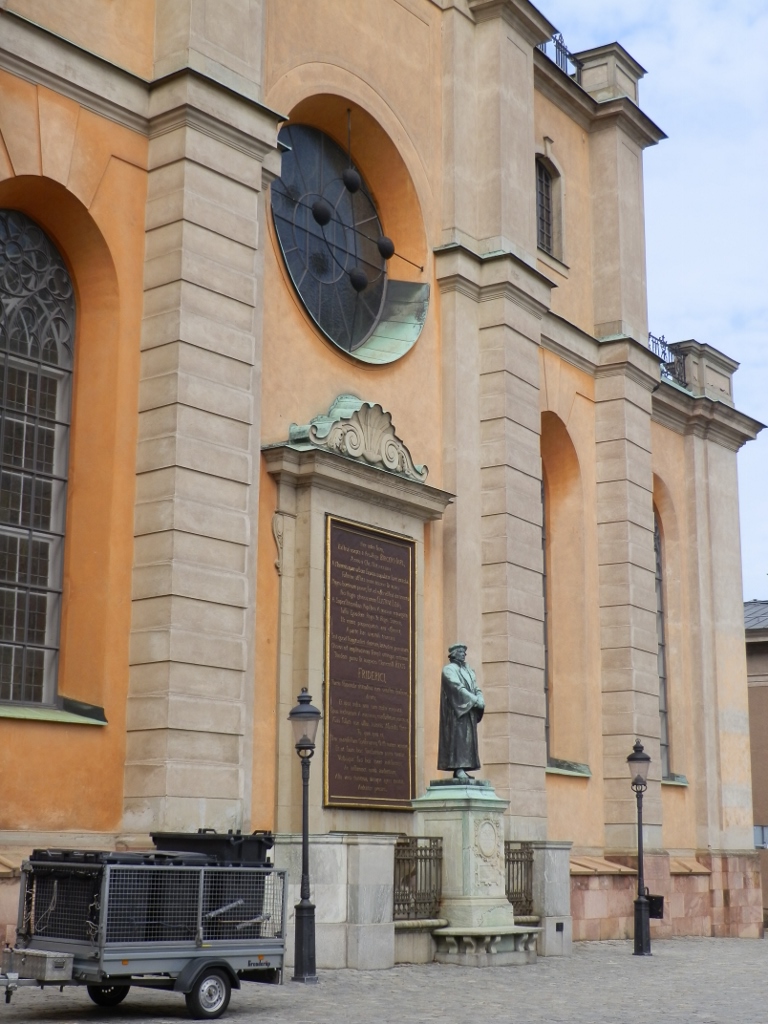
The same square visible in the previous photograph is also home to the famous church Storkyrkan.
 Stockholm, a detail
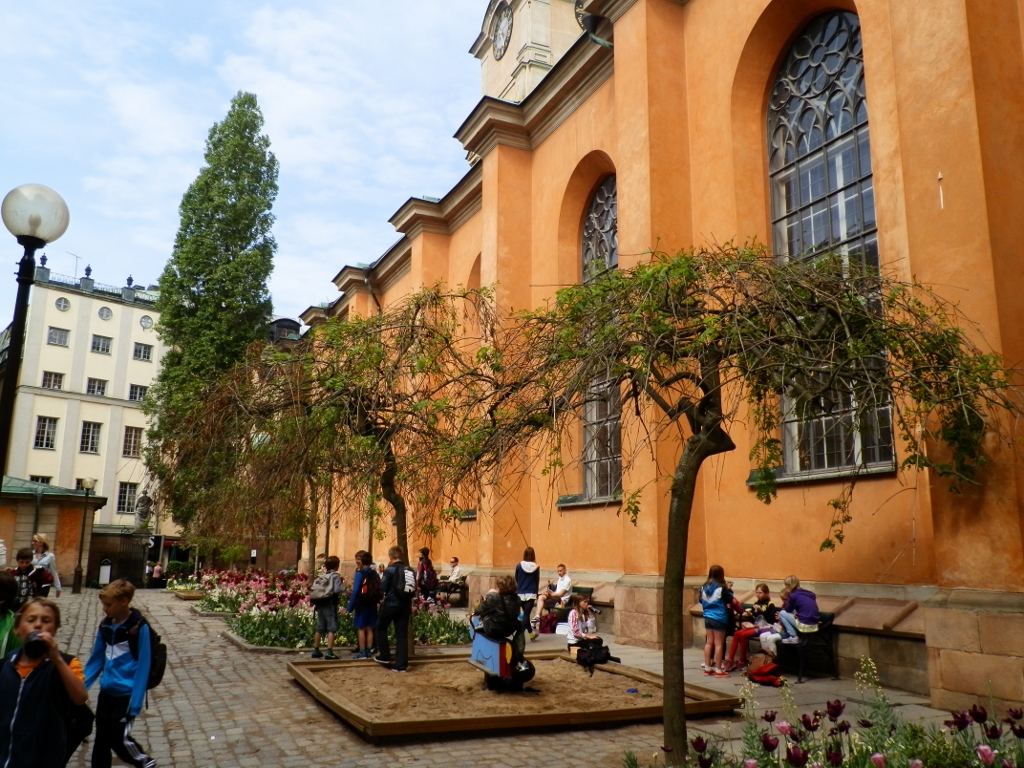
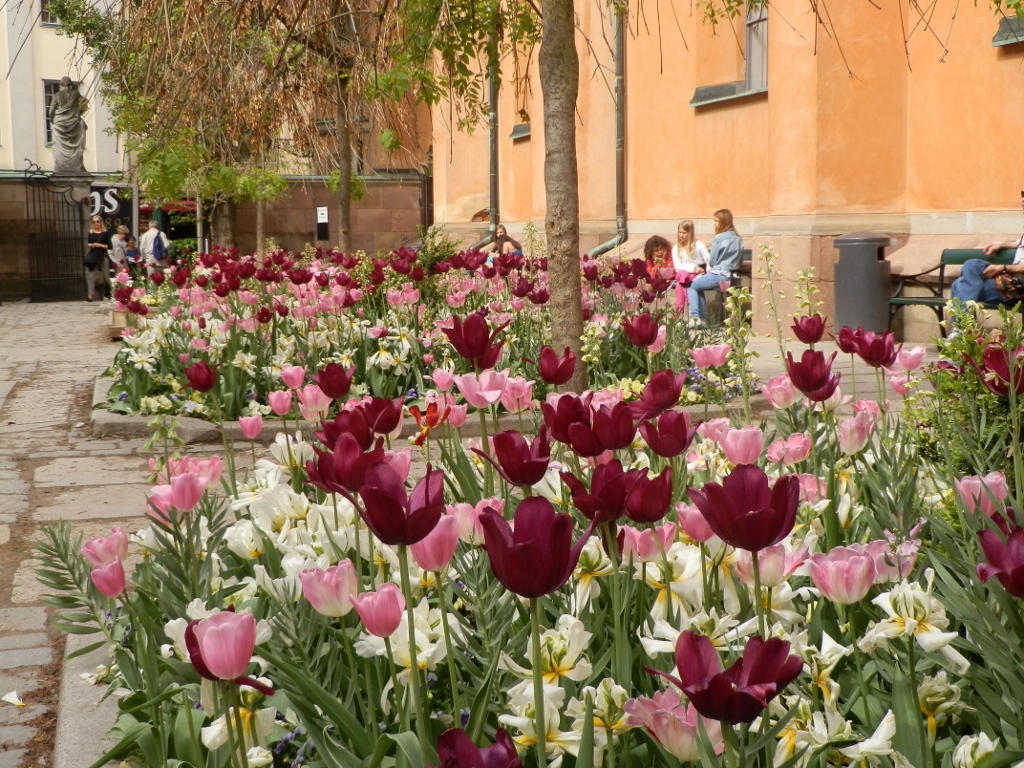
In order to reach its entrance, I walked through a passage on its southern side, where there were truly beautiful flower beds.
 Stockholm, a detail
 Stockholm, a detail
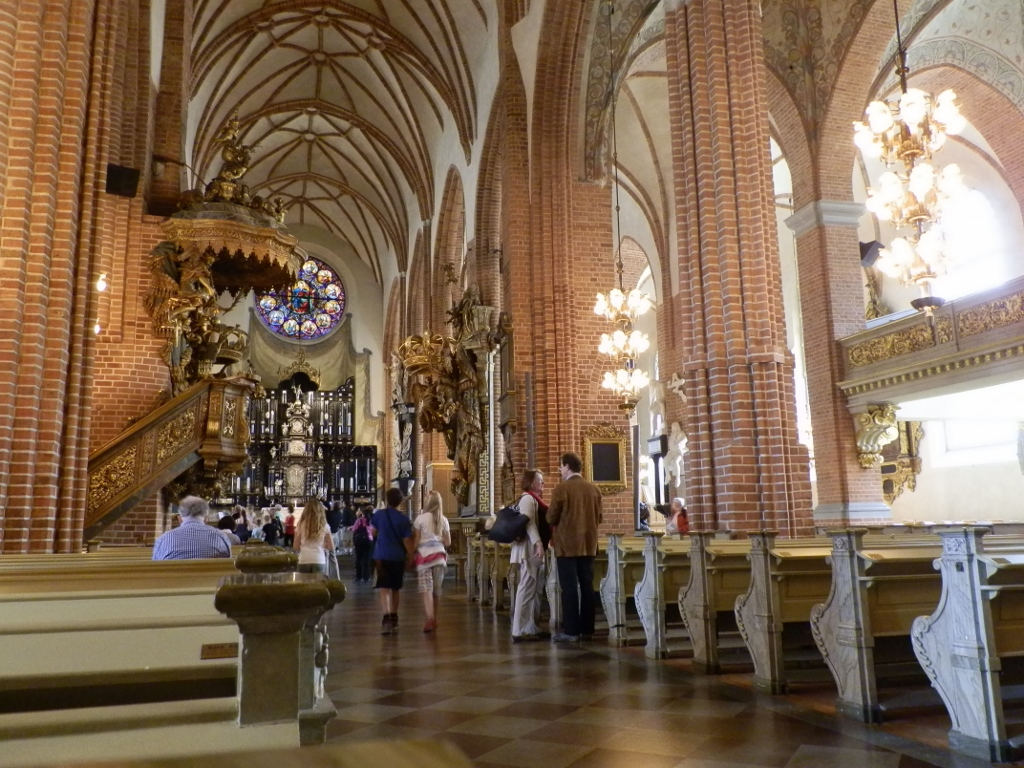
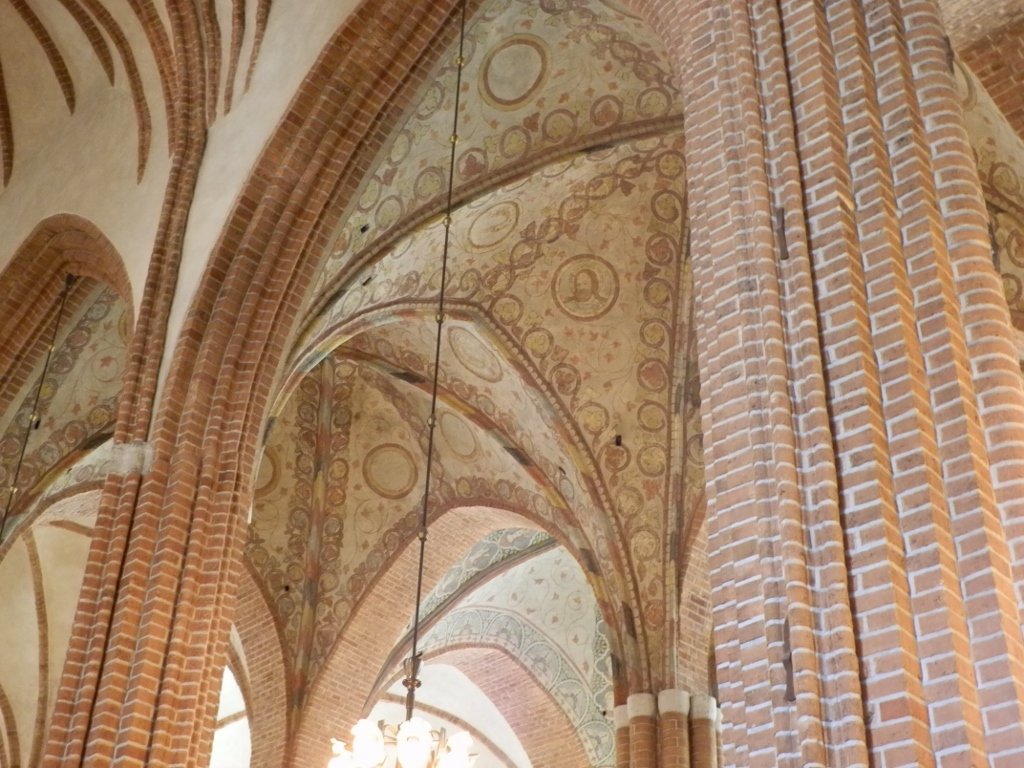
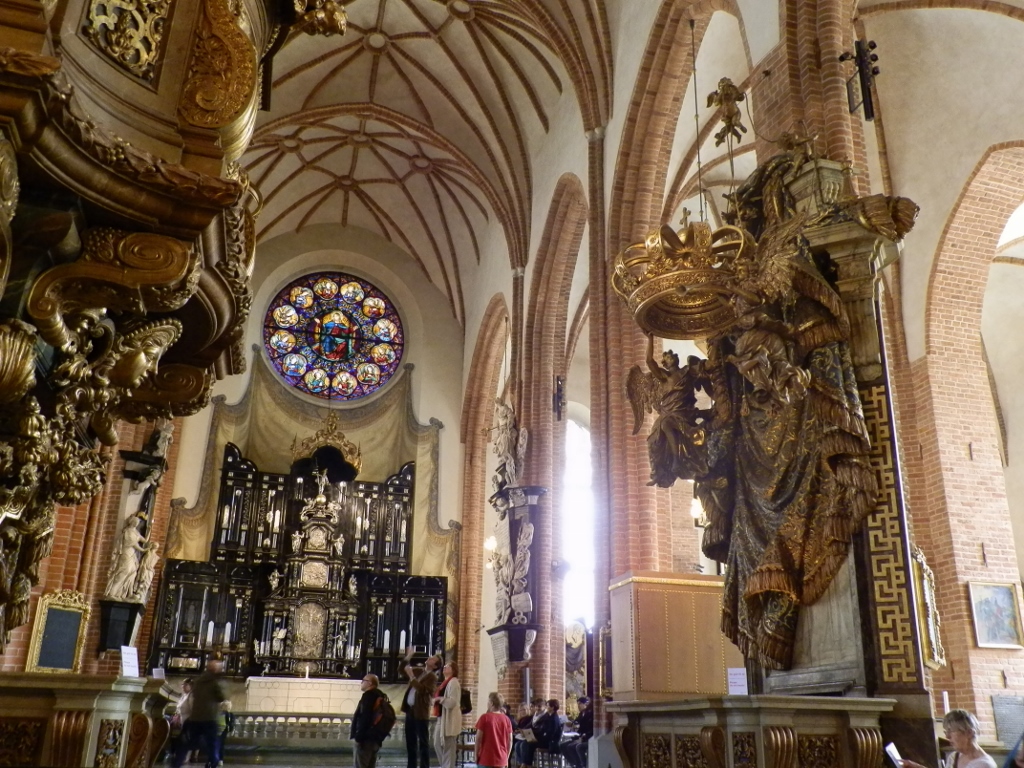
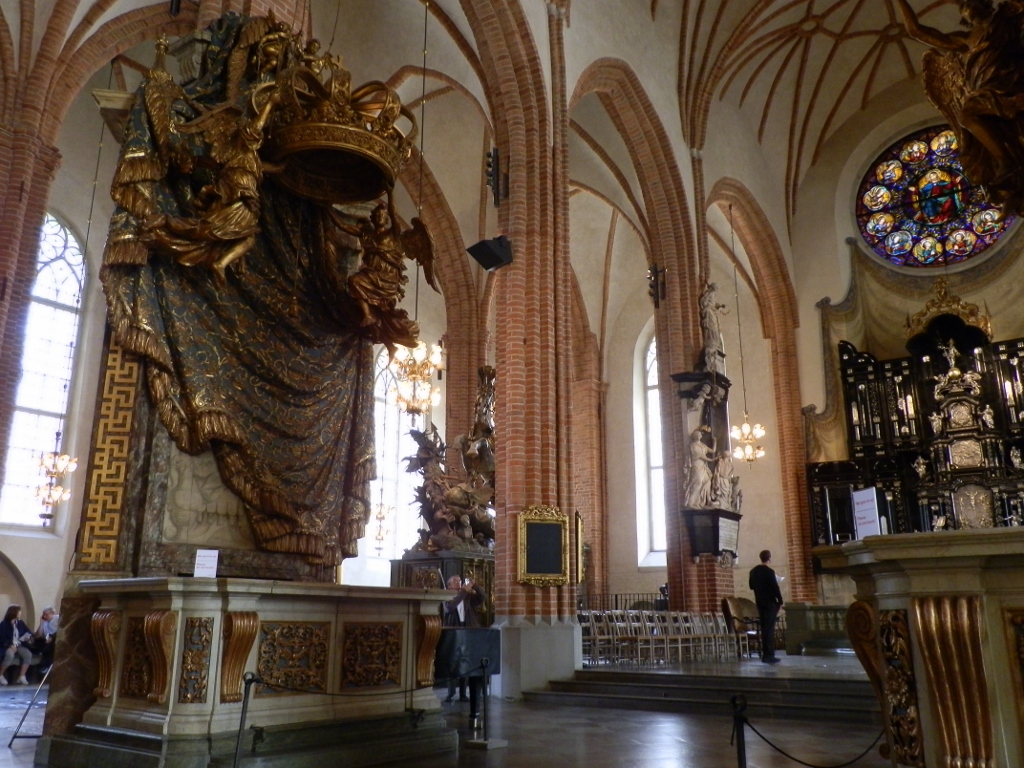
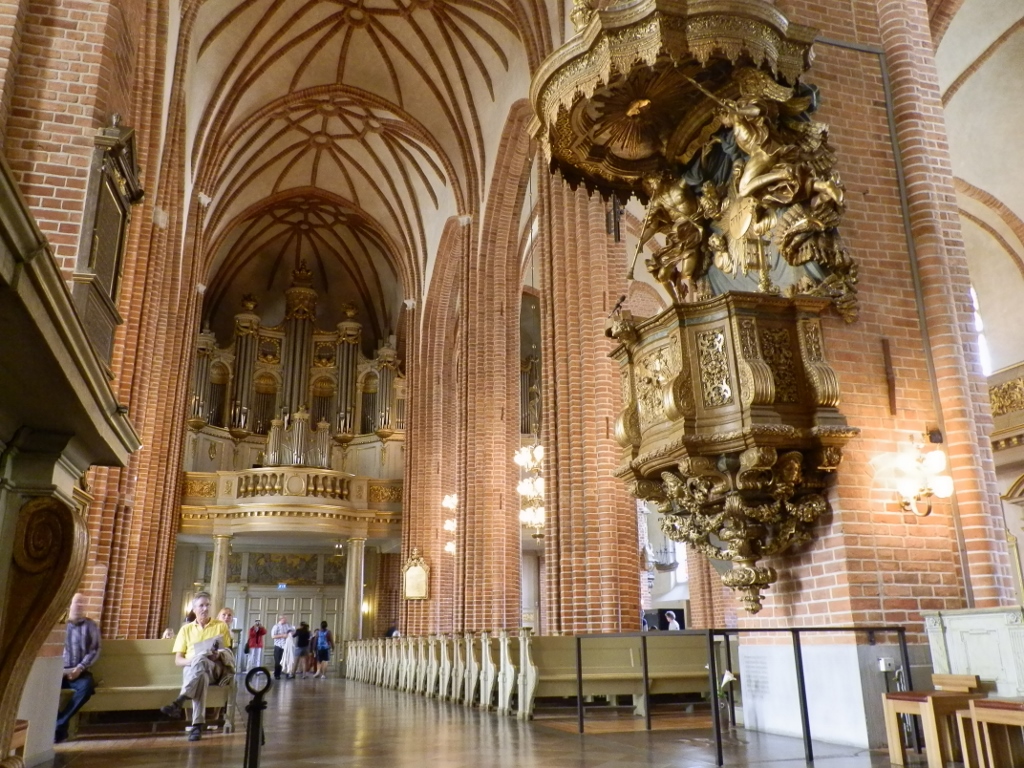
Storkyrkan, meaning “Great Church,” is the oldest church in Stockholm and, as I’ve mentioned, is located right next to the Royal Palace. It was built in the 13th century and for centuries played a central role in Sweden’s religious and state life. Royal coronations, weddings and other important ceremonies were held there, including the wedding of King Carl XVI Gustaf. The church was constructed in the Gothic style, but its interior also features Baroque elements. Today, it is an active Lutheran church, open for services and visitors.
 Storkyrkan, a detail
 Storkyrkan, a detail
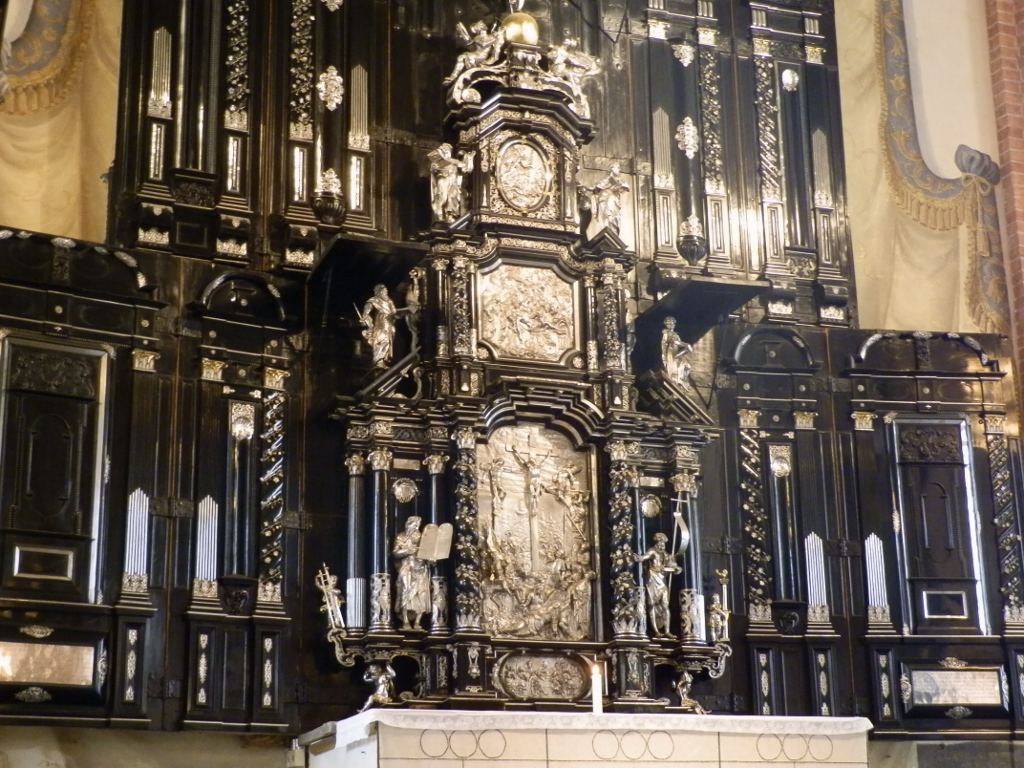
The interior of Storkyrkan is rich with historical and artistic details that testify to its significance. The main altar dates from the mid-16th century and is crafted in the Dutch Renaissance style, featuring impressive wood carvings and gilding.
 Storkyrkan, a detail
 Storkyrkan, a detail
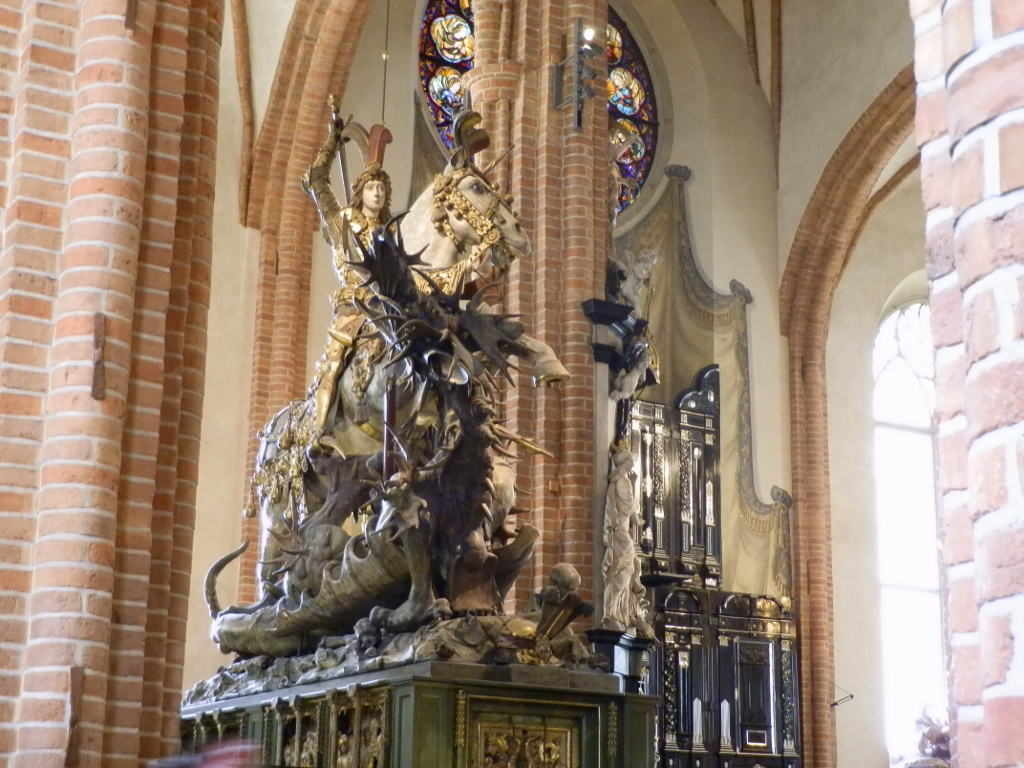
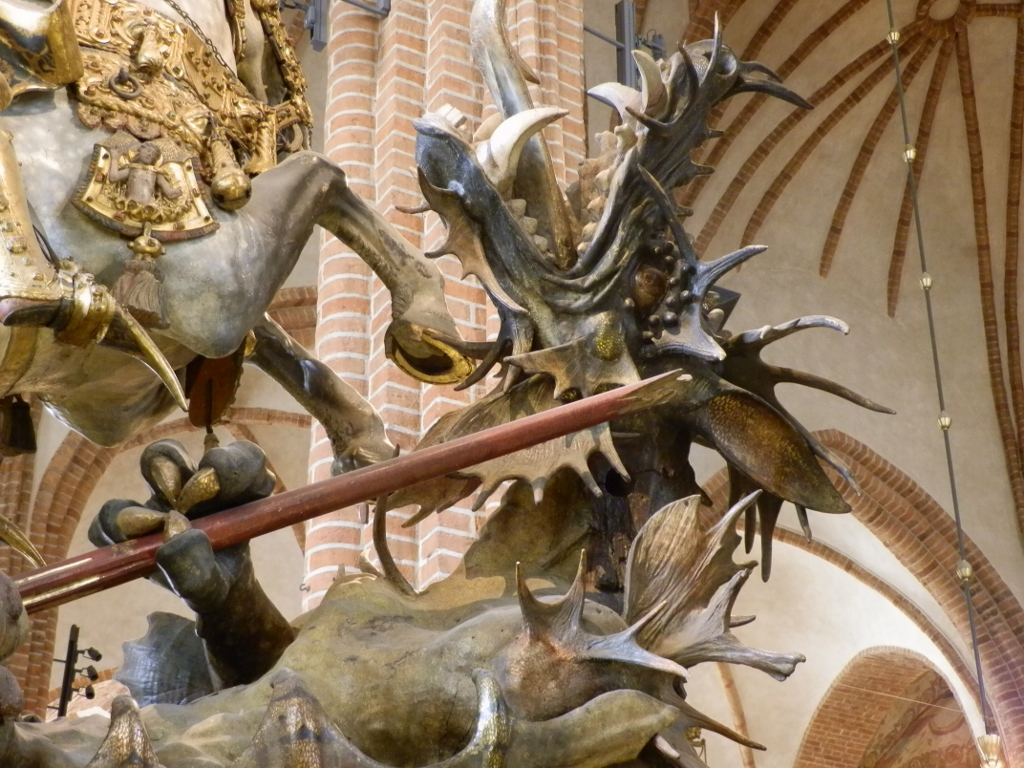
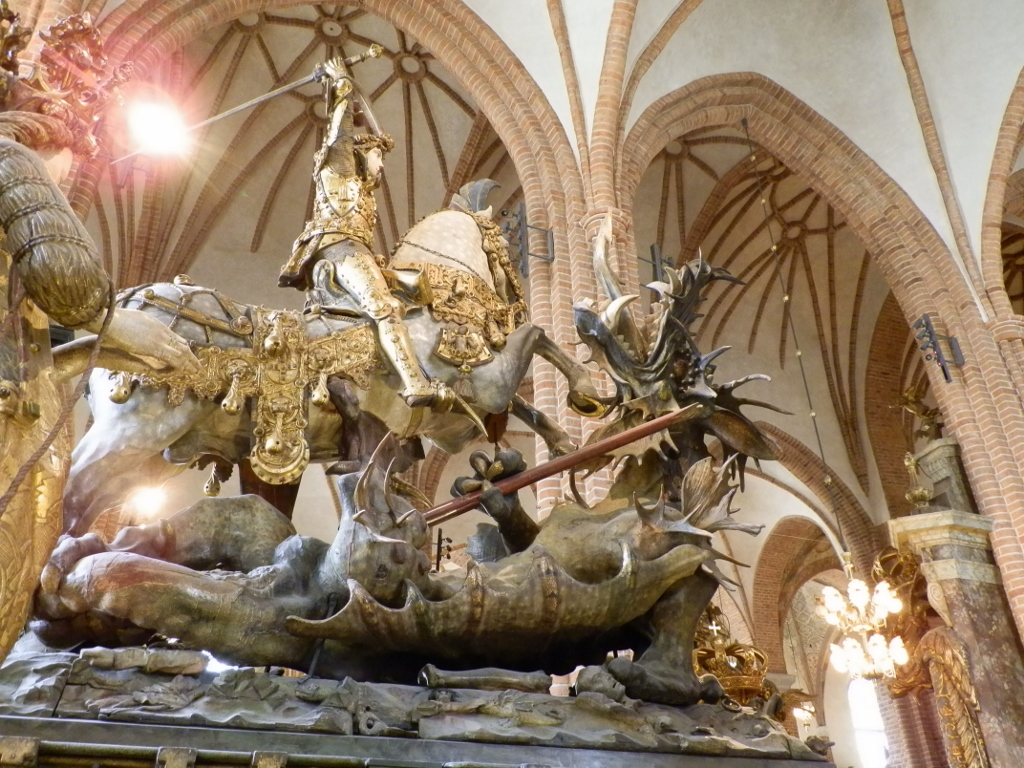
Near the main altar, in the left side nave, there is the famous wooden sculpture of “Saint George and the Dragon.”
 Storkyrkan, a detail
It is a masterpiece from 1489, symbolising the triumph of good over evil, as well as the historical victory of the Swedes over the Danes at the Battle of Brunkeberg in 1471.
 Storkyrkan, a detail
The sculpture is made of wood, partially covered with metal, while the dragon’s teeth are, according to tradition, made from real elk antlers. Because of its particularly dramatic appearance, it is one of the most famous works of art in Sweden.
 Storkyrkan, a detail
 Storkyrkan, a detail
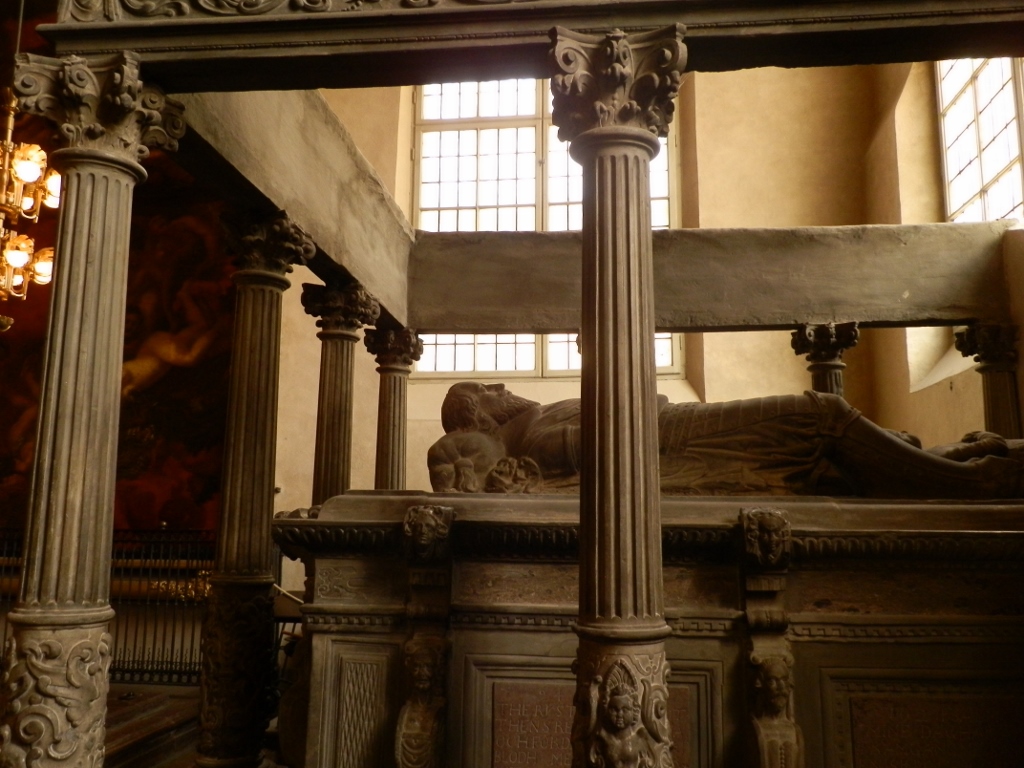
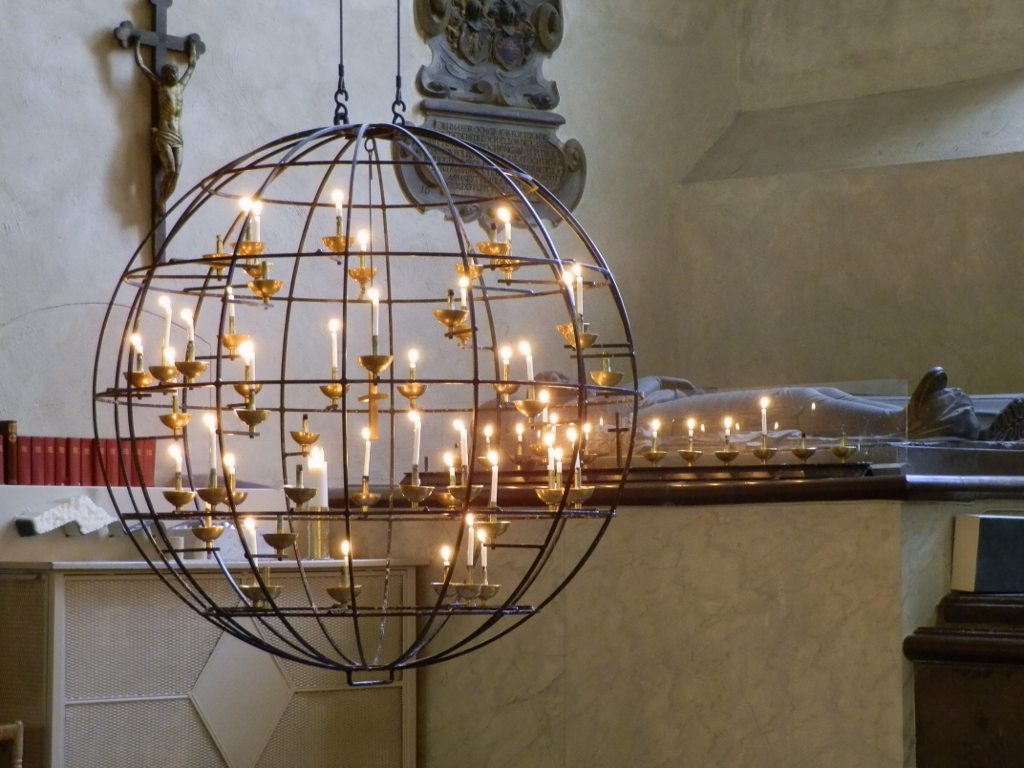
I walked a bit more around the church and photographed some other details as well. This is the place where some important figures from Swedish history were buried, including statesmen and nobles from the late Middle Ages, although today there are no royal tombs.
 Storkyrkan, a detail
 Storkyrkan, a detail
 Storkyrkan, a detail
After visiting the Great Church, I continued walking through Gamla Stan, that is, the Old Town.
 Stockholm, a detail
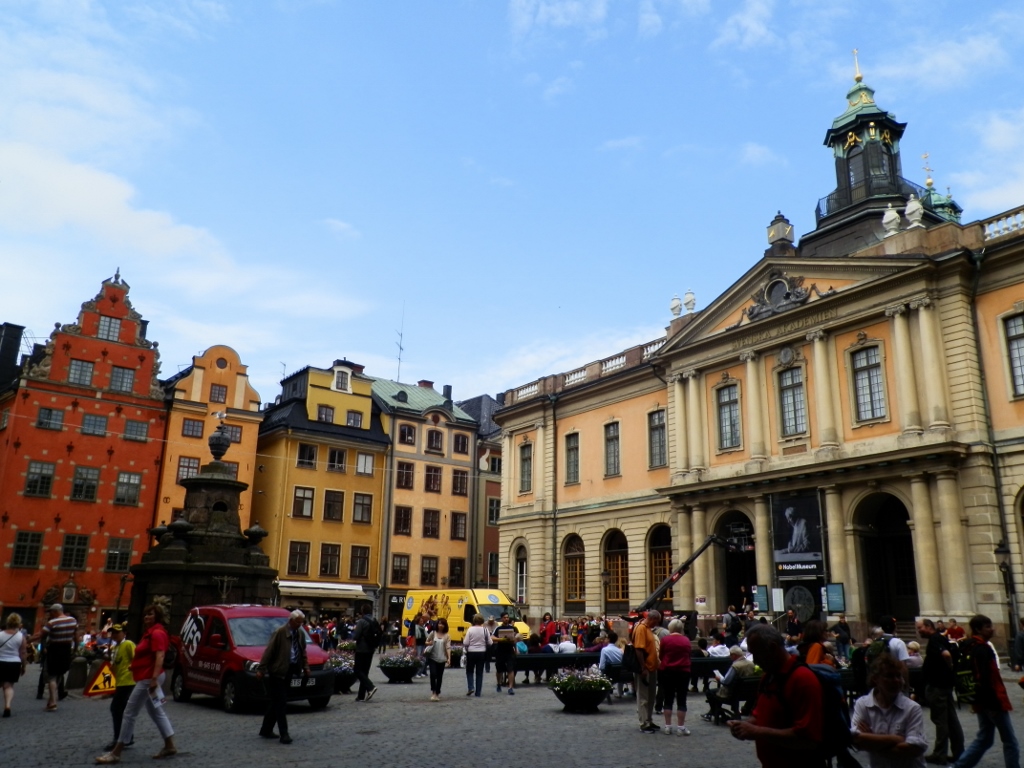
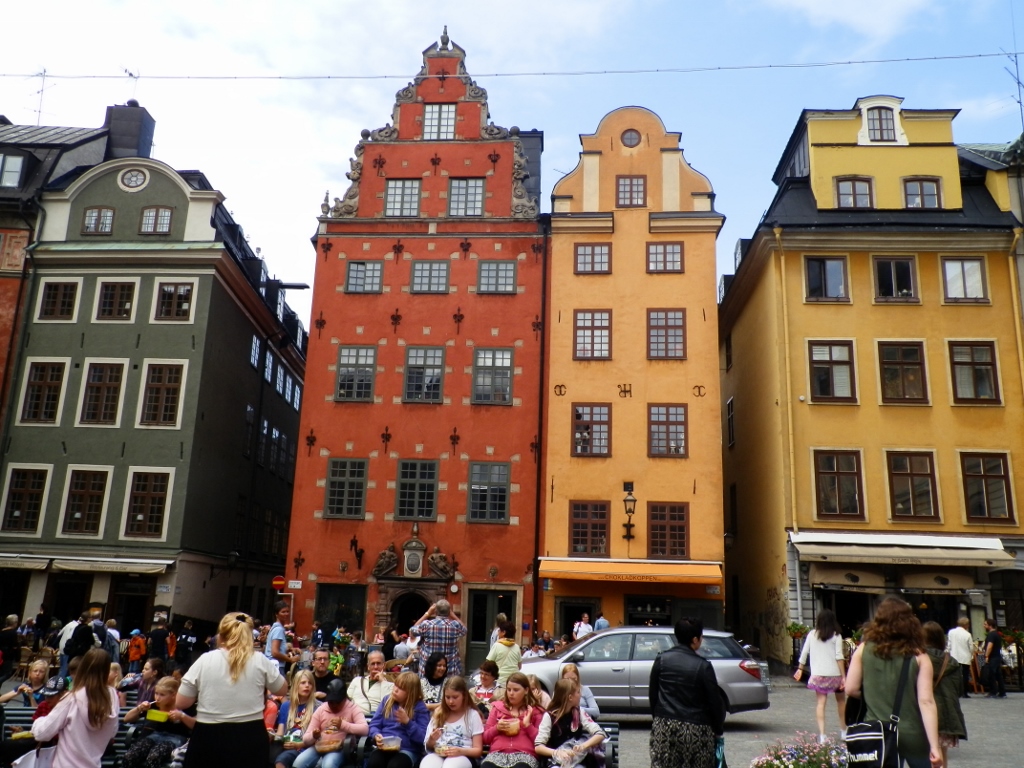
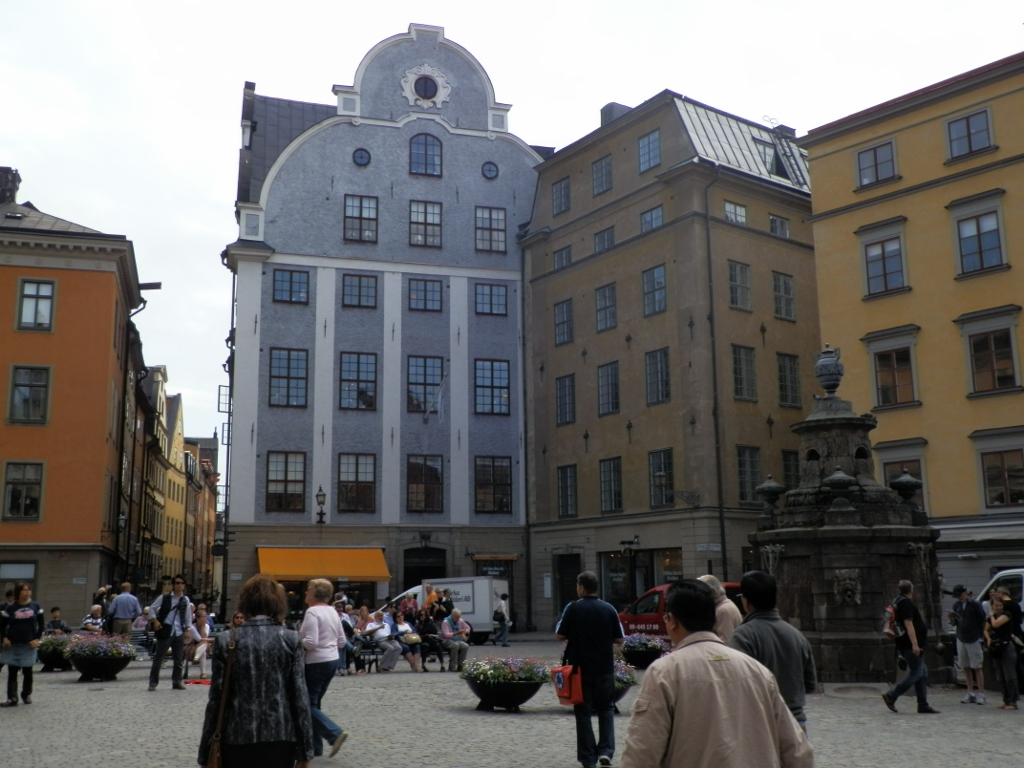
Very soon, I arrived at the main square, Stortorget, which means “Great Square.” It is the oldest square in Stockholm and is located in the very centre of Gamla Stan. It was established in the 13th century and from the very beginning served as the main hub of trade and social life in the city.
 Stockholm, a detail
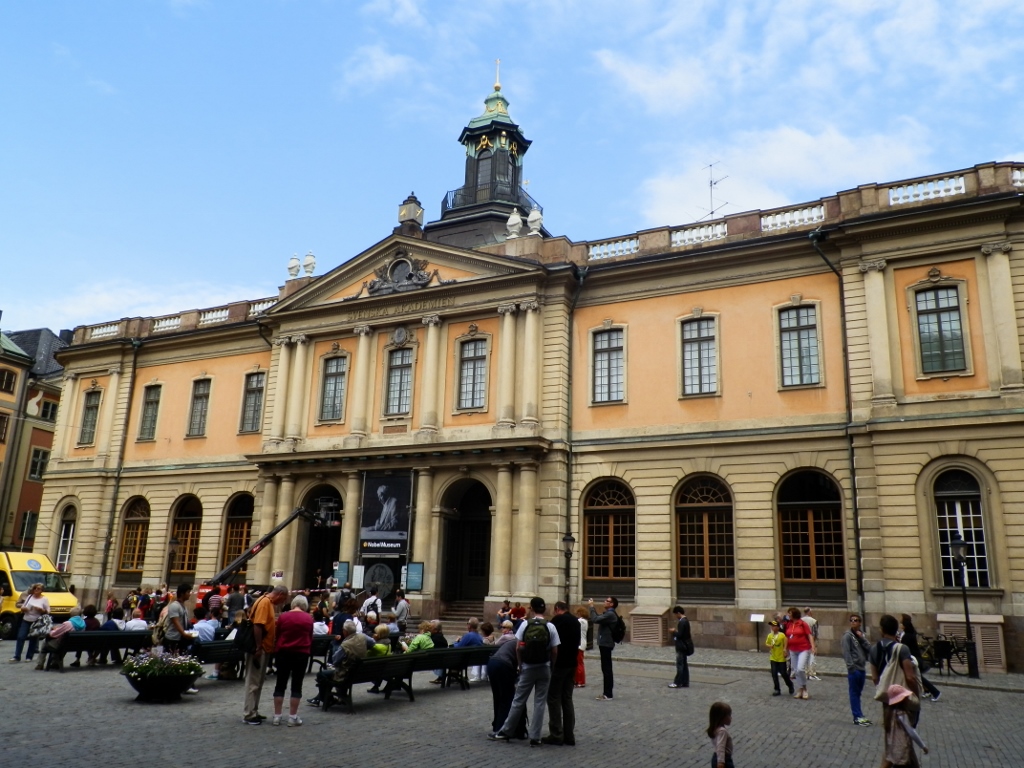
Stortorget is particularly significant because of the Stockholm Bloodbath of 1520, when the Danish king Christian II ordered the execution of about 80 Swedish nobles and citizens, an event that later fuelled the movement for Swedish independence. On the square there is also the building of the former Stock Exchange (Börshuset), which today houses the Nobel Museum.
 Stockholm, a detail
By the way, all Nobel Prizes except the Nobel Peace Prize are awarded in Sweden. The reason for this lies in Alfred Nobel’s will from 1895. Nobel stipulated that the prizes for Physics, Chemistry, Medicine (Physiology), Literature, and later Economics, should be awarded in Sweden, while the Nobel Peace Prize was entrusted to a special committee in Norway.
At the time the will was written, Sweden and Norway were in a union (until 1905), but Nobel considered the Norwegian parliament and society to be a more suitable and neutral body for deciding matters of peace. That is why the peace ceremony is still held in Oslo today, while the other prizes are traditionally awarded in Stockholm on 10 December, the anniversary of Nobel’s death.
Stortorget is also recognisable for its colourful, narrow houses with picturesque gables, which mostly date from the 17th and 18th centuries.
 Stockholm, a detail
 Stockholm, a detail
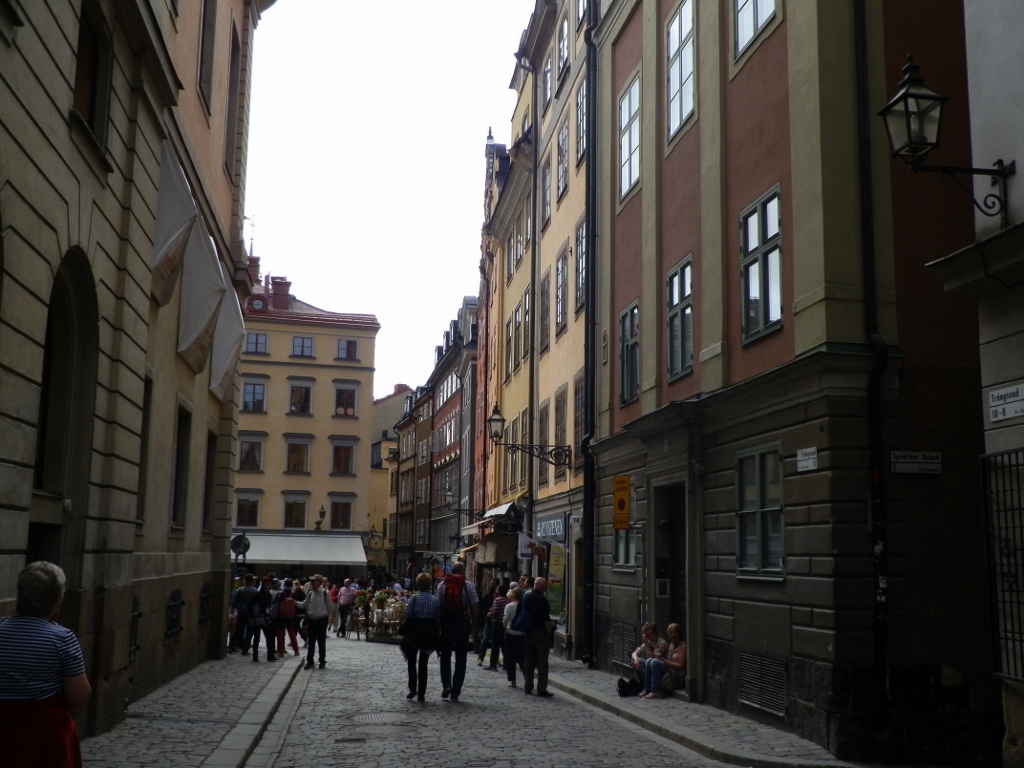
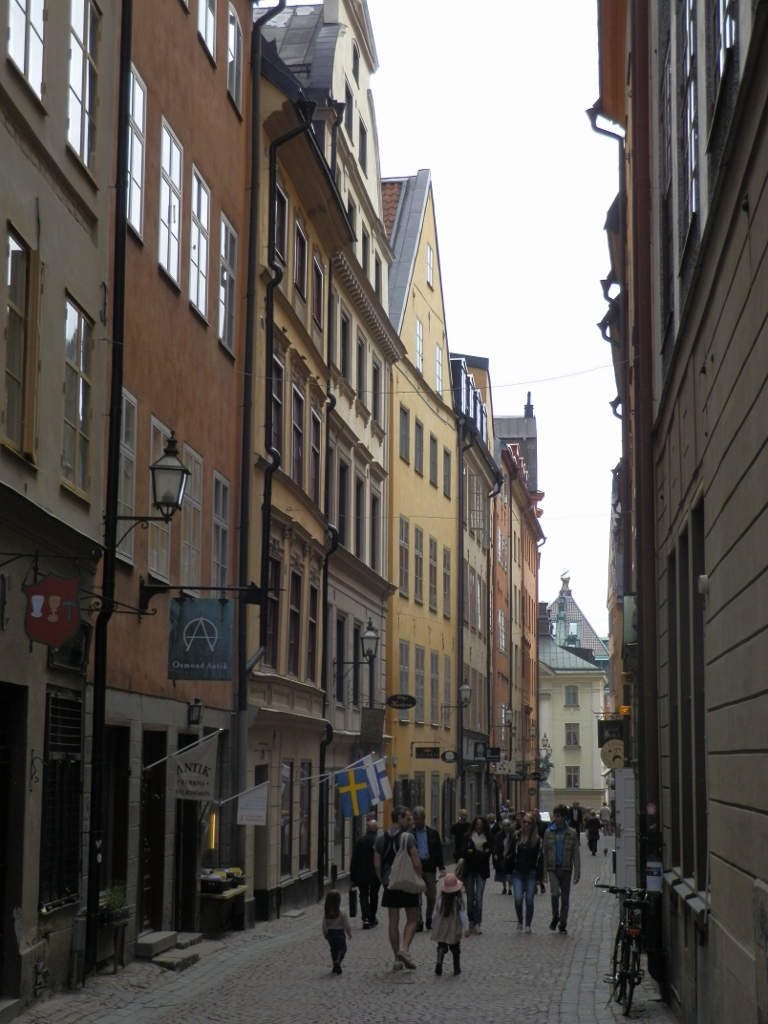
And now I finally set off for a more relaxed walk through Gamla Stan, the Old Town, which represents the historic core of Stockholm and is one of the best-preserved medieval urban areas in Europe. It was established in the 13th century, when Stockholm was founded as an important trading and defensive centre. During the Middle Ages, merchants, craftsmen and the city’s elite lived here, while today it is a lively district full of museums, galleries, restaurants and souvenir shops.
 Stockholm, a detail
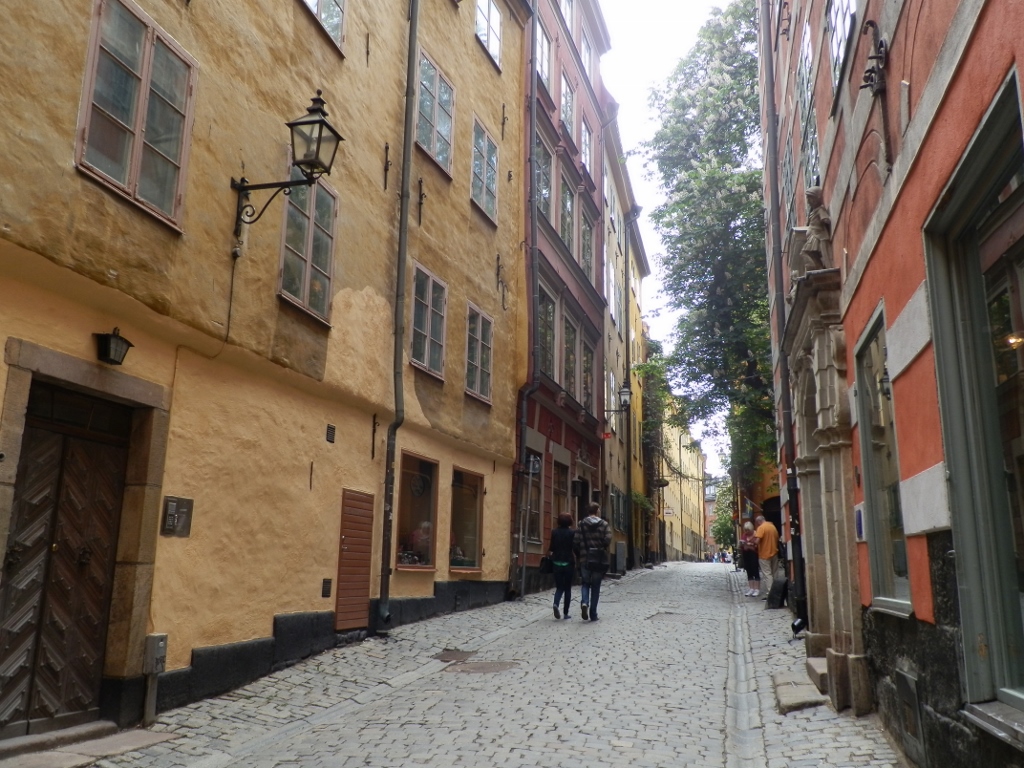
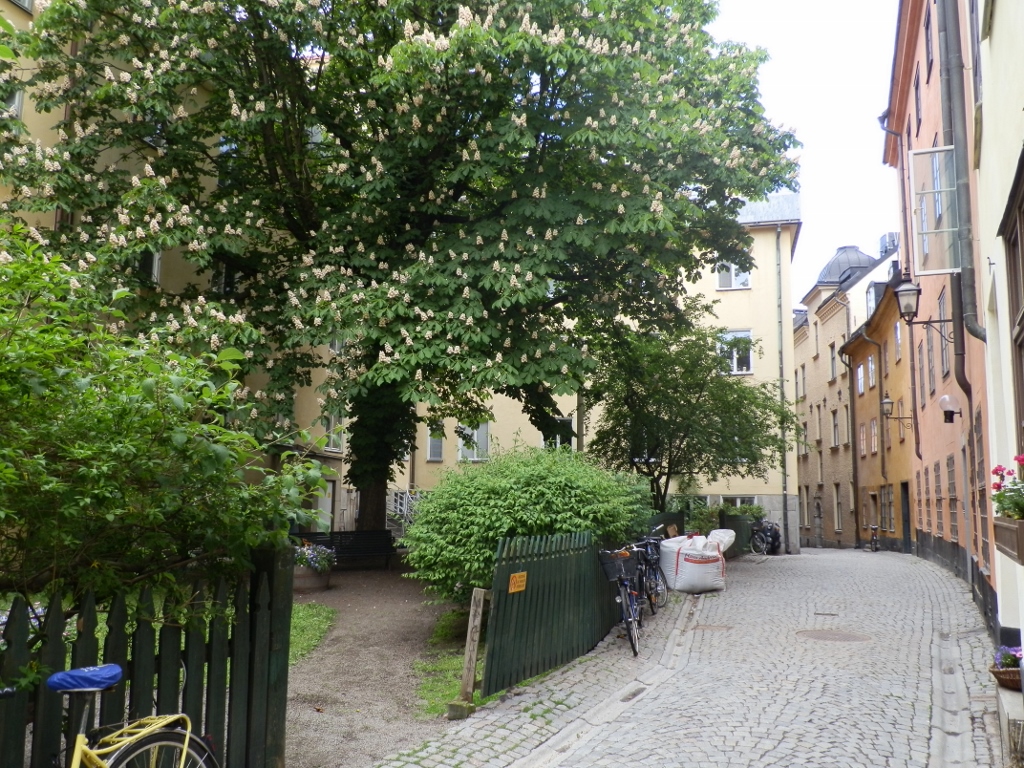
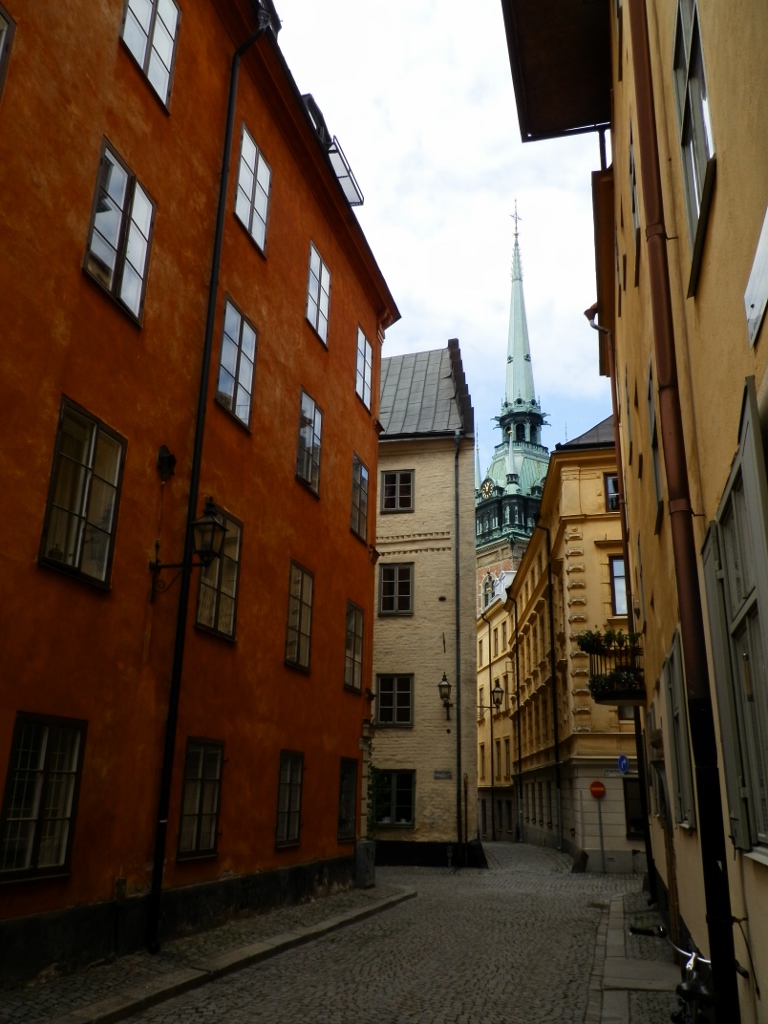
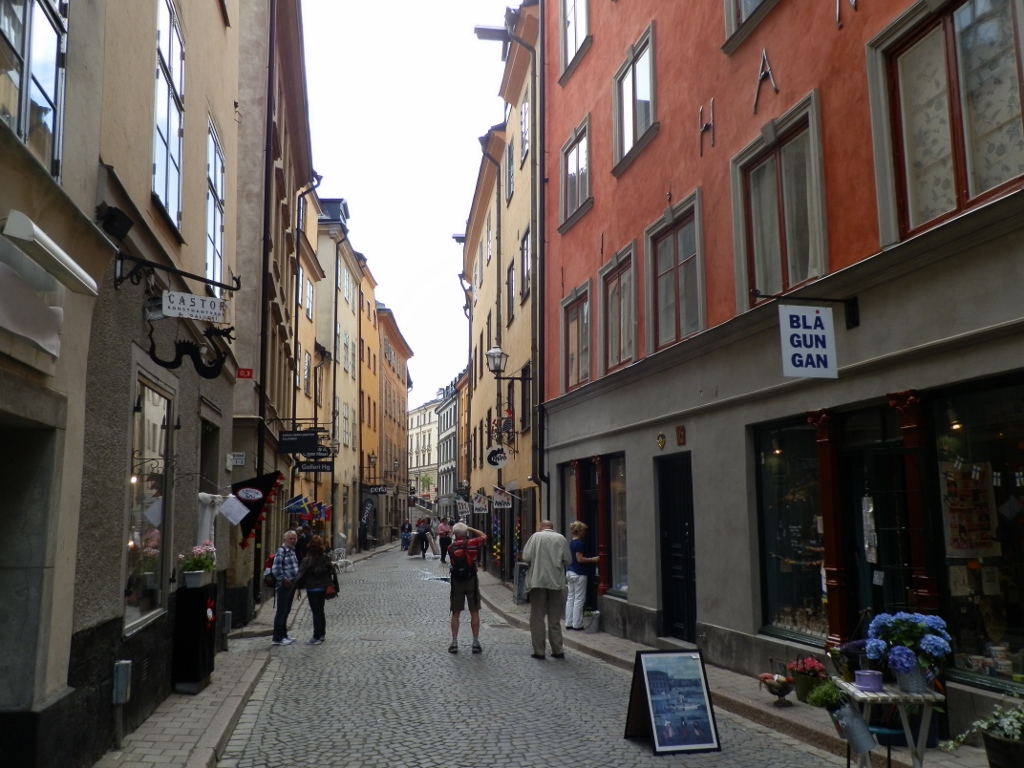
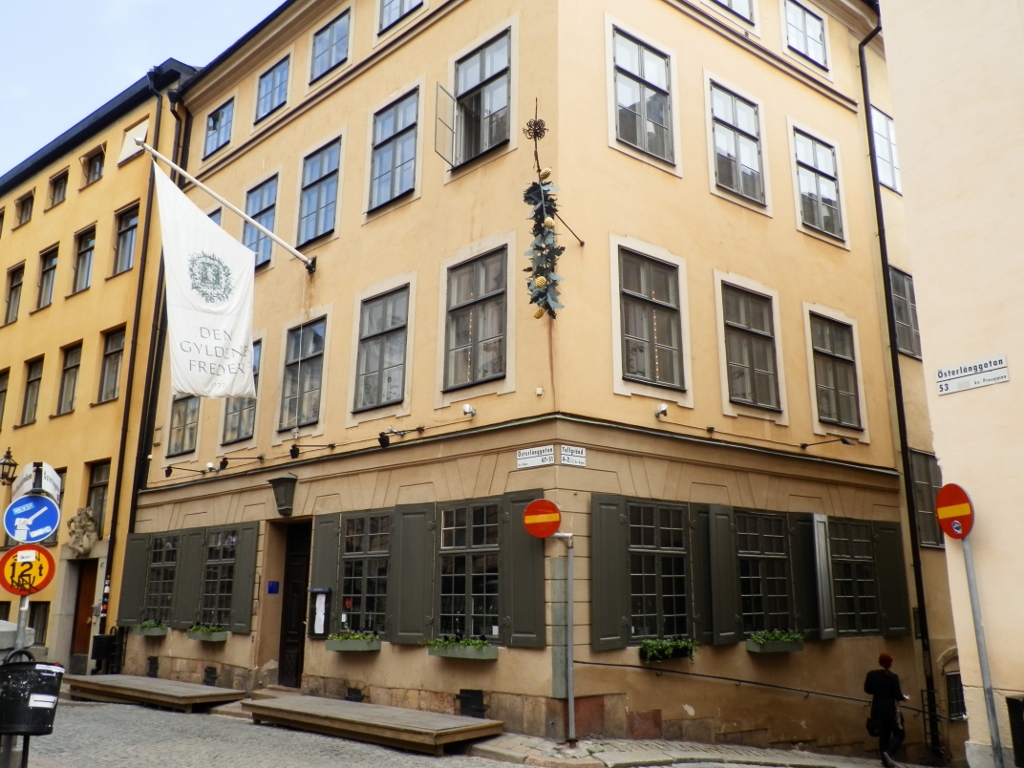
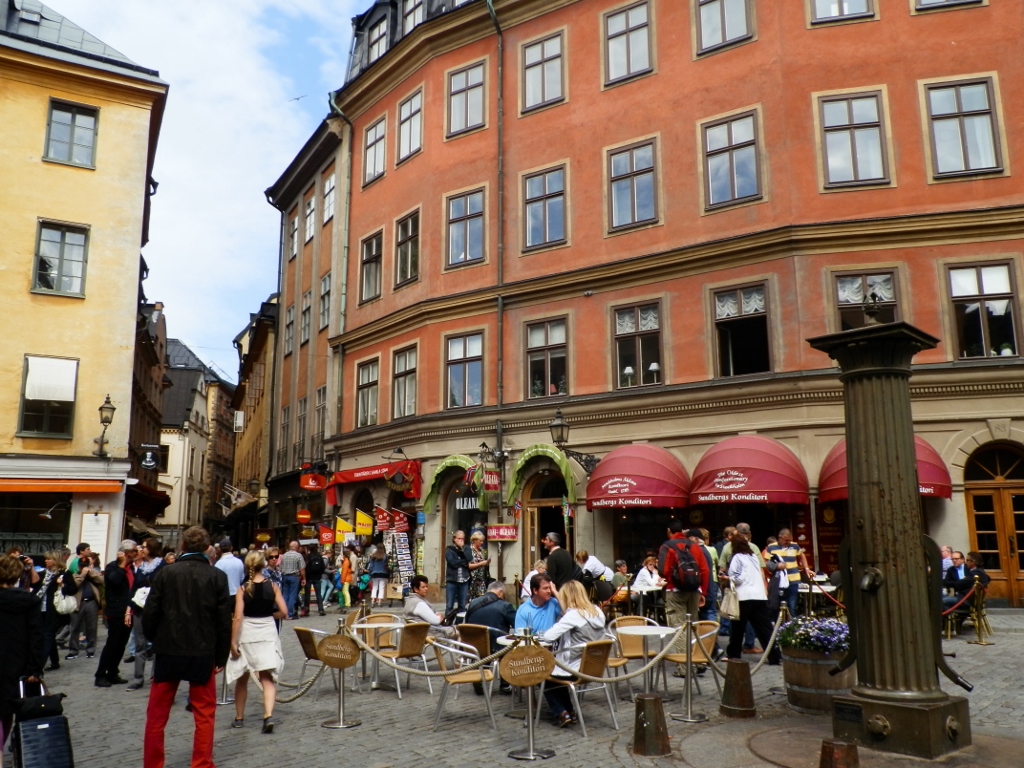
The narrow cobblestone streets, colourful houses and small squares, with plenty of picturesque details, give this part of the city a special charm today.
 Stockholm, a detail
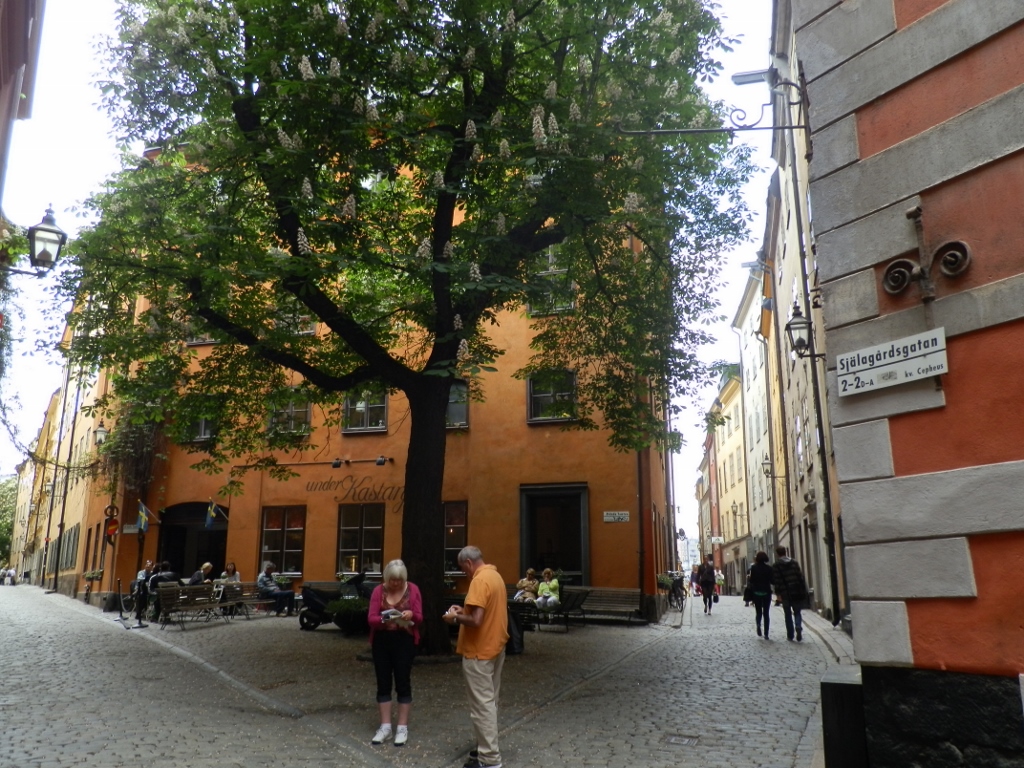 Stockholm, a detail
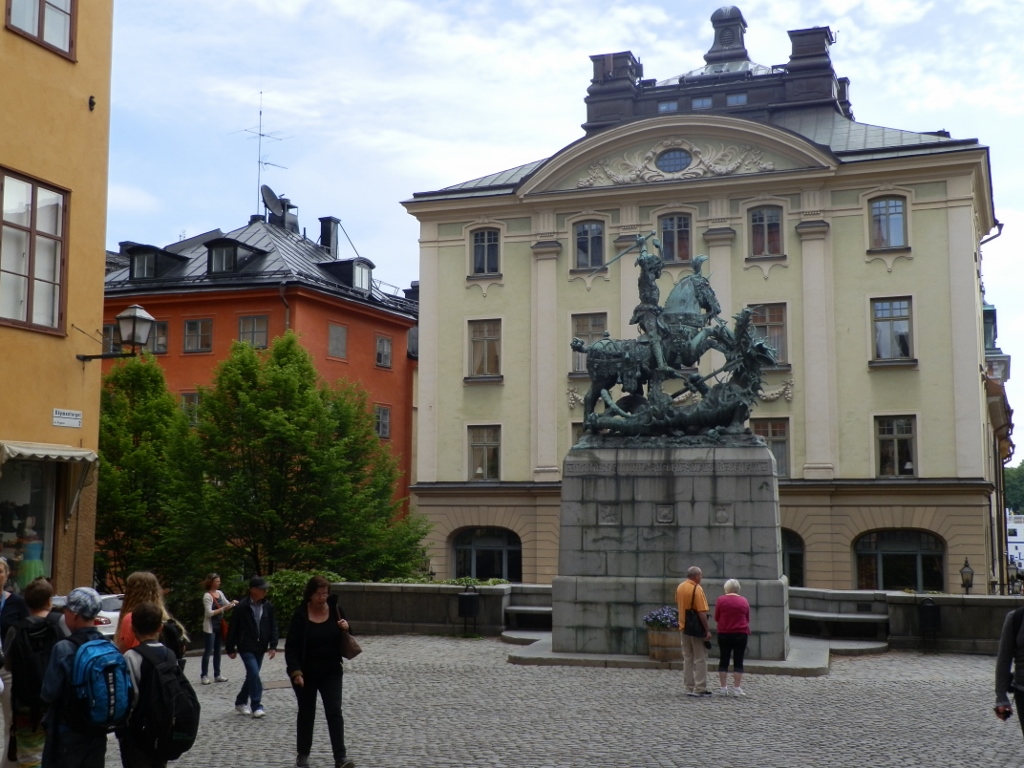 Stockholm, a detail
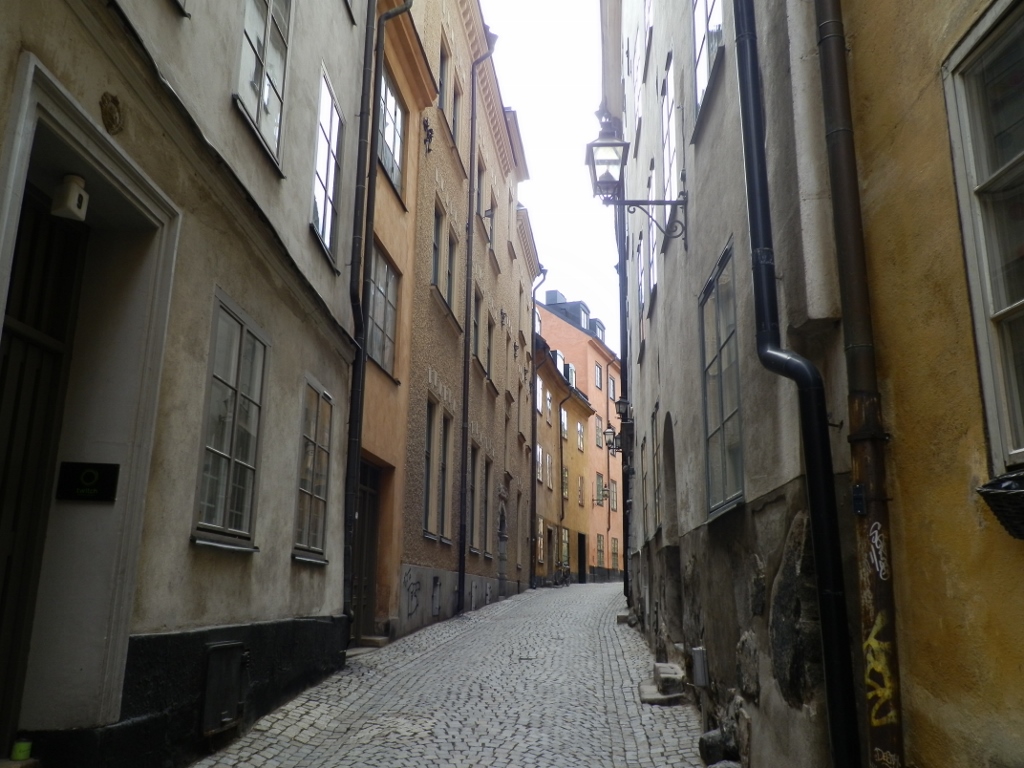 Stockholm, a detail
 Stockholm, a detail
 Stockholm, a detail
 Stockholm, a detail
 Stockholm, a detail
 Stockholm, a detail
 Stockholm, a detail
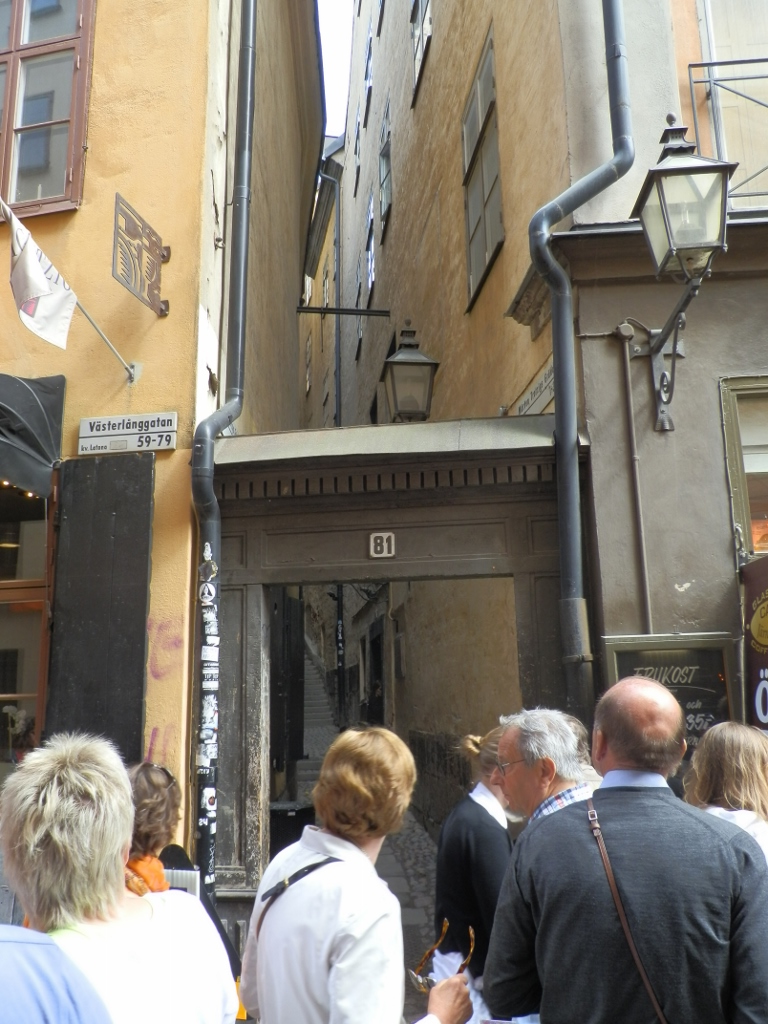
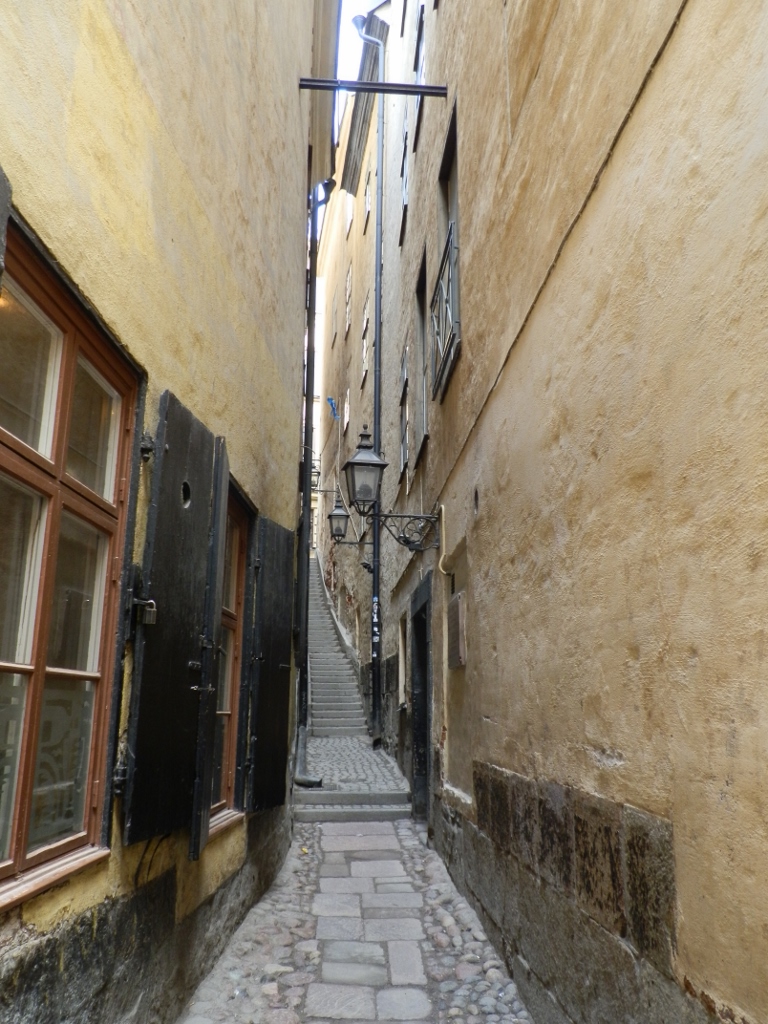
At Västerlånggatan 81, you’ll find the entrance to Mårten Trotzigs gränd, the narrowest alley in all of Stockholm. At its narrowest point, the alley is only about 90 cm wide. The passage dates back to the 16th century and is named after the German merchant Mårten Trotzig, who owned property in that part of the city.
 Stockholm, a detail
 Stockholm, a detail
I walked through this narrow street and then continued exploring and strolling through Gamla Stan.