The town of Alberobello in the Italian region of Apulia is famous for its houses with roofs made of stone slabs, featuring characteristic pyramidal, conical, or domed shapes. Although this technique, using corbelled limestone slabs, existed in this part of the world since prehistoric times, the construction of such houses in the area of present-day Alberobello began in the mid-14th century. Buildings constructed in this style can be seen throughout Apulia, especially in the Itria Valley. However, they are most numerous and concentrated in the town of Alberobello itself and I came here precisely in order to enjoy the picturesque trulli, as these houses are called (singular – trullo, plural – trulli). In the neighbourhoods of Rione Monti and Rione Aia Piccola, there are over 1,600 of these structures.
In general, trulli were built as temporary shelters and storage units in the fields, but also as permanent dwellings for owners of smaller estates or agricultural workers. Over time, two settlements (Monti and Aia Piccola) formed in the area of modern-day Alberobello and these are now integral parts of the town.
Recognising the importance of these trulli, parts of Alberobello were protected as heritage monuments between 1909 and 1936.
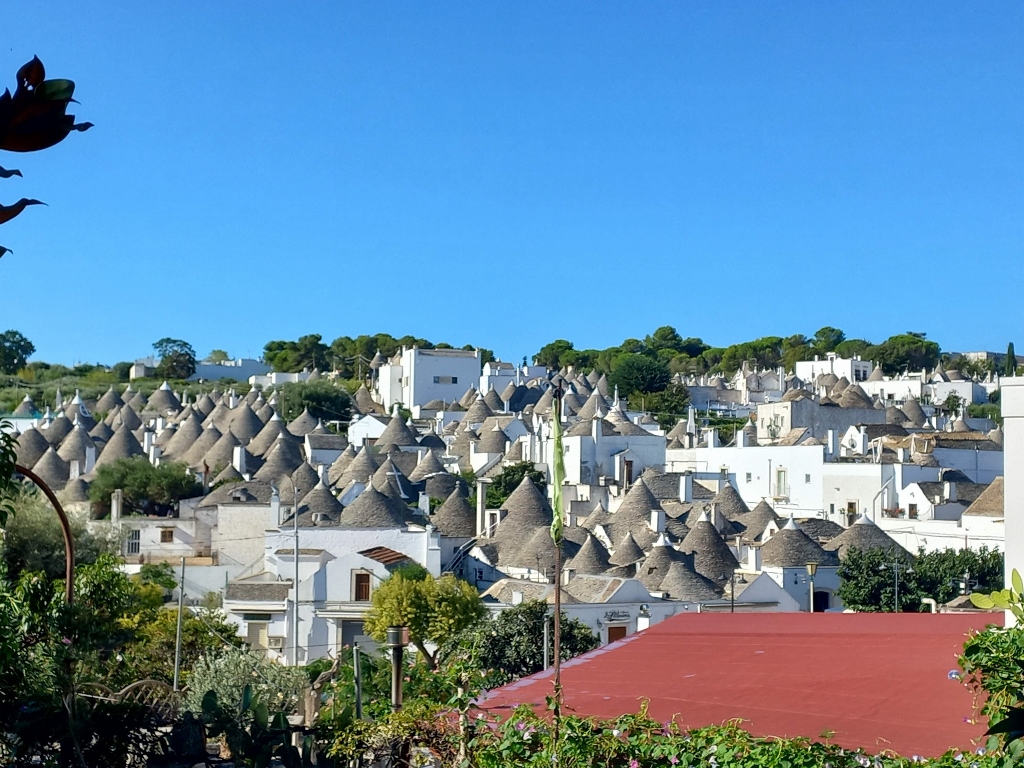
After a wonderfully restful night, I woke up bright and refreshed, and quite early. I got ready relatively quickly and set off for another walk through Alberobello with the desire to take advantage of the good position of the sun, the absence of clouds, and the lack of too many people, so I could photograph once more. Everything turned out just as I had hoped and I started from the point that offers a beautiful view of the Monti neighbourhood.
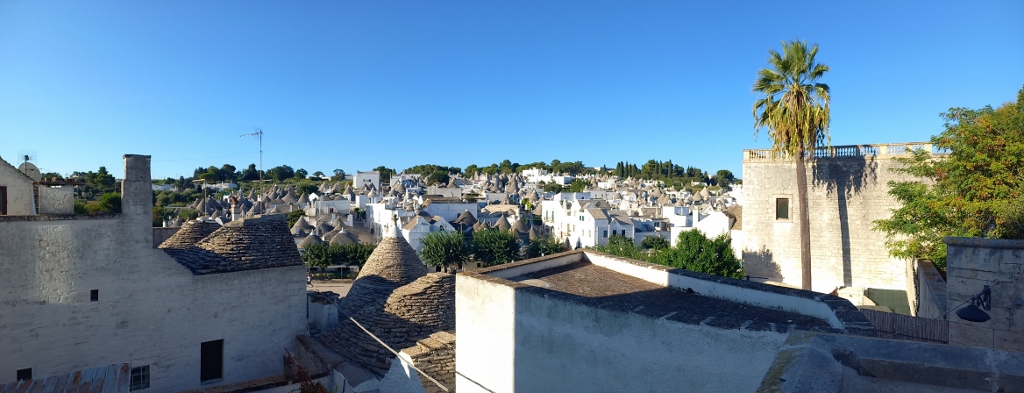 Alberobello
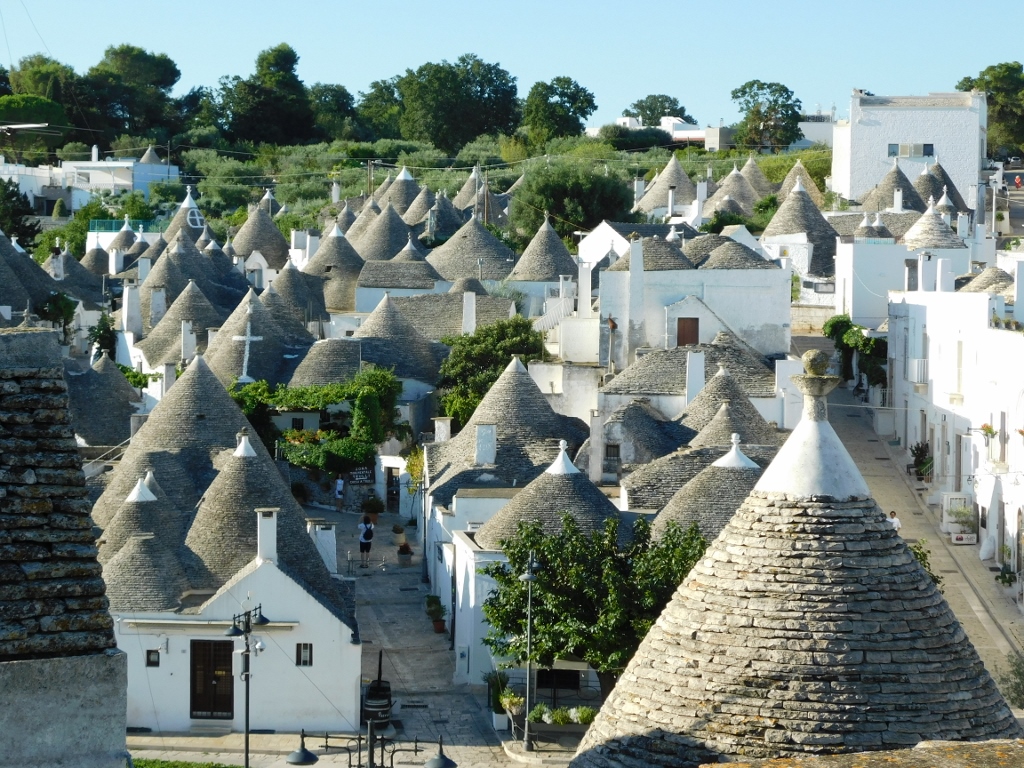 Alberobello
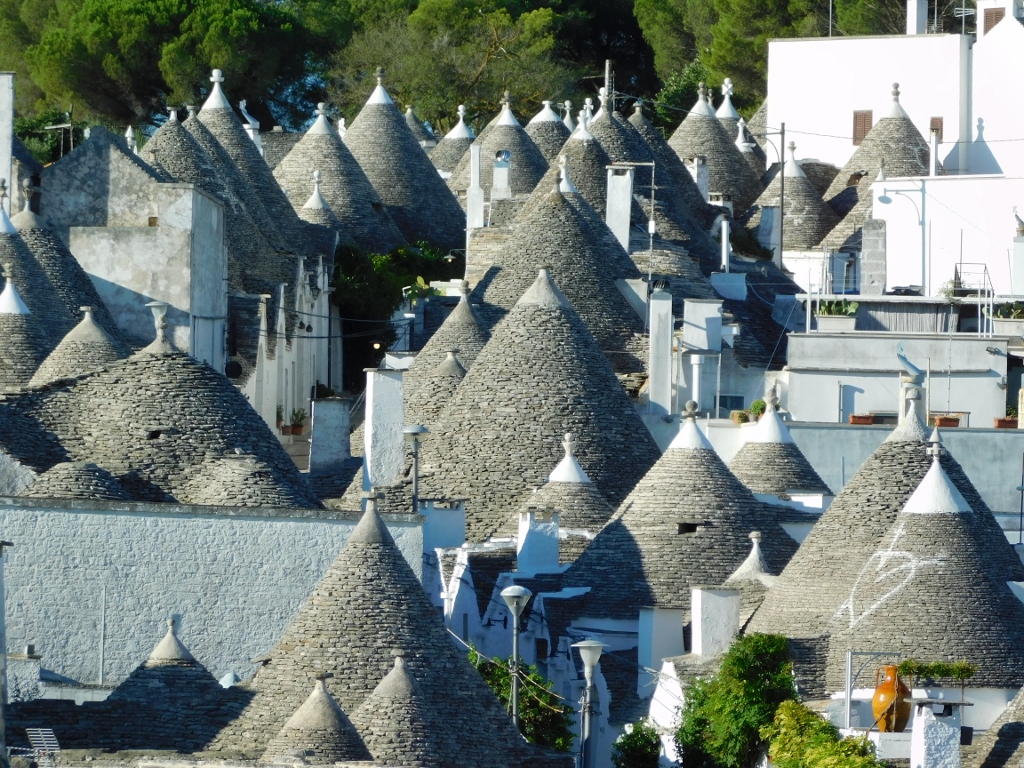 Alberobello
I descended again to the flat area between the two elevations and from there, I took a shot of the Monti neighbourhood.
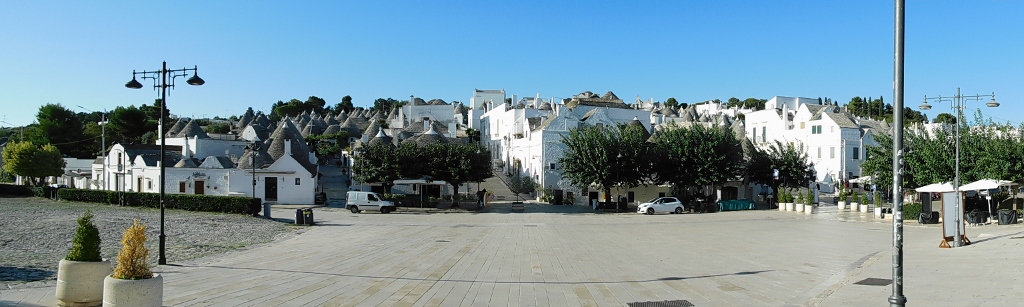 Alberobello
I was extremely happy that I had arrived here so early. Every now and then, a person would appear, but what mattered most to me was that the light was perfect, and the scenes... Well, I was in Italy, and there, somehow, everything is always beautiful and picturesque.
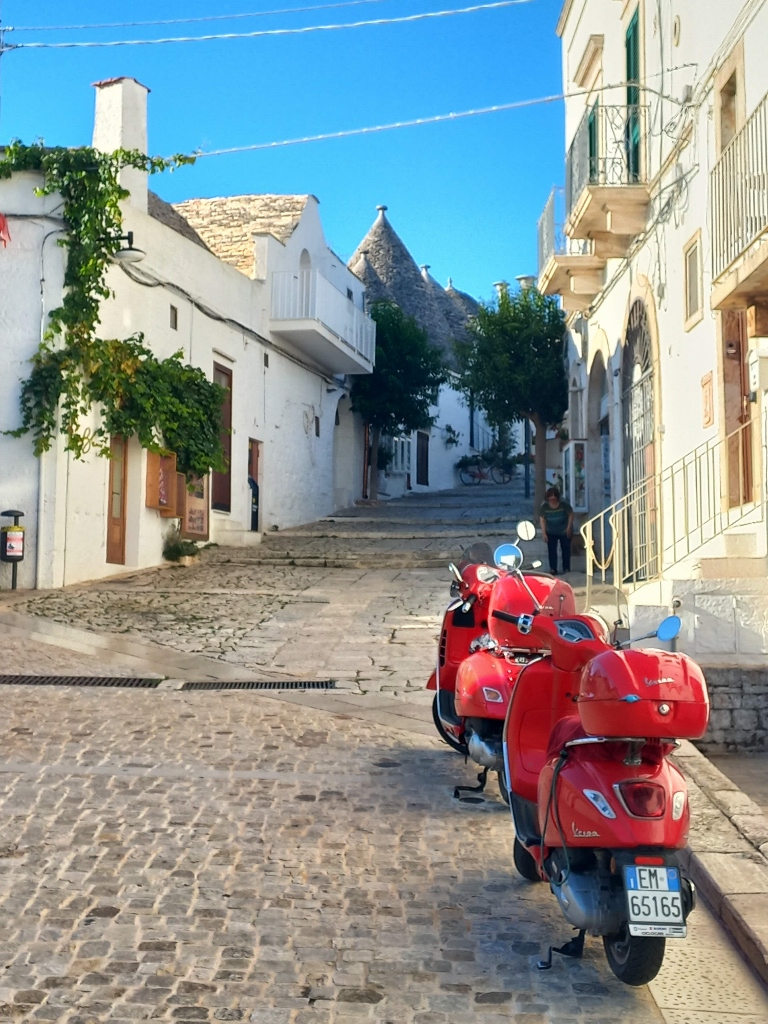 Alberobello
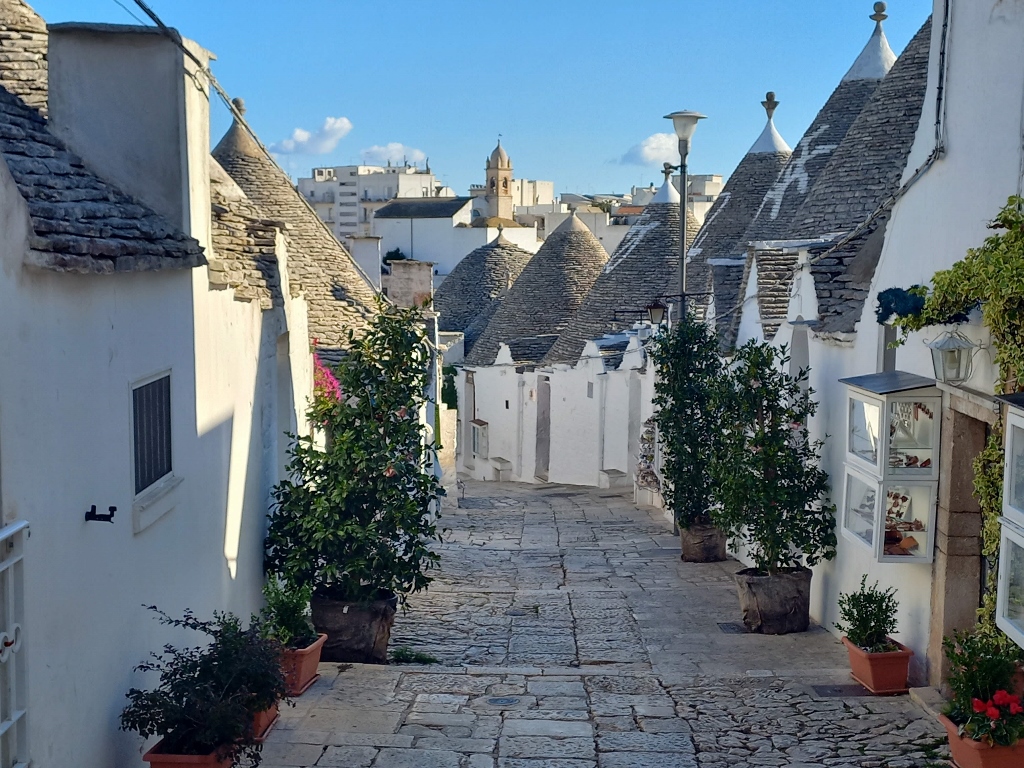
I again started along one of the main streets that goes uphill, then I would turn left or right until I reached another larger street, and I repeated this several times, photographing various parts that caught my eye this morning. Was I bored or did I feel lazy to photograph places I had already seen and photographed the previous afternoon? Absolutely not! I enjoyed every moment and felt truly delighted.
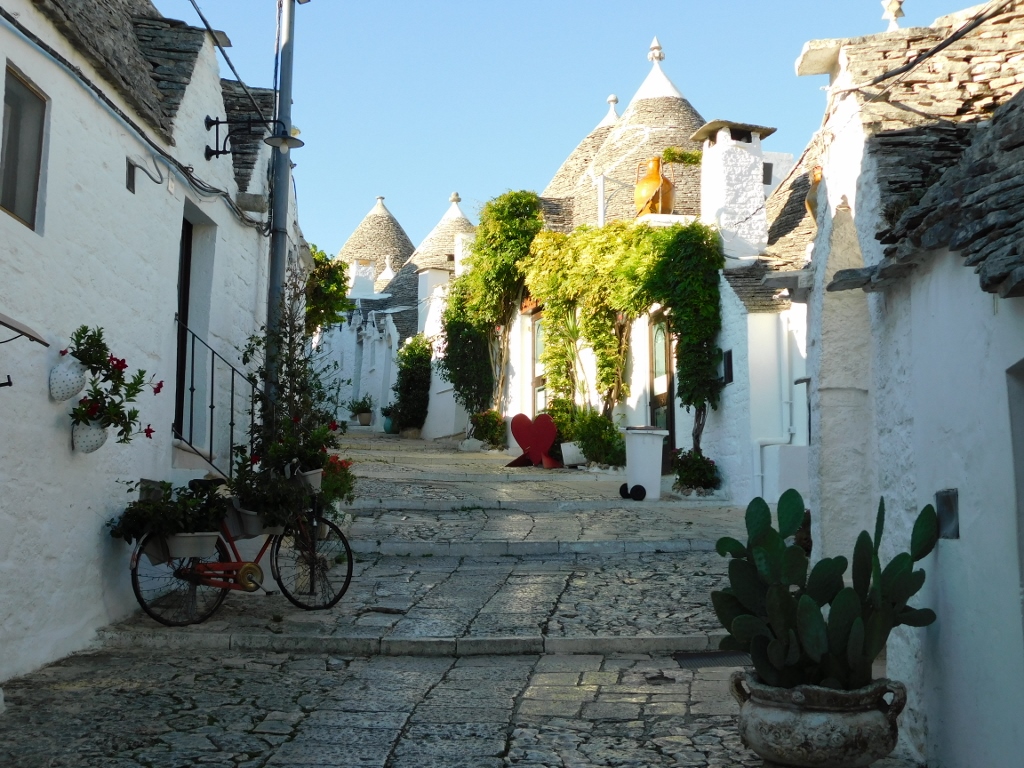 Alberobello
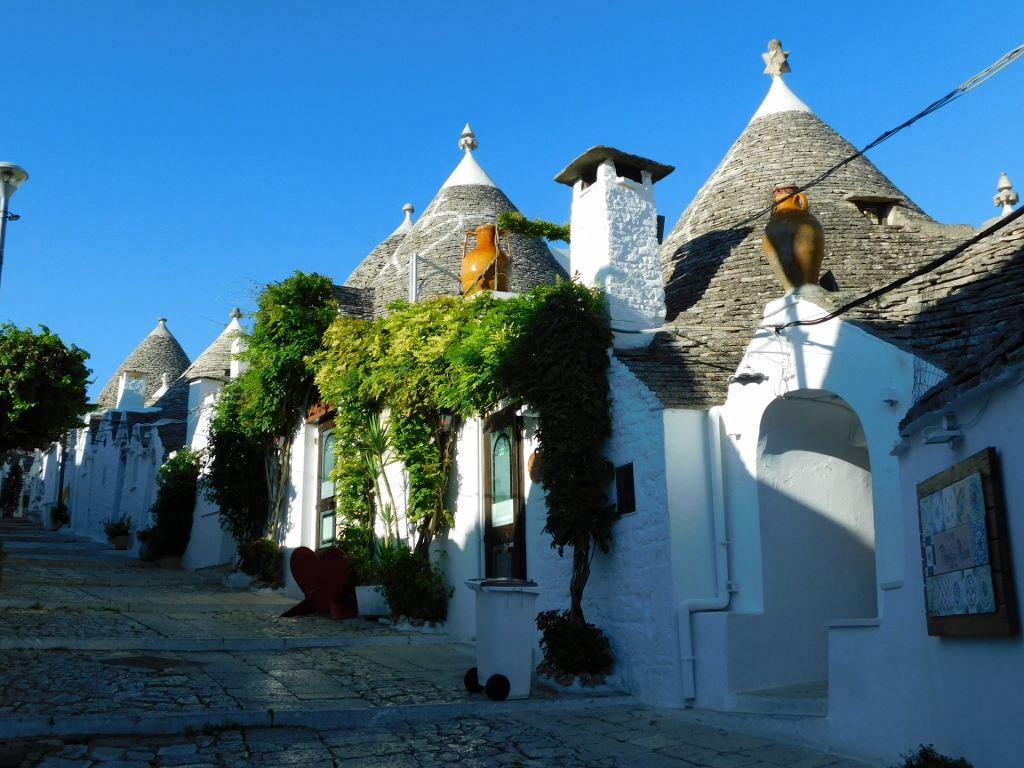 Alberobello
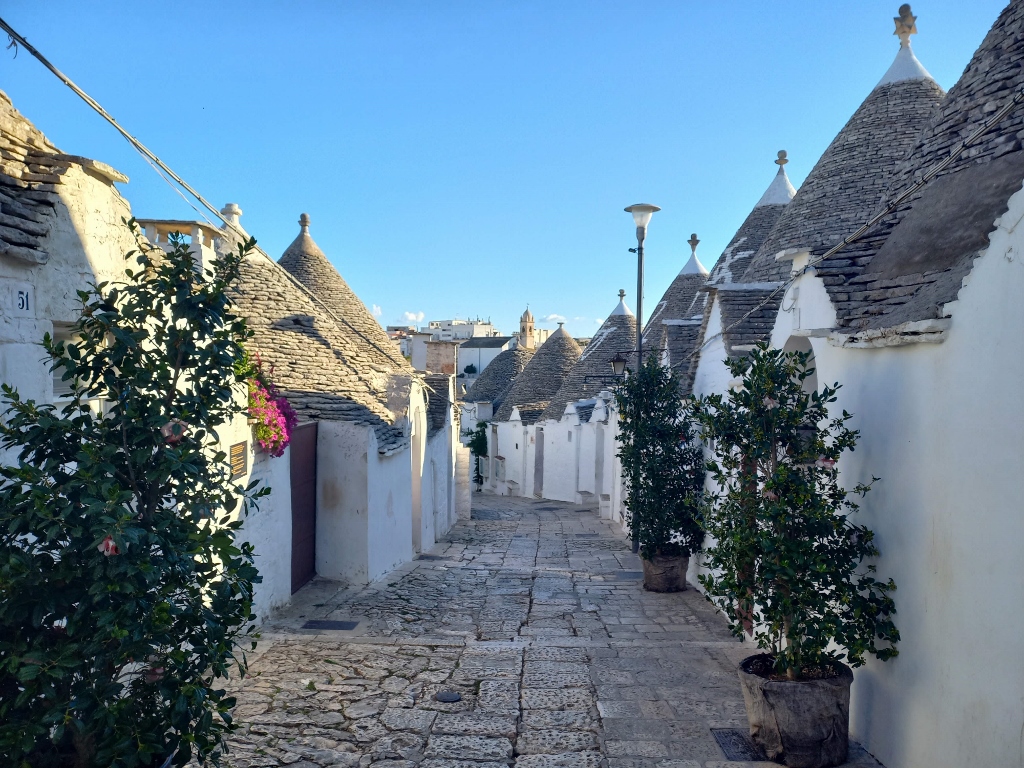 Alberobello
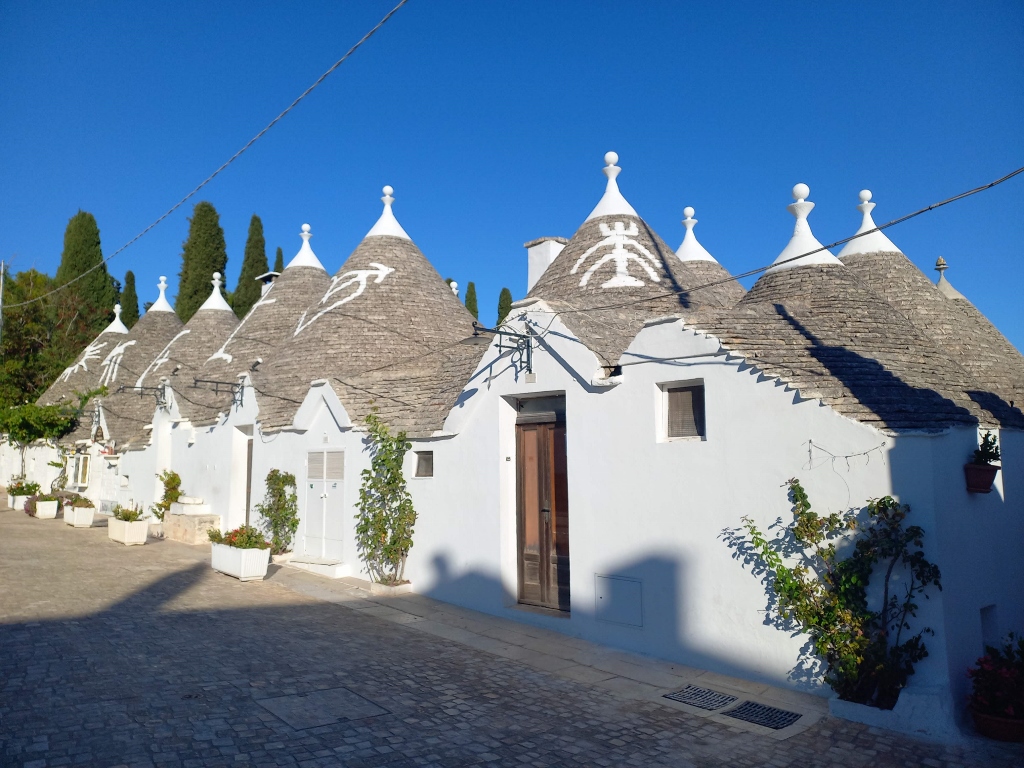 Alberobello
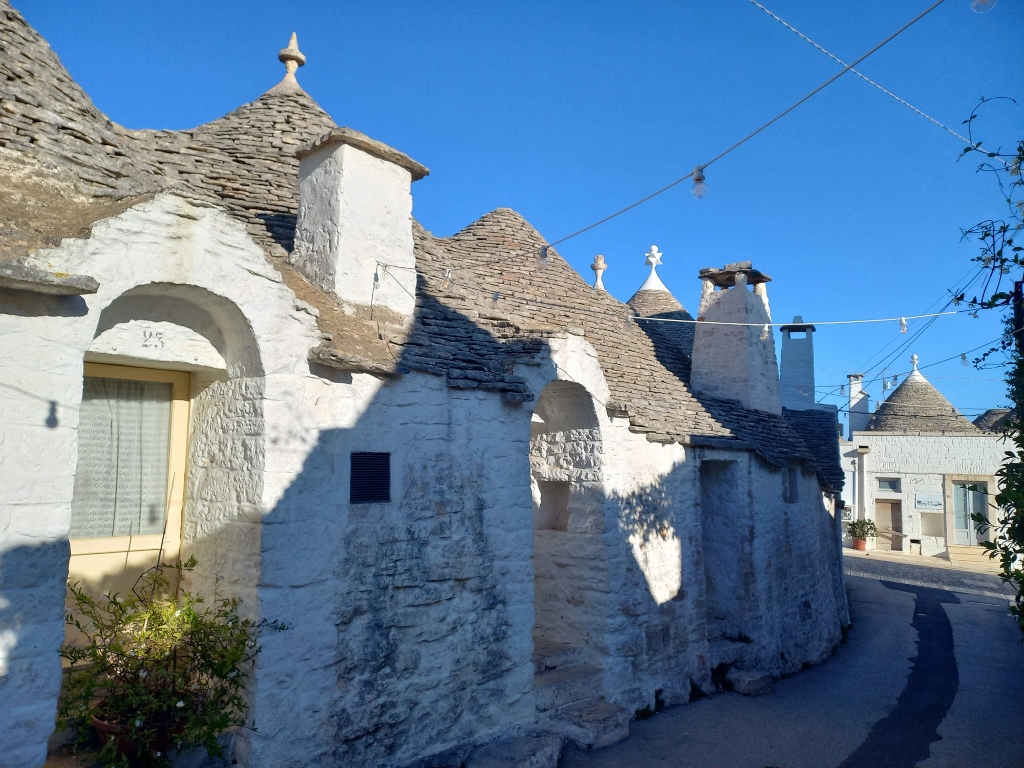 Alberobello
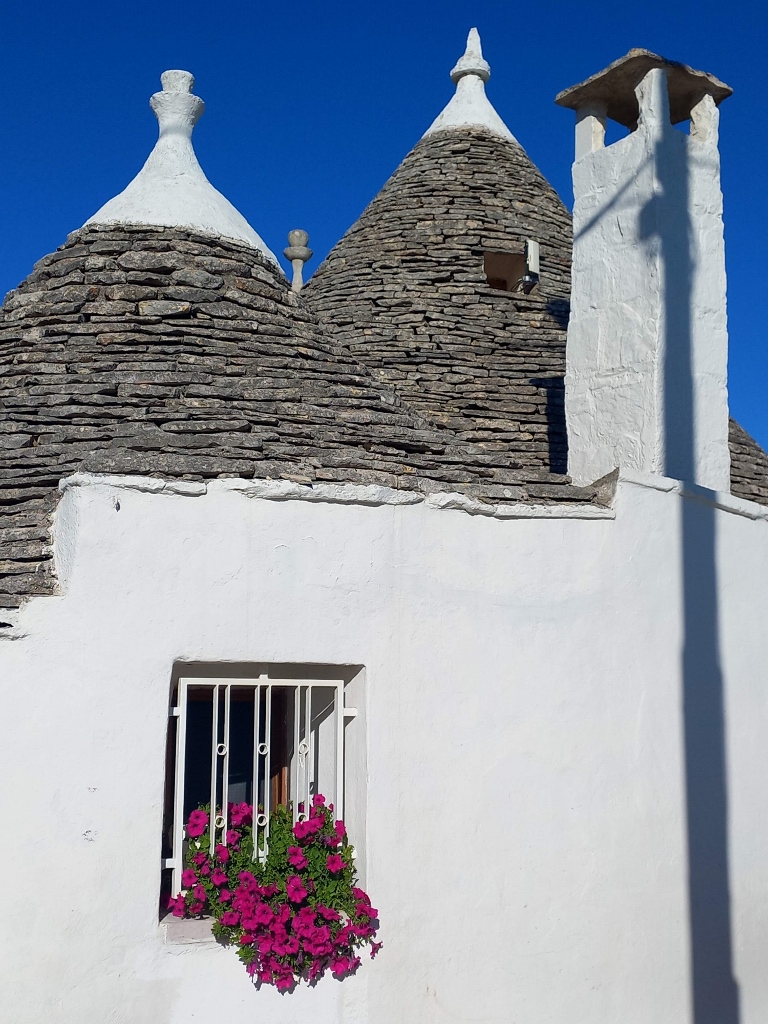 Alberobello
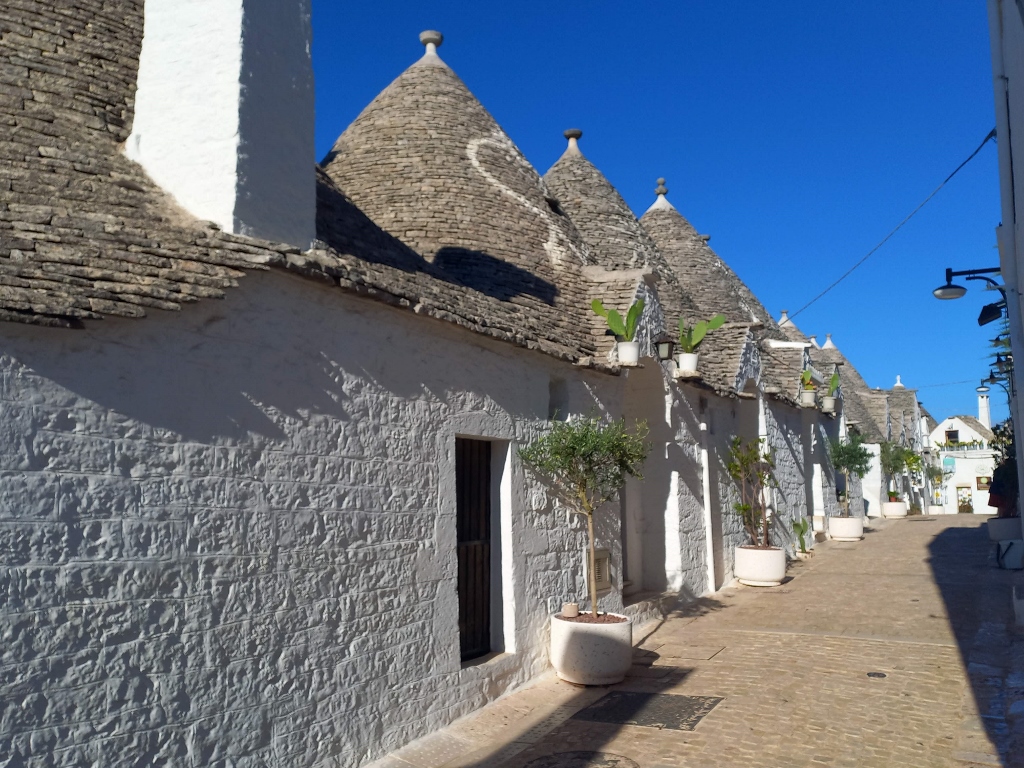 Alberobello
 Alberobello
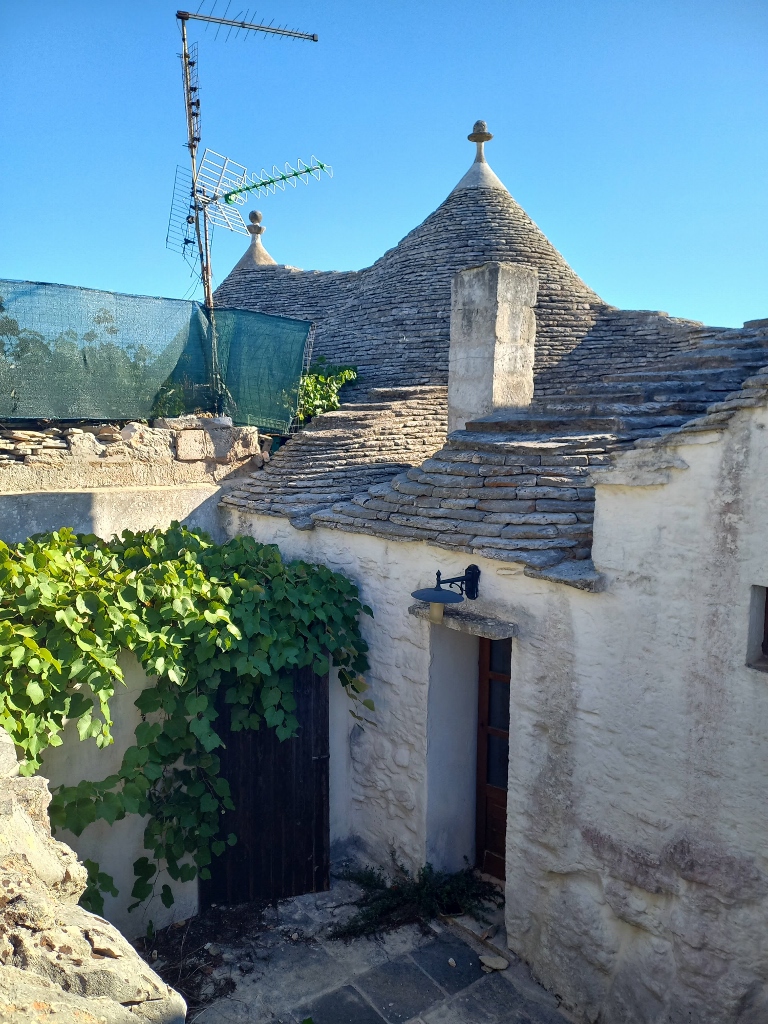
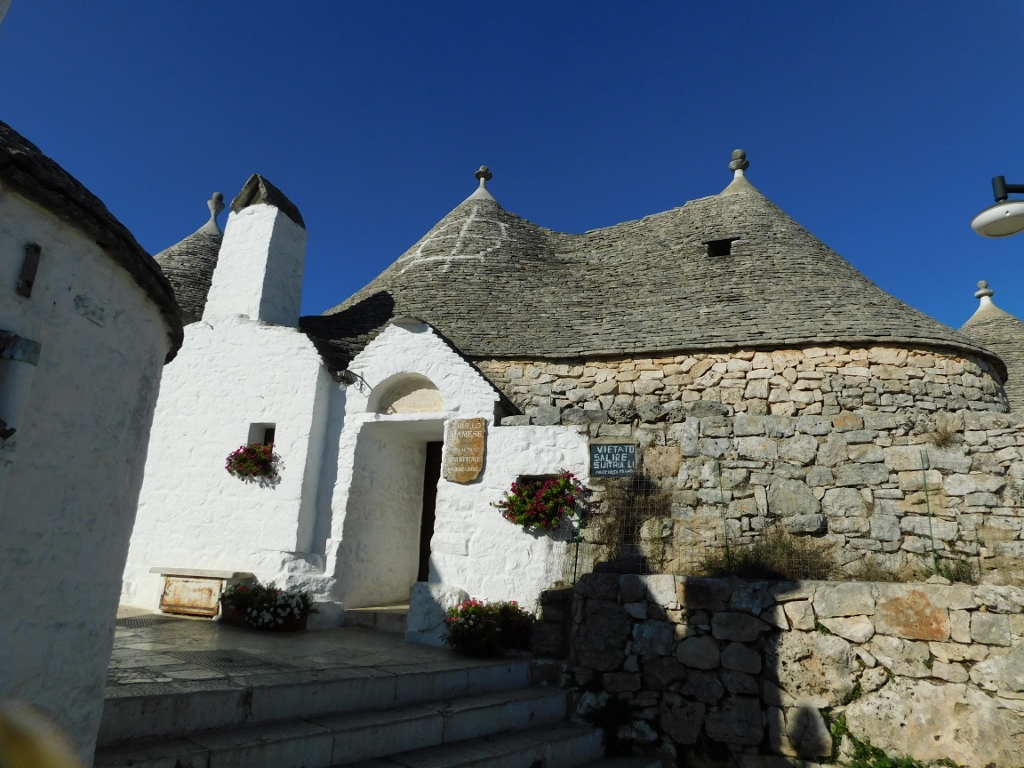
And then I decided to give some meaning to my walk, rather than just randomly wandering through these streets. Although the trulli themselves are already incredibly picturesque and interesting, there are a few of these buildings that stand out because of some special feature. So, I first went to the "Siamese Trullo" (Trullo Siamese), which is named like that because it consists of two trulli connected into one. I first viewed it from one side, and then from the other.
 Alberobello
 Alberobello
Now, I returned to the flat square/park between the elevations, and then climbed back up to the viewpoint. It seemed to me that with every shift of the sun across the sky, the beauty of the landscape changed in its form, yet its essence remained constant.
 Alberobello
After this, I ventured just a little into the Aia Piccola neighbourhood. Here, I reached a square that is now called Piazza XXVII Maggio, but it is mentioned in several places that this used to be a square called Piazza del Mercato, which was the historical market area connecting the Monti and Aia Piccola neighbourhoods. I must admit that I’m not entirely sure if this is exactly the spot – it doesn’t seem like it to me (it would make more sense for it to refer to the current area between the two elevations), and the sign next to an important trullo by the square says that it used to be a square under a different name. What I’m trying to say is that documents and maps aren’t always entirely clear. However, since this square was mentioned as significant in the documentation I used, and various maps indicated that it was indeed here, I went ahead and photographed it.
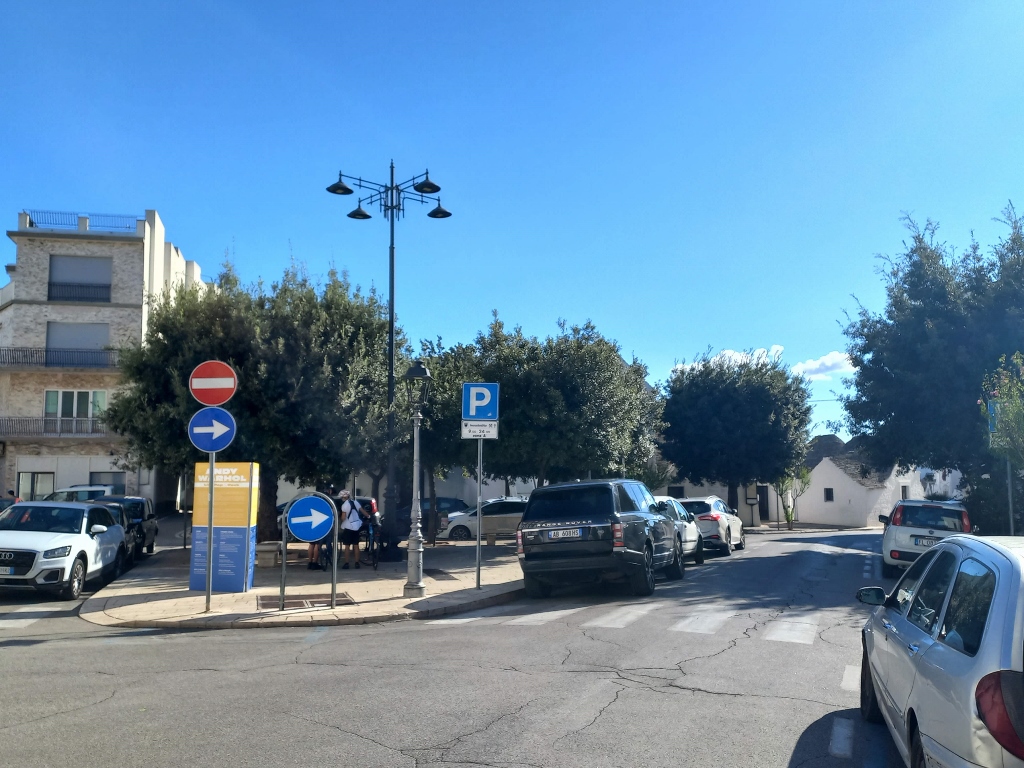 Alberobello
In the square itself, there is also the Territory Museum (Museo del Territorio), or the Historical Museum (Museo Storico), which is housed in the former Pezzolla House (Casa Pezzolla), named after its former owner, who was a doctor and lived in the late 18th century. This place is interesting because it is the largest complex of interconnected trulli and what makes it even more fascinating is that different trulli were added at different times. But even if I had wanted to visit the museum, it was still too early, and it wasn’t open yet.
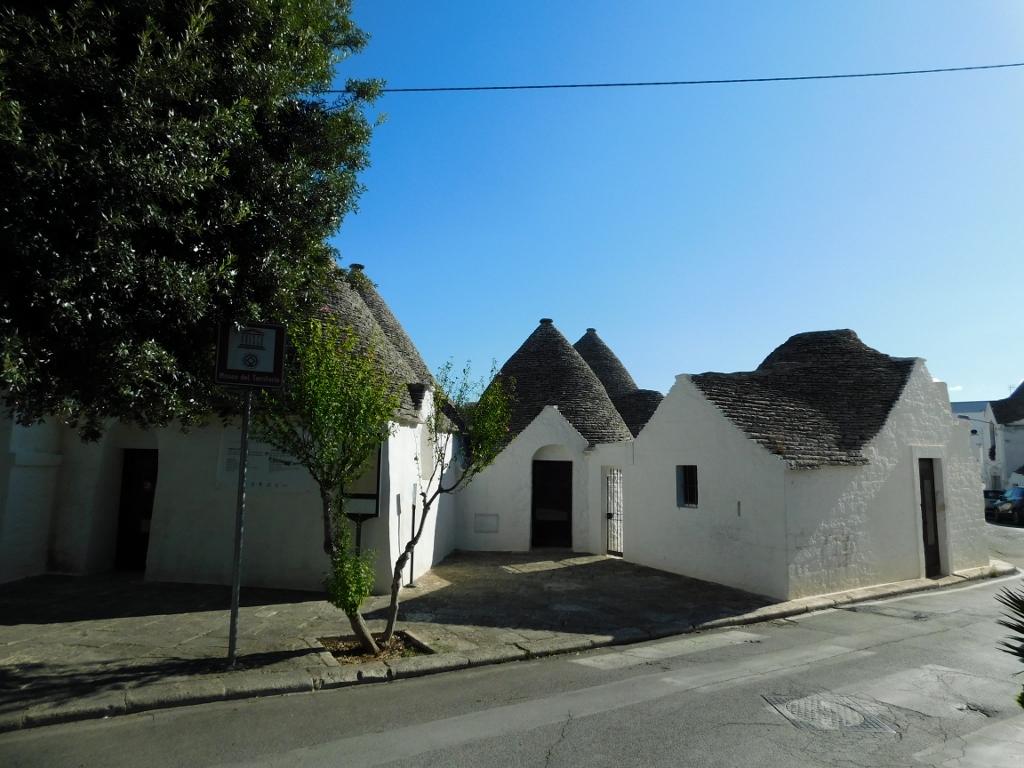 Alberobello
I stepped back a bit and photographed this complex from the other side.
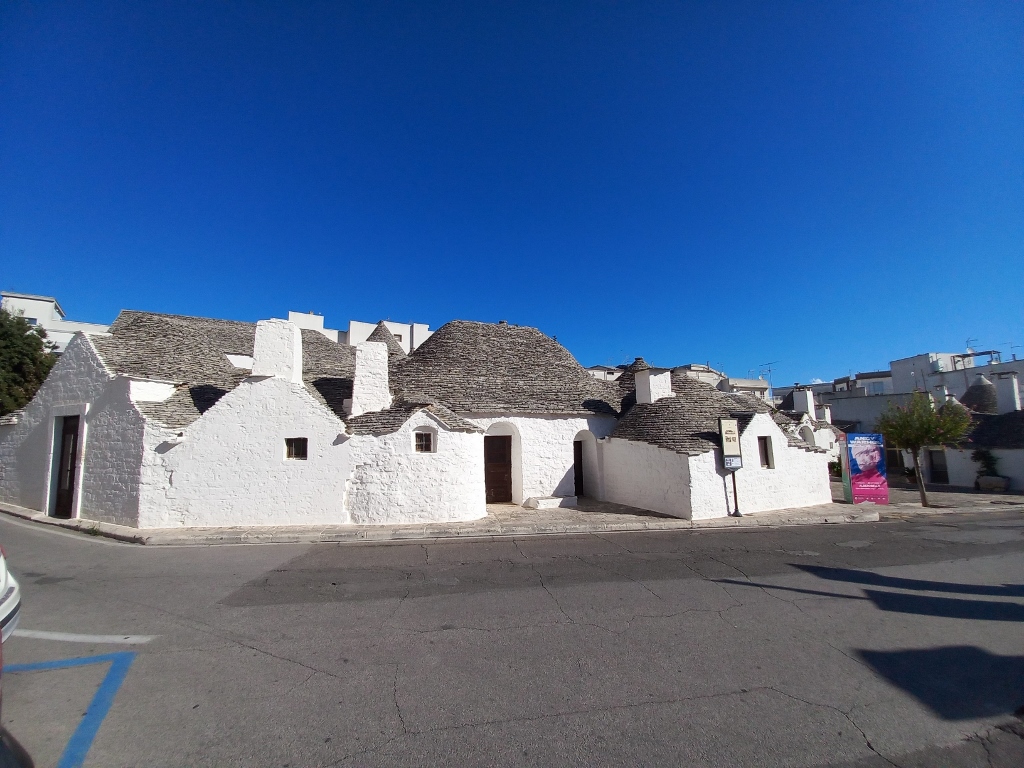 Alberobello
Then, I returned to the larger central square – Piazza del Popolo, and at the very northern corner of the square, there is another interesting building.
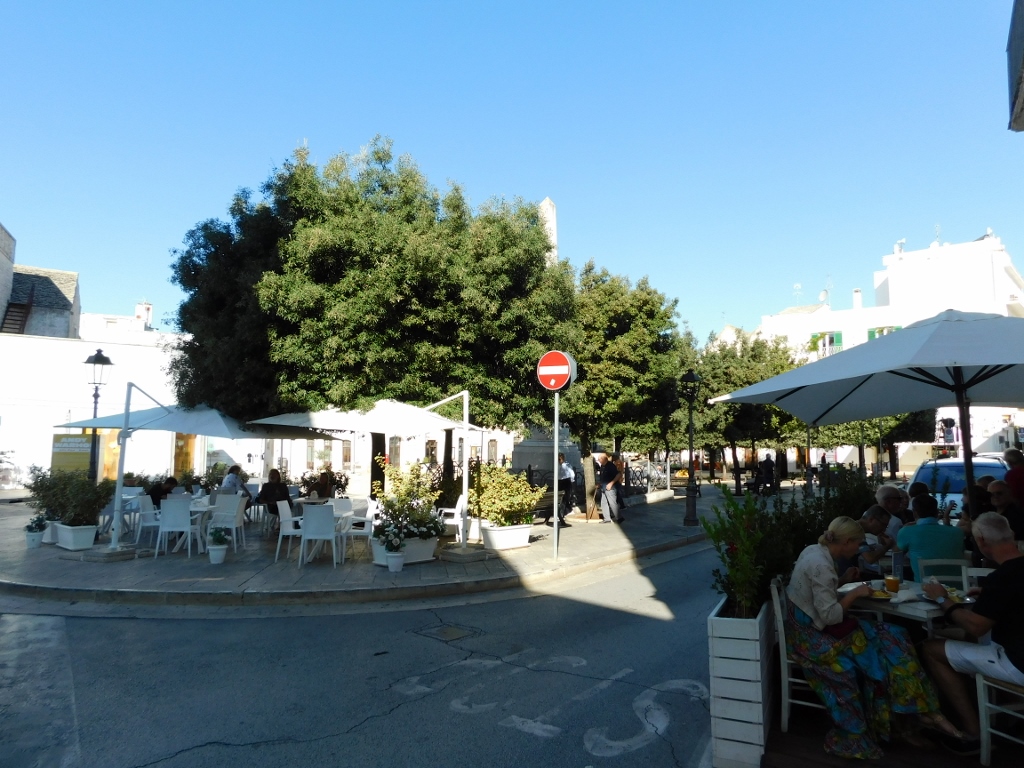 Alberobello
It is a house called Casa d'Amore, which sounds like "House of Love," but... The house actually got its name from its first owner, Francesco d'Amore. So, it has nothing to do with romantic love.
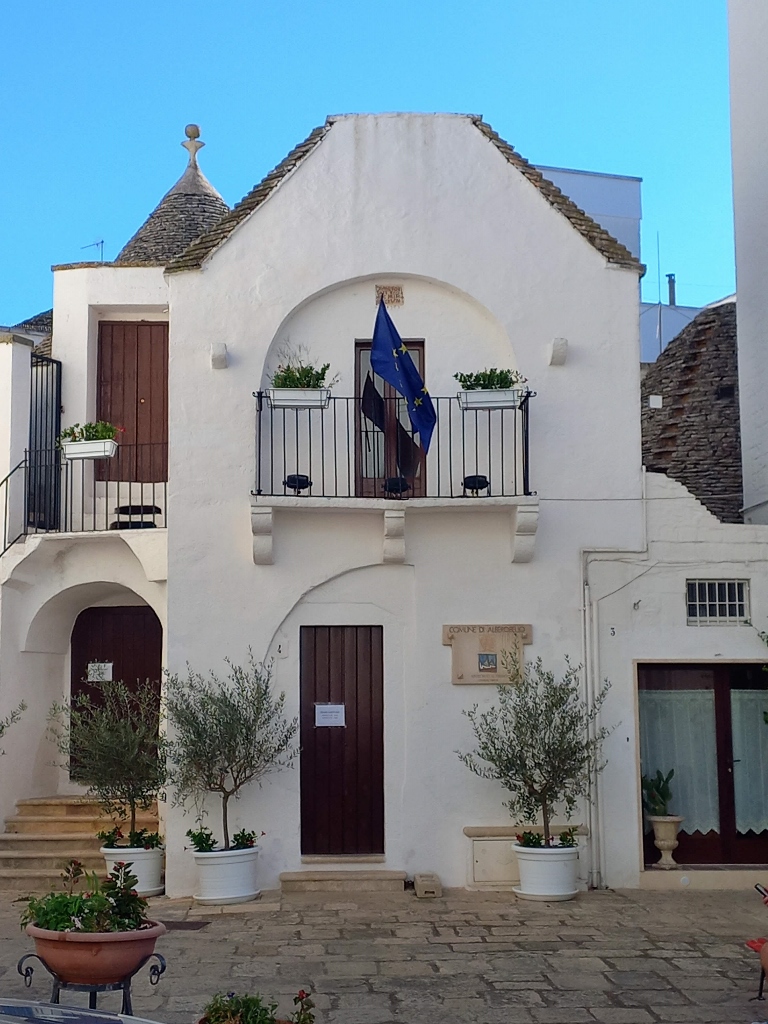 Alberobello
The house was built in 1797 and has an irregular ground plan. It is interesting because it represents a transitional architectural phase from the rustic trullo to a palace. The building is made of bricks, while mortar was also used in its construction, but the roof is made of thin limestone slabs, so in that aspect, it resembles a trullo.
On Piazza del Popolo, there is also a beautiful municipal building, which has nothing to do with trulli, but this is just to show that there are other types of buildings in Alberobello as well.
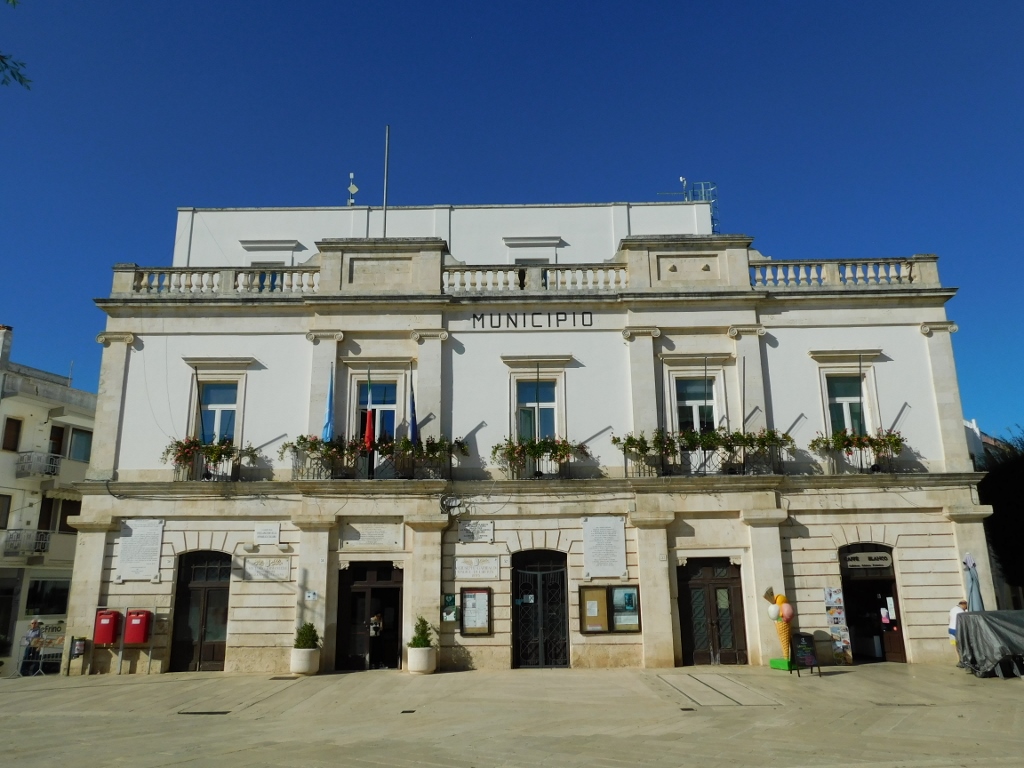 Alberobello
One of the different types of buildings is the main church in Alberobello – the Church of Saints Cosmas and Damian.
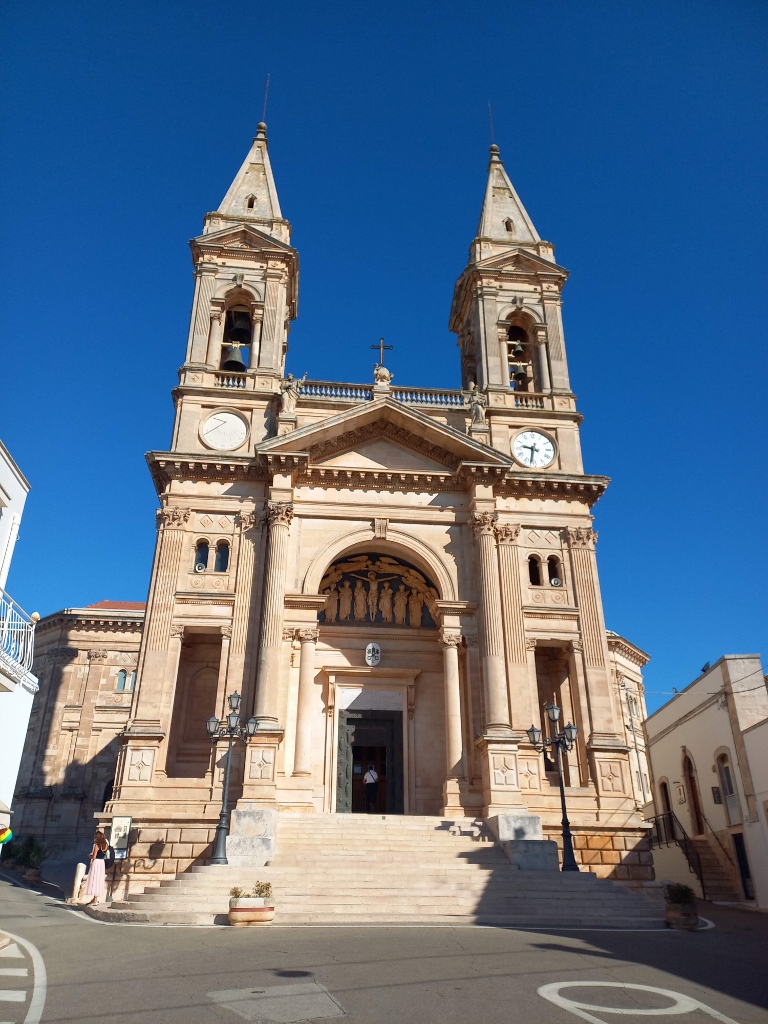 Alberobello
The church was built in 1882 on the site of a 17th-century chapel. On the outside, it appears extremely impressive, partly due to its location, while inside, there is a sense of peace and elegance.
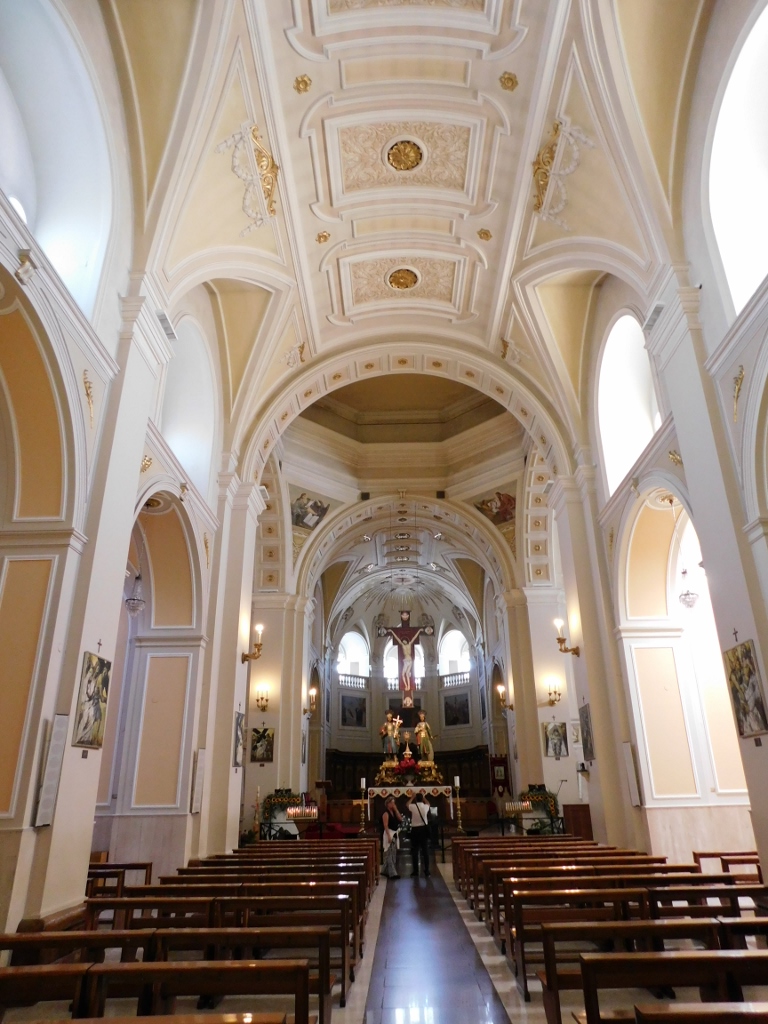 Alberobello
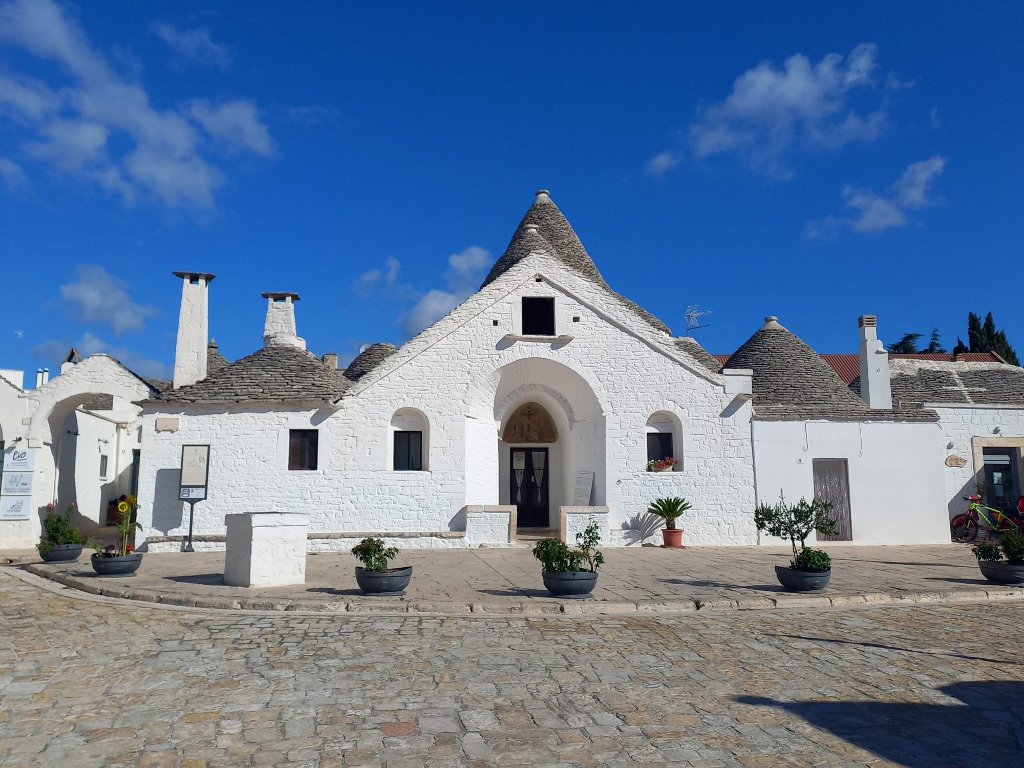
In order to visit another significant trullo, you need to pass right by this church, while Trullo Sovrano is located a little farther. It is the only two-story trullo in Alberobello, which has since been turned into a museum.
 Alberobello
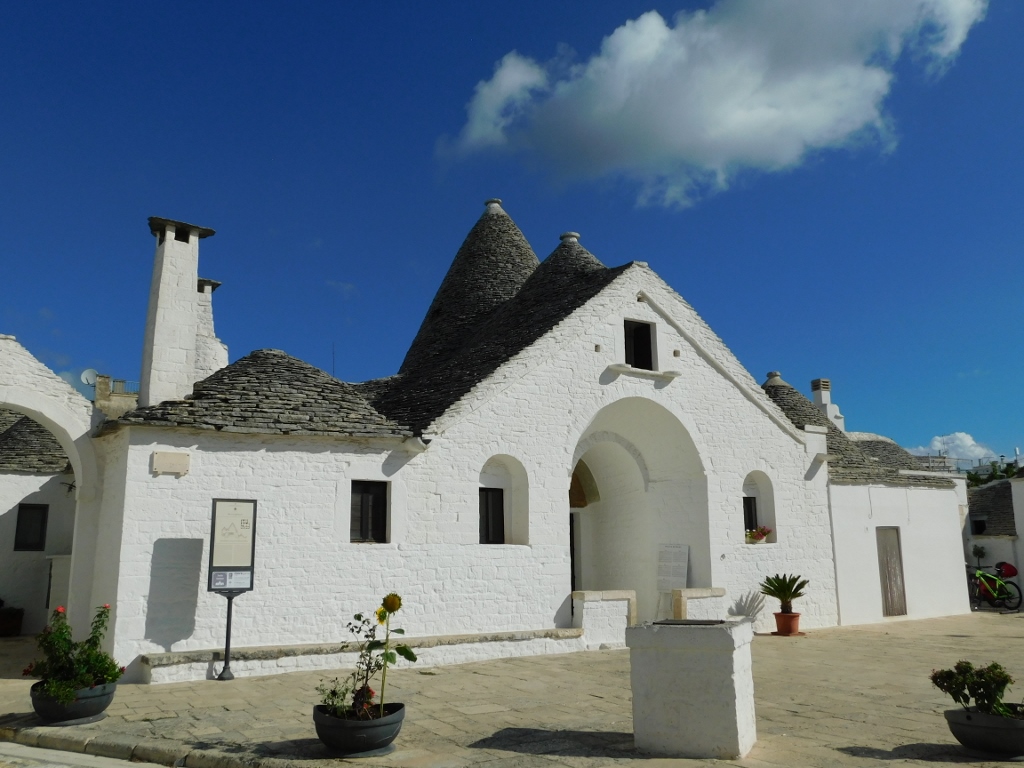
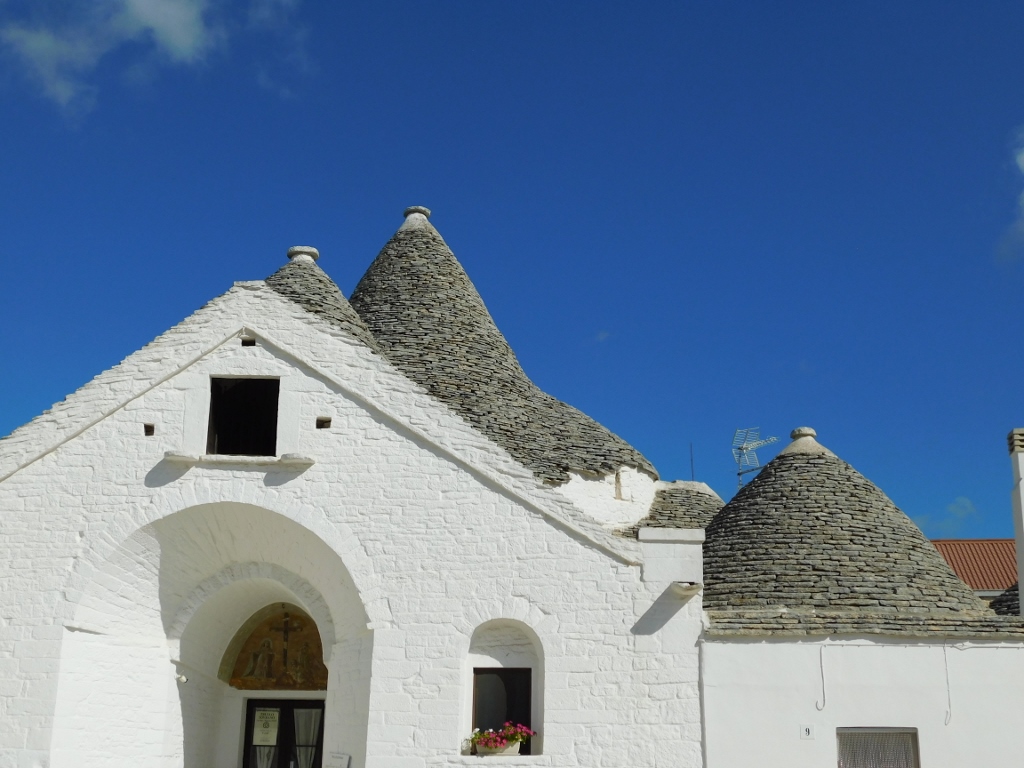
This trullo was built in the first half of the 18th century. The upper floor is accessed by an internal staircase and interestingly, these are some of the first stairs made using mortar. The reason this is interesting is that trulli were traditionally built without mortar, using the a secco technique or the so-called drywall. The original owner was a priest and later the building was used as a courthouse, chapel, grocery shop, monastery and as a private residence. Today, it is owned by the Sumerano family. It is also significant that in 1785, the relics of Saints Cosmas and Damian, the patrons of the town, were temporarily housed here. The highest part of the trullo is the domed roof above the room on the upper floor, with its peak rising to a height of 14 m.
 Alberobello
Based on what I have read, it is definitely worth it for a visitor to go inside and see the trullo in that way. However, it was closed during my visit, so I could only explore it from the outside a bit.
 Alberobello
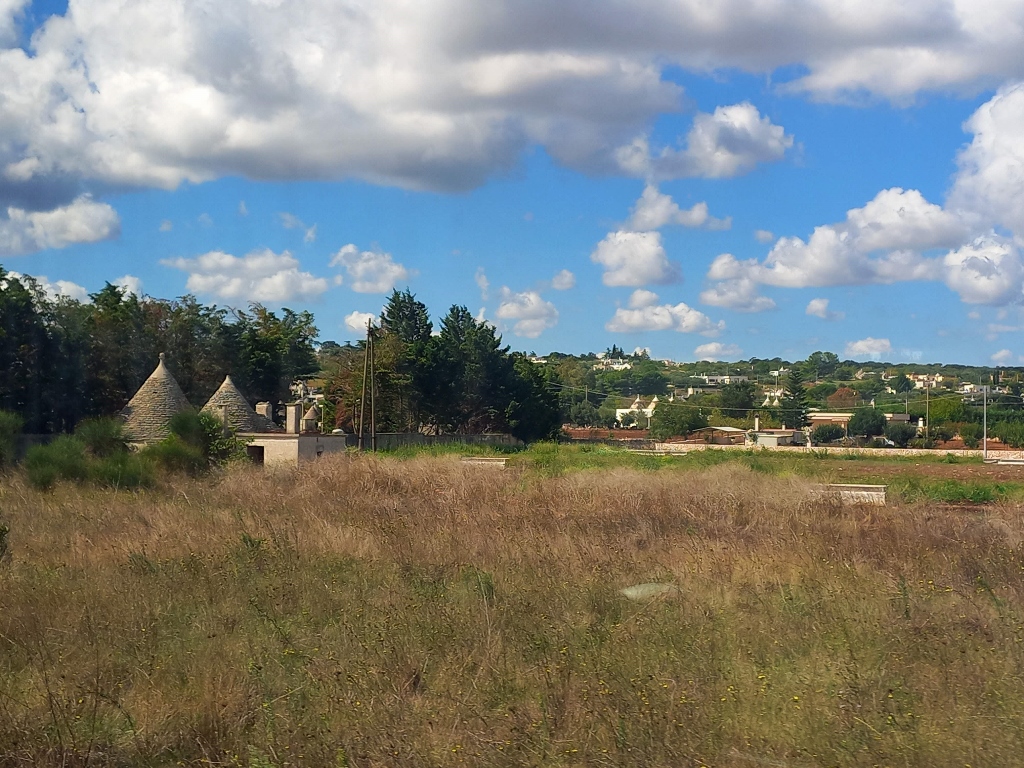
Now I descended to the train station, and soon I was on the local train that took me to Martina Franca. I had already mentioned that trulli are most prevalent in the Itria Valley and this railway line practically took me through that valley. Besides a lot of fields, olive groves and vineyards, I often saw trulli along the way as well.
 Alberobello
The train station in Martina Franca is about 1 km away from the historical centre, so it takes around 15 minutes on foot to reach the main destination. You also have to walk a bit uphill, but it's nothing dramatic. Along the way, you pass through the newer parts of the town, but when I say "newer," that doesn't mean buildings from the 21st century made of glass and metal.
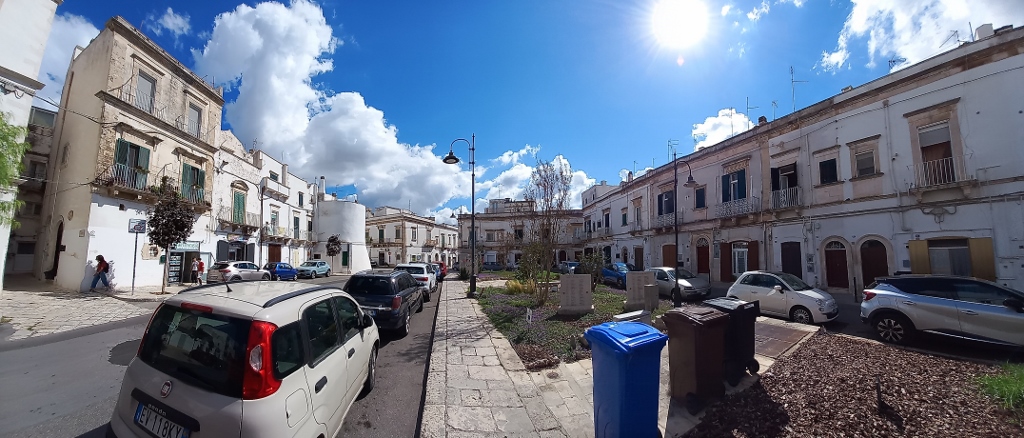 Martina Franca
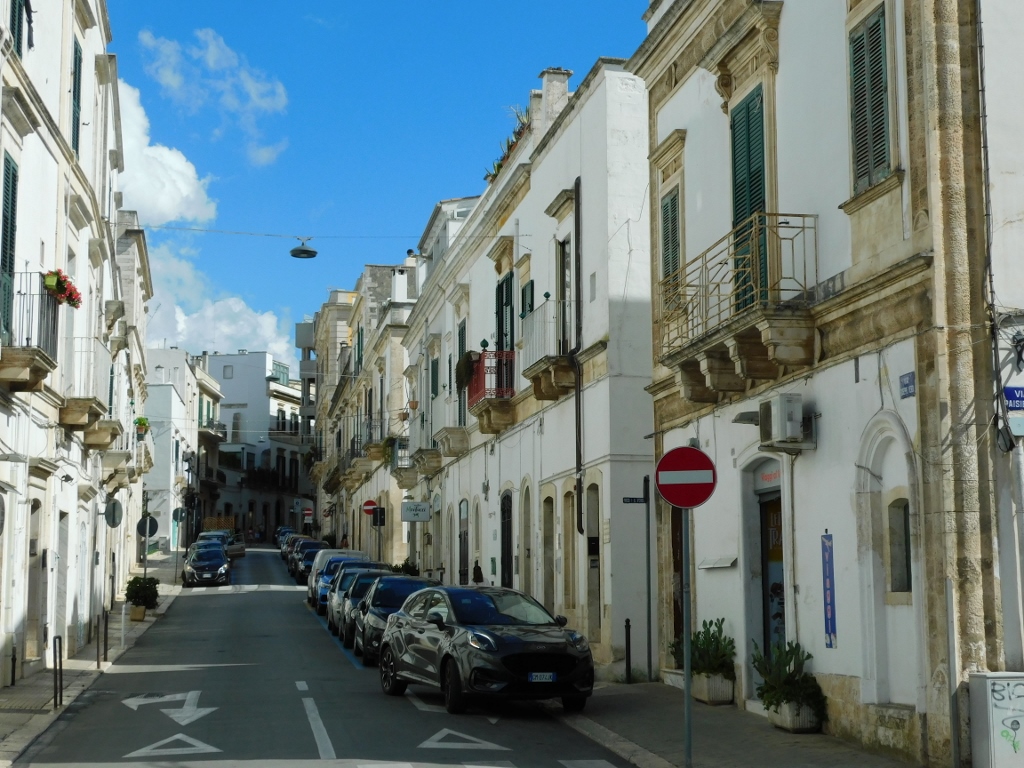 Martina Franca
Close to the historical centre, I passed by an ice-cream parlour that had a sticker on the door showing it was part of a professional network of gelato makers (Artisti del Gelato), who use 100% natural ingredients for their products. Of course, I had to stop there. I got two scoops of ice-cream – one was a combination of bergamot and ginger, and the other a combination of almonds and figs. Ooh... what a delight that was!
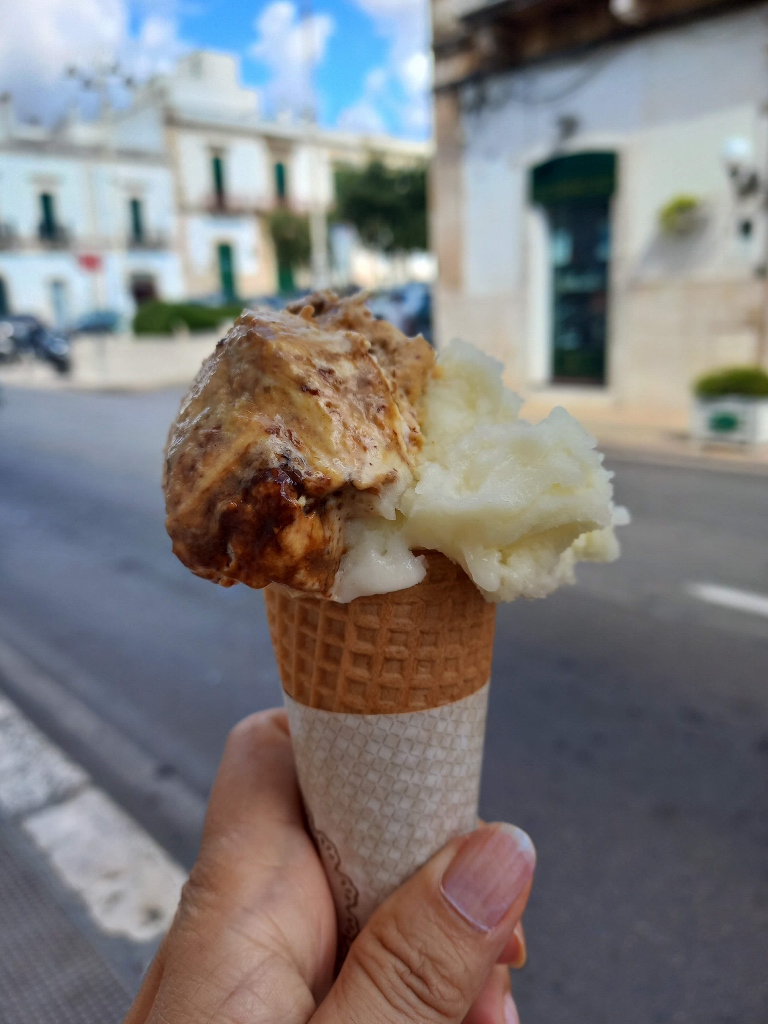 Martina Franca
Near this ice-cream parlour, I noticed a kind of an urban flea market, so I took a little stroll through it. Not because I was particularly interested in buying anything, but more to see what it was like and to get a sense of the local customs.
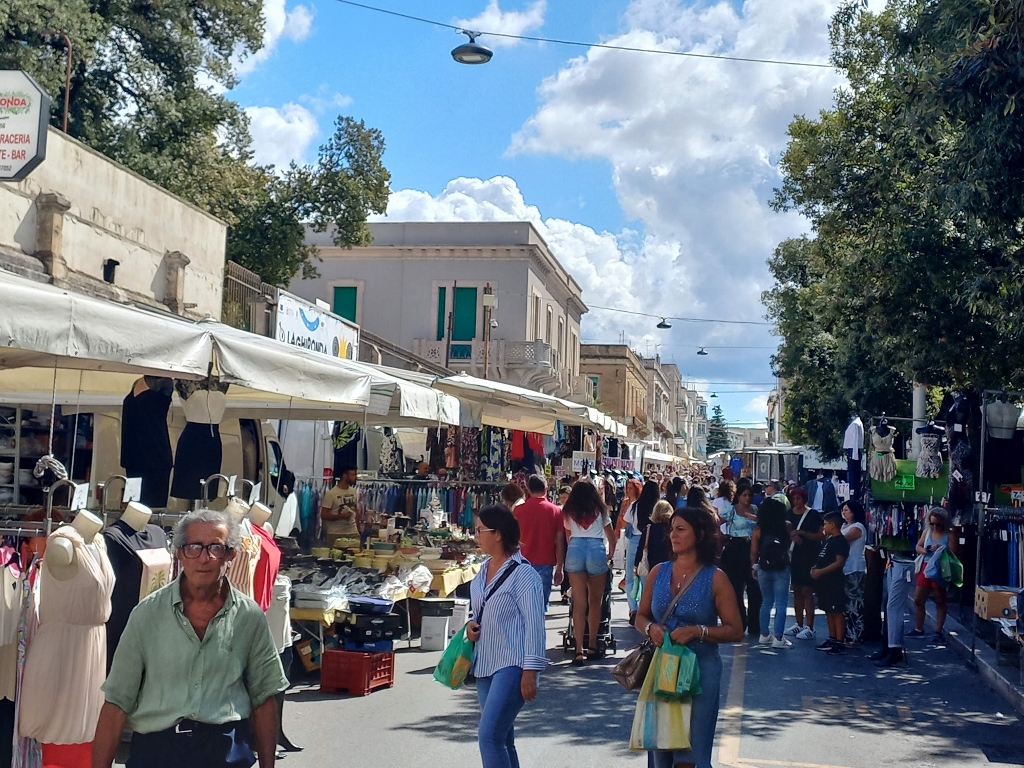 Martina Franca
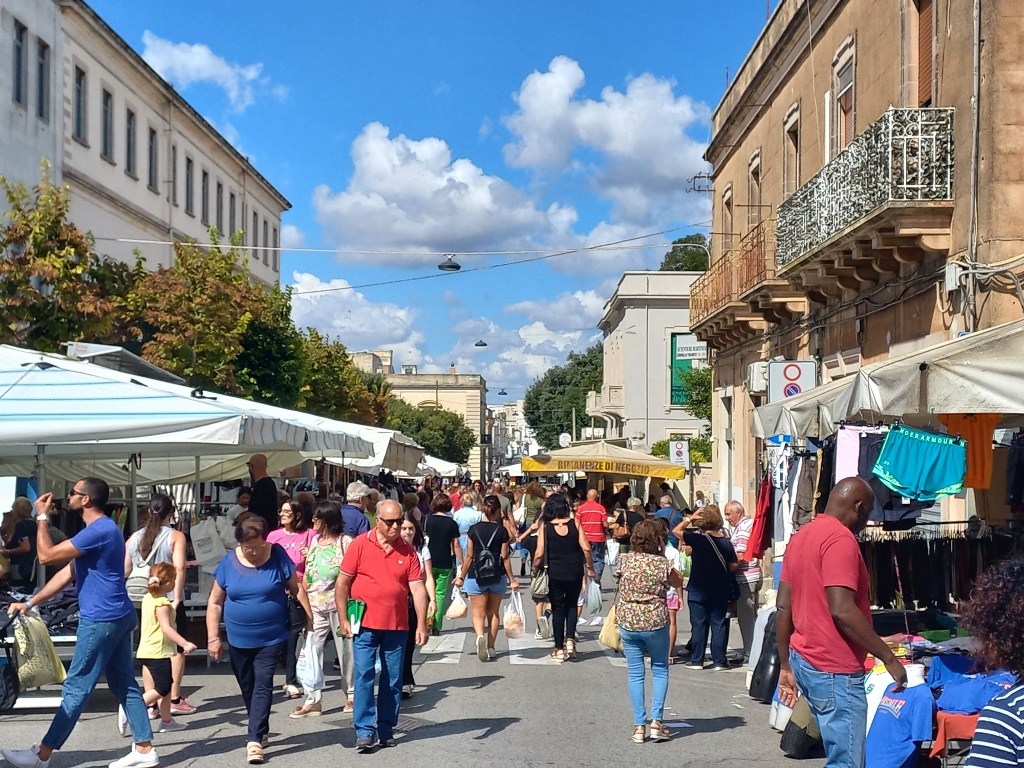 Martina Franca
Then, I made my way to the historical centre through the Villa Garibaldi town park.
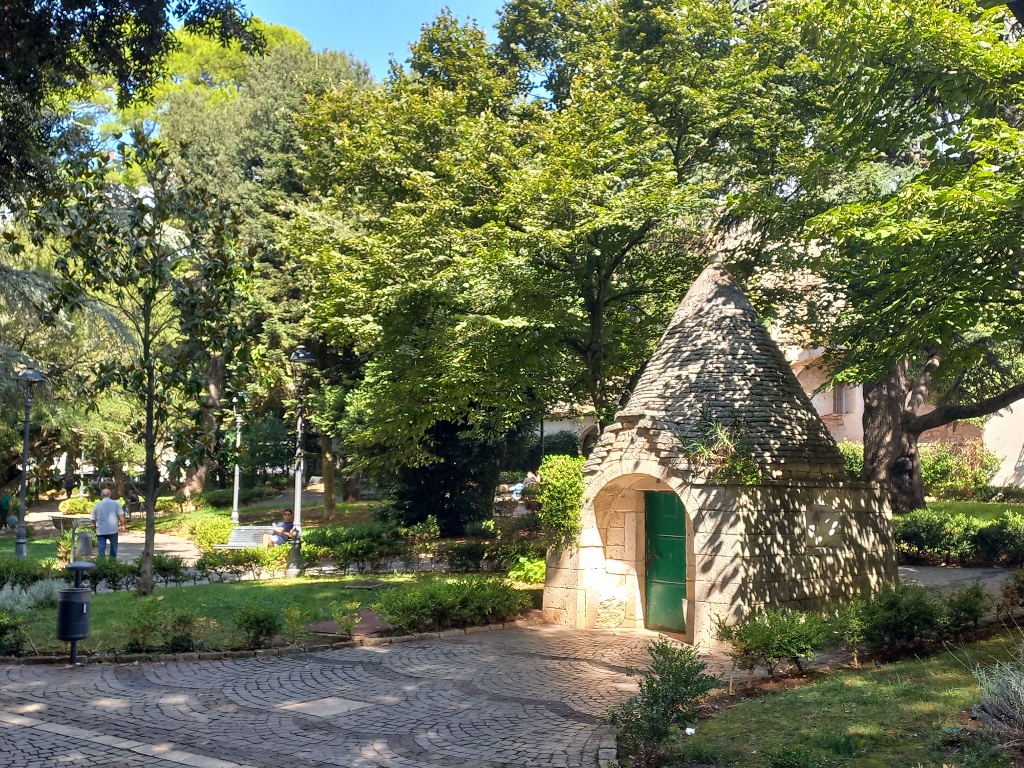 Martina Franca
The old town or the historical centre of Martina Franca is full of narrow, winding streets, and there are several larger and smaller squares. There are multiple ways to enter this area, but I decided to start with what is almost the "main entrance," which is from Piazza XX Settembre. The square is lined with trees, and it all leads towards the Santo Stefano gate (Porta Santo Stefano).
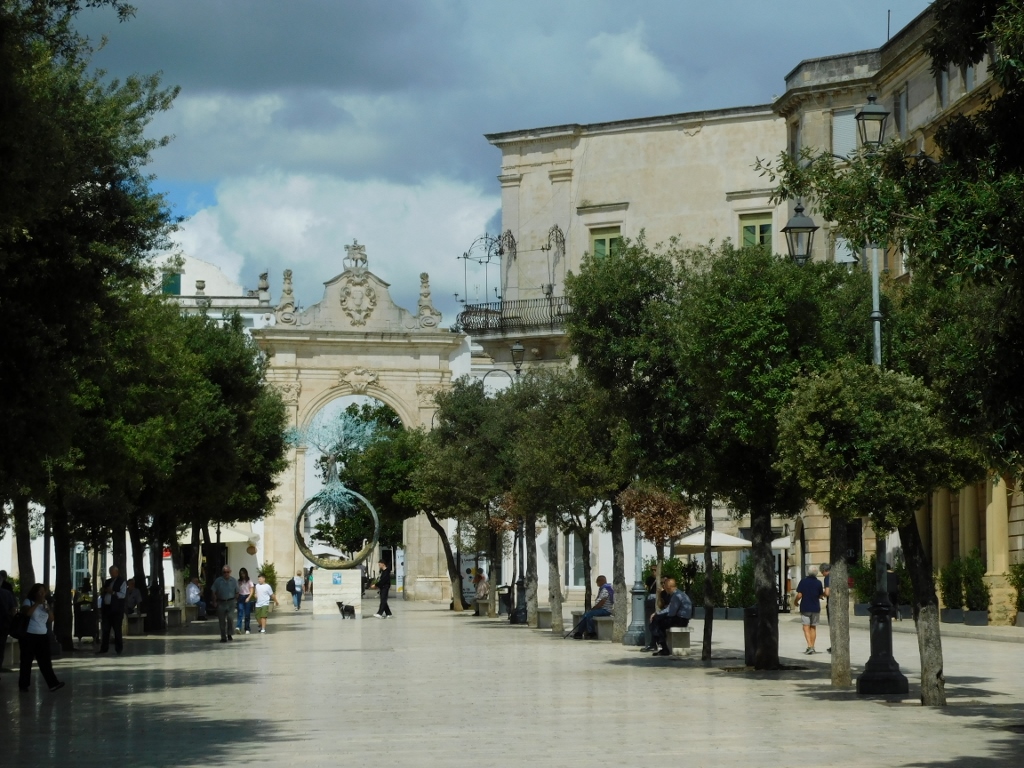 Martina Franca
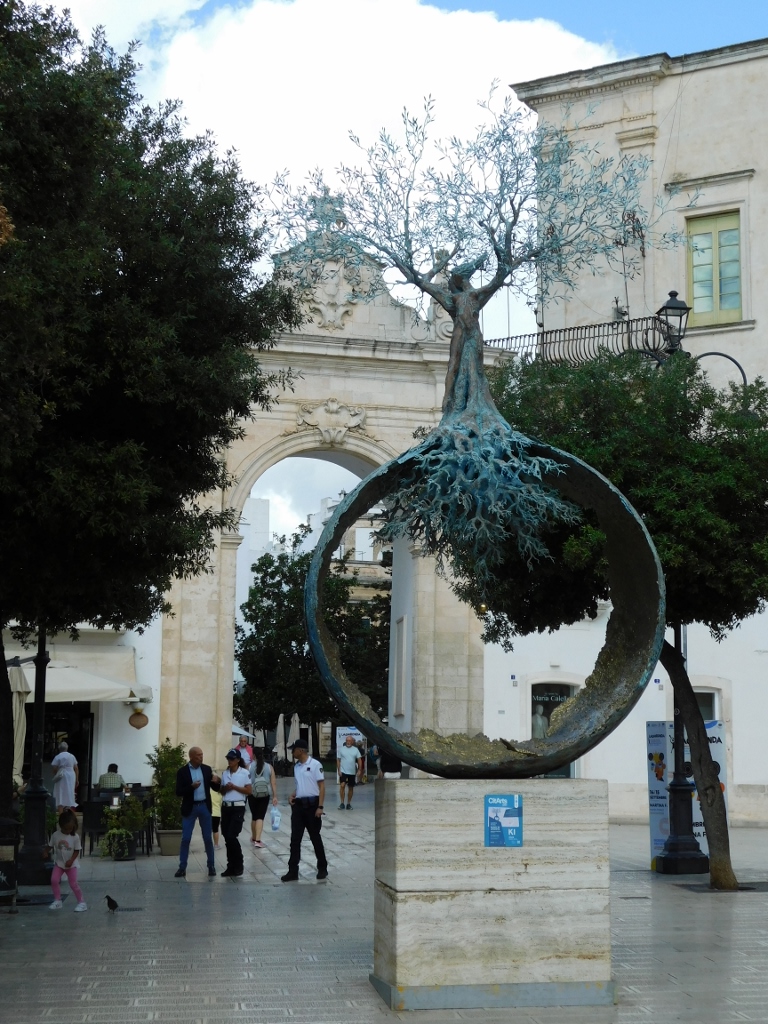 Martina Franca
As soon as you pass through the gate, you arrive at another square – Piazza Roma, where there is also a 17th-century palace – Palazzo Ducale.
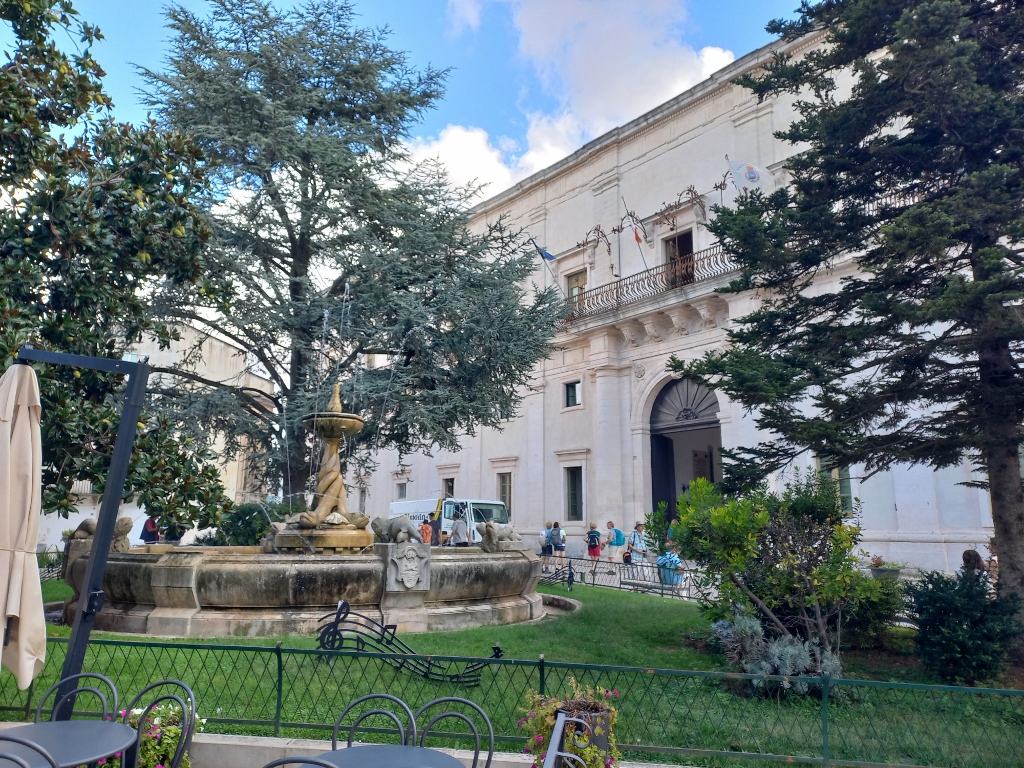 Martina Franca
Within the town, there are many interesting churches, palaces and monasteries, and I made an effort to visit all or almost all of them. However, the main beauty of the town comes from its streets and squares, as well as the various details that can be observed there. I believe it's more than enough to simply wander aimlessly through this part of the town and a visitor would be completely satisfied with the experience.
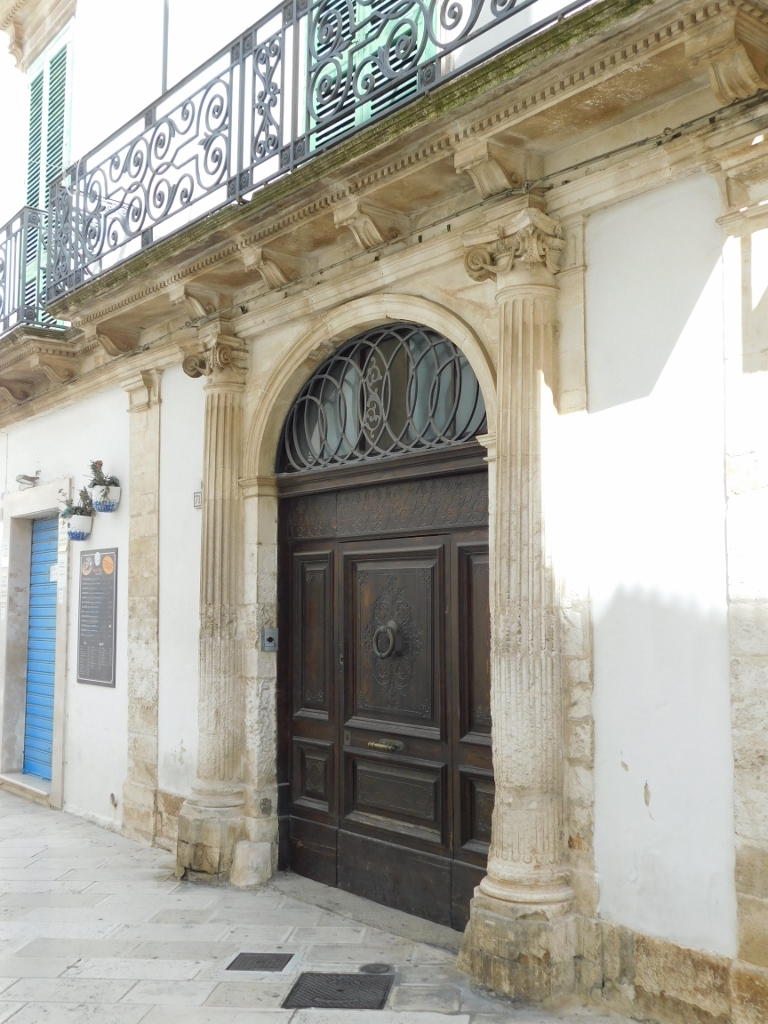 Martina Franca
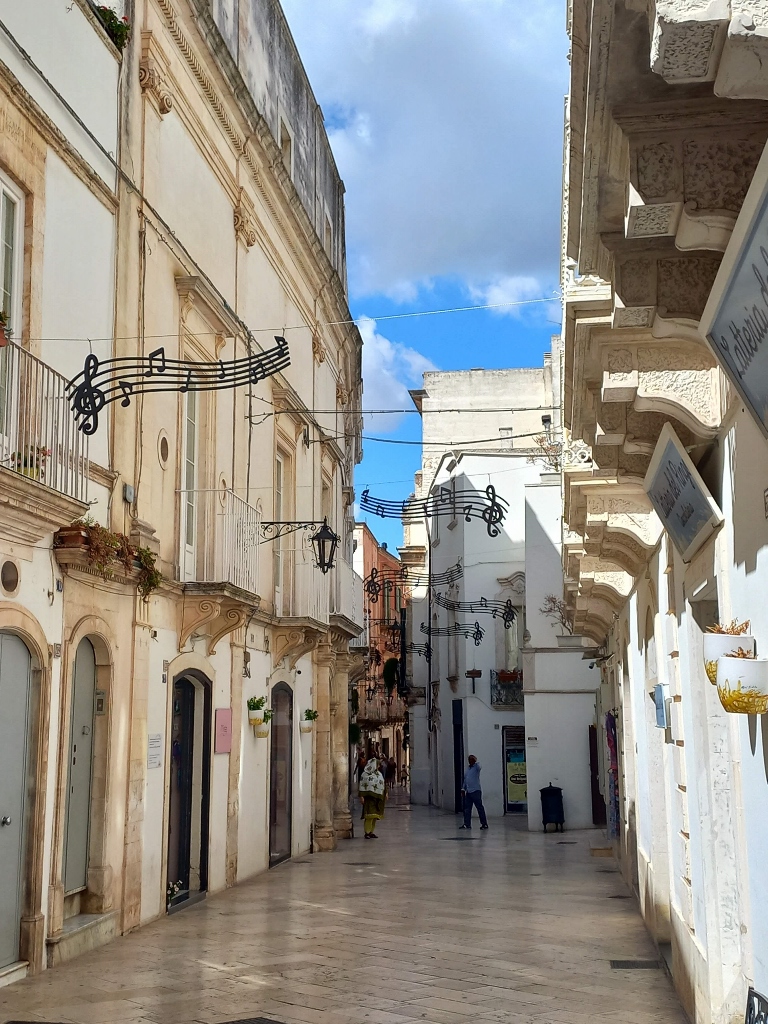 Martina Franca
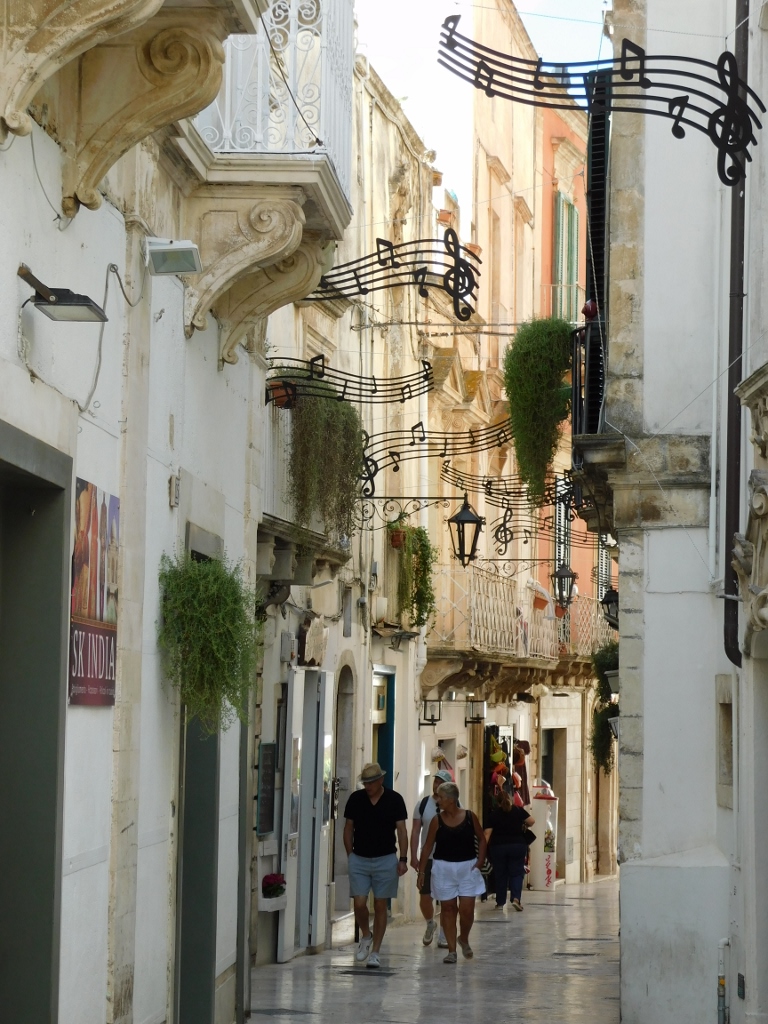 Martina Franca
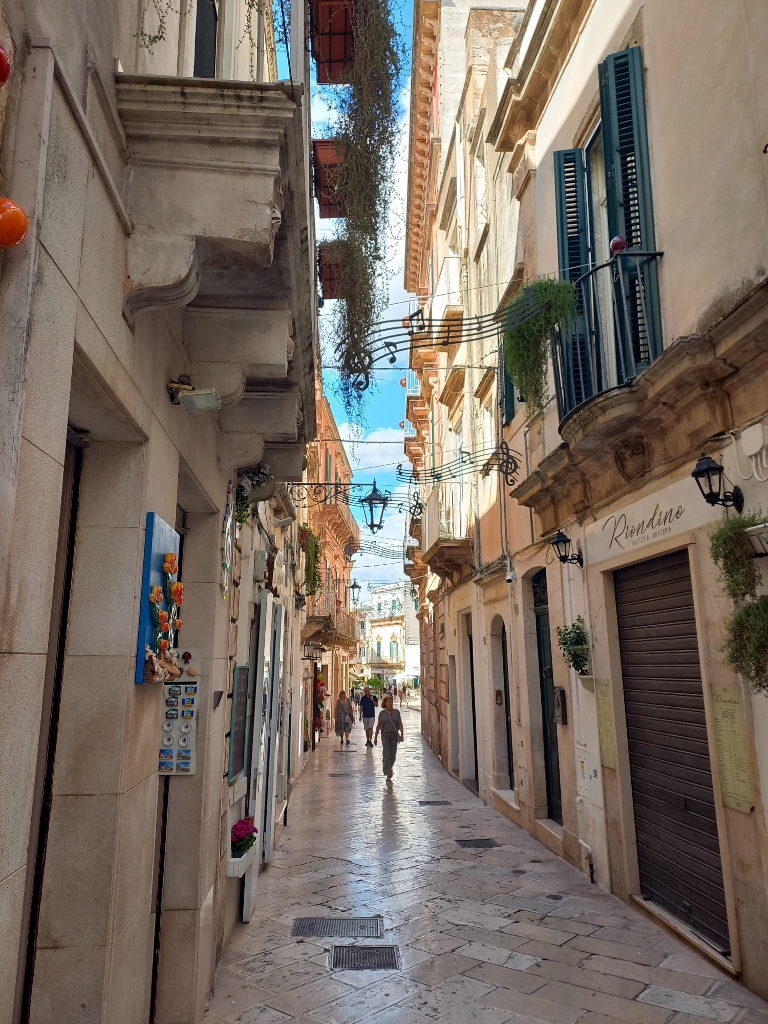 Martina Franca
I started by following the main route from Porta Santo Stefano and soon I arrived at a square – Piazza Plebiscito.
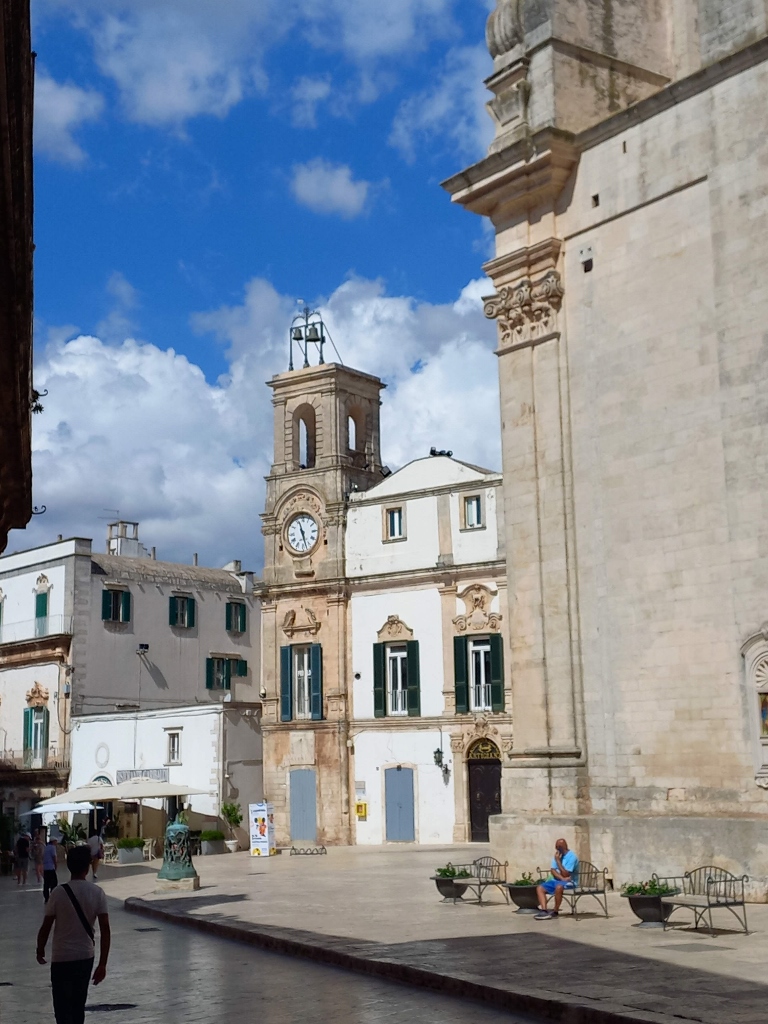 Martina Franca
While walking through the town, I arrived here a bit later as well and I photographed it again when the sun was in a different position. So, I will now use photographs from both series (this may not matter to others, but it does to me).
In the square, there are two significant buildings – one is the University Palace (Palazzo dell’Università) with a clock tower (on the left in the photo below), and the other is the Basilica San Martino (on the right in the photo).
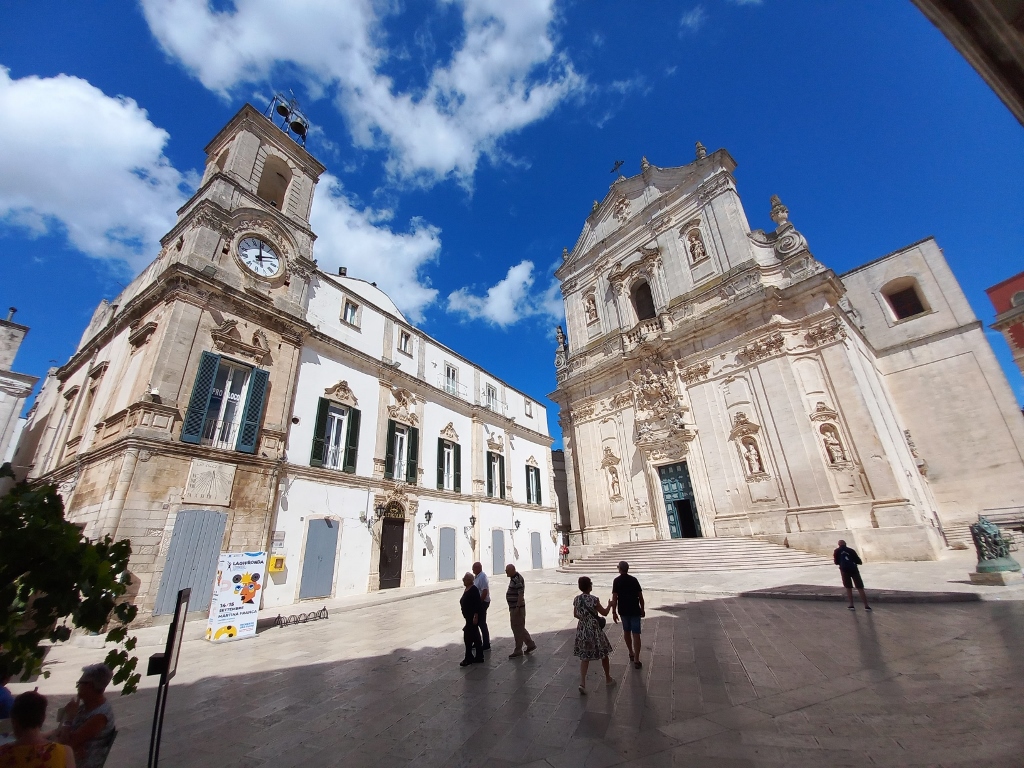 Martina Franca
The name University Palace here has nothing to do with an educational institution. Instead, it comes from a term used in southern Italy to designate the seat of the municipality or local parliament, emphasising the universal nature of such an institution, which was responsible for addressing the needs of all social classes.
At the end of the 15th century, a building on this site was chosen for meetings of the local parliament in Martina Franca. The building underwent significant alterations between 1734 and 1761, in line with the dominant Baroque style of the time, while a clock tower was also built. The second floor was added in the 19th century.
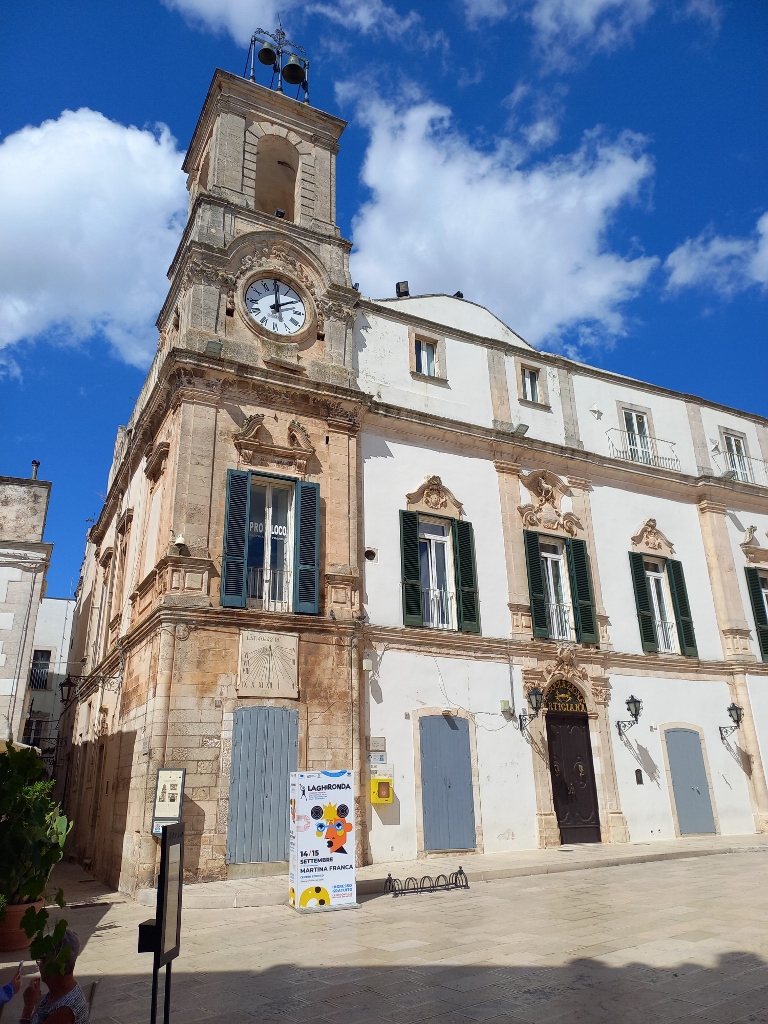 University Palace
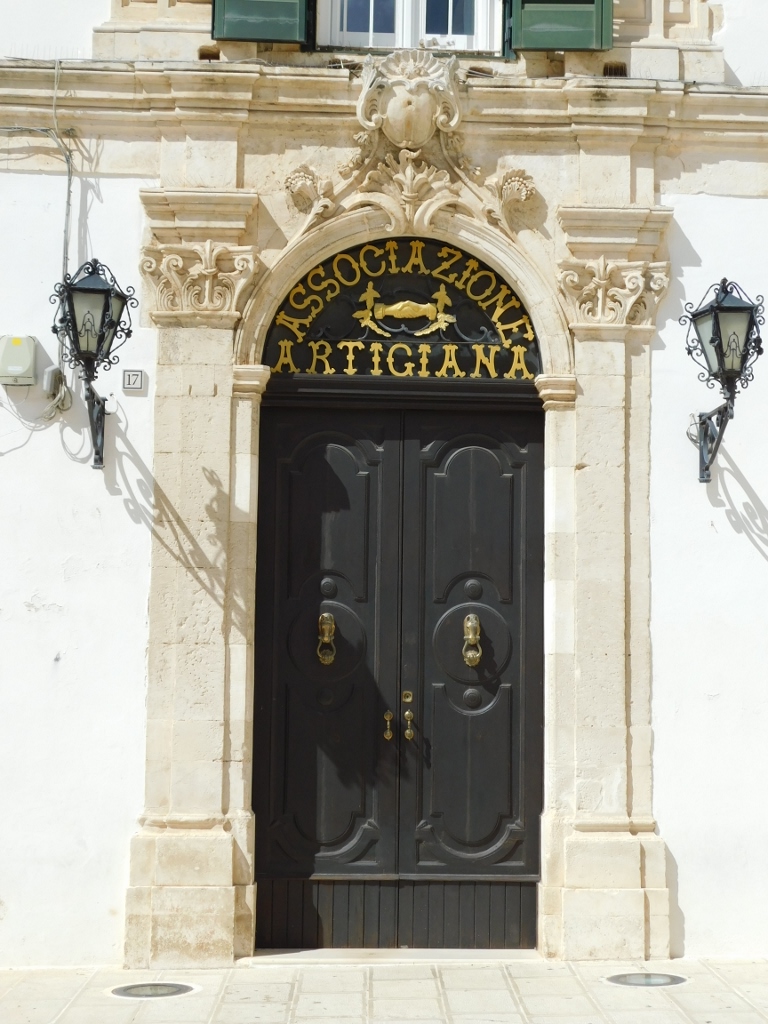 University Palace, a detail
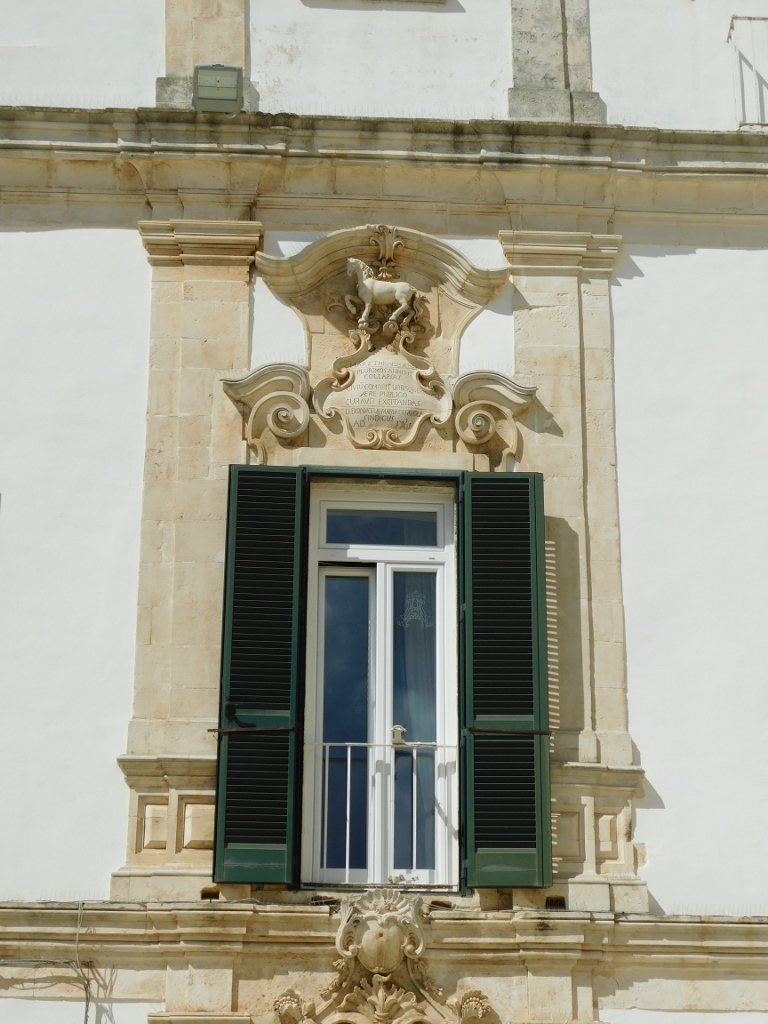 University Palace, a detail
The other significant building in this square is the Collegiate Church of St. Martin of Tours, which replaced an older church from the 14th century. The church seen here today was built between 1747 and 1785, although it was consecrated even before the construction was completed.
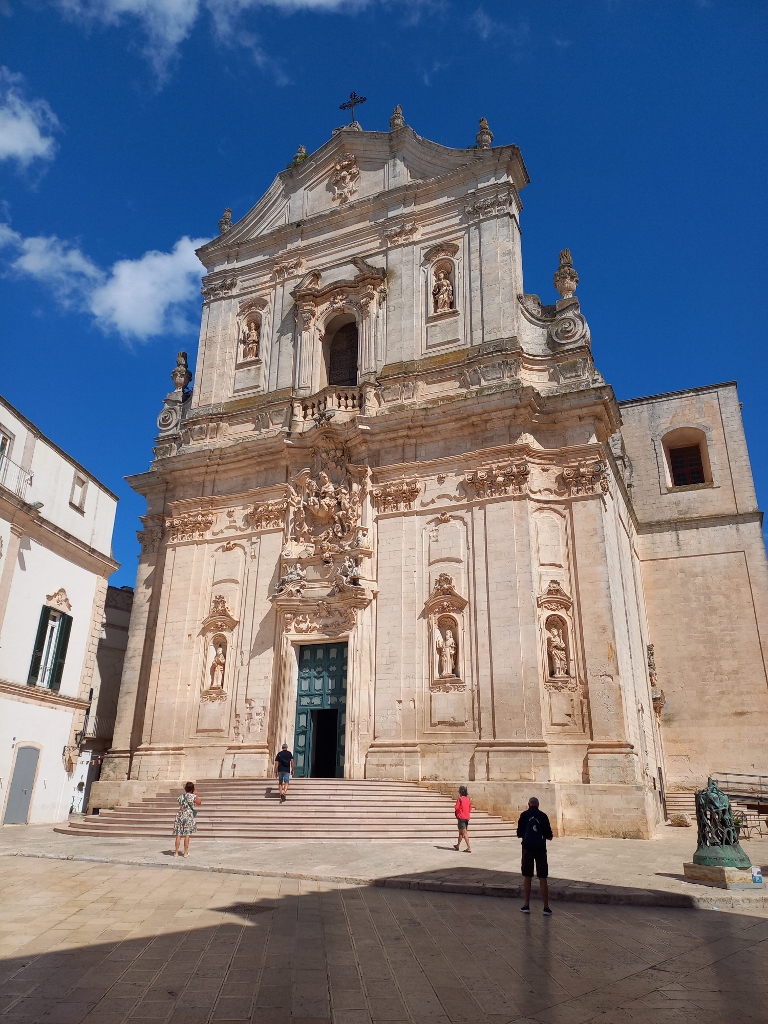 Collegiate Church of St. Martin of Tours
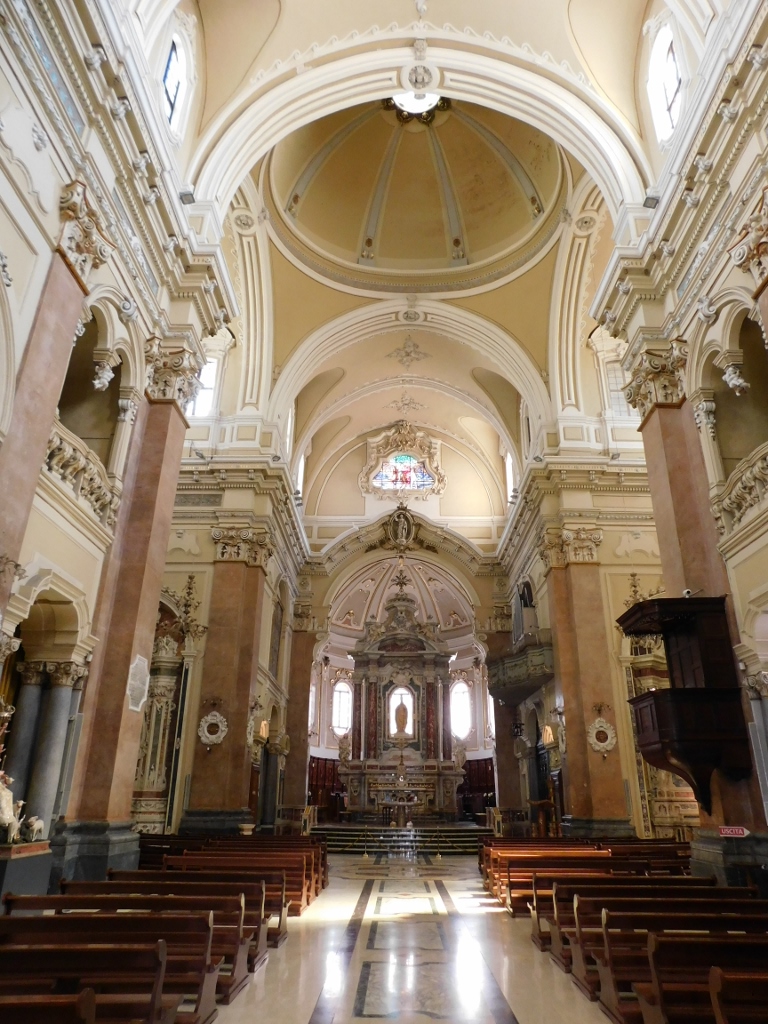 Collegiate Church of St. Martin of Tours, the interior
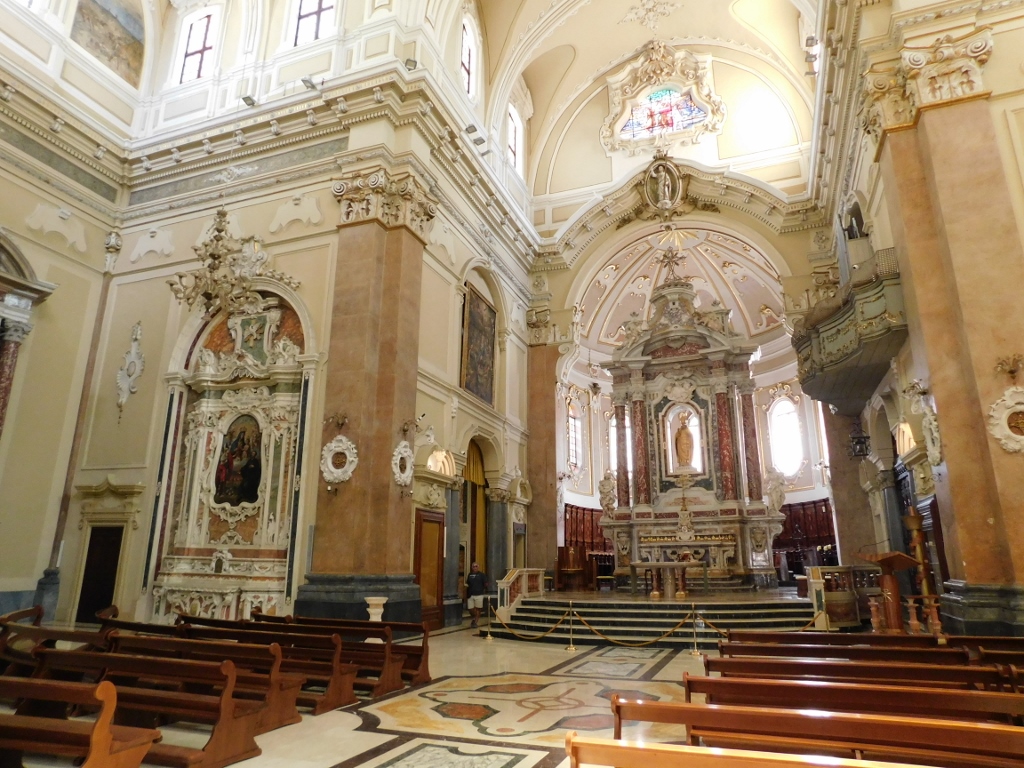 Collegiate Church of St. Martin of Tours, the interior
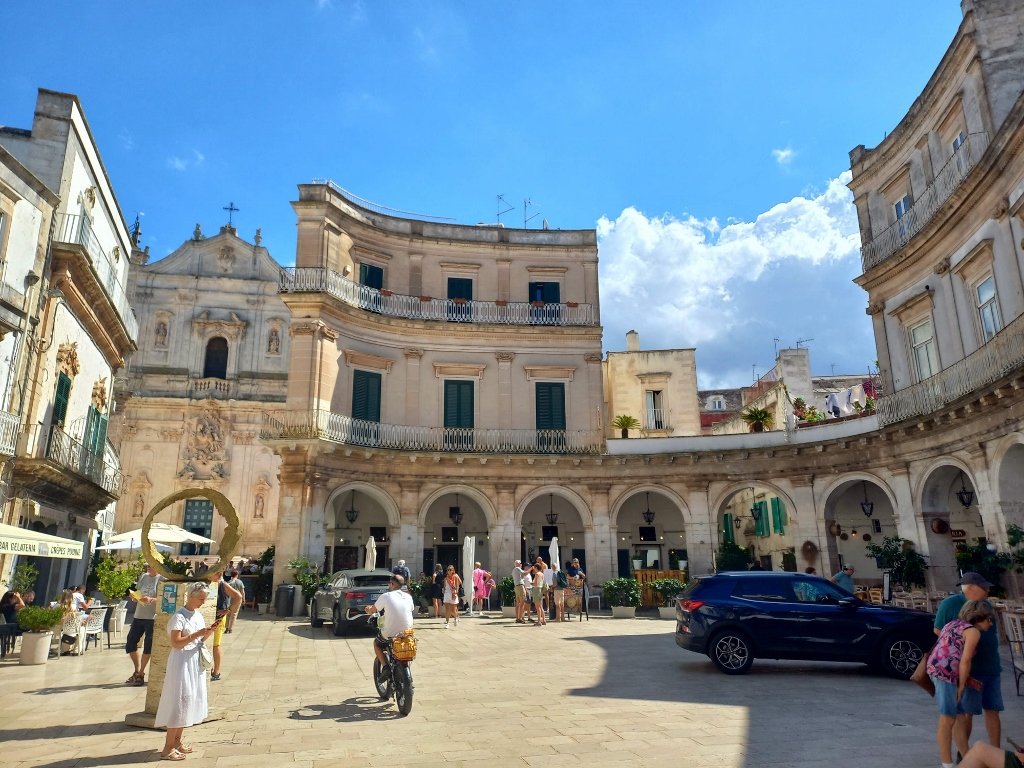
Piazza Plebiscito is connected to another irregularly shaped square, but one that is exceptionally beautiful and charming. This square is called Piazza Maria Immacolata.
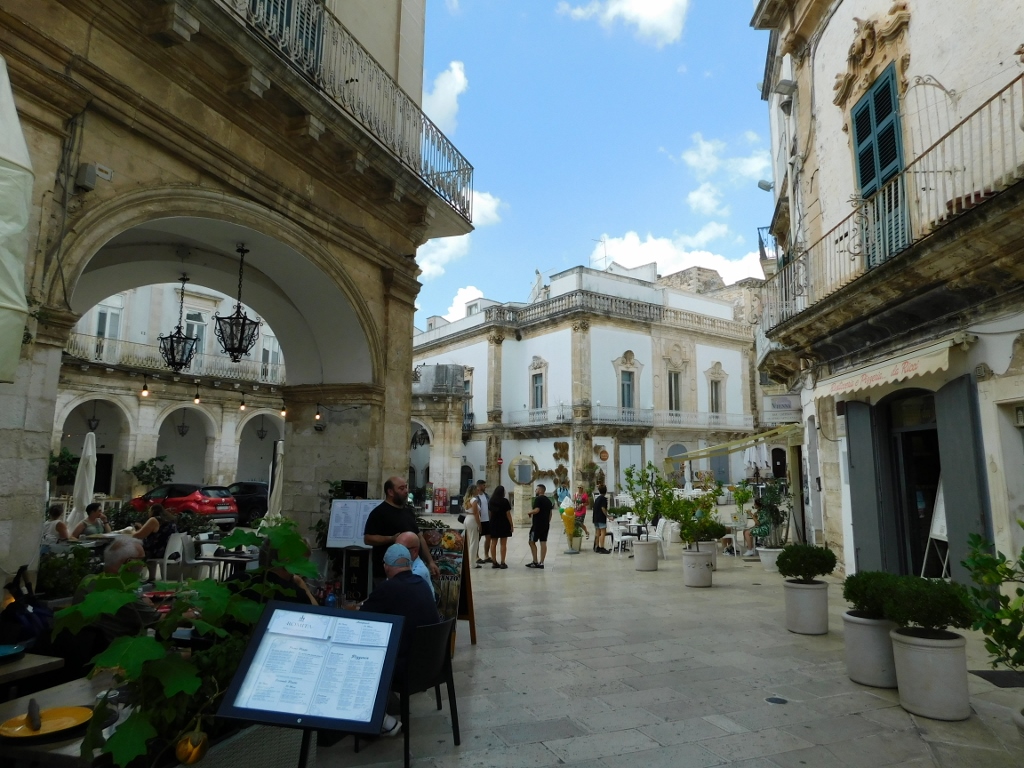 Martina Franca
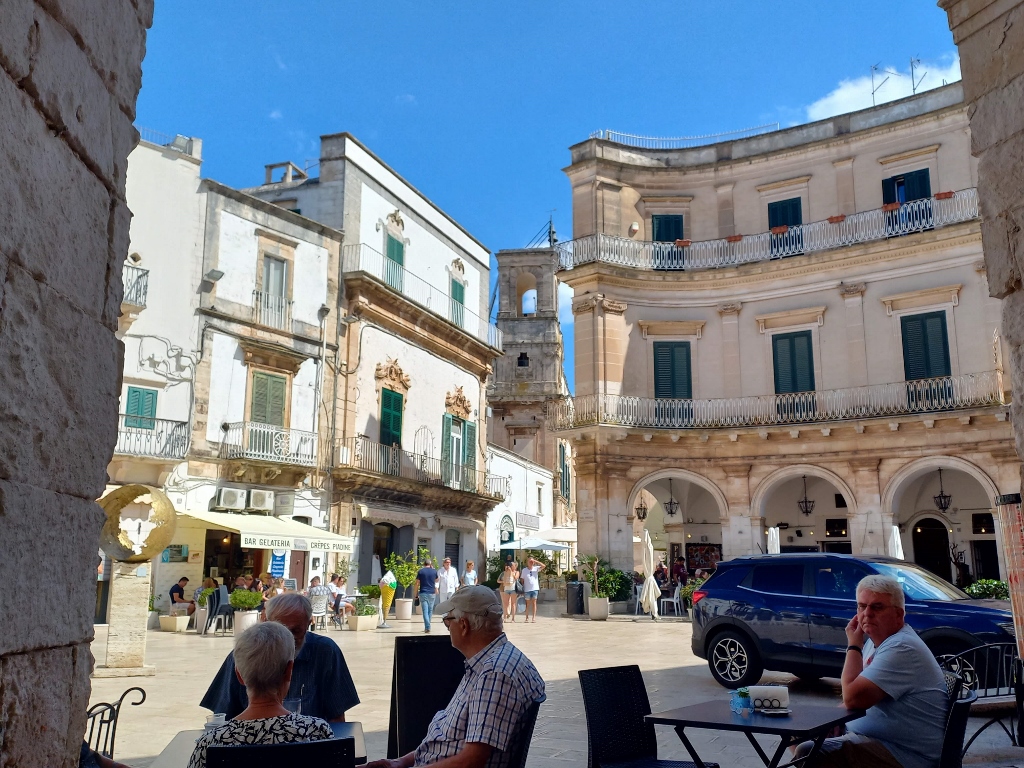
There are no historically significant buildings here, but the place is absolutely magical. Since I saw a few cafes and restaurants, I immediately knew what I would do first, and that can be seen in the next photo.
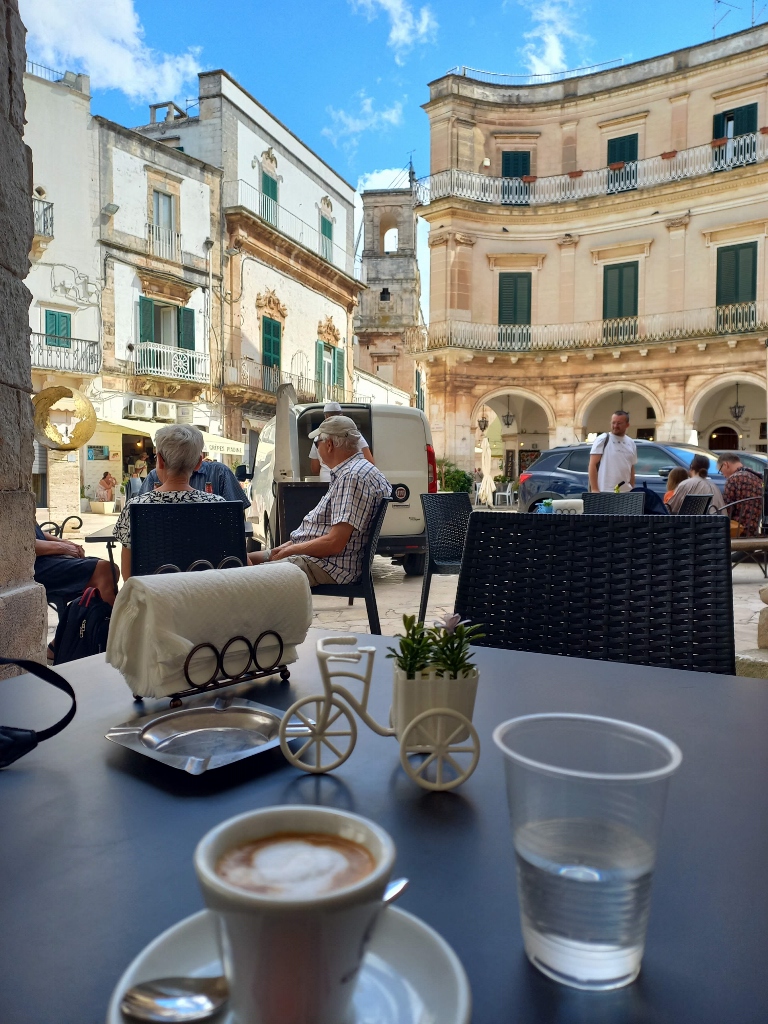 Martina Franca
As I sat there, I was deeply soaking in the scenes around me – on one side, there were various interesting details, and on the other, the sun and clouds were constantly creating new effects. So, after finishing my coffee, I stayed a little longer to take more photos.
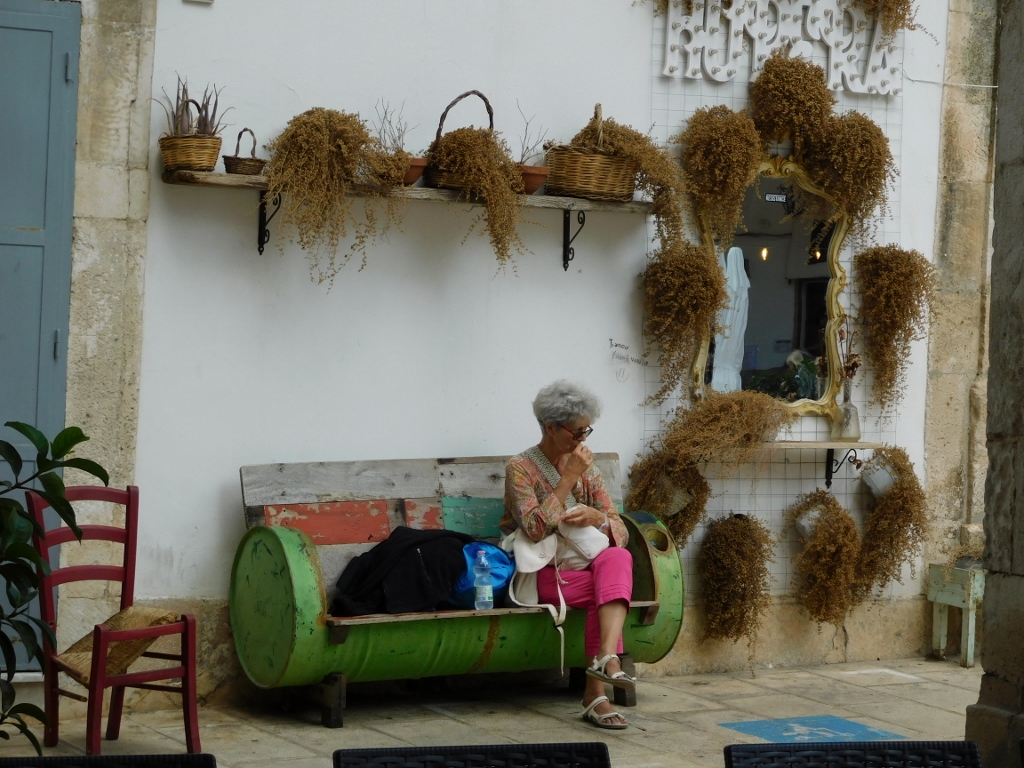 Martina Franca, a detail
 Martina Franca
In the next photo, you can see both Piazza Maria Immacolata and the Collegiate Church of St. Martin of Tours.
 Martina Franca
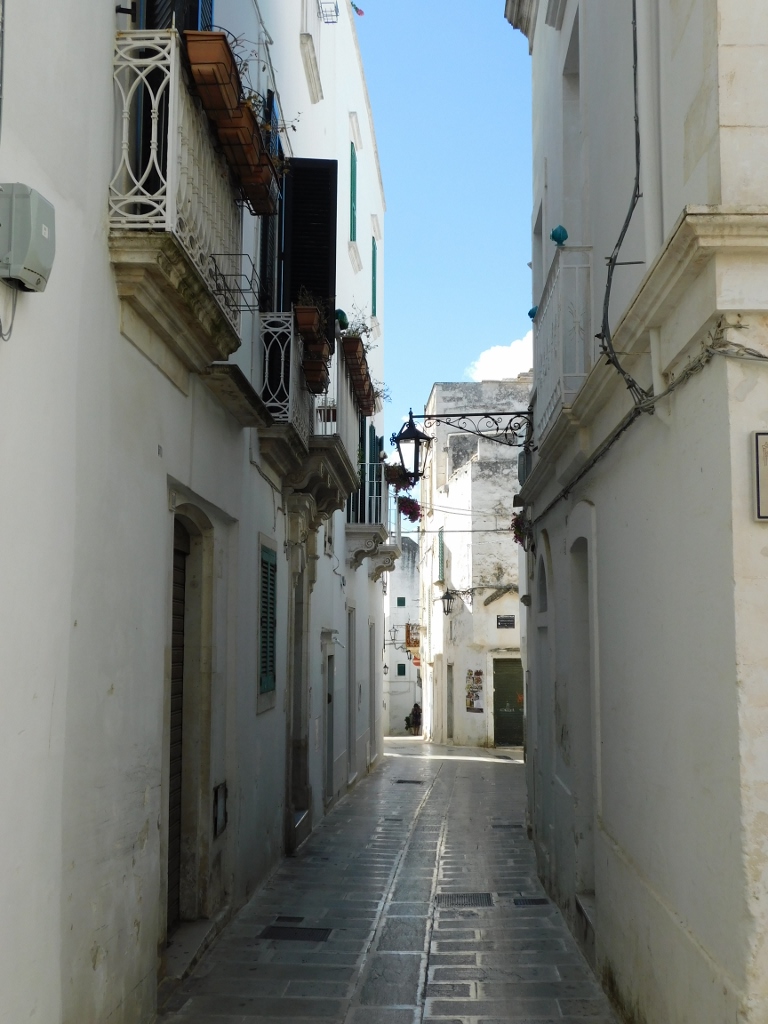
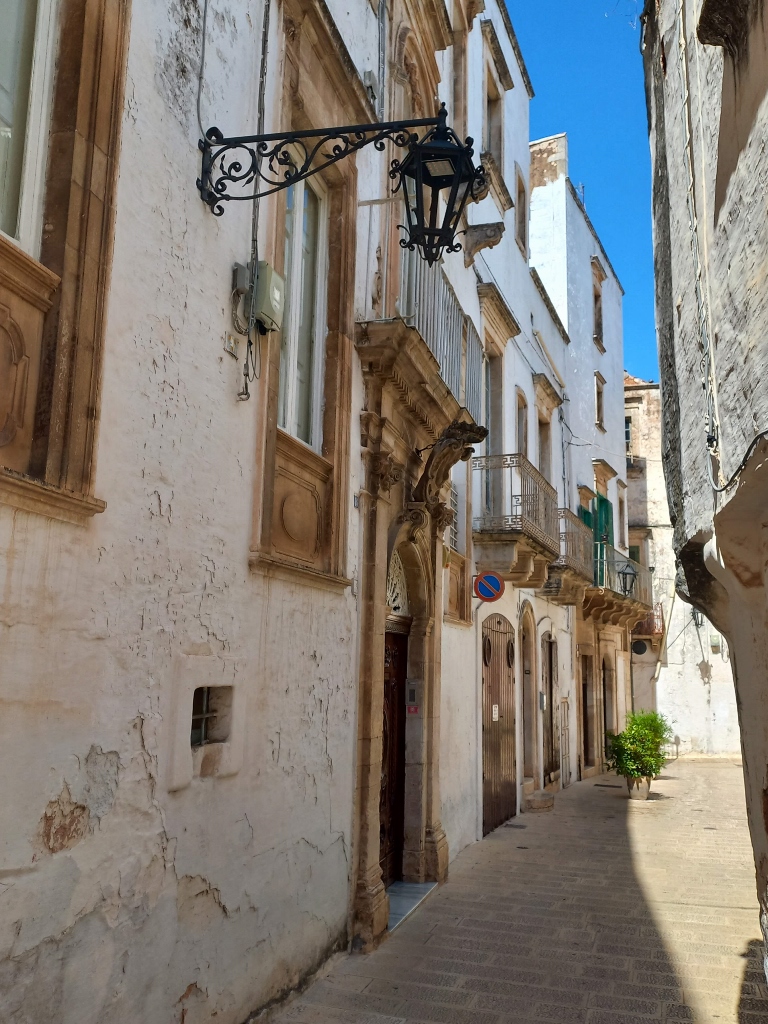
Now, I set off for a walk around Martina Franca, searching for some churches, but along the way, I was enjoying the picturesque streets.
 Martina Franca
 Martina Franca
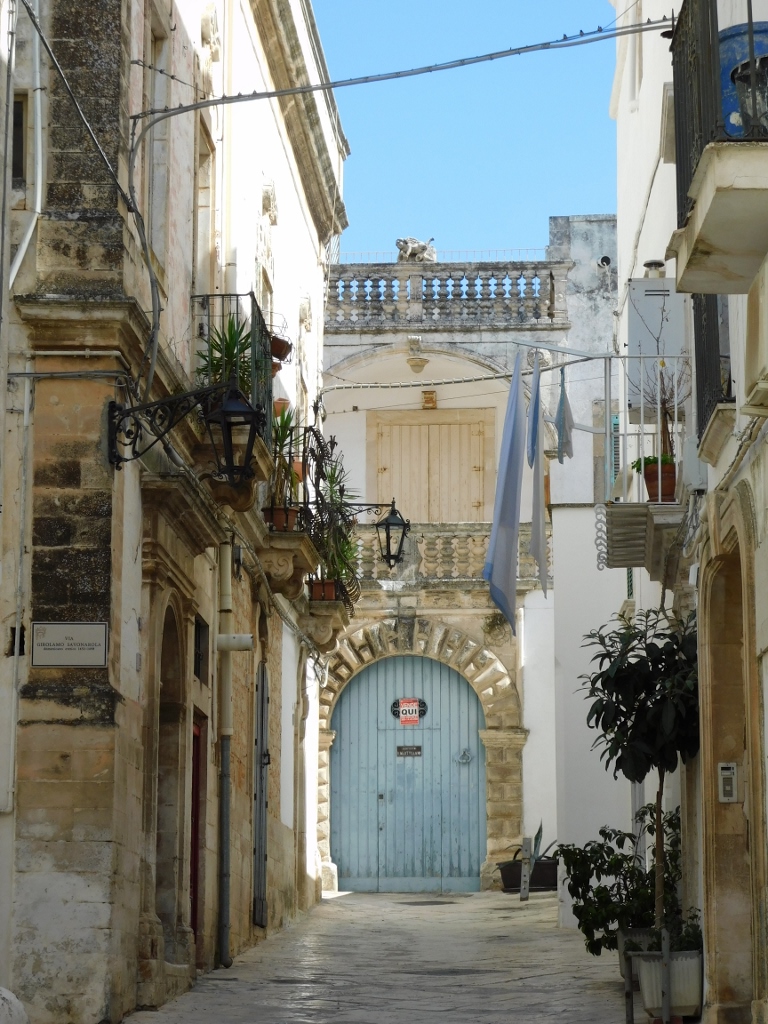 Martina Franca
This led me to the Church of St. Vitus (Chiesa di San Vito), which is one of the oldest churches in the city – it was built at the end of the 13th century and the beginning of the 14th century. The strict facade is made of ashlars, while the bell tower with three arches was added in the 15th century. The church was closed during my visit.
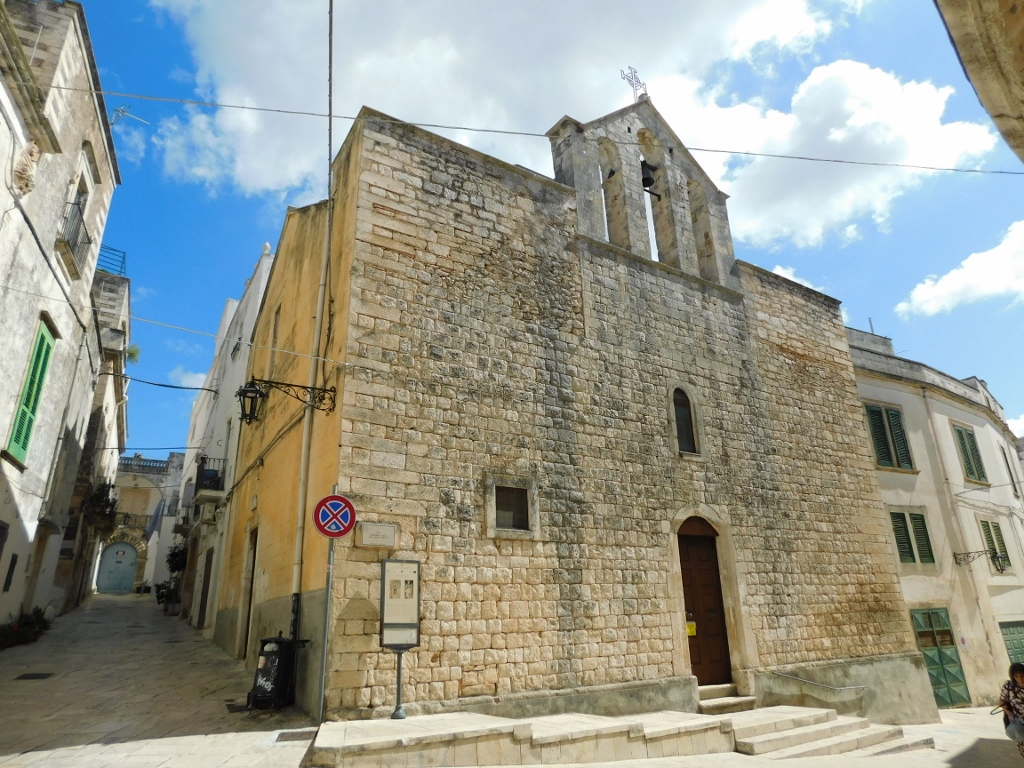 Church of St. Vitus
Then, I took a walk to another locally known church, the Church of St. Dominic (Chiesa di San Domenico), but due to the narrow streets, it was difficult to fully capture it. So, I had to photograph its facade from a side street.
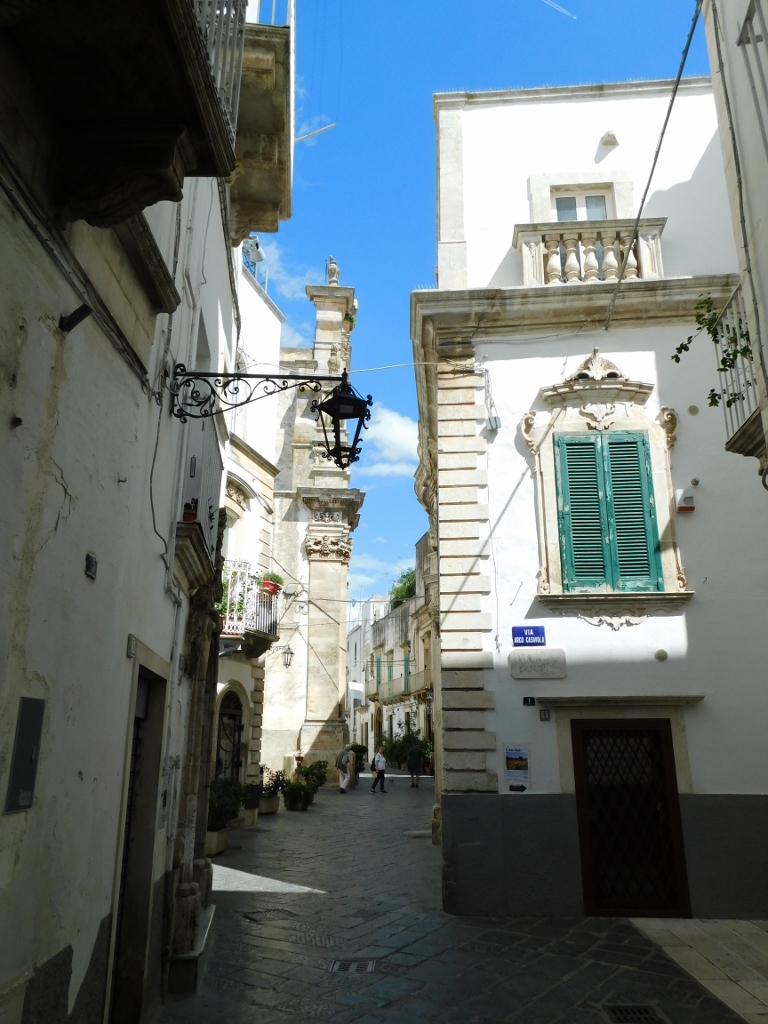 Martina Franca
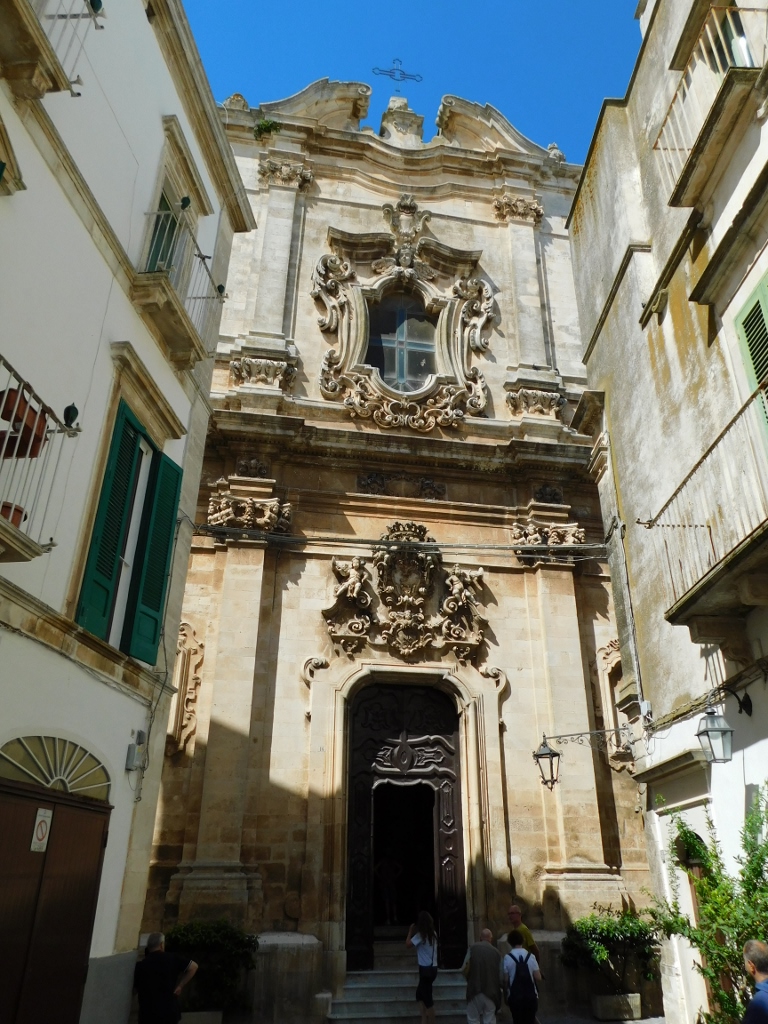 Church of St. Dominic
This Baroque church was built in 1745 by a Dominican monk and it is connected to the Dominican monastery from the 15th century. The interior of the church is very impressive and beautiful.
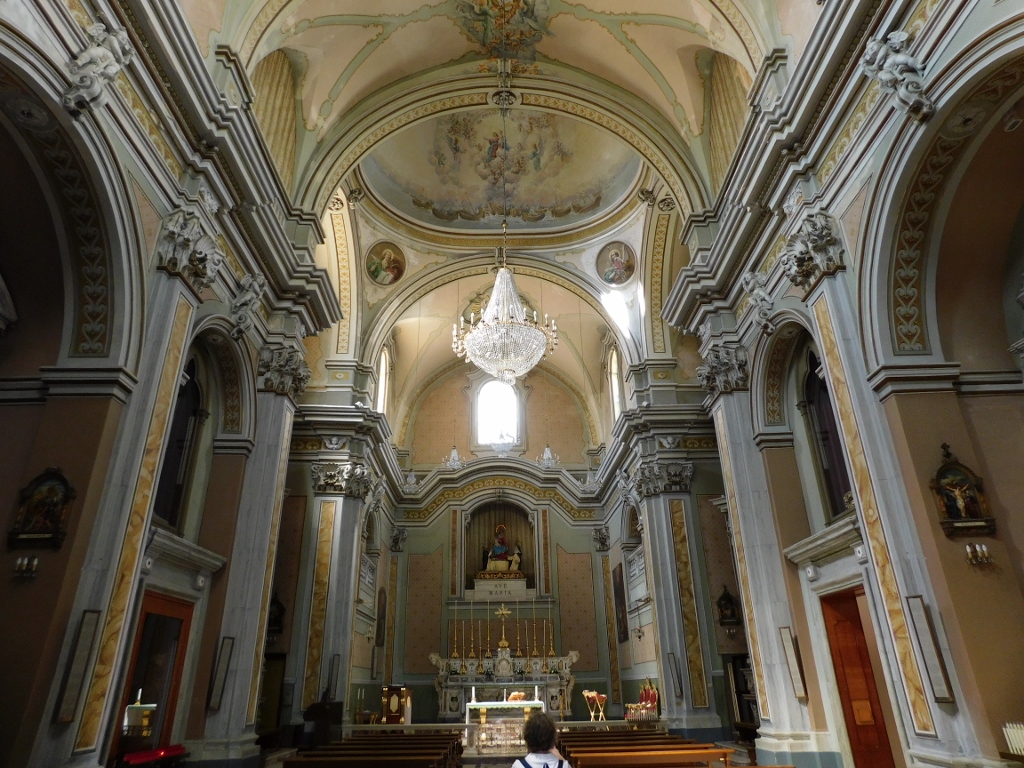 Church of St. Dominic, the interior
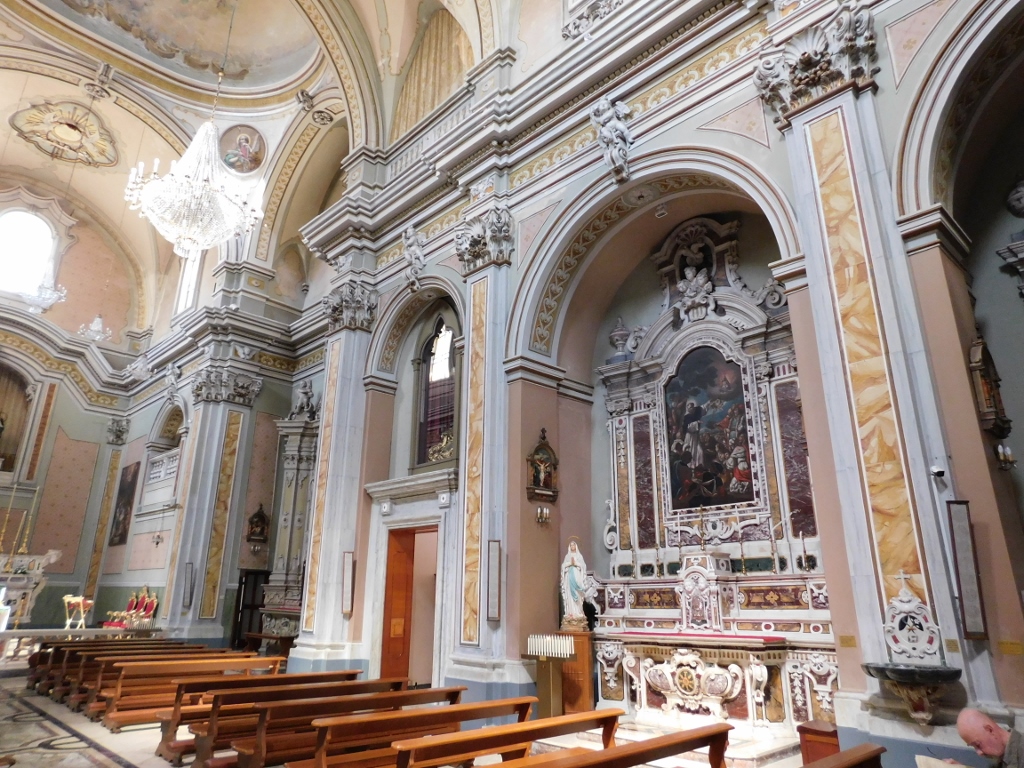 Church of St. Dominic, the interior
I continued my walk through Martina Franca, but now I had a very important and specific mission. Along the way, however, I couldn’t help but notice the beautiful and picturesque details that Martina Franca has in abundance.
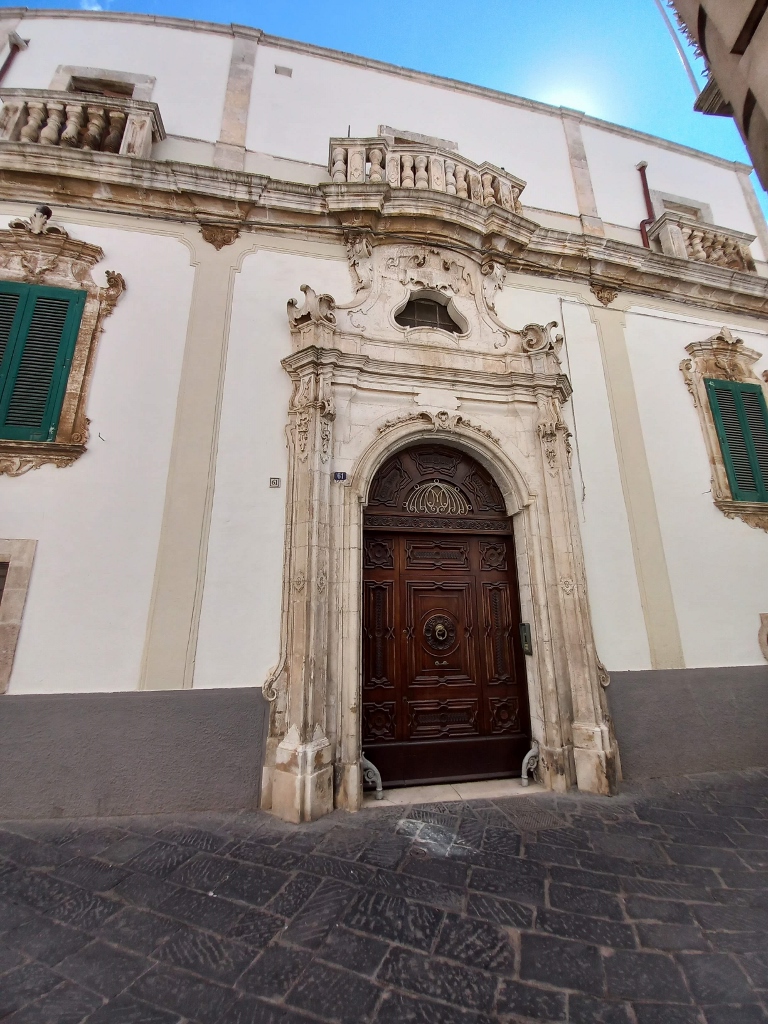 Martina Franca
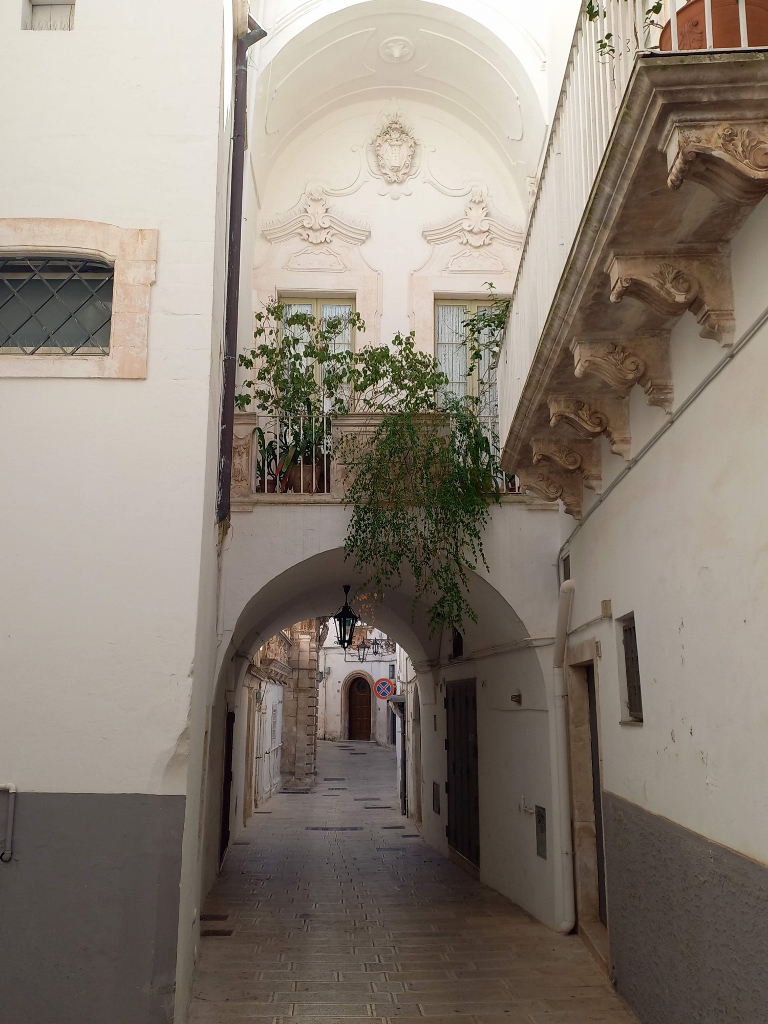 Martina Franca
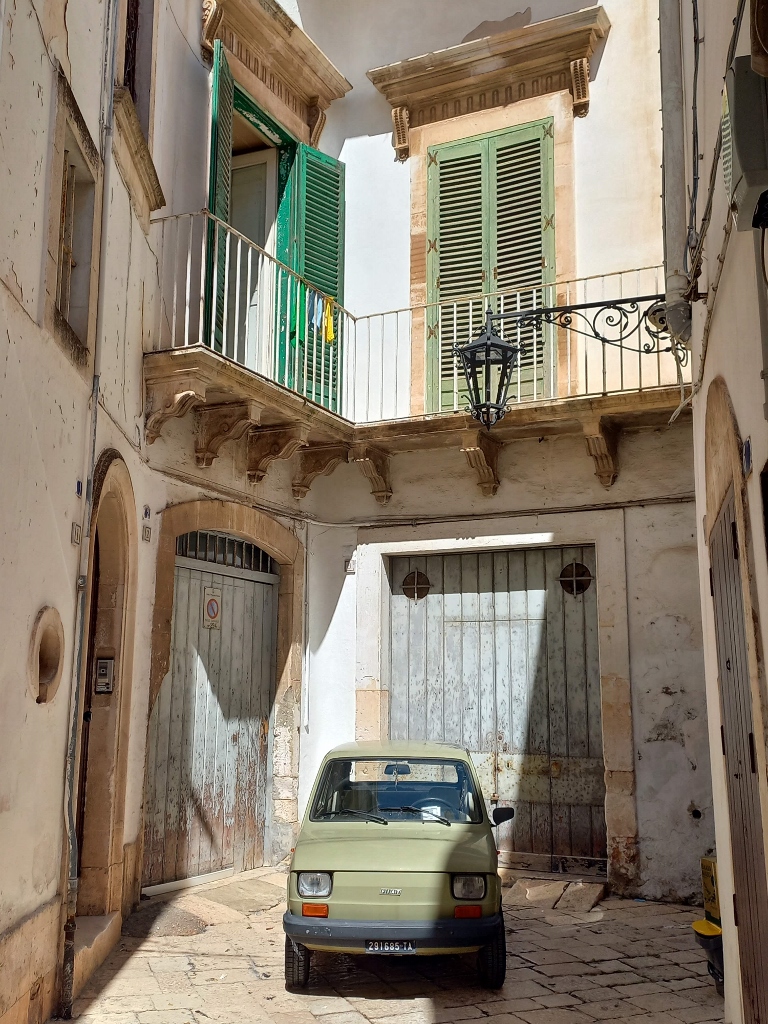 Martina Franca
And then, I arrived at the place I was looking for – a nice local restaurant. I could not help myself and my eyes were bigger than my stomach, so I ordered both a serious appetizer and a serious main dish, but in the end, I managed to finish everything.
First, the "snacks" and water arrived.
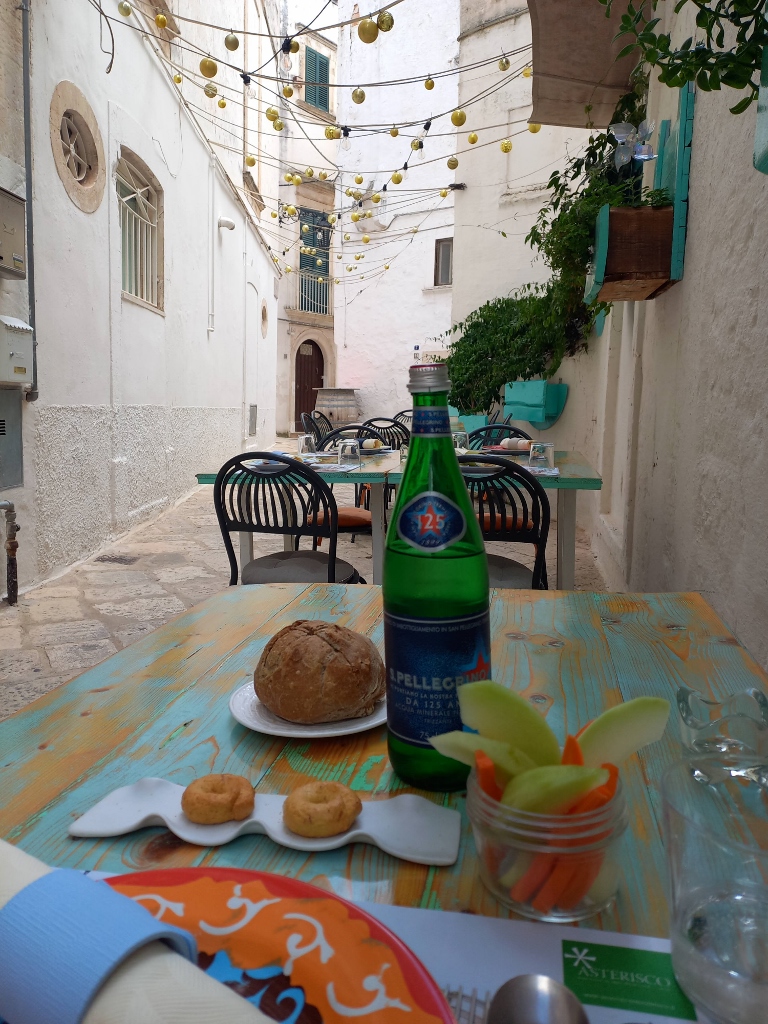 Lunch in Martina Franca
For the appetizer, I had Apulian pasta – orecchiette in the Bari style (Orecchietta Barese).
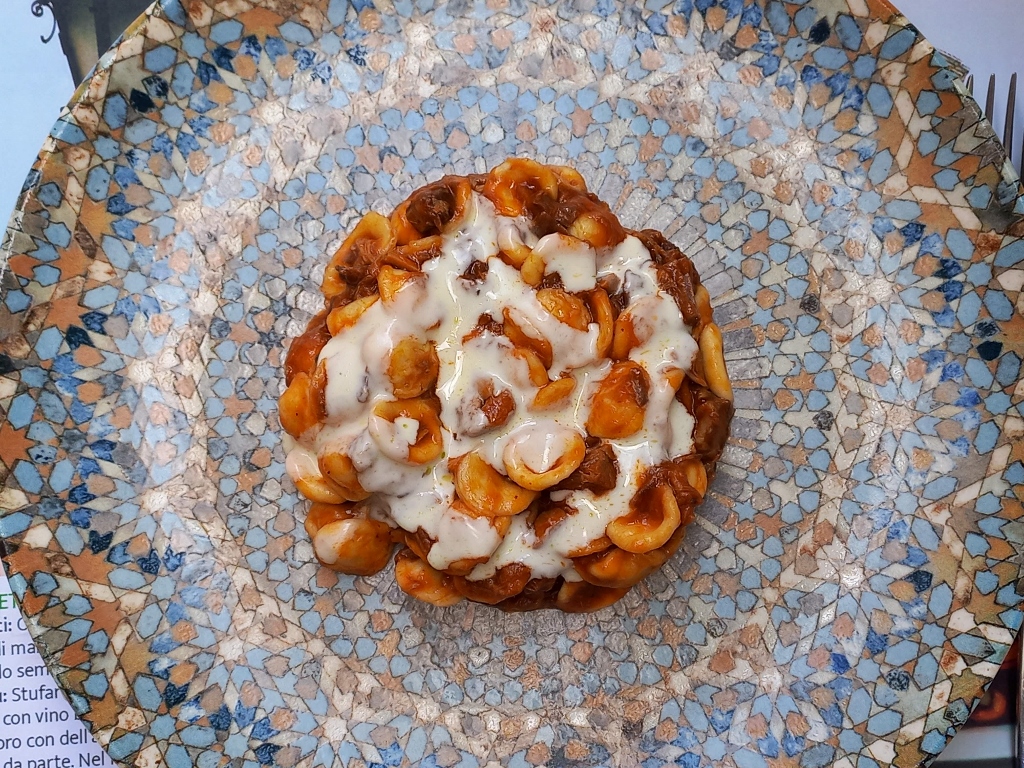 Lunch in Martina Franca
And for the main dish – traditional braciole (Brasciola alla tradizione).
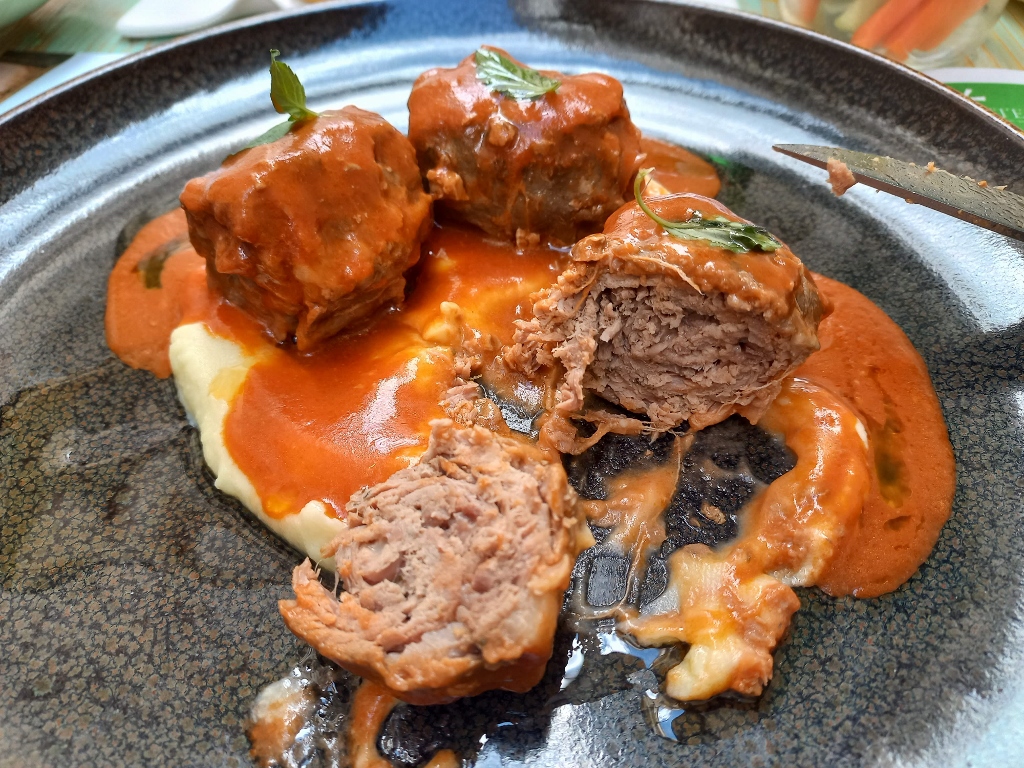 Lunch in Martina Franca
Everything was absolutely delicious and afterwards it took me a good few hours to recover because I had eaten so much. However, not for a single moment did I regret it.